Is your dog slipping out of the yard, no matter how careful you are? A break in your dog fence could be the hidden problem causing this frustration.
Finding that break quickly is key to keeping your furry friend safe and your peace of mind intact. You’ll discover simple, effective steps to locate any damage in your dog fence fast. By the time you finish reading, you’ll know exactly how to protect your pet and prevent future escapes.
Let’s get started on securing your yard once and for all.
Signs Of A Break In Your Dog Fence
Knowing the signs of a break in your dog fence helps protect your pet. Early detection prevents escapes and keeps your dog safe. Watch for clues that show where the fence might be damaged.
Unexplained Escape Routes
Your dog finds new ways out of the yard. Gates left closed before are now open or loose. Paths in the grass show where your dog walks outside. Check these spots carefully for hidden gaps.
Changes In Dog Behavior
Your dog acts restless or anxious near the fence. It tries to dig or push at certain spots. Sudden eagerness to run outside can mean a fence break. These behaviors hint at weak points in the barrier.
Visible Damage On Fence
Look closely for holes, tears, or bent wires. Broken posts or loose panels are clear damage signs. Scratches or chew marks show where your dog tries to escape. Finding these marks helps locate the break quickly.
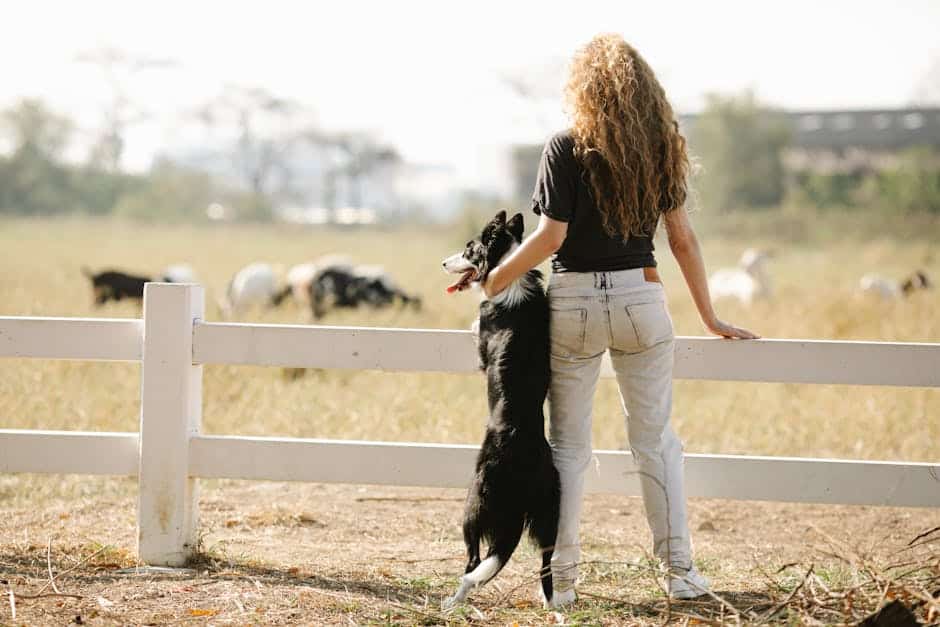
Credit: petplaygrounds.com
Tools To Detect Fence Breaks
Detecting a break in your dog fence is important to keep your pet safe. Using the right tools helps you find the problem fast. This section covers easy and effective tools to detect fence breaks.
Using A Wire Locator
A wire locator is a tool designed to find breaks in underground wires. It sends a signal through the fence wire. The locator then shows where the signal stops. This spot often marks the break. Wire locators are precise and save time.
Testing With A Fence Transmitter
A fence transmitter can also help spot fence breaks. It connects to the fence wire and sends a low voltage pulse. By moving along the wire with the transmitter, you see where the pulse stops. That is where the break might be. This method is simple and effective.
Simple Household Tools
You can use common tools like a multimeter to test the fence wire. Set the multimeter to measure continuity. Touch the probes on different parts of the wire. If the meter shows no signal, the break is between those points. This method works well for small fences.
Step-by-step Fence Inspection
Finding a break in a dog fence can seem tricky. A careful, step-by-step inspection helps locate the problem fast. Follow these clear steps to check the entire fence thoroughly. This method saves time and keeps your dog safe.
Walking The Perimeter
Start by walking around the fence’s edge slowly. Look closely at the ground and fence line. Watch for any signs of damage or gaps. Pay attention to spots where your dog may have tried to dig under.
Checking For Loose Or Broken Wires
Next, examine the wires along the fence. Feel for any loose or broken sections. Tug gently on the wire to check its strength. Broken wires often cause the fence to stop working correctly.
Inspecting Connection Points
Finally, focus on the connection points where wires meet. These spots can become loose or corroded over time. Tighten any loose connections and clean dirty parts. Good connections ensure the fence sends the correct signal.

Credit: www.youtube.com
Quick Fixes For Common Breaks
Quick fixes can save time and keep your dog safe while you work on a permanent solution. Most dog fence breaks happen in common spots. Fixes often involve simple tools and parts. Small repairs stop your dog from escaping and prevent further damage.
Repairing Wire Breaks
Find the broken wire section by gently pulling along the fence line. Cut out the damaged part using wire cutters. Use a wire connector or crimp sleeve to join the wire ends. Twist tightly to secure the connection. Test the fence to ensure it sends a signal through the wire.
Securing Loose Connections
Loose connections cause weak signals and false alerts. Check all connectors and terminals along the fence. Tighten screws and clips with a screwdriver. Clean any dirt or rust that may block the connection. Press wires firmly into their terminals for a strong hold.
Temporary Barriers
Temporary barriers block your dog from the broken fence area. Use garden stakes and strong plastic mesh or wire. Secure the mesh tightly to prevent gaps. Place the barrier a few feet from the damaged spot. This keeps your dog safe until full repairs finish.
Preventing Future Breaks
Preventing future breaks in your dog fence helps keep your pet safe. Regular care and smart choices reduce damage and escape risks. Focus on simple steps to protect your fence and your dog.
Regular Maintenance Tips
Check the fence often for holes or weak spots. Clear away debris like sticks and leaves that can cause damage. Tighten loose wires and fix small breaks quickly. Regular cleaning helps spot problems early. Schedule a weekly fence inspection to stay ahead.
Using Durable Materials
Choose strong materials that last longer outdoors. Metal or heavy-duty plastic resist chewing and weather. Avoid thin wires or weak plastic that break easily. Consider materials designed for pets and outdoor use. Durable fences save money on repairs over time.
Training Your Dog
Teach your dog to respect the fence boundaries. Use commands and rewards to discourage digging or chewing near the fence. Supervise your dog during outdoor play to correct bad habits. A well-trained dog is less likely to damage the fence. Training helps keep your pet safe inside the yard.

Credit: petplaygrounds.com
When To Call A Professional
Knowing when to call a professional for your dog fence issues can save time and stress. Some problems need expert tools and knowledge. Trying to fix complex issues alone might cause more damage. Professionals can find breaks faster and fix them correctly. Here are key signs that you should call a pro.
Complex Electrical Issues
Electrical problems in your dog fence can be tricky. If the fence won’t send a signal or the collar does not beep, the wiring might be faulty. Professionals use special tools to test and repair electrical faults safely. Avoid handling wires yourself to prevent shocks or more damage.
Severe Fence Damage
Severe damage from storms, digging pets, or accidents can break the wire deeply. Large breaks or multiple broken spots need expert repair. Professionals can replace wires and secure the fence properly. This ensures your dog stays safe without weak spots in the boundary.
Upgrading Your System
Upgrades to your dog fence system can improve safety and reliability. Professionals can install new technology or better wiring. They know the best layout for your yard and dog size. This makes the upgrade smooth and your dog fence more effective.
Frequently Asked Questions
How Do I Detect A Break In My Dog Fence?
Walk along the fence line slowly. Listen for static or buzzing sounds. Use a wire tester if needed.
What Tools Help Find Breaks In Underground Dog Fences?
A wire locator or fence tester can trace breaks. These tools show where the signal stops.
Can My Dog’s Behavior Show A Fence Break?
Yes. If your dog crosses the boundary or acts anxious near it, a break might exist.
How Often Should I Check My Dog Fence For Breaks?
Check the fence monthly and after storms or digging by pets or wildlife.
What Causes Breaks In Underground Dog Fences?
Common causes include digging, lawn tools, weather, and roots growing around wires.
How Do I Fix A Break In The Dog Fence Wire?
Locate the break, strip wire ends, twist or solder them, then seal with waterproof tape.
Conclusion
Finding a break in your dog fence keeps your pet safe and secure. Check the fence carefully and test the wire with a receiver. Small steps can prevent big escapes. Stay patient and keep trying until you locate the problem.
Fixing the break quickly saves you time and worry. A well-maintained fence means peace of mind for you and your dog. Keep your furry friend happy inside the yard where they belong. Simple checks make a big difference every day.
As an Amazon Associate, I earn from qualifying purchases.