Are you wondering how old is too old to breed a dog? If you’re thinking about breeding your furry friend, it’s crucial to know when age becomes a risk.
Breeding at the wrong time can affect your dog’s health and the well-being of the puppies. You’ll discover clear signs and expert advice to help you decide the right time to breed—or when to stop. Keep reading to make the best choice for your dog’s future.
Breeding Age Basics
Knowing the right age to breed a dog is important for the health of the dog and her puppies. Dogs need to be mature enough to handle pregnancy and birth. At the same time, they should not be too old, as risks increase with age.
Understanding the basics of breeding age helps owners make smart decisions. It protects the dog’s well-being and ensures healthy litters. Age matters for both female and male dogs.
Ideal Breeding Age For Dogs
The best age to start breeding a female dog is usually between one and two years. By this time, most dogs have finished growing. Their bodies can handle pregnancy better.
Male dogs can breed a little earlier, often from about one year old. Males stay fertile longer than females. But very young or very old males might not be ideal breeders.
Breeding too early can cause health problems for the mother and puppies. Breeding too late raises risks of complications during pregnancy.
Breed-specific Age Variations
Different dog breeds mature at different rates. Small breeds often mature faster than large breeds. This means small dogs can breed earlier.
Large and giant breeds may need more time to grow before breeding. For example, a Great Dane should not breed before two years old. Their bones and organs take longer to develop.
Some breeds may have special health concerns related to age. Knowing the breed’s needs helps choose the best breeding time. Always consider the breed’s size and health history.

Credit: spiritdogtraining.com
Health Risks At Advanced Ages
Breeding dogs at older ages carries serious health risks. Aging affects a dog’s body and reproductive system. These changes can harm both the mother and her puppies. Understanding these risks helps in making safer breeding choices.
Common Health Issues In Older Breeding Dogs
Older dogs often face problems like weaker immune systems. They may develop arthritis, making movement painful. Their reproductive organs also lose strength. This can cause difficult births or infections. Older mothers have higher chances of complications during pregnancy. Their bodies may not handle stress well. This puts their life at risk.
Impact On Puppies’ Health
Puppies born from older mothers may have health problems. Their immune systems may be weaker at birth. They face a greater risk of genetic defects. Older mothers may produce fewer healthy eggs. This can lead to smaller litter sizes. Some puppies might be born with birth defects. Early death rates can be higher in these litters. The quality of care from an older mother can also decline.
Signs To Stop Breeding
Breeding dogs is a serious responsibility. Knowing when to stop breeding is vital for the health of the dog. Dogs age, and their bodies show signs they cannot handle pregnancy and birth safely. Recognizing these signs protects the dog from pain and health problems.
Physical Indicators
Older dogs often show clear physical changes. Their fur may become thin or gray. Muscle loss and weight changes are common. Joints might stiffen, causing difficulty walking. These signs suggest the dog’s body is weakening. Breeding at this stage can risk serious injury or illness.
Other signs include irregular heat cycles or no heat at all. This means the dog’s reproductive system is aging. Swollen or painful mammary glands also warn of health issues. If you notice any of these physical changes, it is time to stop breeding.
Behavioral Changes
Behavior changes can signal the dog is too old to breed. Older dogs may become tired faster. They may avoid playing or exercising. A dog that once loved attention might seem withdrawn. Anxiety or irritability can increase as well.
Changes in appetite or sleep patterns also matter. A dog not interested in food might have health problems. Less energy and mood swings can show discomfort or pain. These behaviors indicate the dog’s body is struggling. Stopping breeding protects the dog’s well-being.
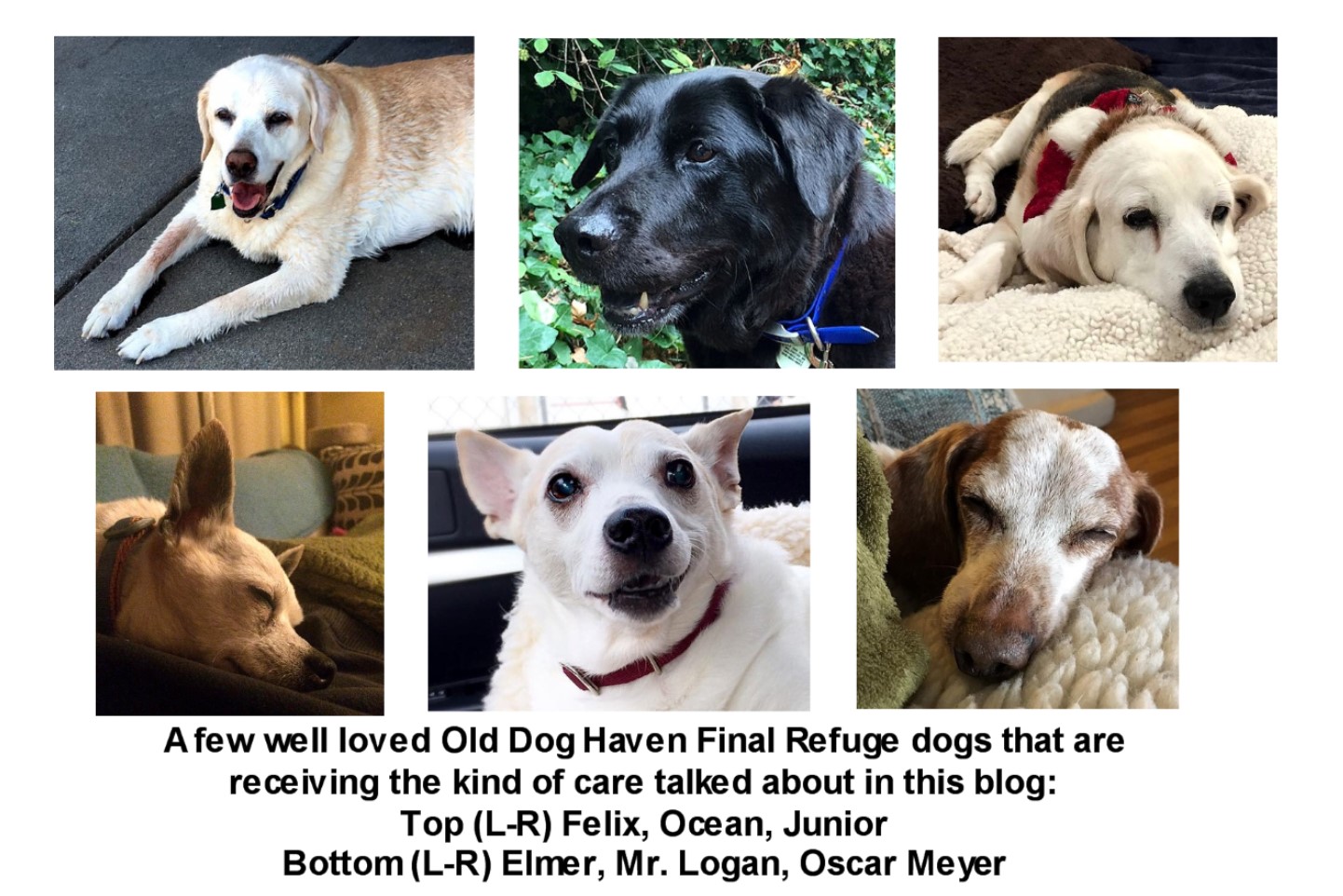
Credit: olddoghaven.org
Veterinary Advice And Testing
Veterinary advice and testing play a key role in deciding if a dog is too old to breed. Age affects a dog’s health and ability to have healthy puppies. A vet can check the dog’s condition and suggest important tests. These steps help protect both the mother and her puppies. Understanding these factors helps make smart breeding choices.
Recommended Health Screenings
Health screenings find hidden problems in older dogs. Blood tests check organ function and hormone levels. X-rays reveal joint or bone issues that may cause pain. Heart exams ensure the dog can handle pregnancy stress. Genetic tests look for inherited diseases. These screenings reduce risks during pregnancy and birth. They help confirm the dog is fit to breed safely.
Role Of The Vet In Breeding Decisions
Vets guide owners with expert advice on breeding age. They assess the dog’s health and aging signs. Vets explain possible risks of breeding older dogs. They recommend if it is safe to proceed or stop. Vets also help plan prenatal care and monitor pregnancy. Their advice supports the health of the mother and puppies. Trusting a vet’s opinion leads to better breeding outcomes.
Ethical Breeding Practices
Ethical breeding practices focus on the health and happiness of the dog. Breeders must consider the dog’s age, health, and ability to care for puppies. Breeding a dog too old can harm both the mother and her puppies. Responsible breeders follow guidelines to protect the dog’s welfare and avoid risks.
Welfare Considerations
Older dogs may face health problems during pregnancy. Their bodies might not handle the stress of breeding well. This can lead to complications for the mother and puppies. Breeding too late can cause pain and suffering. Ethical breeders prioritize the dog’s comfort and safety over profit. Regular vet checks help decide if a dog is fit to breed. The goal is to prevent harm and ensure healthy puppies.
Alternatives To Late Breeding
There are other ways to contribute to dog breeding without late breeding. Spaying and neutering older dogs helps control the pet population. Breeders can focus on young, healthy dogs for breeding. Adopting dogs from shelters also supports animal welfare. Training and socializing older dogs provide value without breeding risks. Ethical breeders look for safe, responsible options for all dogs.
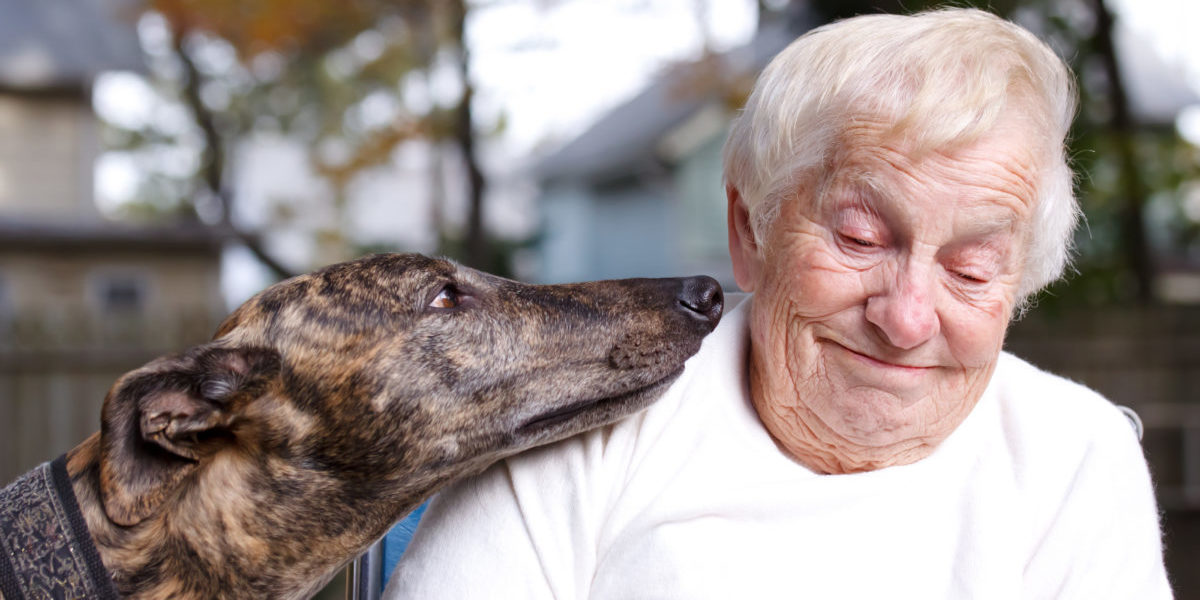
Credit: www.fearfreehappyhomes.com
Breeding Regulations And Guidelines
Breeding dogs is not just about love and care. It involves rules to protect both dogs and puppies. These rules help maintain good health and strong breeds. Following regulations ensures breeding happens at the right age and in the right way. Understanding these guidelines is important for every dog breeder.
Legal Age Restrictions
Many places have laws about when dogs can start breeding. These laws set a minimum age for breeding females and males. Usually, dogs should be at least one or two years old. This ensures the dog is fully grown and healthy enough. Some regions also set a maximum age to stop breeding. This protects older dogs from health risks.
Kennel Club Recommendations
Kennel clubs offer advice on safe breeding ages. They suggest not breeding dogs before two years old. This helps dogs develop fully and reduces birth problems. Clubs also recommend stopping breeding after a certain age, often around five to seven years. These guidelines focus on the dog’s health and the quality of puppies. Following kennel club advice helps breeders keep strong, healthy dog lines.
Frequently Asked Questions
How Old Is Too Old To Breed A Dog?
Most dogs should not breed after 6 to 7 years due to health risks and fertility decline.
Can Older Dogs Have Healthy Puppies?
Older dogs can have puppies, but risks of health issues and complications increase with age.
What Are The Risks Of Breeding An Old Dog?
Older dogs face higher risks of birth complications, genetic problems, and weaker puppies.
How Does Age Affect A Dog’s Fertility?
Fertility drops significantly after 5 years, making pregnancy and conception harder for older dogs.
Should I Consult A Vet Before Breeding My Older Dog?
Yes, a vet can assess health and advise if breeding is safe for your dog.
What Signs Show My Dog Is Too Old To Breed?
Signs include low energy, health problems, and irregular heat cycles; these suggest breeding risks.
Conclusion
Breeding a dog at the right age keeps both dogs safe and healthy. Older dogs face higher health risks during pregnancy. Puppies from older parents might have more problems too. Always talk to a vet before deciding to breed. Healthy dogs and careful planning help ensure good outcomes.
Remember, the dog’s well-being is the most important thing. Breeding is a big responsibility, not just a choice. Choose wisely to give your dog the best care.
As an Amazon Associate, I earn from qualifying purchases.