Is your dog looking a little rounder than usual? You might be wondering, “How do I tell if my dog is overweight?” It’s not always easy to spot, but knowing the signs can make a huge difference in your dog’s health and happiness.
Extra weight can lead to serious problems, but catching it early means you can help your furry friend feel better and live longer. Keep reading, and you’ll learn simple, clear ways to check your dog’s weight and what steps to take if you need to help them slim down.
Your dog’s well-being depends on you noticing the signs now.

Credit: www.vscot.com
Recognizing Weight Issues
Recognizing weight issues in your dog is important for their health. Overweight dogs face many problems that affect their happiness and life span. You can spot weight problems by watching their body shape and behavior closely.
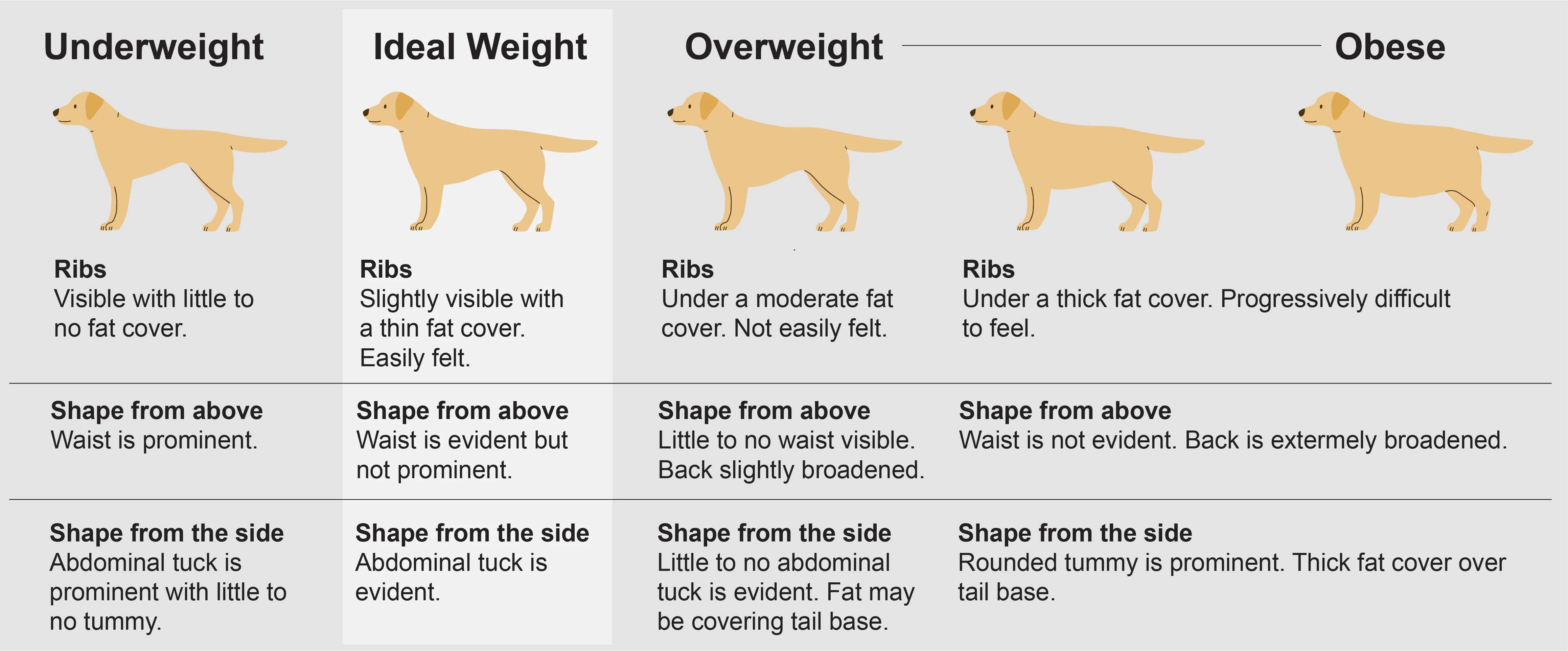
Check if your dog’s ribs are hard to feel under the skin. A healthy dog has ribs you can easily touch without pressing too hard. Also, look at your dog from above. The waist should be visible and not covered by fat. From the side, the belly should tuck up, not hang low.
Common Causes Of Weight Gain
Too much food and not enough exercise cause weight gain. Treats and table scraps add extra calories. Some dogs eat fast and do not stop even if full. Aging lowers activity levels, making weight control harder. Certain health problems or medicines also lead to weight gain.
Health Risks Linked To Obesity
Obese dogs have higher chances of heart disease and diabetes. Extra weight stresses bones and joints, causing pain or arthritis. Breathing problems and low energy are common in overweight dogs. They may also face shorter lives and lower quality of life.
Credit: www.thrivepetcare.com
Physical Signs To Notice
Knowing the physical signs of an overweight dog helps you act early. These signs show changes in your dog’s body shape and feel. Check these signs often to keep your dog healthy.
Checking The Ribcage
Run your hands gently on your dog’s sides. You should feel the ribs easily without pressing hard. If you cannot feel the ribs, your dog may have too much fat. This is a clear sign of overweight.
Observing The Waistline
Stand behind your dog and look at its waist. The waist should be narrower than the chest. If the waist is wide or missing, your dog might be overweight. This change is easy to spot and important to notice.
Feeling The Spine And Hips
Touch your dog’s backbones and hip bones softly. You should feel these bones with a thin layer of skin over them. If you cannot feel them, fat covers these areas. This means your dog has extra weight.
Behavioral Changes
Behavioral changes in dogs can be clear signs of excess weight. Dogs carrying extra pounds often show different habits. These changes can affect their daily life and happiness. Watching your dog’s behavior helps you spot weight issues early.
Reduced Activity Levels
Overweight dogs tend to move less than usual. They may avoid running or playing. Simple walks can become tiring quickly. Notice if your dog lies down more often. Lack of energy is a common sign of excess weight.
Breathing Difficulties
Breathing may become harder for overweight dogs. You might see heavy panting after small efforts. Snoring or wheezing sounds can also appear. This happens because extra fat puts pressure on lungs. Watch for unusual breathing during rest or activity.
Changes In Eating Habits
Eating habits can shift with weight gain. Some dogs eat more out of boredom or stress. Others may eat less due to discomfort or illness. Pay attention to sudden changes in appetite. These can hint at problems linked to weight.
Credit: moderndogmagazine.com
Using Tools And Measurements
Using tools and measurements helps you understand your dog’s weight better. These methods give clear facts about your dog’s health. They make it easy to spot if your dog is gaining too much weight. Keep track of your dog’s size and weight regularly. This way, you can act early to keep your dog fit and healthy.
Weighing Your Dog Regularly
Step on the scale with your dog to get an accurate weight. Use a pet scale if available, or a human scale at home. Weigh your dog at the same time each week for best results. Write down the numbers to watch any changes. Small weight changes matter and show your dog’s health trends.
Body Condition Scoring
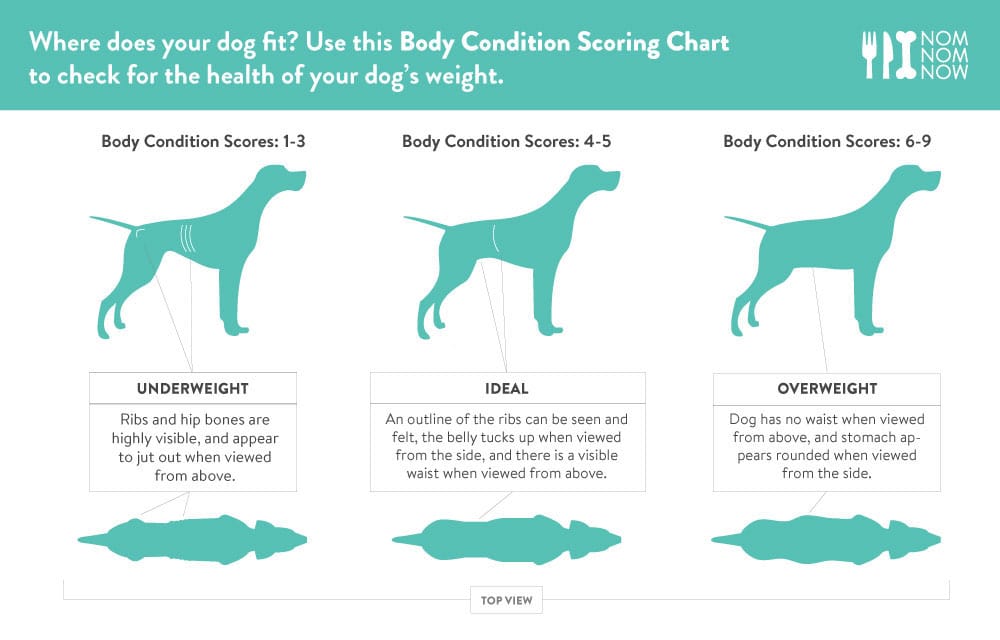
Body condition scoring checks your dog’s fat and muscle by touch and look. Feel your dog’s ribs; you should feel them easily but not see them. Look at your dog from above and the side to check the waist and belly. A simple chart can guide you to score your dog’s body shape. This score tells if your dog is underweight, ideal, or overweight.
Tracking Weight Over Time
Keep a chart or journal of your dog’s weight and body scores. Track data weekly or monthly for long-term trends. Sudden changes may signal health issues or diet problems. Share this information with your vet during check-ups. Tracking helps you adjust food and exercise to fit your dog’s needs.
When To Consult A Vet
Knowing when to consult a vet about your dog’s weight is important. Your dog might be overweight if you notice changes in behavior or appearance. A vet can give a clear answer and guide the next steps. Early help can prevent health problems and improve your dog’s life quality.
Professional Weight Assessment
A vet checks your dog’s weight and body condition carefully. They use special tools and charts to measure fat and muscle. This gives a clear picture beyond just the scale number. The vet looks for signs of health issues linked to weight.
Designing A Weight Management Plan
The vet creates a plan tailored to your dog’s needs. It includes diet, exercise, and lifestyle changes. The plan fits your dog’s age, breed, and health status. Clear goals help keep the plan on track and effective.
Monitoring Progress With Experts
Regular vet visits track your dog’s weight changes. The vet adjusts the plan based on progress and challenges. This keeps the weight loss safe and steady. Expert support makes it easier to reach and keep a healthy weight.
Frequently Asked Questions
How Can I Tell If My Dog Is Overweight?
Check your dog’s ribs, waist, and belly. Ribs should be felt easily without excess fat.
What Are Common Signs Of An Overweight Dog?
Look for difficulty walking, less energy, and a round belly shape.
How Does Dog Breed Affect Weight Assessment?
Different breeds have different shapes; compare your dog’s body to healthy breed standards.
Can A Vet Confirm If My Dog Is Overweight?
Yes, a vet can measure body fat and give weight advice.
Why Is It Important To Keep My Dog At A Healthy Weight?
Healthy weight helps prevent diseases like diabetes and joint problems.
How Often Should I Check My Dog’s Weight?
Check monthly to catch weight changes early and keep your dog healthy.
Conclusion
Knowing if your dog is overweight helps keep them healthy and happy. Watch their body shape and feel their ribs regularly. A healthy dog moves easily and stays active. Feed the right amount of food and give them exercise daily.
Small changes make a big difference over time. Talk with your vet for advice and support. Taking care of your dog’s weight shows you care. Healthy dogs live longer and enjoy life more. Keep your furry friend fit and full of energy!
As an Amazon Associate, I earn from qualifying purchases.