Are you unsure how to measure your dog for a muzzle the right way? Getting the perfect fit is crucial for your dog’s comfort and safety.
If the muzzle is too tight, it can cause pain and stress. If it’s too loose, it won’t do its job properly. In this guide, you’ll discover simple steps to measure your dog accurately. By the end, you’ll feel confident choosing a muzzle that fits just right—keeping your furry friend calm and secure.
Keep reading to learn how easy it can be!
Choosing The Right Muzzle Type
Choosing the right muzzle type is key to keeping your dog safe and comfortable. A good muzzle fits well and suits your dog’s needs. It helps control biting, chewing, or barking. Knowing different types helps you pick the best one.
Basket Vs Soft Muzzles
Basket muzzles are hard and keep your dog’s mouth open. Dogs can breathe, pant, and drink water easily. These muzzles are good for long wear and active dogs.
Soft muzzles are made from fabric and fit tightly around the nose. They stop biting but limit panting and drinking. Use soft muzzles only for short times, like vet visits.
Material Options
Muzzles come in leather, plastic, metal, or nylon. Leather is strong, lasts long, and feels comfortable. Plastic is light and easy to clean but less durable. Metal baskets are sturdy and allow good airflow. Nylon soft muzzles are flexible and gentle but not for heavy use.
Purpose Of The Muzzle
Think about why you need a muzzle. For safety during walks, a basket muzzle works best. For short vet trips, a soft muzzle is enough. Training or behavior control may need a specific style. Matching the muzzle to your dog’s activity helps keep them calm and safe.
Essential Tools For Measuring
Measuring your dog for a muzzle requires a few simple tools. These tools help ensure the muzzle fits comfortably and safely. Using the right tools makes the process quick and easy.
Measuring Tape
A soft, flexible measuring tape works best. It wraps around your dog’s snout easily. Use it to measure the length and circumference of the nose. Avoid using a hard ruler, which can be uncomfortable for your dog.
Calm Environment
Your dog must feel calm during measurement. Choose a quiet place without distractions. A calm dog stays still and allows accurate measurements. Patience helps you get the right size.
Helper Assistance
A helper can hold the dog gently. They keep your dog steady while you measure. This makes the process smoother and faster. Two people work better than one for accuracy.
Key Measurements To Take
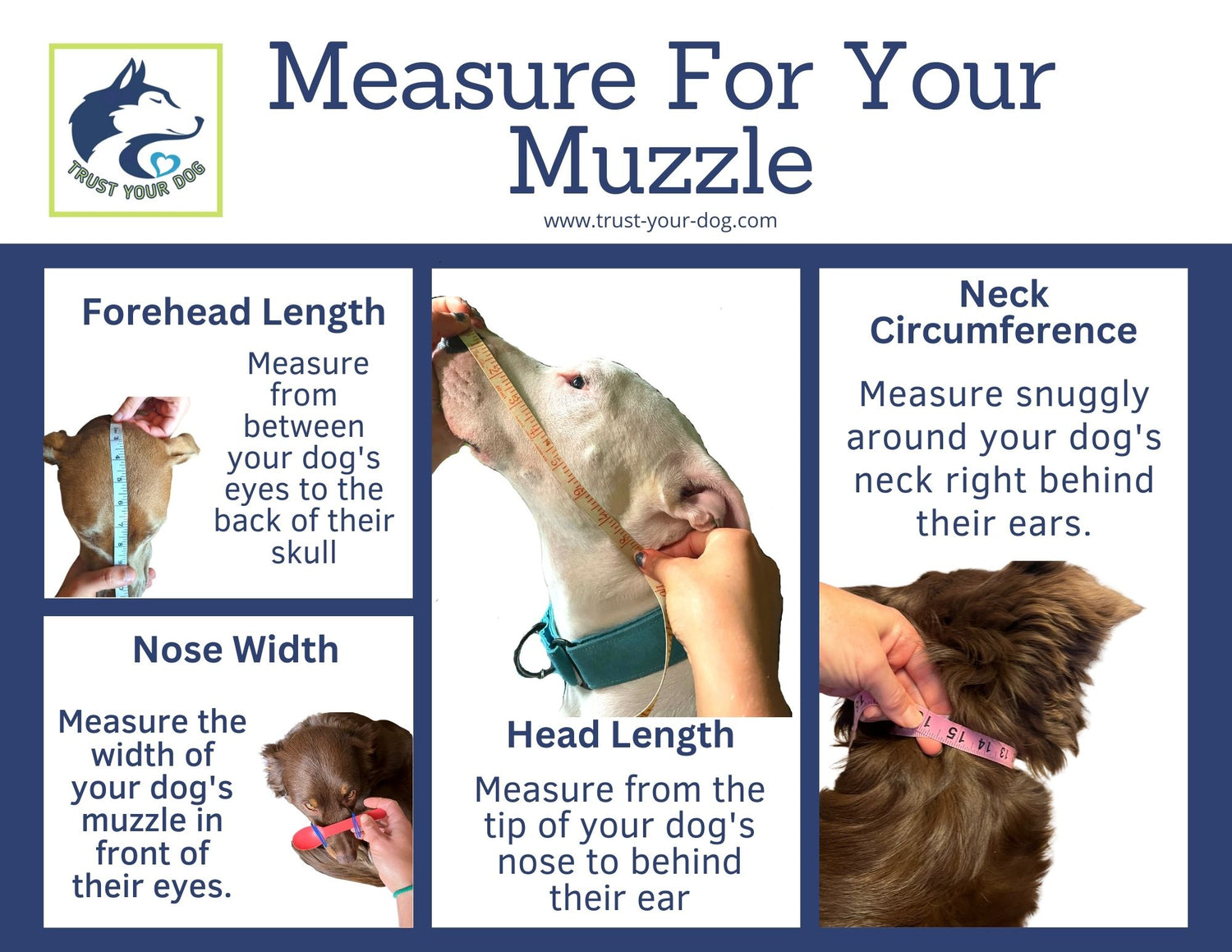
Measuring your dog for a muzzle ensures a comfortable and safe fit. Proper measurements prevent discomfort and help the muzzle work well. Three key measurements matter most: snout length, snout circumference, and neck circumference.
Snout Length
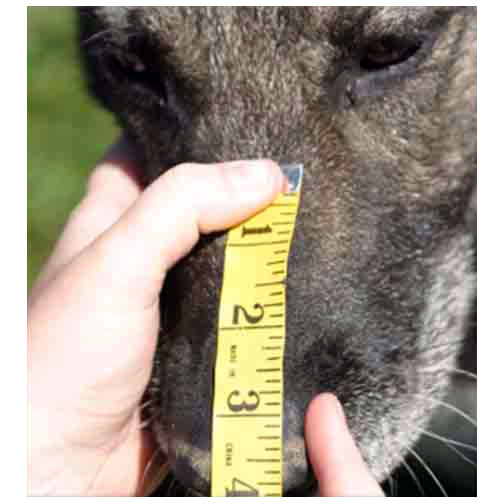
Measure from the tip of your dog’s nose to the base of the snout. The base is where the snout meets the eyes. Use a soft measuring tape for accuracy. This length shows how long the muzzle needs to be.
Snout Circumference
Wrap the tape around the widest part of your dog’s snout. Usually, this is just below the eyes. Keep the tape snug but not tight. This measurement helps choose the right width for the muzzle.
Neck Circumference
Measure around your dog’s neck, where the collar usually sits. Use a soft tape to get the exact size. This number ensures the muzzle’s strap fits well and stays secure.

Credit: www.bigsnoofdoggear.com
Step-by-step Measuring Guide
Measuring your dog for a muzzle is important to ensure comfort and safety. Follow this simple guide step-by-step. Take your time and be gentle with your dog. Accurate measurements help find the right fit.
Positioning Your Dog
Start by having your dog sit or stand calmly. Keep your dog’s head level and still. Use treats or a calm voice to hold attention. A relaxed dog makes measuring easier and safer.
Measuring Snout Length
Use a soft tape measure for accuracy. Measure from the tip of the nose to just below the eyes. This length shows how long the muzzle should be. Do not pull or stretch the tape tightly.
Measuring Snout Girth
Wrap the tape around the widest part of your dog’s snout. This is usually just below the eyes and above the nose. Keep the tape snug but not tight. This helps the muzzle fit without squeezing.
Measuring Neck Size
Measure around the middle of your dog’s neck. Place the tape where a collar usually sits. Leave a little space for comfort. This ensures the muzzle straps fit properly and stay secure.
Interpreting Measurements For Fit
Understanding how to interpret your dog’s measurements is crucial for choosing the right muzzle size. A proper fit keeps your dog safe and comfortable. Poor fit may cause discomfort or allow the dog to escape. Use the measurements carefully to find a muzzle that fits well.
Allowing Space For Comfort
Leave some space between the muzzle and your dog’s snout. The muzzle should not press tightly against the nose or mouth. Your dog needs to open its mouth slightly and pant easily. A little room helps your dog breathe and drink water. Comfort is key to keeping your dog calm while wearing the muzzle.
Avoiding Too Tight Or Loose Fits
A muzzle too tight can cause pain and injury. It may rub the skin or restrict breathing. On the other hand, a loose muzzle can slip off or allow biting. Check the straps and buckles to secure the muzzle firmly but gently. Aim for a snug fit that stays in place without squeezing.
Trying The Muzzle On
Trying the muzzle on your dog is an important step. It helps ensure the muzzle fits well and feels comfortable. This step also helps your dog get used to wearing it. The process requires patience and gentle handling. Proper fitting prevents discomfort and stress for your pet.
Initial Fitting Tips
Place the muzzle gently over your dog’s nose. Hold it calmly and speak softly. Let your dog sniff and explore the muzzle first. Avoid forcing the muzzle on quickly. Start with short fitting sessions to build trust. Reward your dog with treats to create a positive feeling.
Adjusting Straps
Check the straps for a snug fit. They should be tight enough to keep the muzzle secure. Avoid straps that are too tight and cause pain. Make sure your dog can pant and breathe easily. Adjust the straps slowly, watching your dog’s comfort. Proper adjustment prevents the muzzle from slipping off.
Observing Dog’s Reaction
Watch your dog’s behavior closely after fitting. Look for signs of stress or discomfort. Calm dogs may wag tails or relax quickly. If your dog paws at the muzzle, it may feel uneasy. Give breaks and try again with patience. Positive reactions show the muzzle fits well.
Common Mistakes To Avoid
Measuring your dog for a muzzle requires care and attention. Small mistakes can lead to discomfort or an ill-fitting muzzle. Avoid these common errors to ensure the best fit and safety for your dog.
Incorrect Measurement Points
Measuring the wrong parts of your dog’s face causes a poor fit. Always measure around the snout at its widest point. Check the length from the nose tip to just below the eyes. Avoid measuring too high or too low on the face. These errors make the muzzle too tight or loose.
Ignoring Dog’s Comfort
A muzzle should not hurt or stress your dog. Leave enough space for your dog to pant and breathe easily. Do not pick a muzzle that is too tight or heavy. Watch your dog’s reactions during fitting. Comfort ensures your dog will accept the muzzle calmly.
Choosing The Wrong Style
Different muzzles suit different dogs and purposes. Some muzzles are better for training, others for vet visits or walks. Pick a style that matches your dog’s size and behavior. Avoid muzzles that block the mouth completely if your dog needs to drink or pant. The right style helps your dog stay safe and comfortable.
Credit: trust-your-dog.com
Maintaining And Cleaning The Muzzle
Maintaining and cleaning a dog muzzle is important for your pet’s health. A clean muzzle keeps your dog comfortable and safe. Dirt, saliva, and bacteria can build up quickly. This may cause skin irritation or bad smells. Regular care helps the muzzle last longer and stay fresh.
Regular Cleaning Tips
Rinse the muzzle with warm water after each use. Use mild soap to remove dirt and saliva. Avoid harsh chemicals that can harm your dog’s skin. Let the muzzle air dry completely before the next use. Check for any damage or wear during cleaning. Replace the muzzle if you see cracks or broken parts.
Storage Recommendations
Store the muzzle in a dry, cool place. Avoid keeping it in direct sunlight or damp areas. Use a clean bag or box to protect it from dust. Keep the muzzle away from pets and small children. Proper storage helps keep the muzzle in good shape. It also prevents bacteria growth and unpleasant smells.
Credit: leerburg.com
Frequently Asked Questions
How Do You Measure A Dog’s Snout For A Muzzle?
Measure the length from the tip of the nose to just below the eyes.
What Is The Best Way To Measure Muzzle Circumference?
Use a soft tape around the widest part of the dog’s snout.
How Tight Should A Dog Muzzle Fit?
It should fit snugly but allow your dog to breathe and pant easily.
Can You Measure A Dog Muzzle Without The Dog Standing?
Yes, measure while your dog is calm and sitting for accurate size.
Why Is Measuring The Snout Length Important For Muzzles?
It ensures the muzzle is the right size for comfort and safety.
How Do I Measure My Dog’s Neck For A Muzzle Strap?
Wrap the tape measure around the neck base where the strap will sit.
Conclusion
Measuring your dog for a muzzle takes care and attention. Use a soft tape to measure the snout’s length and width. Make sure the tape fits snugly but not tight. Check the measurements twice to avoid mistakes. A properly fitted muzzle keeps your dog safe and comfortable.
It helps prevent biting without causing stress. Always choose a muzzle that matches your dog’s size. Taking the time to measure well protects your pet and others around. Simple steps lead to a better fit and happier dog.
As an Amazon Associate, I earn from qualifying purchases.