Have you ever wondered how long your dog can go without water? It’s a question every pet owner should know the answer to because water is vital for your dog’s health and happiness.
Dehydration can happen faster than you think, and the consequences can be serious. You’ll discover exactly how many days your dog can survive without water, what signs to watch for, and how to keep your furry friend safe and hydrated.
Keep reading—your dog’s well-being depends on it.
Dog Hydration Basics
Water is vital for every dog’s health. It helps keep their body working well. Dogs lose water through breathing, sweating, and going to the bathroom. Drinking enough water replaces these losses. Without enough water, dogs can get sick quickly.
Knowing how much water your dog needs is key. Different dogs need different amounts. This depends on their size and breed. Learning these basics helps you keep your dog healthy and happy.
Importance Of Water For Dogs
Water supports many body functions in dogs. It helps with digestion and nutrient absorption. Water also keeps their joints and tissues hydrated. It helps regulate body temperature. Dogs cool down mainly by panting, which uses water. Without enough water, dogs can suffer from dehydration.
Dehydration can cause serious health issues. It can lead to kidney problems and heatstroke. Early signs include dry gums and lethargy. Drinking clean, fresh water regularly prevents these problems.
Daily Water Needs By Breed And Size
Small dogs need less water than large dogs. For example, a small dog may need about 1 cup a day. A large dog might need 6 cups or more. Active dogs need more water than less active ones. Breeds with thick fur or those living in hot climates also need more water.
Watch your dog’s water intake daily. Sudden changes may signal health issues. Providing water in multiple places encourages drinking. Always keep water bowls clean and full.
Effects Of Water Deprivation
Water is vital for a dog’s survival and well-being. Without enough water, dogs suffer serious effects that worsen over time. The body needs water to regulate temperature, aid digestion, and maintain healthy organs. When water is scarce, these functions slow down or stop.
Dehydration happens fast in dogs, especially in hot weather or after exercise. It weakens the dog and can cause lasting damage. Understanding the signs of dehydration helps catch the problem early. Acting quickly can save a dog’s life.
Signs Of Dehydration In Dogs
Dry mouth and sticky gums show early dehydration. The dog may pant more and seem tired. Eyes may look sunken or dull. Skin loses its stretchiness and stays raised when pinched. Urine becomes darker and less frequent. Vomiting and diarrhea can also signal dehydration.
Health Risks From Lack Of Water
Dehydration causes low blood pressure and poor circulation. Organs such as kidneys and liver can fail. The dog may suffer seizures or collapse. Severe dehydration can lead to shock and death. Even mild dehydration slows healing and lowers immunity. Dogs must have water daily to avoid these risks.
Survival Time Without Water
Water is crucial for a dog’s survival. Without enough water, dogs can suffer quickly. The length of time a dog can live without water varies. This depends on several factors. Understanding these helps owners protect their pets better.
Typical Duration Dogs Can Survive
Most dogs can survive about three to five days without water. Some may last only two days. Others might stretch to seven days, but that is rare. The exact time depends on the dog’s health and environment. Lack of water causes dehydration, which is dangerous and fast.
Factors Influencing Survival Time
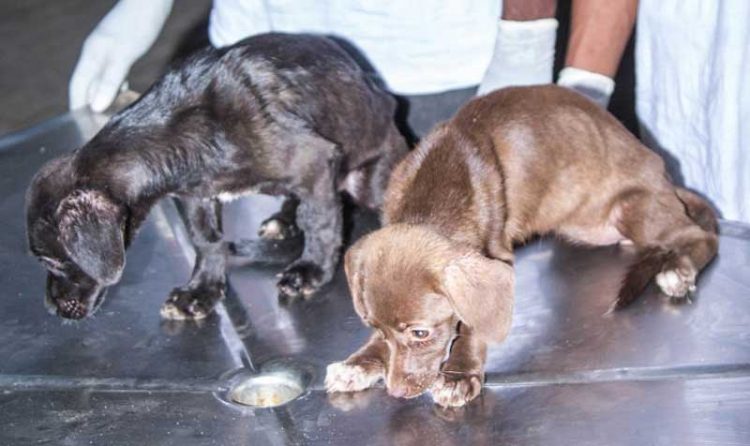
Size matters. Smaller dogs usually lose water faster than larger ones. Age plays a role too. Puppies and older dogs are more vulnerable. Weather affects survival. Hot weather speeds up dehydration. Activity level is important. Active dogs need more water and dehydrate quicker. Health conditions can reduce survival time. Dogs with illnesses or on certain medicines may struggle more.
Credit: www.odditycentral.com
Emergency Measures
Emergency measures are crucial when a dog has gone without water. Dehydration can quickly harm your dog’s health. Acting fast can save your pet’s life. Knowing how to help your dog rehydrate is important. Recognizing signs that need a vet’s attention is just as vital.
How To Rehydrate A Dehydrated Dog
Offer small amounts of water often. Let your dog lick water from your hand or a bowl. Avoid giving large water quantities at once. It may cause vomiting or choking. Use a syringe or dropper if your dog won’t drink. Add ice cubes to make drinking more appealing. Wet their gums with water to keep moist. Cool water helps your dog feel better faster. Avoid sugary drinks or milk as they can upset the stomach.
When To Seek Veterinary Help
Visit a vet if your dog cannot drink water. Signs include dry gums, sunken eyes, or weak pulse. Excessive panting and lethargy also need urgent care. Bloody vomit or diarrhea are serious symptoms. If your dog collapses, call the vet immediately. Prolonged dehydration can cause organ damage. A vet can give fluids through an IV. They can also treat any infections or complications. Do not delay professional help if dehydration worsens.
Preventing Water Deprivation
Water is vital for a dog’s health and happiness. Depriving dogs of water can cause serious problems fast. Preventing water deprivation is key to keeping dogs safe and healthy. Dog owners must provide constant access to clean water. Small steps can make a big difference in a dog’s water intake.
Safe Water Practices For Dog Owners
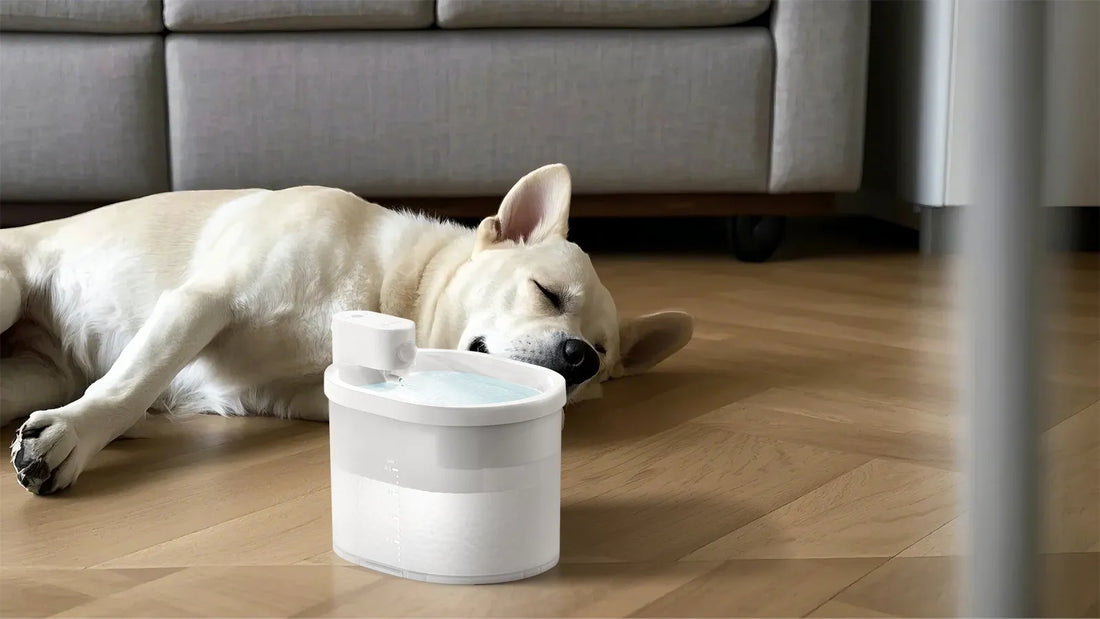
Always provide fresh, clean water for your dog. Change the water at least once a day. Use a clean bowl to avoid bacteria build-up. Keep water bowls away from direct sunlight. This stops the water from getting too warm. Ensure bowls are stable and hard to tip over. Avoid using plastic bowls if possible. They can trap bacteria and cause allergies.
Monitoring And Encouraging Water Intake
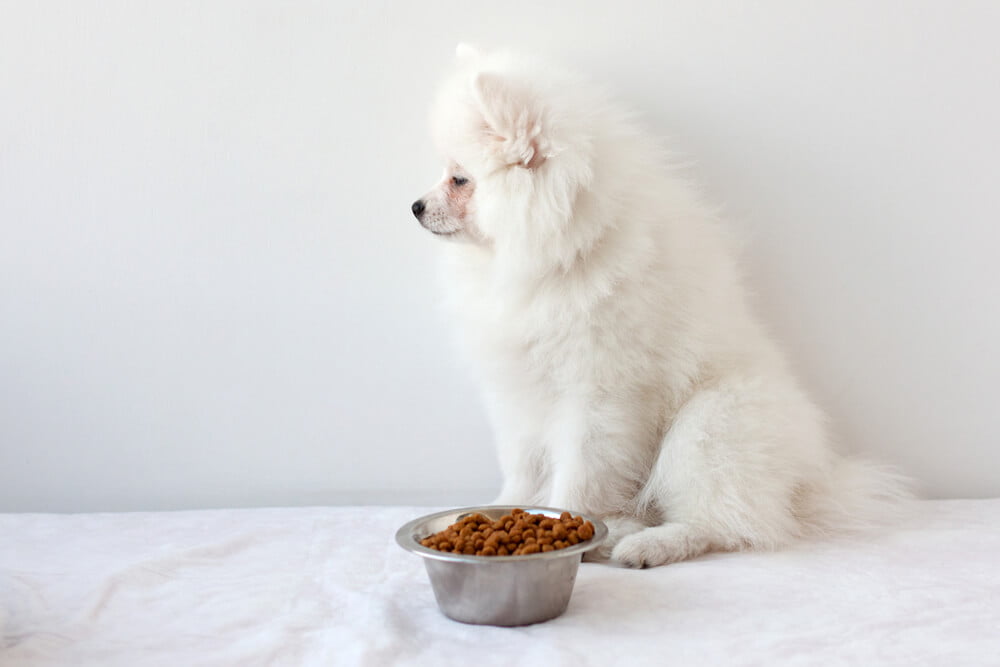
Watch your dog’s water drinking habits daily. Some dogs drink less when stressed or sick. Offer water often, especially after exercise or hot weather. Add ice cubes or a splash of low-sodium broth to the water. This makes it more appealing. Use wet food or ice treats to increase water intake. Always consult a vet if your dog drinks very little. Early action prevents dehydration and serious health issues.
Credit: www.raisedrightpets.com
Credit: www.uahpet.com
Frequently Asked Questions
How Long Can A Dog Survive Without Water?
Dogs can survive about 3 to 5 days without water, depending on health and environment.
Why Is Water Vital For A Dog’s Health?
Water helps regulate body temperature, aids digestion, and keeps organs working well.
What Signs Show A Dog Is Dehydrated?
Dry gums, sunken eyes, lethargy, and loss of skin elasticity are common signs.
Can Dogs Drink Seawater If They Are Thirsty?
No, seawater can cause dehydration and serious health problems in dogs.
How To Prevent Dehydration In Dogs During Hot Days?
Provide fresh water often and keep them in cool, shaded areas.
What Should I Do If My Dog Won’t Drink Water?
Try offering water in different bowls or add ice cubes to encourage drinking.
Conclusion
Dogs cannot survive long without water. Usually, they last about three days, but this depends on many things. Hot weather, activity level, and size all matter. Watch your dog closely for signs of thirst or dehydration. Always provide fresh water every day.
Staying hydrated keeps dogs healthy and happy. Never let your dog go thirsty. It’s a simple step that saves lives. Remember, water is as important as food for dogs. Caring for their water needs shows your love and responsibility.
As an Amazon Associate, I earn from qualifying purchases.