If you’re a dog owner, you want to make sure your furry friend stays healthy and happy. One important way to do that is by keeping an eye on your dog’s blood glucose levels.
But what exactly is normal blood glucose for a dog? Knowing this can help you spot early signs of health problems like diabetes and take action before things get serious. You’ll discover the key numbers, what they mean for your dog’s well-being, and how to keep those levels in check.
Keep reading to learn how to protect your loyal companion and ensure they live their best life.
Blood Glucose Basics
Understanding blood glucose is key to keeping your dog healthy. Blood glucose means the sugar level in the blood. It is a vital source of energy for dogs.
Keeping blood sugar in a normal range is important. Too high or too low sugar can cause health problems. Let’s explore the basics of blood glucose in dogs.
Role Of Glucose In Dogs
Glucose comes from the food dogs eat. It acts as fuel for their cells. Every cell in a dog’s body needs glucose to work well.
Glucose supports brain function, muscle movement, and organ health. Without enough glucose, dogs can feel weak or confused.
How Blood Sugar Is Regulated
The dog’s body controls blood sugar using hormones. Insulin lowers blood sugar by helping cells absorb glucose.
Another hormone, glucagon, raises blood sugar when it gets too low. This balance keeps blood sugar steady and safe.
Proper regulation prevents issues like diabetes or hypoglycemia. Healthy dogs keep their blood sugar in a narrow range.
Normal Blood Glucose Levels
Normal blood glucose levels are crucial for a dog’s health. Blood glucose means the amount of sugar in the blood. This sugar is the main energy source for the body. Keeping blood glucose within the right range helps dogs stay active and healthy. Vets use these levels to check for diseases like diabetes.
Typical Range For Healthy Dogs
Healthy dogs usually have blood glucose between 70 and 120 mg/dL. This range can vary slightly based on the testing method. Levels below 70 mg/dL may cause weakness or seizures. Levels above 120 mg/dL can signal health problems. Regular testing helps catch any unusual changes early.
Factors Influencing Blood Sugar Levels
Many things affect a dog’s blood sugar. Stress or excitement can raise levels temporarily. Feeding times and diet also change glucose levels. Exercise lowers blood sugar by using more energy. Illness and medications can alter these numbers too. Understanding these factors helps keep dogs safe.
Signs Of Abnormal Blood Sugar
Dogs need the right blood sugar level to stay healthy. Abnormal blood sugar can cause serious problems. Watch your dog closely for unusual signs. Early detection helps prevent severe health issues.
Symptoms Of Low Blood Glucose
Low blood sugar, or hypoglycemia, can make dogs weak. They may shake or tremble without reason. Sudden tiredness or lack of energy is common. Dogs might act confused or disoriented. Some dogs drool more or seem hungry all the time. Seizures can happen if low sugar is severe. Immediate care is important to help your dog.
Symptoms Of High Blood Glucose
High blood sugar, or hyperglycemia, also causes health problems. Excessive thirst and frequent urination are clear signs. Dogs may lose weight even if they eat well. Weakness and tiredness can appear slowly. Sometimes, breath may smell fruity or sweet. Vision problems and unsteady walking may occur. Seek veterinary advice for proper treatment.
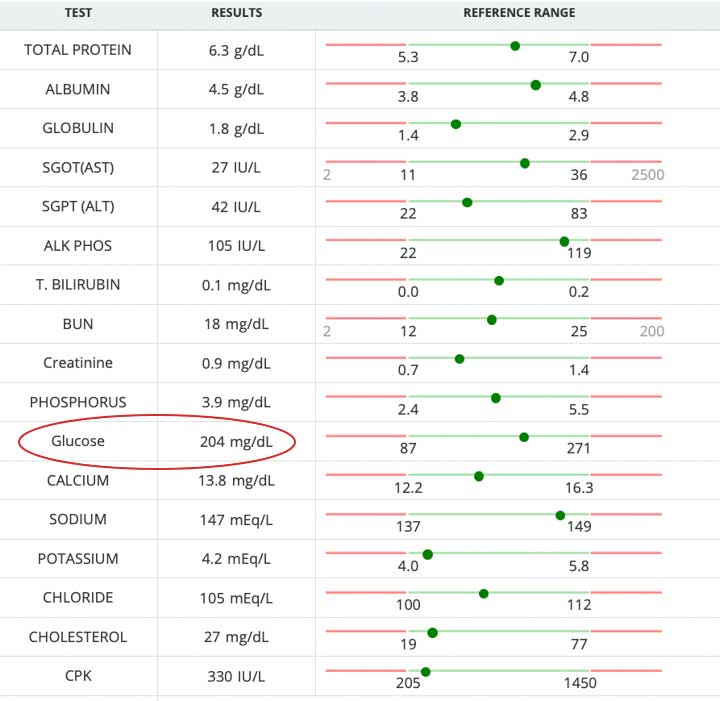
Credit: wilsonhand.com
Testing Blood Glucose In Dogs
Testing blood glucose in dogs helps monitor their health closely. It shows if their blood sugar levels stay in a safe range. This is very important for dogs with diabetes. Regular testing can catch problems early. It helps vets adjust treatments and keep dogs healthy.
Methods To Check Blood Sugar
There are several ways to test your dog’s blood sugar. The most common method uses a small blood sample. This sample usually comes from the dog’s ear or paw pad. A glucometer, a small device, reads the blood sugar level quickly.
Another method is a lab blood test done by a vet. This test gives a detailed view of your dog’s sugar levels. Some vets use continuous glucose monitors for close tracking. These devices stick to the dog’s skin and check levels all day.
When To Test Your Dog
Testing often depends on your dog’s health needs. Dogs with diabetes need regular checks every day or week. Your vet will guide you on the best times to test. Testing before meals and at bedtime is common.
Also, test when your dog shows signs like tiredness or increased thirst. These can mean blood sugar problems. Regular tests help catch issues before they get serious.
Managing Blood Sugar Issues
Managing blood sugar issues in dogs is important for their health. Blood glucose levels that are too high or too low can cause serious problems. Careful management helps keep your dog active and happy. Understanding how to control blood sugar is key to preventing complications.
Dietary Adjustments
Food plays a big role in controlling blood sugar. Feeding your dog a balanced diet helps keep levels steady. Choose foods with low sugar and high fiber. Small, frequent meals prevent sudden spikes or drops. Avoid treats with too many carbs or sugar. Consult your vet for the best diet plan. Fresh water should always be available for your dog.
Medication And Treatment Options
Sometimes diet alone is not enough. Your vet may prescribe insulin or other medicines. These help regulate blood sugar levels effectively. Regular vet visits ensure the treatment is working well. Monitoring your dog’s blood sugar at home helps adjust doses. Watch for signs of low or high sugar. Early action can prevent serious health problems.

Credit: todaysveterinarypractice.com
Preventing Blood Sugar Problems
Preventing blood sugar problems in dogs helps keep them healthy and happy. Blood sugar issues can cause serious health risks. Taking simple steps can reduce these risks and improve your dog’s life quality.
Healthy Lifestyle Tips
Feed your dog a balanced diet with proper nutrients. Avoid giving too many treats or table scraps. Keep your dog active with regular walks and playtime. Exercise helps control blood sugar levels naturally. Maintain a healthy weight for your dog to prevent diabetes.
Regular Vet Checkups
Schedule routine vet visits to monitor your dog’s health. Vets can check blood glucose levels and catch problems early. Early detection makes treatment easier and more effective. Follow your vet’s advice on diet and exercise. Regular checkups help keep blood sugar in a safe range.

Credit: ketonaturalpetfoods.com
Frequently Asked Questions
What Is The Normal Blood Glucose Range For Dogs?
A healthy dog’s blood glucose usually ranges from 75 to 120 mg/dL.
How Does Blood Glucose Affect A Dog’s Health?
Blood glucose provides energy; too low or high levels can cause health problems.
What Causes High Blood Glucose In Dogs?
High blood glucose often comes from diabetes, stress, or certain illnesses.
How Can I Check My Dog’s Blood Glucose At Home?
Home glucose meters made for pets help monitor your dog’s blood sugar easily.
What Symptoms Show If A Dog Has Abnormal Blood Glucose?
Signs include excessive thirst, frequent urination, weight loss, and tiredness.
When Should I See A Vet About My Dog’s Glucose Levels?
Visit a vet if your dog shows symptoms or has blood sugar outside normal range.
Conclusion
Knowing your dog’s normal blood glucose helps spot health issues early. Regular checks keep your pet safe and happy. Watch for signs like unusual thirst or tiredness. Talk to your vet for advice and proper care. Keeping glucose levels steady supports your dog’s long life.
Small steps make a big difference in pet health. Stay informed and attentive to your dog’s needs. Healthy habits protect your furry friend every day.
As an Amazon Associate, I earn from qualifying purchases.