Is your beautiful lawn turning into a patchy mess because of dog urine spots? You’re not alone.
Many pet owners struggle with those stubborn yellow or brown patches that spoil their yard’s look. But don’t worry—fixing your lawn is easier than you think. You’ll discover simple and effective ways to restore your grass and keep it healthy.
Keep reading, and you’ll soon enjoy a lush, green lawn your dog—and you—will love.
Causes Of Dog Urine Spots
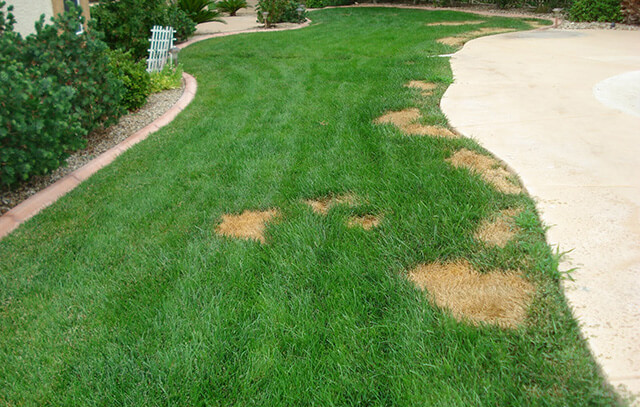
Dog urine spots on the lawn are a common problem for pet owners. These spots appear as yellow or brown patches that damage the grass. Understanding the causes helps to fix and prevent these stains. The main cause is the chemical content of the urine and how it affects the grass.
Why Urine Damages Grass
Dog urine contains high levels of nitrogen. Nitrogen is good for plants in small amounts. Too much nitrogen burns the grass, causing brown spots. The urine also has salts and acids. These can dry out the grass and soil. The grass dies because it cannot take in enough water or nutrients.
Factors Affecting Spot Severity
The size of the dog affects how strong the urine is. Bigger dogs produce more urine with more nitrogen. The dog’s diet changes the urine’s chemical balance. Some foods increase the nitrogen and acid levels. The lawn type also matters. Some grasses are more sensitive to urine damage. The soil condition can either reduce or increase the damage. Dry soil makes it harder for grass to recover.
Credit: www.ecogreen.ca
Immediate Actions After Spotting
Spots from dog urine can damage your lawn quickly. Taking action right after spotting the stain helps protect your grass. Acting fast stops the urine from soaking deep into the soil. It also reduces the chance of brown or dead patches forming.
Flushing The Area With Water
Pour clean water on the spot as soon as you see it. Use a hose or a watering can for this task. Water helps dilute the urine and lowers its concentration. This stops the harmful chemicals from burning the grass. Make sure to apply enough water to soak the soil.
Flush the area for at least one to two minutes. This helps wash away most of the urine below the surface. Avoid letting the water pool or create mud.
Avoiding Further Damage
Keep your dog off the treated spot for a few days. This gives the grass time to recover. Try to train your dog to use a specific area for bathroom breaks. Use barriers or signs to protect the healed spots.
Limit heavy foot traffic on the lawn after cleaning. Walk gently around the treated areas to avoid soil compaction. Healthy soil helps grass regrow faster and stronger. These steps prevent more urine damage and keep your lawn green.
Diy Repair Methods
Fixing dog urine spots on your lawn yourself saves money and works well. You can use simple tools and natural ingredients. These methods help your grass grow back healthy and green. Start small and be patient. Repair takes time but results are worth it.
Using Lawn Repair Kits
Lawn repair kits are easy to find in stores or online. They include seeds, fertilizer, and soil to fix dead spots. Follow the instructions carefully. First, remove dead grass and loosen the soil. Then, spread the mix evenly over the bare patch. Water the area daily to keep it moist. Watch new grass grow in two to three weeks.
Natural Remedies For Spot Treatment
Natural options help neutralize urine damage without chemicals. Baking soda is a great choice. Sprinkle a small amount on the spot to reduce acidity. Water the area well after applying. Another remedy is diluted vinegar. Mix one part vinegar with three parts water. Spray the solution on the damaged spot to balance soil pH. These remedies protect your lawn while healing it.
Reseeding And Soil Preparation
Reseeding is a key step to restore your lawn’s green color. Start by removing dead grass and loosening the soil. Add fresh topsoil or compost to improve growth. Spread grass seed evenly over the patch. Lightly press the seeds into the soil. Keep the area moist by watering daily. Avoid walking on the spot until grass grows strong. This method brings life back to tired, damaged lawn areas.
Preventing Future Spots
Stopping dog urine spots from coming back takes some effort. You must train your dog and set clear rules. Also, changing where your dog goes and what it eats helps protect your lawn. These steps keep your grass green and healthy.
Training Your Dog
Teach your dog to go potty outside only. Use a consistent command for bathroom breaks. Praise your dog when it goes in the right place. This helps your dog learn faster. Avoid punishment, as it can cause fear. Patience and routine work best for training.
Creating Designated Potty Areas
Pick one spot for your dog to pee. Make this area easy to clean and maintain. Use gravel or mulch to protect the grass. Lead your dog to this spot every time. Your dog will get used to this special place. This keeps urine damage limited to one area.
Diet Adjustments To Reduce Damage
Some foods can change your dog’s urine. Talk to a vet about diet options. Adding water to food can dilute urine. This makes it less harsh on grass. Healthy food and water help your dog and lawn. Small changes can protect your yard from spots.
Lawn Care Tips For Recovery
Recovering your lawn from dog urine spots takes care and patience. Following proper lawn care tips helps your grass heal faster and grow stronger. Focus on watering, fertilizing, and mowing to support healthy grass growth. These steps reduce damage and restore your lawn’s green beauty.
Proper Watering Techniques
Water the affected areas deeply but less often. This encourages roots to grow deeper. Early morning watering reduces evaporation. Avoid watering late in the day to prevent disease. Keep the soil moist but not soggy. Overwatering can harm the grass and soil.
Fertilizing For Healthy Grass
Use a balanced fertilizer to nourish your lawn. Apply fertilizer after watering for better absorption. Choose a formula with nitrogen, phosphorus, and potassium. These nutrients help repair and strengthen grass blades. Avoid over-fertilizing, which can cause more harm than good. Fertilize during the growing season for best results.
Mowing Practices To Promote Growth
Keep your grass at the right height, about 2.5 to 3 inches. Cutting too short stresses the grass. Use sharp mower blades for clean cuts. Mowing regularly encourages thick, healthy growth. Leave grass clippings on the lawn to return nutrients to the soil. Avoid mowing wet grass to prevent damage.
Choosing Resistant Grass Types
Choosing grass types that resist dog urine damage helps keep your lawn green and healthy. Some grasses handle the nitrogen and salts in dog urine better. These grasses recover faster and show fewer brown spots. Picking the right grass reduces lawn repair work. It saves money and time.
Best Grass Varieties For Pet Owners
Fescue grass is tough and grows well in many climates. It has deep roots that absorb urine quickly. Kentucky bluegrass recovers fast from damage and stays green longer. Bermuda grass thrives in warm areas and resists wear from pets. Perennial ryegrass grows quickly and fills bare spots fast. These types handle pet urine better than others.
Benefits Of Durable Turf
Durable turf stays green and looks good despite pet accidents. It reduces the need for constant reseeding and watering. Strong grass saves effort in lawn care and repairs. It creates a soft and safe play area for your dog. A healthy lawn adds value to your home and outdoor space.
When To Seek Professional Help
Knowing when to seek professional help can save your lawn from lasting damage. Some dog urine spots are easy to fix. Others need expert care to restore the grass properly. Recognizing signs of severe damage helps you decide the right time to call a pro.
Signs Of Severe Lawn Damage
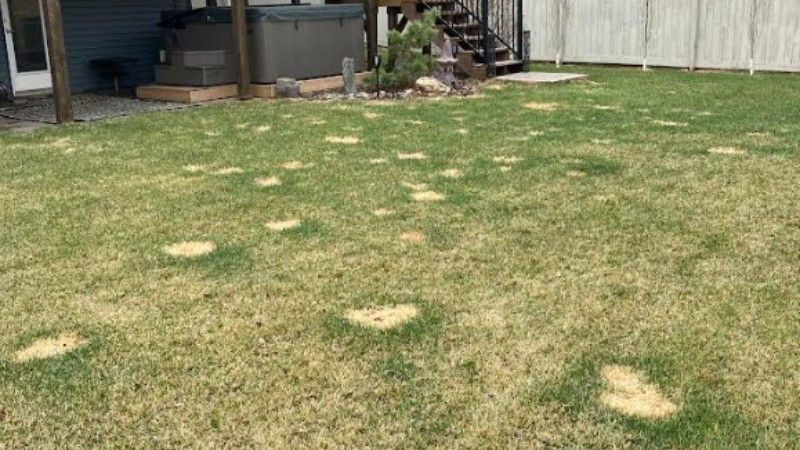
Large patches of dead grass that don’t grow back signal serious damage. Brown or yellow spots spreading quickly show the problem is worsening. The soil may look dry or cracked in affected areas. If you see these signs, your lawn needs more than home treatment. Quick action prevents permanent damage.
Hiring Lawn Care Experts
Experts know how to treat dog urine spots safely and effectively. They use special fertilizers and soil treatments to restore the grass. Professionals can assess soil health and suggest the best repair methods. Hiring them saves time and effort. They bring tools and knowledge that improve lawn recovery.
Credit: www.greendrop.com

Credit: www.youtube.com
Frequently Asked Questions
How Do Dog Urine Spots Damage My Lawn?
Dog urine contains nitrogen and salts that burn grass, causing yellow or brown patches.
What Is The Fastest Way To Fix Urine Spots On Grass?
Water the spot quickly to dilute urine and help grass recover faster.
Can I Prevent Dog Urine Spots In My Yard?
Yes, training your dog and using designated potty areas helps reduce spots.
Which Grass Types Resist Dog Urine Damage Best?
Fescue and ryegrass are more tolerant to dog urine than other grass types.
How Often Should I Water Urine Spots To Heal Them?
Water daily for a week to flush out salts and support grass regrowth.
Are Homemade Remedies Effective For Fixing Urine Spots?
Simple solutions like baking soda or vinegar help neutralize urine and improve soil.
Conclusion
Fixing dog urine spots takes patience and simple steps. Water the area quickly to dilute urine. Use lawn repair products to help grass grow back. Avoid letting your dog urinate in the same spot. Keep your lawn healthy with regular watering and fertilizing.
Small efforts make your lawn look fresh and green again. Your dog can enjoy the yard, and you can enjoy a nice lawn. Simple care keeps your grass strong and beautiful. Try these tips to keep your lawn spot-free.
As an Amazon Associate, I earn from qualifying purchases.