Have you ever noticed a strange bump or redness on your dog’s skin and wondered, “Could this be a spider bite?” Knowing what a spider bite looks like on your dog is important. It helps you act quickly and keep your furry friend safe.
You’ll learn the signs to watch for and what you should do if you suspect a spider bite. Keep reading—your dog’s health might depend on it.

Credit: naturaldog.com
Common Spider Bites On Dogs
Spider bites on dogs can vary in appearance and severity. Many bites cause mild irritation, while some may lead to serious health problems. Knowing common spider bites helps dog owners recognize symptoms early. This can prevent complications and ensure timely treatment.
Types Of Spiders That Bite Dogs
Some spiders are more likely to bite dogs. Black widow spiders have shiny black bodies and red markings. Their bites cause muscle pain and weakness. Brown recluse spiders are brown with a violin shape on their back. Their bites often cause skin ulcers and swelling. Wolf spiders bite in self-defense and cause mild pain. Hobo spiders may cause redness and itching at the bite site.
Typical Bite Locations
Spider bites on dogs usually happen on the face, ears, or paws. Dogs explore with their noses and paws, increasing bite risk. Bites on the legs or belly can also happen. These areas have thinner skin, making bites easier. Watch these spots closely if you suspect a spider bite.
Visual Signs Of Spider Bites
Spider bites on dogs show clear visual signs. These signs help pet owners notice a problem early. Watching your dog closely after a spider bite can prevent serious issues. The skin around the bite changes in a few typical ways. These changes include redness, swelling, and sometimes blisters. Recognizing these signs fast lets you get proper care for your dog.
Redness And Swelling
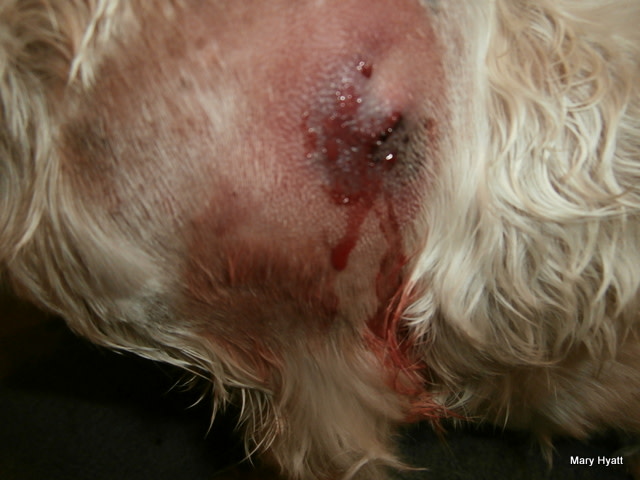
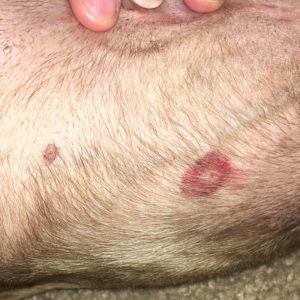
The first sign of a spider bite is often redness. The skin near the bite looks red and irritated. Swelling usually follows the redness. The area may feel warm and puffy. Swelling can grow larger in a few hours. Check your dog’s skin for raised, red patches. These areas show your dog’s body is reacting to the bite.
Bite Mark Appearance
Spider bites often leave a small, visible mark. The bite spot can look like a tiny puncture or hole. Sometimes the center of the bite is darker than the skin around it. The bite area might have a small crust or scab. This mark helps identify the exact bite location. It also shows where to apply any treatment.
Blister Formation
Some spider bites cause blisters to form on the skin. These blisters look like small bubbles filled with fluid. They can be clear or cloudy in color. Blisters may burst and leave a sore spot. Watch for any blister growth near the bite area. Blisters often signal the body’s strong reaction to venom.
Behavioral Changes After A Bite
Behavioral changes in dogs after a spider bite can be clear signs of distress. These changes often show before physical symptoms become obvious. Watching your dog’s behavior closely helps catch problems early. Dogs may act differently due to pain or irritation from the bite.
Lethargy And Weakness
A common sign is lethargy. Your dog might sleep more than usual. Weakness can make walking or standing hard. This drop in energy is a sign the body is fighting toxins. Immediate rest and limited activity are often seen.
Excessive Scratching Or Licking
Dogs often scratch or lick the bite area a lot. This behavior shows irritation or pain. It may cause redness or swelling to worsen. Over-licking can lead to infection. Watch for constant biting or chewing at one spot.
Restlessness Or Agitation
Restlessness is another sign of discomfort. Your dog may pace or whine more than usual. Some dogs become nervous or uneasy. This shows they are not feeling well. Changes in normal calm behavior should alert owners.
Severe Symptoms To Watch For
Severe symptoms from a spider bite can be serious for dogs. These signs mean the bite affects more than just the skin. Watch for changes in your dog’s behavior and health. Immediate care might be necessary to prevent worse problems.
Difficulty Breathing
Breathing problems are a critical sign. Your dog might breathe fast or struggle to get air. The chest may look tight or move oddly. This symptom shows the spider venom impacts the lungs or airways. Seek help from a vet right away.
Muscle Tremors And Seizures
Muscle shaking or full-body seizures are dangerous signs. The venom can affect the nervous system. Your dog may twitch, shake, or lose control of muscles. Seizures can last seconds or minutes. Immediate veterinary care is crucial in this situation.
Fever And Vomiting
High fever and vomiting signal a strong reaction to the bite. The dog’s body fights the venom, causing these symptoms. Vomiting can lead to dehydration and weakness. Check your dog’s temperature and watch for repeated vomiting. Quick medical attention is important to help recovery.
First Aid Steps For Spider Bites
Spider bites can be scary for any dog owner. Acting fast helps reduce pain and problems. Knowing the right first aid steps protects your dog’s health. Follow these simple actions to care for a spider bite at home.
Cleaning The Bite Area
Start by gently cleaning the bite. Use mild soap and warm water. This removes dirt and germs. Avoid scrubbing hard. Pat the area dry with a clean cloth. Clean skin helps stop infection.
Applying Cold Compress
Place a cold compress on the bite. Use a cloth wrapped around ice or frozen peas. Apply for 10 minutes at a time. Cold helps reduce swelling and pain. Do not put ice directly on the skin.
Monitoring Your Dog’s Condition
Watch your dog closely after the bite. Look for swelling, redness, or pain. Notice if your dog acts weak or sleepy. Check for vomiting or trouble breathing. Call a vet if symptoms get worse or new ones appear.
Credit: pethelpful.com
When To See A Vet
Spider bites can be tricky. Some may cause mild irritation, while others might lead to serious health issues. Knowing when to see a vet helps protect your dog’s health. Watch your dog closely after a bite. Early care can prevent bigger problems.
Signs Of Allergic Reactions
Swelling beyond the bite site is a red flag. Your dog may have trouble breathing or show unusual weakness. Excessive drooling or vomiting also signals trouble. These signs mean an allergic reaction. Immediate vet care is crucial.
Bite Worsening Over Time
The bite should start healing within a few days. If redness, pain, or swelling grows, see a vet. Pus or unusual discharge means infection. A growing sore needs professional treatment fast. Do not ignore worsening symptoms.
Emergency Treatment Options
Severe spider bites require quick action. The vet may give pain relief or antibiotics. Antivenom might be needed for some spider types. Oxygen therapy helps if breathing is hard. Emergency care can save your dog’s life.
Preventing Spider Bites In Dogs
Preventing spider bites in dogs helps keep pets safe and healthy. Taking simple steps reduces the chance of bites. Owners must stay alert and create a safe environment. This section shares practical tips for protection.
Keeping Your Yard Safe
Clear away wood piles, leaves, and tall grass. These places attract spiders and other bugs. Use insect repellents that are safe for pets. Check fences and gates for gaps where spiders enter. Regular yard cleaning lowers spider populations near dogs.
Avoiding High-risk Areas
Keep dogs away from dark, damp spots outside. Basements, sheds, and garages often hide spiders. Watch your dog during walks in wooded areas. Avoid letting dogs explore under rocks or logs. Staying clear from these places reduces bite risks.
Regular Grooming And Inspection
Brush your dog’s fur often to spot spiders early. Check paws, ears, and under the tail carefully. Look for signs like redness, swelling, or small bite marks. Early detection can prevent serious problems. Grooming also keeps your dog clean and comfortable.
Credit: naturaldog.com
Frequently Asked Questions
What Are Common Signs Of A Spider Bite On A Dog?
Redness, swelling, pain, and small blisters usually show up at the bite site on dogs.
How Soon Do Symptoms Appear After A Dog Is Bitten?
Symptoms often appear within hours but can sometimes take up to a day.
Can Spider Bites Cause Serious Health Issues In Dogs?
Some bites may cause allergic reactions or infections needing vet care.
How To Differentiate A Spider Bite From Other Insect Bites?
Spider bites often cause more swelling, pain, and sometimes a small wound.
What Should I Do If I Suspect A Spider Bite On My Dog?
Clean the area gently and contact a vet for proper treatment advice.
Can Spider Bites On Dogs Heal Without Medical Treatment?
Minor bites may heal alone, but vet help is best to avoid complications.
Conclusion
Spider bites on dogs can look different but often cause redness and swelling. Watch for pain, itching, or small bumps on your pet’s skin. Some bites may lead to more serious symptoms like fever or weakness. Quick action helps your dog heal faster and feel better.
Always check your dog after outdoor play. If you notice unusual signs, contact your vet right away. Keeping your dog safe from spiders protects their health and happiness. Stay alert and care for your furry friend carefully.
As an Amazon Associate, I earn from qualifying purchases.