Thinking about adding a wolf dog to your family? You’re probably wondering, “How much does a wolf dog cost?” It’s a big question because these unique animals aren’t your typical pets.
Knowing the cost upfront can save you surprises and help you prepare for what’s ahead. You’ll discover the real price of owning a wolf dog, including the initial cost and ongoing expenses. By the end, you’ll have a clear picture of what it takes to bring one of these fascinating creatures into your life.
Keep reading to make the best decision for you and your future companion.
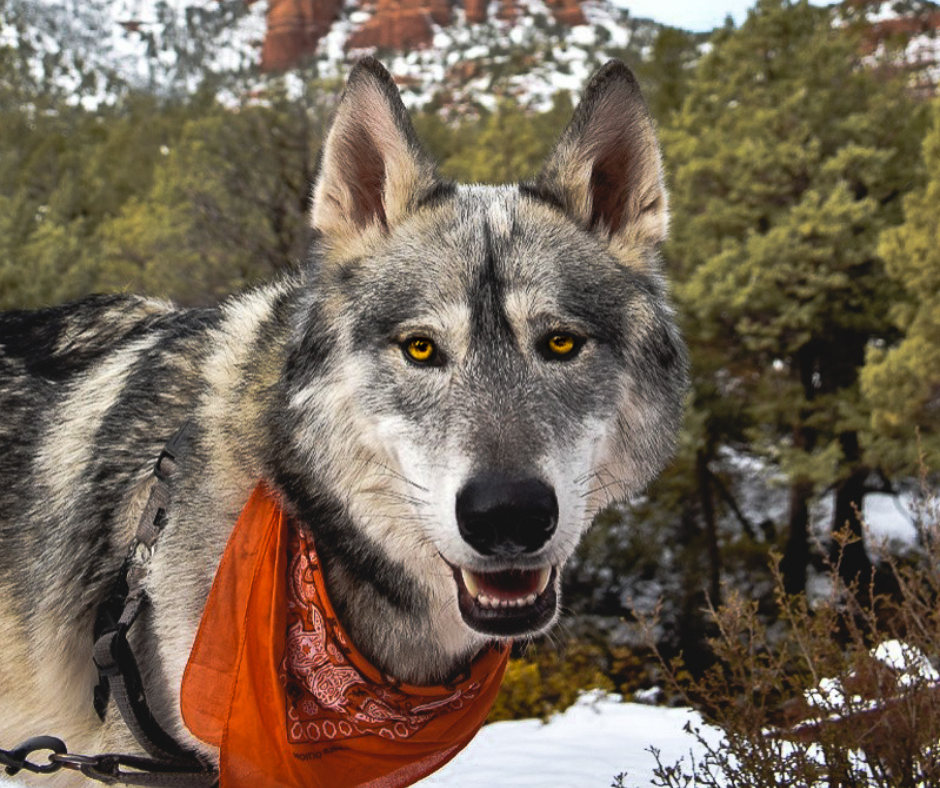
Credit: livingtinywithawolf.com
Wolf Dog Price Range
Wolf dogs are unique pets. Their price can vary widely. Understanding the price range helps buyers prepare better. Several factors influence how much a wolf dog costs. Knowing these details makes choosing easier and clearer.
Factors Affecting Cost
Age plays a big role in the price. Puppies usually cost more than older dogs. The dog’s lineage matters too. Dogs from well-known bloodlines often have higher prices. Health and temperament tests add to the cost. Also, location influences prices. Some areas have higher demand or fewer breeders.
Price Differences By Breed
Different wolf dog breeds have different price tags. Alaskan Malamute crosses often cost less. Saarloos Wolfdogs tend to be pricier. Czechoslovakian Wolfdogs fall in the middle range. Each breed has unique traits affecting its value. Breed popularity also shifts prices up or down.
Costs Of Pure Wolf Dogs Vs Hybrids
Pure wolf dogs are usually the most expensive. They require special care and permits. Hybrids cost less but vary widely. The wolf content percentage changes the price. Higher wolf content often means higher cost. Pure wolves may need more legal paperwork. Hybrids are easier to own but still need care.
Initial Expenses
Getting a wolf dog means some upfront costs. These initial expenses cover more than just the price of the animal. They include supplies and health checks. Knowing these costs helps prepare your budget well.
Adoption Vs Buying
Adopting a wolf dog usually costs less than buying one. Adoption fees often range from $100 to $500. Buying from a breeder can cost between $1,000 and $3,000. Prices depend on the dog’s lineage and age. Adoption may also include some vet care costs. Buying might require extra payments for paperwork and breeding guarantees.
Necessary Supplies
Wolf dogs need special supplies. A strong leash and collar are must-haves. Expect to pay about $50 to $150 for these. You also need a large, secure crate or kennel. This can cost $100 to $300. Food bowls, toys, and bedding add another $50 to $100. These items help keep your wolf dog safe and comfortable.
Veterinary Costs At Purchase
Health checks are important when getting a wolf dog. Initial vet visits cost around $100 to $300. Vaccinations and parasite treatments add to this amount. You may need blood tests or microchipping, costing $50 to $150. These expenses ensure your wolf dog starts healthy. Budgeting for vet costs avoids surprises later.
Ongoing Care Costs
Owning a wolf dog is a big responsibility. The initial price is only part of the cost. Ongoing care costs can add up quickly. These include food, vet visits, and training needs. Understanding these expenses helps you prepare better for your pet’s lifetime.
Food And Nutrition
Wolf dogs need a special diet. They require high-quality protein to stay healthy. Their food costs more than regular dog food. Fresh meat, raw diets, or premium kibble are common. Feeding a wolf dog can cost $50 to $100 per month. Proper nutrition supports their energy and overall health.
Regular Vet Visits
Regular vet visits keep your wolf dog healthy. Vaccinations, check-ups, and parasite control are necessary. Wolf dogs may need special care due to their unique genetics. Vet costs can range from $200 to $500 yearly. Emergency visits or health issues increase these expenses. Budgeting for vet care is essential.
Training And Socialization
Training is crucial for wolf dogs. They have strong instincts and need guidance. Professional trainers familiar with wolf dogs are best. Training sessions may cost $30 to $80 each. Socialization helps prevent behavior problems. Early and ongoing training ensures a well-adjusted pet. This cost is vital for your safety and the dog’s.
Housing And Environment Needs
Wolf dogs need special care in their housing and environment. Their wild traits affect how they live and feel safe. Owners must plan space and safety to keep them happy. Below are key points to consider for their housing needs.
Suitable Living Space
Wolf dogs need large areas to move freely. Small apartments or tight spaces cause stress. A big yard or open land works best. They enjoy running and exploring. Space helps them stay healthy and calm.
Fencing And Safety
Strong fences are a must for wolf dogs. They can jump or dig to escape. Fences should be high and secure from bottom to top. Electric wires or buried barriers add safety. This protects them and keeps neighbors safe.
Climate Considerations
Wolf dogs adapt to cold better than heat. They have thick fur for winter weather. In hot climates, shade and water are crucial. Avoid leaving them in the sun too long. Proper shelter keeps them comfortable year-round.
Legal And Licensing Fees
Owning a wolf dog involves more than just the purchase price. Legal and licensing fees are important costs to consider. These fees vary widely depending on your location. Understanding these costs helps avoid fines and legal trouble. It also ensures your wolf dog stays safe and secure.
Local Laws And Restrictions
Many places have strict rules about owning wolf dogs. Some cities or states ban them completely. Others require special permits or limit the number you can own. Check local laws before buying a wolf dog. Violating these rules can lead to heavy fines or animal confiscation.
Permits And Documentation
Permits often cost money and need regular renewal. You may need to show proof of proper housing and care. Documentation can include health records and proof of vaccination. Keep all paperwork up-to-date to avoid legal issues. Some areas require inspections before issuing permits.
Liability Insurance
Liability insurance protects you against damage or injury caused by your wolf dog. This insurance can be costly but is often required by law. It covers medical bills or property damage if your pet causes harm. Check with insurance providers to find the best coverage. Having insurance helps you stay responsible and prepared.
Behavior And Temperament
Wolf dogs have unique behavior and temperament traits. They blend wild wolf instincts with domestic dog traits. This mix creates a special personality that needs careful understanding. Their behavior can be unpredictable and sometimes challenging. Knowing their nature helps owners provide the right care and environment.
Challenges Of Wolf Dog Ownership
Wolf dogs can be very strong-willed and independent. They may not obey like regular dogs. Their wild side can show in sudden mood changes. These pets need constant supervision to avoid trouble. They might escape fences or react aggressively. Owners must be patient and ready for hard work.
Social Needs And Exercise
Wolf dogs require lots of exercise daily. Without enough activity, they become restless and destructive. They enjoy running, hiking, and exploring nature. Social interaction is also important for them. They need to meet other dogs and people carefully. Proper socializing reduces fear and aggression.
Training Tips
Training a wolf dog takes time and consistency. Use clear, simple commands and repeat them often. Avoid harsh punishments; they can cause fear or aggression. Positive reinforcement works best with these animals. Early training helps control their wild instincts. Start socializing puppies as soon as possible.
Rescue And Adoption Options
Choosing a wolf dog through rescue or adoption can be a rewarding path. Many wolf dogs need loving homes. Adopting helps save lives and reduces demand for breeders. It offers a more affordable way to own a wolf dog. Understanding rescue options is important before deciding.
Finding Reputable Rescues
Start by searching for wolf dog rescues with good reputations. Look for organizations that specialize in wolf dog care. Check reviews and ask for references. Visit their facilities if possible. Reputable rescues evaluate each dog’s needs carefully. They ensure the right match between dog and owner. Trustworthy rescues provide support after adoption.
Costs Associated With Rescue
Adoption fees vary but are usually lower than buying from breeders. Fees cover medical care, vaccinations, and spaying or neutering. Some rescues include training or behavior assessments. Expect to pay between $200 and $600. Additional costs may come from travel or paperwork. Budget for ongoing care like food and vet visits.
Benefits Of Adoption
Adopting saves a wolf dog from uncertain futures. Rescued dogs often have basic training or socialization. You gain guidance from rescue experts. Adoption supports animal welfare and reduces puppy mills. Many adopters feel a strong bond with their rescued dog. The joy of giving a second chance is priceless.
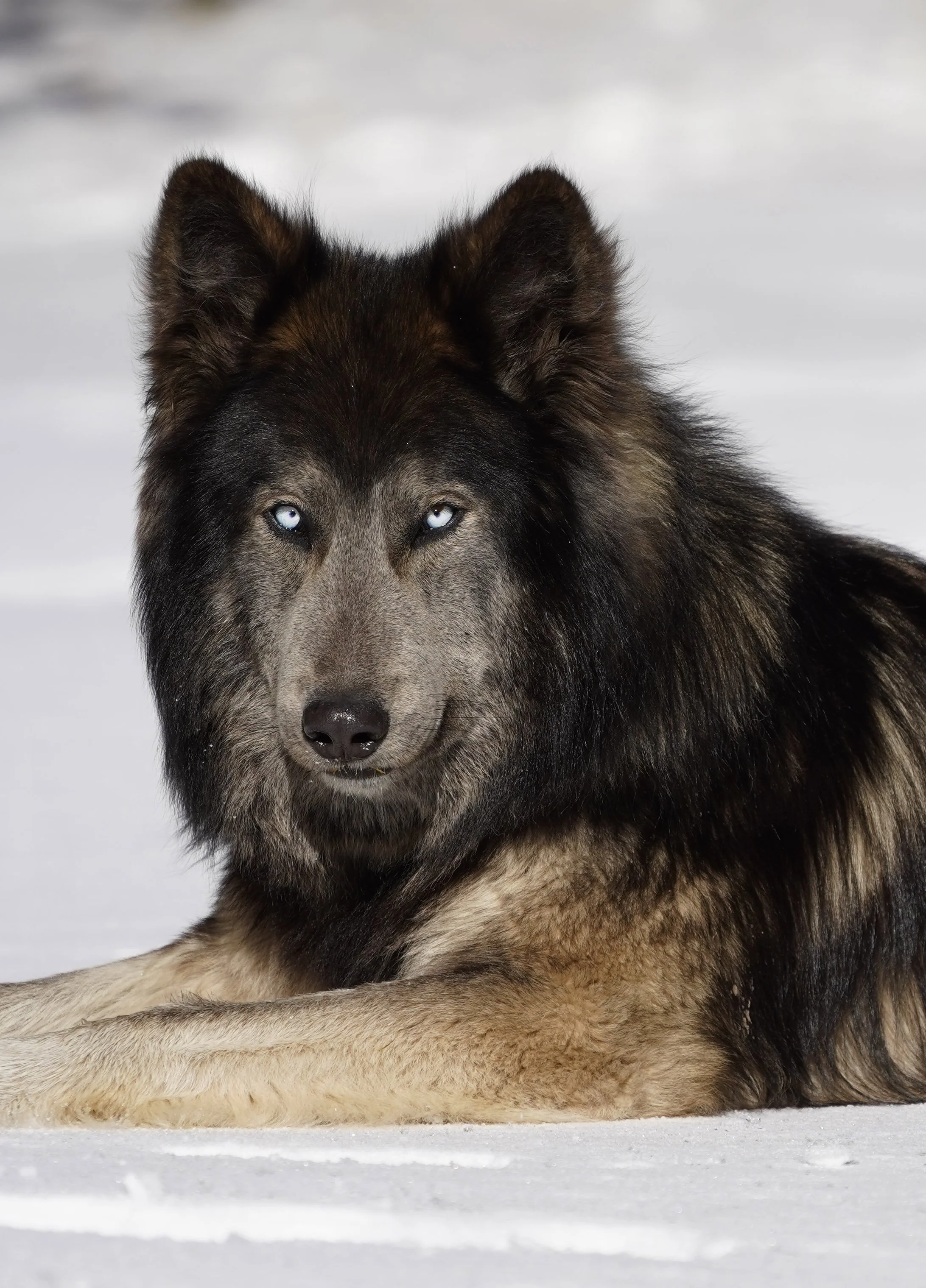
Credit: www.liftingitalia.com
Budgeting For Wolf Dog Ownership
Owning a wolf dog requires careful budgeting. These unique pets need special care and attention. Planning your finances helps avoid surprises. It ensures your wolf dog stays healthy and happy.
Estimating Monthly Expenses
Food costs for a wolf dog are higher than normal dogs. They eat a lot of meat and high-quality food. Expect to spend around $100 to $200 each month. Vet visits also add to monthly costs. Regular check-ups and vaccinations are necessary. Grooming and supplies like toys and leashes add extra expenses.
Emergency Funds
Unexpected health issues can arise anytime. Emergency vet care is often costly. Setting aside at least $500 for emergencies is smart. This fund covers sudden illnesses or injuries. It helps avoid financial stress during tough times.
Long-term Financial Commitment
Wolf dogs live 12 to 15 years. Long-term costs include food, vet care, and training. Training is crucial for safety and behavior. These costs add up over time. Being ready for this commitment is important before getting a wolf dog.
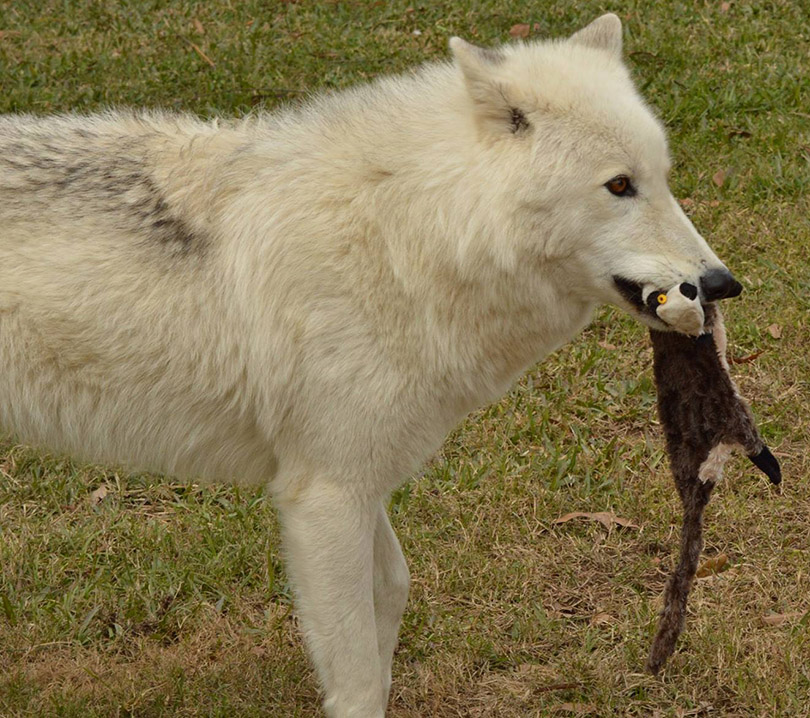
Credit: texaswolfdogproject.org
Frequently Asked Questions
How Much Does A Wolf Dog Typically Cost?
Wolf dogs usually cost between $800 and $3,000 depending on breed and breeder.
What Factors Affect The Price Of A Wolf Dog?
Price varies by wolf content, breeder reputation, health, and lineage of the dog.
Are There Ongoing Costs For Owning A Wolf Dog?
Yes, expect expenses for food, vet care, training, and special housing needs.
Can I Find A Wolf Dog For Adoption?
Some shelters and rescues have wolf dogs, but they are rare to find.
Does Wolf Content Change The Wolf Dog’s Price?
Higher wolf content generally raises the price and affects behavior and care needs.
Is It Legal To Own A Wolf Dog Everywhere?
Laws vary widely; check local rules before buying a wolf dog.
Conclusion
Wolf dogs cost more than regular dogs due to their unique traits. You should plan for initial price, food, vet visits, and training. Owning a wolf dog needs time, patience, and effort. These pets are not for everyone. Think carefully about your lifestyle and budget first.
Choosing the right breeder is important to avoid problems. Remember, costs go beyond just buying the dog. Prepare well to give your wolf dog a good life. This helps both you and your pet stay happy.
As an Amazon Associate, I earn from qualifying purchases.