Is your dog constantly barking in their cage, driving you crazy and making it hard to find peace? You’re not alone, and the good news is—there are simple, effective ways to help your furry friend calm down.
Imagine a quiet, happy dog resting comfortably without nonstop noise. You’ll discover easy steps you can take right now to stop your dog’s barking in the cage and create a peaceful space for both of you. Keep reading, because a calmer, happier dog is just around the corner.

Credit: nuevaeramarine.com
Reasons Dogs Bark In Cages
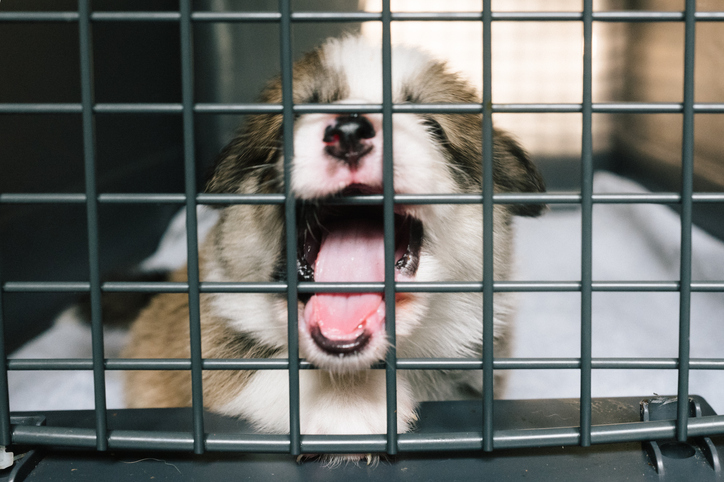
Dogs often bark in cages for different reasons. Understanding these reasons helps to stop the barking. Barking is a way dogs express their feelings. It can show stress, fear, or a need for attention. Knowing why your dog barks in the cage is the first step to calm them down.
Separation Anxiety
Many dogs feel lonely when left alone in a cage. They miss their owners and become anxious. This anxiety can cause loud, continuous barking. Dogs with separation anxiety want to reunite quickly. They use barking to show their discomfort and need for company.
Boredom And Lack Of Stimulation
Dogs need mental and physical activity every day. A cage can feel like a boring place with no toys or games. Without enough stimulation, dogs get restless. Barking becomes their way to release energy and avoid boredom.
Fear And Discomfort
Some dogs bark because they feel scared or uncomfortable in cages. Strange noises or new environments can frighten them. A cage might feel like a trap or a small, scary space. Barking helps dogs express their fear and try to protect themselves.
Attention-seeking Behavior
Dogs learn that barking gets attention from their owners. They may bark to ask for food, play, or to be let out. This behavior becomes a habit if owners respond every time. Barking in the cage can be a way to communicate their needs clearly.
Choosing The Right Cage
Choosing the right cage is key to helping your dog stop barking inside it. The cage must feel like a safe space, not a trap. This helps your dog relax and stay quiet.
Size And Comfort
The cage should be big enough for your dog to stand, turn, and lie down comfortably. A cramped cage causes stress and barking. Soft bedding or a mat adds comfort and warmth. Avoid hard or cold floors that can upset your dog.
Location Matters
Place the cage in a quiet spot away from noise and distractions. Avoid busy areas like kitchens or near loud machines. A calm place helps your dog feel safe and less likely to bark. Make sure the spot is not too isolated either, so your dog does not feel lonely.
Safe And Secure Environment
Choose a sturdy cage that cannot be easily broken or bent. Safety is important to prevent injury. The cage door should close securely but not trap your dog’s paws. Proper ventilation keeps the air fresh and your dog comfortable inside.
Training Techniques To Reduce Barking
Reducing barking in a cage requires clear and patient training. Dogs bark to express feelings like anxiety or boredom. Training helps your dog feel calm and quiet in the cage. Use gentle methods to teach your dog new habits. Consistency is key for success. Here are some effective training techniques.
Positive Reinforcement
Positive reinforcement means rewarding good behavior. Give treats or praise when your dog stays quiet. This helps the dog learn that being calm is good. Avoid punishment, as it can make barking worse. Reward your dog right after quiet moments. Small treats work best for quick learning.
Desensitization And Counter-conditioning
Desensitization means slowly getting your dog used to the cage. Start with short times and increase slowly. Use treats and toys to make the cage a happy place. Counter-conditioning changes your dog’s feelings about the cage. Pair the cage with fun things so the dog feels safe. This reduces fear and barking over time.
Teaching The Quiet Command
Teach your dog a command like “quiet” to stop barking. Wait for a pause in barking, then say “quiet” and give a treat. Repeat this often in short sessions. Soon, your dog will learn to stop barking on command. Be patient and calm during training.
Credit: healthyhoundz.com
Using Toys And Distractions
Using toys and distractions helps keep your dog busy and calm inside the cage. Toys give your dog something fun to do. This stops boredom and reduces barking. Different toys can suit different dogs. Some dogs like to chew, others like to solve puzzles. Finding the right toy can make a big difference. Here are some types of toys and distractions to try.
Interactive Toys
Interactive toys keep your dog’s mind active. These toys move or make sounds. Your dog has to touch or chase them. This takes the dog’s attention away from barking. It also gives your dog fun and exercise. Toys like balls with bells or moving mice work well. Try different toys to see which one your dog likes.
Chewing Alternatives
Dogs love to chew. Chewing helps them relax and feel good. Give your dog safe chew toys in the cage. Rubber bones, nylon sticks, or rawhide help. These toys keep your dog busy and quiet. Chewing also helps stop stress and anxiety that cause barking. Change the chew toys often to keep your dog interested.
Food Puzzles And Treats
Food puzzles are toys with hidden treats inside. Your dog has to figure out how to get the food. This takes focus and keeps your dog busy. Treats inside the cage make barking less interesting. Use slow feeders or treat balls to slow eating. This helps your dog stay calm and quiet longer.
Establishing A Routine
Establishing a routine helps your dog feel safe and calm inside the cage. Dogs like knowing what will happen next. A steady schedule reduces stress and stops barking. Routine gives your dog a clear idea of daily activities. This makes cage time easier for both of you.
Consistent Exercise
Exercise burns your dog’s energy and lowers anxiety. A tired dog barks less in the cage. Take your dog for walks at the same times daily. Play fetch or other fun games before cage time. This helps your dog relax and rest well.
Regular Feeding Times
Feed your dog at the same hours every day. Predictable meals make your dog feel secure. Avoid feeding right before cage time to prevent discomfort. A well-fed dog is calmer and barks less. Use feeding time to build trust and routine.
Scheduled Rest Periods
Rest is important for your dog’s health and mood. Set quiet times for your dog to relax in the cage. Avoid disturbing your dog during these breaks. Regular rest helps reduce barking caused by stress. Your dog learns the cage is a peaceful place.
Managing Anxiety And Stress
Managing anxiety and stress is key to stopping your dog from barking in the cage. Dogs often bark because they feel scared or worried. Reducing their stress helps them feel calm and quiet. Understanding how to help your dog stay calm makes a big difference in their behavior.
Calming Aids And Supplements
Calming aids can reduce anxiety in dogs. Products like calming collars or sprays release soothing scents. Supplements with ingredients like chamomile or valerian root also help. Always check with a vet before giving supplements. These aids can ease your dog’s nervousness and lower barking.
Comfort Items
Comfort items create a safe feeling inside the cage. Soft blankets or your dog’s favorite toy offer security. Items with your scent can be very calming. A cozy bed helps your dog relax and stop barking. These small comforts make the cage less scary and more inviting.
Professional Help Options
Sometimes, professional help is needed. A vet or animal behaviorist can find the root cause of barking. They offer training and advice tailored to your dog. Experts may suggest behavior modification techniques or medication. Getting help ensures your dog’s stress is properly managed.
Avoiding Common Mistakes
Training a dog to stop barking in a cage takes patience and care. Avoiding common mistakes helps your dog learn faster. Many dog owners make errors that can make barking worse or slow progress. Recognizing these mistakes helps create a calm and happy environment for your pet.
Ignoring Barking
Ignoring your dog’s barking can cause problems. Barking is your dog’s way to communicate. When you do not respond, your dog feels confused or scared. This may lead to more barking. Instead, watch for quiet moments and reward calm behavior. This teaches your dog that silence gets attention.
Punishment Pitfalls
Using punishment to stop barking often backfires. Dogs do not understand punishment well. It can cause fear or anxiety. This makes barking worse, not better. Focus on positive training methods instead. Reward good behavior and use gentle corrections. Your dog will feel safe and learn faster.
Overusing The Cage
Leaving your dog in the cage too long causes stress. Dogs need exercise and social time every day. Too much cage time leads to boredom and frustration. This increases barking and other problems. Use the cage only for short periods. Make sure your dog has time to play and relax outside the cage.

Credit: www.holistapet.com
Frequently Asked Questions
Why Does My Dog Bark Loudly In Its Cage?
Dogs bark in cages due to boredom, fear, or wanting attention. They need mental and physical activity.
How Can I Stop My Dog From Barking In The Cage?
Give your dog toys, exercise before caging, and use calm training to reduce barking.
Is Crate Training Helpful To Reduce Barking?
Yes, crate training creates a safe space, helping dogs feel calm and bark less.
What Role Does Exercise Play In Cage Barking?
Exercise tires your dog out, reducing energy that causes barking in the cage.
Can Using Treats Stop Cage Barking?
Treats reward quiet behavior and teach dogs to associate the cage with good things.
How Long Should A Dog Stay In A Cage Without Barking?
Short periods work best, gradually increasing time as the dog learns to stay calm.
Conclusion
Stopping a dog from barking in a cage takes patience and care. Use calm tones and gentle training every day. Give your dog enough exercise and attention outside the cage. Make the cage a safe, comfortable place for your dog.
Avoid yelling or punishment, as it can make barking worse. Remember, dogs bark to communicate, so understand their needs. With time and kindness, your dog will bark less and feel happy. Keep trying, and you will see good results soon.
As an Amazon Associate, I earn from qualifying purchases.