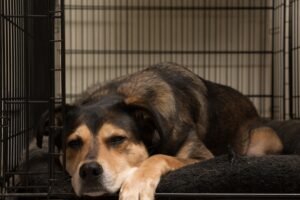
If your dog has a slipped disc, you know how painful and stressful it can be for both of you. You want to help your furry friend feel better and avoid making the pain worse.
But where do you start? How can you make your dog comfortable while they recover? This guide will give you simple, practical tips you can use right away to ease your dog’s discomfort and support their healing. Keep reading to learn how to make your dog’s life easier and happier during this tough time.

Credit: www.youtube.com
Recognizing A Slipped Disc In Dogs
Recognizing a slipped disc in dogs is key to helping them feel better fast. This condition happens when one of the discs in your dog’s spine moves out of place. It can cause pain and trouble moving. Knowing the signs helps you act quickly. Early care can reduce discomfort and prevent worse problems.
Common Symptoms To Watch For
Dogs with a slipped disc may show pain when touched. They might cry out or pull away. Watch for stiff or weak legs. Some dogs drag their back paws. They may have trouble standing or walking. Notice if your dog avoids jumping or climbing stairs. Changes in behavior, like less playing or eating, also matter.
When To See The Vet
Visit the vet if your dog shows any of these signs. Sudden weakness or loss of movement needs quick attention. If your dog cannot control bathroom habits, go to the vet fast. Early treatment helps stop damage to nerves. The vet can do tests and suggest the best care. Don’t wait to get help for your dog’s slipped disc.
Creating A Comfortable Resting Space
Creating a comfortable resting space is vital for a dog with a slipped disc. The right area helps reduce pain and speeds healing. A calm and cozy spot allows your dog to relax fully. Focus on making this space soft, warm, and quiet. This comfort supports your dog’s recovery every day.
Choosing The Right Bed
Select a bed that provides firm but gentle support. Memory foam beds are excellent for dogs with spinal issues. They mold to the body and reduce pressure points. Avoid beds that are too soft or too hard. The bed size should suit your dog’s body well. Ensure easy access, so your dog can get on and off easily.
Ideal Room Temperature And Lighting
Keep the room temperature steady and warm. Cool air can increase stiffness and discomfort. Aim for a temperature between 68 and 72 degrees Fahrenheit. Use soft lighting to create a peaceful environment. Bright lights may disturb your dog’s rest. A quiet, dim room promotes better sleep and healing.
Managing Pain And Mobility
Helping a dog with a slipped disc means managing pain and improving movement. Pain can make your dog restless and unhappy. Mobility helps your dog stay active and heal faster. Both are key to your dog’s comfort and recovery.
Safe Pain Relief Options
Always talk to a vet before giving pain medicine. Some medicines can hurt dogs or cause side effects. Your vet may suggest non-steroidal anti-inflammatory drugs (NSAIDs). These reduce pain and swelling safely. Never give human medicine to your dog. Natural supplements like omega-3 fatty acids may help ease pain. Use only vet-approved products for best results.
Gentle Exercises And Physical Therapy
Light, gentle exercises help keep muscles strong. Avoid any movement that causes pain or strain. Short, slow walks on soft ground are good. Physical therapy guided by a vet can improve flexibility and strength. Hydrotherapy, or swimming, supports the body and reduces pressure. Massage can relax muscles and reduce stiffness. Always follow your vet’s advice on exercise limits.
Diet And Nutrition For Recovery
Proper diet and nutrition play a key role in helping a dog with a slipped disc heal. Food can reduce inflammation and support tissue repair. Choosing the right foods and supplements helps your dog feel better faster.
Good nutrition also boosts the immune system. It gives the body energy to recover. A healthy diet supports overall wellness during this tough time.
Anti-inflammatory Foods
Foods rich in omega-3 fatty acids reduce inflammation in the body. Fish like salmon and sardines are great sources. You can also give flaxseed or chia seeds for plant-based omega-3.
Vegetables such as spinach, kale, and broccoli contain antioxidants. These help fight inflammation and protect cells. Blueberries are another good choice for antioxidants.
Including turmeric in your dog’s food might help. It contains curcumin, known for its anti-inflammatory effects. Use it in small amounts to avoid stomach upset.
Supplements That Support Healing
Glucosamine and chondroitin help maintain joint health. These supplements can ease pain and improve mobility. They support cartilage repair and reduce stiffness.
Collagen supplements aid in tissue repair. They strengthen ligaments and tendons around the spine. This can improve your dog’s comfort level.
Probiotics promote good gut health. A healthy gut improves nutrient absorption. This supports faster recovery and better immune function.
Preventing Further Injury
Preventing further injury is key for dogs with a slipped disc. Careful actions protect your pet’s spine. Small changes can make a big difference.
Focus on gentle care and a safe environment. This support helps your dog heal better and feel more comfortable.
Safe Handling Techniques
Lift your dog with both hands under the chest and belly. Avoid pulling on the legs or tail. Keep your dog’s back straight during moves. Use a soft towel or sling for extra support. Move slowly and calmly to reduce stress. Always ask your vet for specific handling advice.
Home Modifications To Reduce Strain
Place non-slip rugs on slippery floors. Use ramps or stairs to reach furniture. Keep food and water bowls at an easy height. Create a quiet, cozy resting spot with soft bedding. Remove obstacles that cause your dog to jump or twist. Check your home daily to keep the space safe and easy to navigate.

Credit: www.holistapet.com
Monitoring Progress And Adjusting Care
Monitoring your dog’s progress after a slipped disc is very important. It helps you know if your dog is healing well or needs more care. You must watch your dog’s movements and comfort every day. This helps you adjust the care you give as needed. Care changes can make your dog feel better and avoid more problems.
Tracking Mobility And Comfort Levels
Check how your dog moves each day. Look for signs of pain or stiffness. Notice if your dog walks, stands, or lies down easily. Record any changes in movement or behavior. Small improvements are good signs. If your dog seems more comfortable, keep the same care routine. If your dog struggles or seems worse, note this too. This helps you understand how well the treatment works.
When To Seek Additional Treatment
Seek extra help if your dog’s condition gets worse. Watch for increased pain, weakness, or loss of movement. Also, watch for loss of bladder or bowel control. These signs need quick veterinary care. Don’t wait too long to ask for help. Early treatment can stop more damage. Always follow your vet’s advice on when to return.
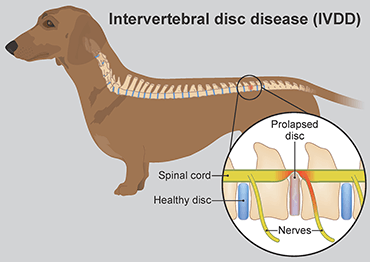
Credit: www.pdsa.org.uk
Frequently Asked Questions
What Are The Common Signs Of A Slipped Disc In Dogs?
Dogs with slipped discs may show pain, weakness, trouble walking, or loss of bladder control.
How Can I Make My Dog With A Slipped Disc Comfortable At Home?
Provide a soft bed, limit activity, and keep your dog warm and calm.
What Type Of Bed Is Best For Dogs With Slipped Discs?
Use an orthopedic or memory foam bed to support your dog’s spine and reduce pressure.
Should I Restrict My Dog’s Movement After A Slipped Disc Diagnosis?
Yes, restrict jumping and running to prevent more injury and allow healing.
Can Gentle Massages Help A Dog With A Slipped Disc?
Gentle massages can ease muscle tension but always consult your vet first.
When Should I Seek Veterinary Help For My Dog’s Slipped Disc?
Seek help if your dog shows severe pain, weakness, or cannot walk properly.
Conclusion
Making a dog with a slipped disc comfortable takes patience and care. Give gentle support and limit their movements. Provide a soft, warm place to rest. Watch for signs of pain or discomfort. Help with daily tasks like feeding and bathroom breaks.
Regular vet visits are important to track progress. Small steps each day can help your dog heal. Love and attention matter most. Keep your dog calm and safe. They will feel better with your help.
As an Amazon Associate, I earn from qualifying purchases.