Have you ever wondered how many bones are in your dog’s body? Understanding your furry friend’s skeleton can give you surprising insights into their health, movement, and even behavior.
Knowing this can help you take better care of your dog and spot potential problems early. You’ll discover the exact number of bones in dogs, why it matters, and what makes their skeletal system unique. Keep reading—you might be amazed at what you learn about your loyal companion!

Credit: bowwowinsurance.com.au
Dog Skeleton Basics
The dog skeleton is a strong frame that supports its body. It gives shape and helps with movement. Bones protect organs like the heart and lungs.
Understanding the skeleton helps in knowing how dogs move and stay healthy. Dogs have many bones, each serving a special job.
Bone Structure Overview
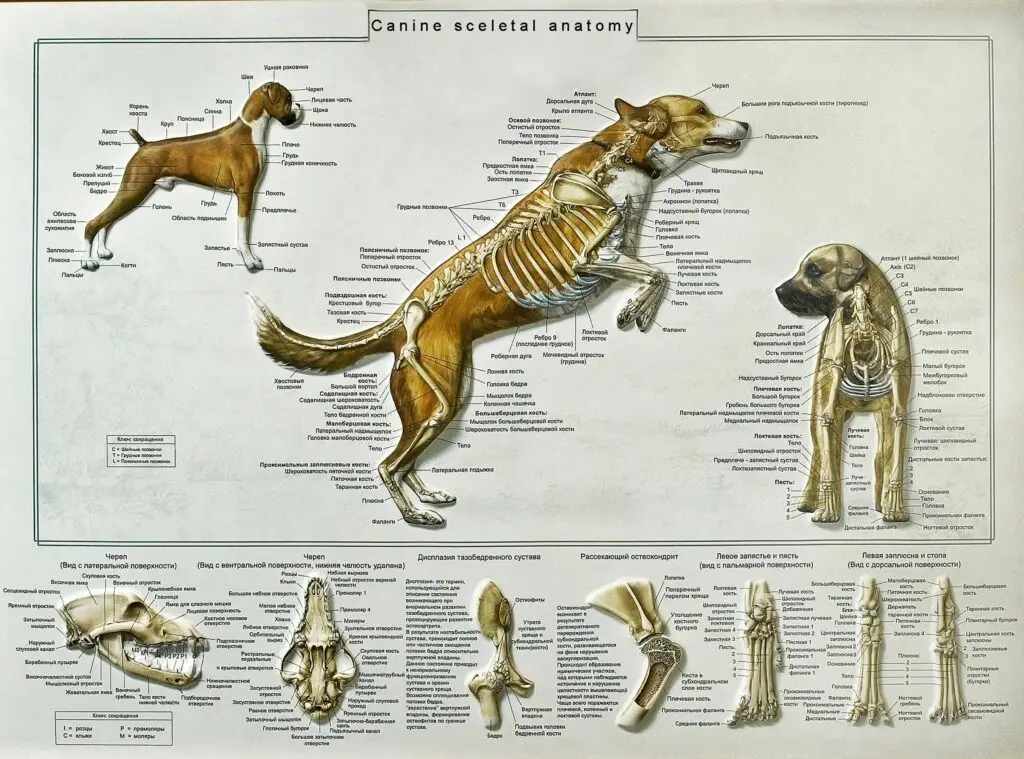
A dog’s skeleton has many parts. It includes the skull, spine, ribs, legs, and tail. The skull protects the brain and holds the teeth.
The spine is made of many small bones called vertebrae. It runs from the neck to the tail. Ribs protect the chest and lungs.
Leg bones support walking and running. The front legs have shoulder blades and upper arm bones. The back legs have thigh and shin bones.
Bone Count Variation
Most dogs have about 319 bones. The exact number can change by breed and tail length. Dogs with short or no tails have fewer tail bones.
Small breeds may have slight differences in bone count. Larger breeds have strong, thick bones to support weight. Some bones may fuse as dogs grow older.
Factors Affecting Bone Count
The number of bones in a dog is not the same for every dog. Several factors change the total bone count. These factors include the dog’s breed, age, and even the length of its tail. Understanding these helps explain why some dogs have more or fewer bones than others.
Breed Differences
Different dog breeds have different bone structures. Small breeds like Chihuahuas have fewer bones than large breeds like Great Danes. Some breeds have longer legs or bodies, which adds more bones. Breeds designed for running or jumping often have stronger, more complex bones.
Age And Development
Puppies have more bones than adult dogs. Some bones fuse together as the dog grows. This fusion reduces the total bone count over time. Young dogs have soft cartilage that turns into bone. The process changes the number and shape of bones.
Tail Length Impact
Tail length affects bone count in dogs. Dogs with long tails have more tail vertebrae bones. Dogs with short or docked tails have fewer bones. Tail bones vary widely among dog breeds. The tail is an important factor in counting bones.
Comparing Dog And Human Skeletons
Dogs and humans share many similarities in their skeletons. Both have bones that support their bodies and protect vital organs. Yet, their skeletons differ in many ways. These differences reflect how each species moves and lives.
Bone Count Comparison
Dogs have about 319 bones. This number can vary slightly by breed. Humans have 206 bones on average. Dogs have more bones because of their tails and extra toes. Humans lack tails, so fewer bones exist in that area.
Both species have bones grouped into similar categories. These include the skull, spine, ribs, and limbs. The extra bones in dogs help with flexibility and balance during running.
Structural Differences
Dog skeletons are built for speed and agility. Their spines are more flexible than humans. This allows dogs to stretch and contract when running. Human spines are straighter to support upright walking.
Dog legs have a different bone structure. They walk on their toes, called digitigrade. Humans walk on the soles of their feet, known as plantigrade. This creates different shapes and functions in leg bones.
Dog skulls are longer and shaped for a strong bite. Human skulls are rounder to hold a larger brain. These structural differences match each species’ needs and lifestyle.

Credit: bowwowinsurance.com.au
Key Bones In Dogs
The bones in a dog’s body give it shape and support. They protect important organs and help dogs move. Understanding key bones helps you know more about your dog’s body and health.
Skull And Jaw
The skull protects the dog’s brain and eyes. It also forms the shape of the head. The jaw holds the teeth and helps dogs chew food. Strong jaw bones are important for biting and eating.
Spine And Ribcage
The spine runs from the neck to the tail. It supports the dog’s body and protects the spinal cord. The ribcage surrounds the heart and lungs. It keeps these organs safe while the dog moves.
Limbs And Paws
Dogs have four limbs with many bones for movement. The front limbs have shoulder, arm, and paw bones. The back limbs include thigh, leg, and paw bones. Paws have small bones that help with walking and running.
Common Bone Issues In Dogs
Dogs have many bones that keep their bodies strong and active. Just like humans, dogs can face problems with their bones. These issues can affect their movement and comfort. Understanding common bone problems helps in caring for your dog better.
Fractures And Breaks
Fractures happen when a bone cracks or breaks. Dogs can get fractures from falls or accidents. Signs include limping, swelling, and pain. Quick care is important to help bones heal well.
Arthritis And Aging
Arthritis is common in older dogs. It causes joint pain and stiffness. Dogs may move less or struggle to stand. Proper care and medicine can ease arthritis symptoms.
Bone Diseases
Bone diseases affect the strength and shape of bones. Some diseases are genetic, others come from infections. Symptoms include swelling, pain, and difficulty walking. Early diagnosis helps manage these diseases effectively.
Credit: puppercrust.com
Caring For Your Dog’s Bones
Dogs have many bones that support their body and help them move. Keeping these bones strong is very important for your dog’s health. Good care helps prevent bone problems and keeps your dog active and happy. This section shows simple ways to care for your dog’s bones every day.
Nutrition Tips
Feed your dog food rich in calcium and phosphorus. These minerals build strong bones. Include dog food with vitamins D and K for better bone health. Avoid giving your dog too many treats or table scraps. Balanced meals support healthy bone growth and repair.
Exercise And Activity
Regular exercise keeps your dog’s bones strong and flexible. Daily walks and playtime help maintain bone density. Avoid hard or rough activities that might hurt your dog’s bones. Gentle, consistent activity is best for all dog ages.
Regular Vet Checkups
Visit the vet to check your dog’s bone health often. The vet can spot early signs of bone problems. X-rays and tests help find hidden issues. Early care can prevent serious bone diseases in your dog.
Frequently Asked Questions
How Many Bones Does A Typical Dog Have?
A typical dog has about 319 bones in its body, but this number can vary by breed.
Why Do Some Dogs Have Different Bone Counts?
Different breeds have variations in bone structure, causing slight differences in total bone count.
Do Puppies Have More Bones Than Adult Dogs?
Yes, puppies have more bones that fuse together as they grow into adults.
Which Bone Is The Longest In A Dog’s Body?
The femur, or thigh bone, is the longest bone in a dog’s body.
How Does A Dog’s Bone Count Compare To Humans?
Dogs have more bones than humans; dogs have about 319, humans have 206.
Can A Dog’s Bone Structure Affect Its Movement?
Yes, bone shape and number impact a dog’s flexibility and how it moves.
Conclusion
Dogs have around 319 bones, but this number can vary slightly. Puppies have more bones that fuse as they grow. Knowing this helps understand their body better. Strong bones keep dogs active and healthy. Proper care supports their bones and joints.
Remember, each dog is unique in its bone structure. Keep your furry friend safe and happy with good care. Bones are the framework that supports a dog’s life. Simple facts can deepen your love for dogs.
As an Amazon Associate, I earn from qualifying purchases.