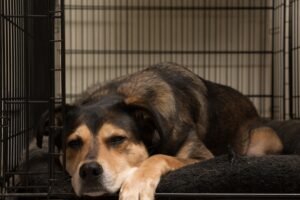
Is your dog looking thinner than it should? Watching a beloved pet struggle with malnutrition can be heartbreaking.
You want to help your furry friend gain weight safely and regain their strength, but you might not know where to start. This guide will show you simple, effective ways to fatten up your malnourished dog and bring back their healthy, happy self.
Keep reading to discover how small changes can make a big difference in your dog’s recovery.
Credit: www.caninewhelpingbox.com
Signs Of Malnutrition In Dogs
Dogs need good nutrition to stay healthy. Malnutrition happens when they do not get enough food or the right nutrients. Knowing the signs of malnutrition helps you act fast. Early care can save your dog’s life and improve their health.
Watch your dog closely. Changes in their body and behavior often show malnutrition. Spotting these signs early allows you to help them gain weight safely.
Physical Symptoms To Watch
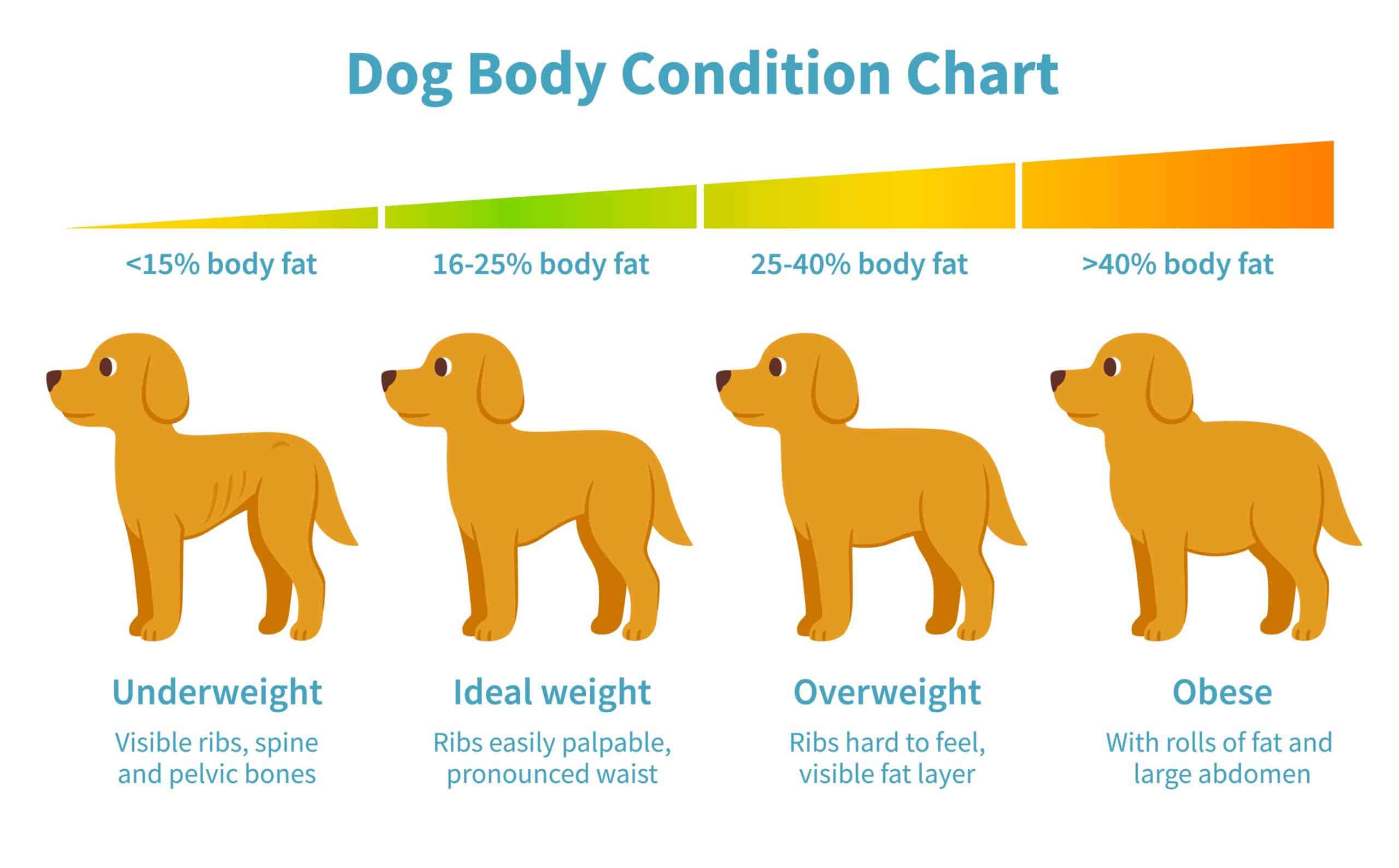
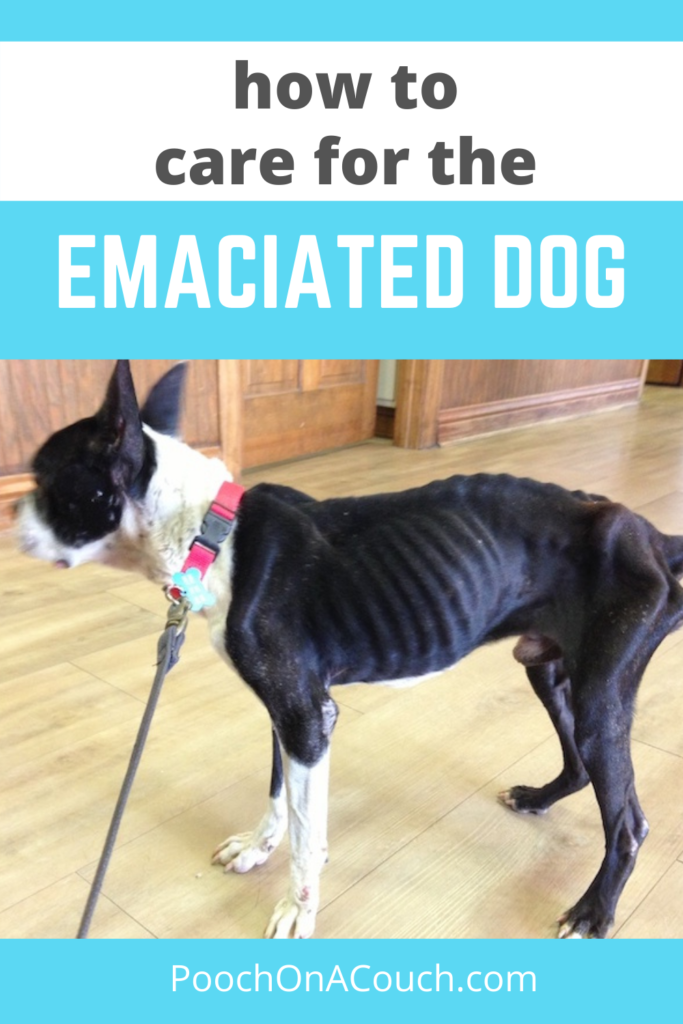
Look for thin ribs or visible bones. A malnourished dog often has dull fur and dry skin. Weak muscles and low energy are common. Their eyes may look sunken or dull. Slow healing of wounds also signals poor nutrition.
Behavioral Changes
A hungry dog may seem restless or anxious. They might lose interest in playing or walking. Some dogs become irritable or hide more than usual. A drop in appetite can also be a warning sign.
Common Causes
Poor diet and lack of food are main causes. Illnesses and parasites can stop nutrient absorption. Old age or dental problems may make eating hard. Stress and sudden changes in routine affect appetite too.
Choosing The Right Food
Choosing the right food is the first step to help a malnourished dog gain weight safely. The food must provide enough calories and nutrients. It should be easy to digest and appealing to your dog. Careful selection supports healthy weight gain and overall recovery.
High-calorie Diet Options
High-calorie foods help increase a dog’s energy intake. Look for foods rich in fats and proteins. These nutrients provide more calories per bite. Feeding small, frequent meals keeps the dog’s energy steady. Avoid foods with empty calories like sugar or fillers.
Nutrient-rich Ingredients
Choose foods with high-quality ingredients. Lean meats, eggs, and fish are excellent protein sources. Vegetables like sweet potatoes and carrots offer vitamins and fiber. Healthy oils such as fish oil add essential fatty acids. Balanced nutrients improve digestion and muscle repair.
Homemade Vs Commercial Food
Homemade meals allow control over ingredients and freshness. You can add specific foods your dog enjoys. Commercial foods are convenient and often balanced for dogs’ needs. Look for brands made for weight gain or recovery. Consult a vet before changing diets to ensure safety.
Feeding Schedule And Portions
Feeding a malnourished dog requires a careful plan for schedule and portions. The right timing and amount of food help the dog gain weight safely. Small, frequent meals work best for dogs with weak stomachs. This approach improves digestion and nutrient absorption. Portion control avoids stress on the dog’s body while providing enough calories to grow stronger.
Frequency For Weight Gain
Feed the dog 3 to 4 times a day. Smaller meals prevent stomach upset. Spread the meals evenly throughout the day. This method keeps energy levels steady. It supports healthy weight gain without overloading the digestive system. Adjust the frequency as the dog’s condition improves.
Portion Control Tips
Start with small portions to avoid overwhelming the dog. Increase the amount slowly over several weeks. Use a measuring cup for accuracy. Watch the dog’s body weight and energy. Adjust portions based on progress and appetite. Balanced portions help steady and safe weight gain.
Avoiding Overfeeding Risks
Overfeeding can cause diarrhea and other health problems. It may stress the dog’s organs and cause discomfort. Stick to the feeding schedule and portion sizes. Avoid giving too many treats or table scraps. Monitor the dog’s behavior and weight carefully. Proper feeding supports recovery and long-term health.
Credit: skurupfhp.se
Supplements And Additives
Supplements and additives help support a malnourished dog’s recovery. They provide extra nutrients missing from the dog’s diet. These nutrients boost energy, improve health, and promote weight gain. Choosing the right supplements can make a big difference.
Vitamins For Recovery
Vitamins help repair the body and strengthen the immune system. Vitamin B complex supports energy and appetite. Vitamin E acts as an antioxidant to protect cells. Vitamin A helps with skin and coat health. Give vitamins in recommended amounts to avoid side effects.
Healthy Fats And Oils
Healthy fats add calories without extra food volume. Fish oil and flaxseed oil provide omega-3 fatty acids. These fats reduce inflammation and improve brain function. Coconut oil offers medium-chain triglycerides for quick energy. Mix oils into meals for easy feeding and better taste.
Probiotics And Digestive Aids
Probiotics improve gut health and nutrient absorption. They restore good bacteria after illness or antibiotics. Digestive enzymes help break down food for better digestion. These aids reduce diarrhea and bloating. Use products designed for dogs to ensure safety and effectiveness.
Exercise And Activity
Exercise plays a key role in helping a malnourished dog gain weight. It improves appetite and builds muscle. Careful activity supports healthy weight gain without overstraining your dog. Understanding how to balance exercise and rest is important for recovery.
Benefits Of Moderate Exercise
Moderate exercise helps increase your dog’s hunger naturally. It boosts metabolism and muscle growth. Gentle walks and light play keep your dog active and strong. Exercise also improves digestion and nutrient absorption. It prevents muscle loss and keeps joints healthy. Avoid intense workouts that can tire or stress your dog.
Balancing Rest And Movement
Rest is just as important as exercise for a malnourished dog. Your dog needs time to recover and build energy. Alternate short activity sessions with plenty of quiet rest. Watch for signs of tiredness and let your dog relax. Rest helps the body repair and gain weight. This balance ensures steady progress without exhaustion.
Monitoring Progress
Monitoring progress is crucial when helping a malnourished dog gain weight. It ensures the dog is improving and staying healthy. Careful tracking helps spot problems early. Adjustments can be made for better results. Regular checks build a clear picture of the dog’s health journey.
Tracking Weight Gain
Weigh the dog once a week. Use the same scale each time. Write down the weight for comparison. Look for steady, slow increases. Sudden jumps or drops need attention. Consistent weight gain shows the diet works well.
Adjusting Diet As Needed
Watch how your dog responds to food. Increase portions if weight gain slows. Add more protein or calories if needed. Remove foods that cause upset stomachs. Small changes keep progress steady. Consult a vet before major diet shifts.
When To Consult A Vet
Contact a vet if weight drops suddenly. Seek help if your dog refuses to eat. Watch for unusual symptoms like vomiting or weakness. A vet can find hidden health issues. Early care prevents serious complications. Trust professional advice for best care.
Credit: poochonacouch.com
Frequently Asked Questions
How To Safely Increase A Malnourished Dog’s Weight?
Feed small, frequent meals with high-quality, calorie-rich food. Monitor weight and adjust portions gradually.
What Foods Help Fatten Up A Malnourished Dog Fast?
Use lean meats, cooked eggs, rice, pumpkin, and dog-safe supplements to boost calories and nutrients.
How Often Should I Feed A Malnourished Dog Daily?
Feed 3 to 4 small meals daily to aid digestion and steady weight gain.
Can Supplements Improve A Malnourished Dog’s Weight Gain?
Certain vitamins and fatty acid supplements can support health and weight but consult a vet first.
When Should I See A Vet For A Malnourished Dog?
Visit a vet immediately if your dog is weak, losing weight, or shows illness signs.
How Long Does It Take To Fatten Up A Malnourished Dog?
Weight gain varies but expect gradual improvement over weeks with consistent care and diet.
Conclusion
Helping a malnourished dog gain weight takes time and care. Feed small, frequent meals with high-quality food. Keep fresh water always available to keep them hydrated. Watch your dog’s progress and adjust food as needed. Regular vet visits ensure your dog stays healthy.
Patience and love make a big difference in recovery. Healthy weight means a happier, stronger dog. Stay consistent and gentle throughout the process. Your dog will thank you with wagging tails and bright eyes.
As an Amazon Associate, I earn from qualifying purchases.