Are you thinking about breeding your dog but unsure when the right time is? Knowing how old your dog should be to breed is key to keeping them healthy and ensuring the best start for their puppies.
Breed too early, and you risk health problems; wait too long, and you might miss the ideal window. You’ll discover the essential facts about the perfect age to breed your dog. Keep reading to make informed choices that protect your furry friend and set your future puppies up for success.
Ideal Breeding Age For Dogs
Choosing the right age to breed a dog is very important. It helps keep the dog healthy and ensures strong puppies. Dogs need to be mature enough to handle pregnancy and birth.
Breeding too early or too late can cause problems. Age affects the dog’s body and the health of puppies. Understanding the ideal breeding age helps avoid risks.
Breeding Age For Female Dogs
Female dogs should be at least 2 years old before breeding. By this age, their bodies are fully grown and strong. Breeding too young can cause health issues for the mother.
Most vets recommend waiting until the female has had at least one heat cycle. This shows she is ready to breed. Avoid breeding after the dog is 6 years old, as risks increase with age.
Breeding Age For Male Dogs
Male dogs can breed starting at about 1 year old. At this age, males are usually mature enough to father puppies. Strong and healthy males produce better quality sperm.
Male dogs can continue to breed until they are older, but fertility may decline after 7 years. Regular health checks keep older males fit for breeding.
Credit: vixencomposites.com
Factors Influencing Breeding Age
Choosing the right age to breed a dog depends on many important factors. These factors help ensure the dog is healthy and ready for breeding. They also protect the future puppies and the mother’s well-being. Understanding these factors guides responsible breeding decisions.
Health And Physical Maturity
A dog must be fully grown before breeding. Physical maturity means the dog’s body can handle pregnancy or fathering puppies. Breeding too early can cause health problems for the dog and puppies. Vets recommend waiting until the dog reaches at least one year old. Some dogs need more time to develop strong bones and muscles.
Health checks are essential before breeding. The dog should be free from diseases and genetic issues. Regular vet visits ensure the dog’s body is ready. Proper nutrition and exercise also help prepare the dog for breeding.
Breed-specific Considerations
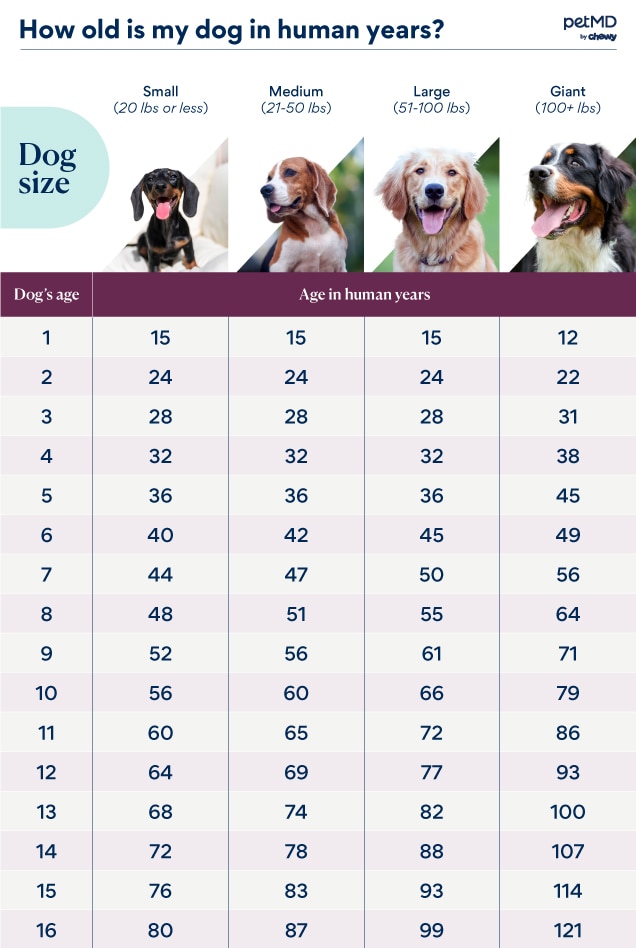
Different dog breeds mature at different rates. Small breeds often mature faster than large breeds. For example, small dogs may be ready to breed at 10 months. Large breeds might need to wait until 18 to 24 months.
Some breeds have special health risks linked to breeding age. Breeders must know the common issues in their breed. This knowledge helps avoid passing problems to puppies. Breed clubs and experts provide useful guidelines for breeding age.
Risks Of Early Breeding
Breeding a dog too early can lead to serious problems for both the mother and her puppies. Young dogs are often not ready physically or emotionally for the demands of pregnancy and birth. This can cause stress and health issues that affect their well-being and the health of their puppies.
Understanding the risks of early breeding helps ensure safer and healthier litters. It also promotes responsible pet care and helps maintain strong, healthy dog populations.
Health Complications For Mothers
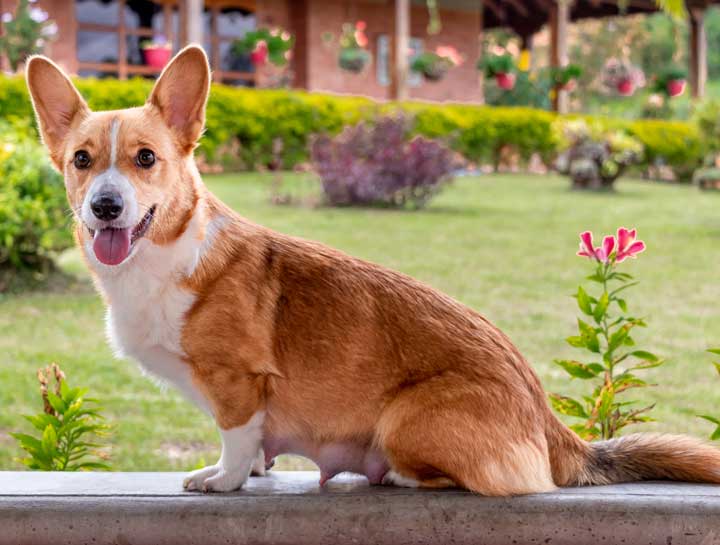
Young female dogs may face serious health problems during pregnancy. Their bodies might not be fully developed to carry puppies safely. This can cause difficult labor and increase the chance of needing a cesarean section. Early breeding also raises the risk of infections and other complications after birth. These issues can affect the mother’s long-term health and future pregnancies.
Impact On Puppy Development
Puppies born to very young mothers often have weaker immune systems. They may be smaller and less active than puppies from older, healthier mothers. Early breeding can lead to birth defects or health problems in the puppies. Poor prenatal care from a young mother can reduce the chance of puppies growing strong and healthy. This can affect their survival and quality of life.
Credit: southmtnpet.com
Signs A Dog Is Ready To Breed
Knowing the signs that a dog is ready to breed helps ensure healthy puppies. Dogs show clear signals when their bodies and minds prepare for breeding. Watching these signs helps avoid breeding too early or too late. Understanding the right time is important for the dog’s health and the puppies’ well-being.
Behavioral Indicators
Female dogs often act different when ready to breed. They may become restless and show more affection. Some females lift their tails or move their bodies in a special way. Males might become more alert and try to find females in heat. They may also mark territory more often. These behaviors show natural breeding instincts.
Veterinary Assessments
Veterinarians check a dog’s health before breeding. They look for clear signs of physical readiness. Tests may include hormone levels to confirm the heat cycle. The vet also checks for infections or diseases. X-rays or ultrasounds might be needed to see reproductive organs. These steps help decide if the dog is healthy enough to breed.
Breeding Frequency And Timing
Understanding the right breeding frequency and timing is key for healthy dogs. It helps ensure the well-being of both the mother and puppies. Proper timing reduces health risks and improves the chances of a successful pregnancy. Knowing when and how often to breed keeps dogs safe and strong.
Optimal Breeding Intervals
Breeding too often can harm a female dog’s health. Experts recommend waiting at least one heat cycle between pregnancies. This gap gives the body time to recover fully. For many breeds, one or two litters per year is safe. Overbreeding can cause stress and weaken the dog’s immune system.
Heat Cycle Timing
A female dog’s heat cycle happens twice a year on average. The best time to breed is during the estrus phase, when she is most fertile. This phase lasts about 5 to 9 days. Breeding outside this window lowers chances of pregnancy. Observing signs like swelling and discharge helps identify the right moment.
Legal And Ethical Breeding Guidelines
Understanding legal and ethical breeding guidelines is key to responsible dog breeding. These rules protect dogs’ health and welfare. They also help maintain breed quality and prevent overpopulation.
Following the laws and ethical standards ensures a safe breeding process. Breeders must know and respect these guidelines before breeding their dogs.
Regulations By Region
Breeding laws vary by country and region. Some places set a minimum age for dogs to breed. This age often ranges from one to two years old. These rules help ensure dogs are mature enough physically and emotionally.
Other regulations include health checks and registration of litters. Some regions require breeders to have licenses. These rules aim to prevent irresponsible breeding and protect animals.
Breeder Responsibility
Breeders must prioritize the health of their dogs. They should only breed dogs that are healthy and free from genetic diseases. Regular veterinary checks are essential.
Ethical breeders focus on the dog’s well-being, not just profit. They provide good care, socialization, and a safe environment. Responsible breeders also educate new owners about proper dog care.
Preparing Your Dog For Breeding
Preparing your dog for breeding is an important step for a healthy pregnancy and strong puppies. It takes time and care to get your dog ready. This preparation helps avoid health problems and ensures the best start for new puppies.
Focus on your dog’s health, nutrition, and exercise. These factors improve breeding success and keep your dog happy. Begin early to give your dog the best chance for a safe breeding experience.
Health Checks And Vaccinations
Start with a full health check from your vet. The vet will check for diseases and any problems. Regular vaccinations protect your dog and puppies from infections. Keep vaccination records updated to avoid risks. Screen for genetic issues common in your dog’s breed. Healthy dogs have better chances to breed safely. Discuss tests and vaccines with your vet before breeding.
Nutrition And Exercise
Feed your dog a balanced diet rich in vitamins and minerals. Good nutrition strengthens your dog’s body and immune system. Avoid overfeeding or underfeeding to keep your dog at a healthy weight. Exercise daily to build muscle and stamina. Moderate activity helps your dog stay fit but not tired. A fit dog handles pregnancy and birth better. Monitor your dog’s condition and adjust food or exercise as needed.
Post-breeding Care
Post-breeding care is very important for your dog’s health and the puppies’ well-being. It starts right after breeding and continues through pregnancy and birth. Proper care helps prevent problems and supports a safe, healthy delivery. Watch your dog closely and provide good food, rest, and a calm space.
Monitoring Pregnancy
Watch your dog for signs of pregnancy. These include changes in appetite, behavior, and body shape. Regular vet visits help confirm pregnancy and track your dog’s health. Keep her weight steady and avoid too much exercise. Provide a quiet place for rest and comfort. Check for any unusual symptoms like vomiting or swelling. Early detection of problems can save lives.
Puppy Care Basics
After birth, puppies need warmth and regular feeding. Keep the area clean and dry. Help the mother stay calm and stress-free. Puppies must nurse often to get important nutrients. Watch for signs of illness in puppies and mother. Handle puppies gently and avoid loud noises. Healthy puppies grow fast and sleep a lot. Good care now means strong, happy dogs later.
Credit: www.petcarerx.com
Frequently Asked Questions
At What Age Can Female Dogs Safely Start Breeding?
Female dogs can safely start breeding after their second heat cycle, usually around 18-24 months old.
How Old Should Male Dogs Be To Breed?
Male dogs should be at least 12-18 months old to ensure full physical maturity before breeding.
Why Is Breeding Too Early Harmful To Dogs?
Breeding too early can cause health problems and affect the growth of puppies and mother dogs.
How Does Dog Breed Affect Breeding Age?
Smaller breeds mature faster and can breed earlier than larger breeds, which need more time to grow.
Can A Dog Breed After 7 Years Of Age?
Breeding after 7 years is risky and not recommended due to increased health problems.
How To Tell If A Dog Is Ready To Breed?
Look for signs like a full heat cycle, good health, and proper physical maturity before breeding.
Conclusion
Breeding a dog at the right age helps ensure healthy puppies. Dogs need to be fully grown and mature before breeding. Waiting allows them to handle pregnancy and care for puppies well. Breeding too early can cause health problems for both mother and pups.
Always check with a vet to find the best time to breed. Careful planning supports happy, healthy dogs and strong litters. Good timing matters. Keep your dog’s health as the top priority.
As an Amazon Associate, I earn from qualifying purchases.