Have you noticed unusual spots or patches on your dog’s skin and started to worry? You might be wondering, “What does a ringworm look like on a dog?”
Knowing how to spot this common skin infection early can save your furry friend from discomfort and prevent it from spreading to you or other pets. You’ll learn exactly what to look for, how to identify ringworm, and what steps to take if your dog shows signs.
Keep reading—your dog’s health could depend on it.
Ringworm Symptoms On Dogs
Ringworm is a common skin infection in dogs caused by a fungus. Recognizing the symptoms early helps to treat the infection faster. The signs are mostly visible on the skin and can affect your dog’s behavior. Knowing these symptoms can prevent the spread to other pets or humans.
Visible Skin Changes
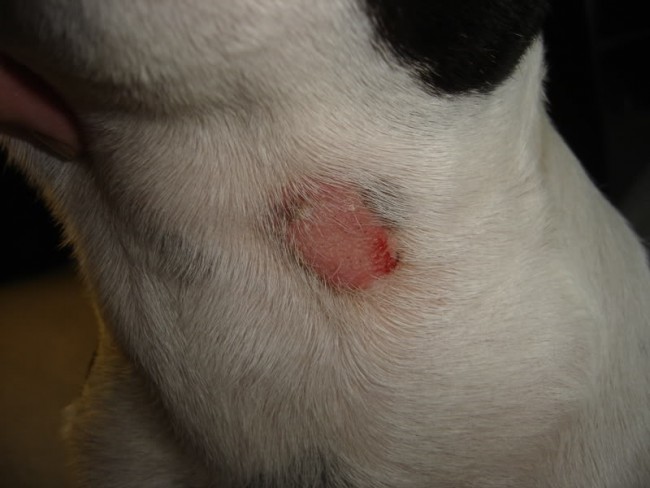
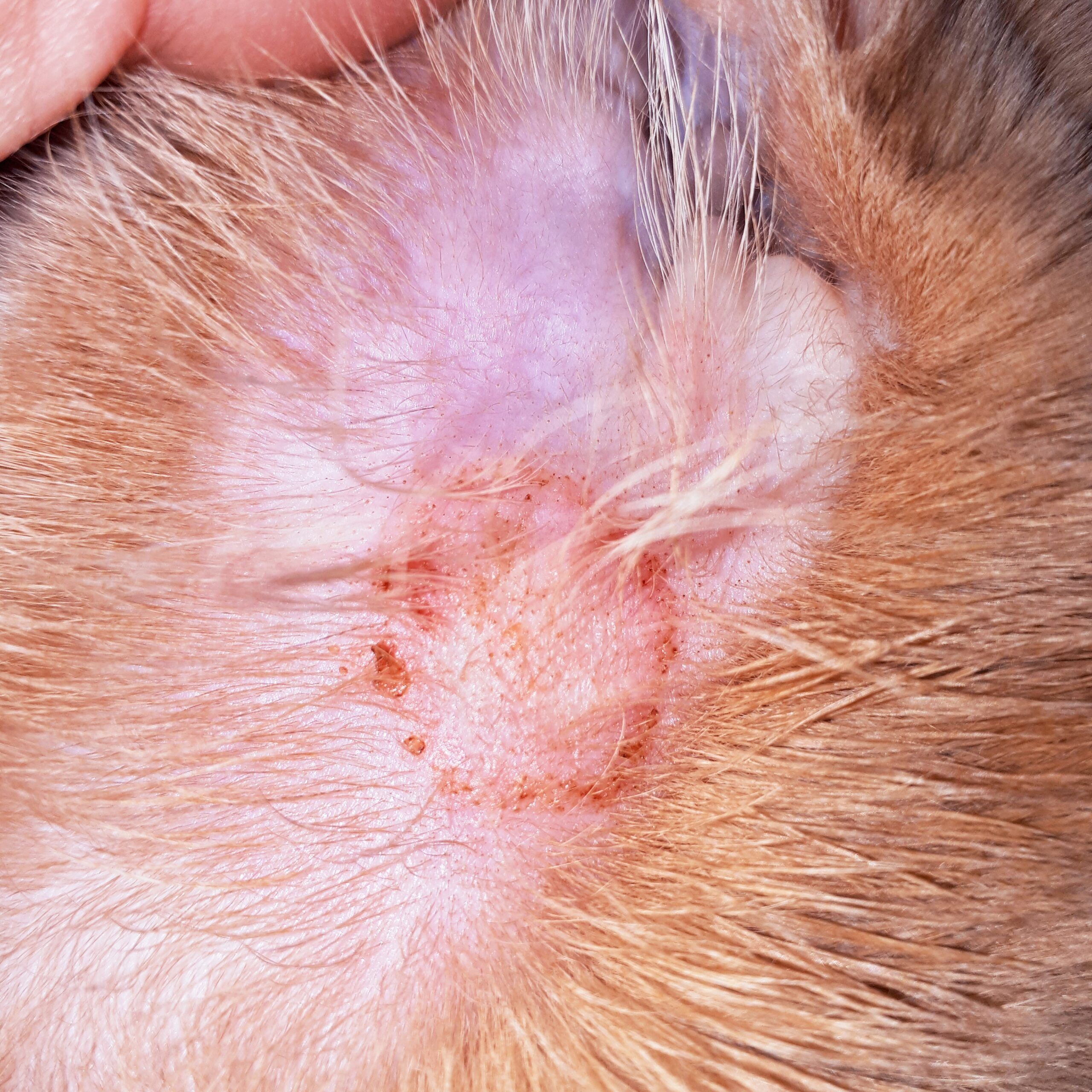
Ringworm causes round, hairless patches on your dog’s skin. These patches often look red or scaly. The skin may also become crusty or flaky. Sometimes the spots get larger and merge together. You might notice broken or brittle hair around these areas.
Common Affected Areas
Ringworm usually appears on the ears, face, and paws. The tail and legs can also show signs. These spots often appear in places where the fur is thinner. Check areas your dog scratches or licks a lot. Early detection in these spots is important.
Behavioral Signs
Your dog may scratch or lick the infected spots more than usual. This can cause irritation and discomfort. Sometimes, dogs become restless or less active. Changes in behavior might mean your dog feels itchy or sore. Watching these signs can help catch ringworm early.
Credit: www.ddcclinic.org
Identifying Ringworm Spots
Identifying ringworm spots on a dog is important for quick treatment. These spots have clear signs that you can see on your dog’s skin. Understanding these signs helps protect your dog and family from infection.
Ringworm is a fungal infection that affects the skin, causing visible changes. Watching closely for these changes can help you spot ringworm early. Below are the common signs to check for on your dog.
Circular Lesions
Ringworm spots often look like round or oval rings on the skin. These circular lesions have a clear center with a raised edge. The shape is usually well-defined and easy to notice.
The rings may start small but grow larger over time. They can appear red or pink, making them stand out against your dog’s skin. These marks are the most classic sign of ringworm infection.
Hair Loss Patterns
Hair loss usually happens around the ringworm spots. The fur falls out in patches, leaving bare skin areas. These bald spots often match the size and shape of the circular lesions.
The edges of the hairless patches might look rough or scaly. Hair loss can appear on the head, ears, paws, or body. This pattern helps tell ringworm from other skin problems.
Redness And Scaling
Redness appears around the infected areas and makes the spots look irritated. The skin may feel dry and flaky due to scaling. These signs often cause your dog to scratch or lick the spots.
Scaling can be light or thick and may cover the whole lesion. The irritated skin looks different from healthy areas. These symptoms add to the clear appearance of ringworm spots.
Causes And Risk Factors
Understanding what causes ringworm in dogs helps prevent and treat it effectively. This skin condition stems from a fungal infection. Several factors increase a dog’s risk of catching it. Knowing these causes and risks helps you protect your pet better.
Fungal Infection Origins
Ringworm is caused by fungi called dermatophytes. These fungi live on dead skin and hair. They spread easily through direct contact with infected animals or objects. The fungi thrive in warm, moist environments, making skin infections common.
Breed And Age Susceptibility
Some dog breeds have higher chances of getting ringworm. Puppies and older dogs are more vulnerable. Their immune systems are weaker. Breeds with thick or long hair may also catch it more often. Their fur traps moisture and fungi.
Environmental Triggers
Dirty or crowded places increase ringworm risks. Shelters, kennels, and dog parks are common spots for infection. Poor hygiene and damp areas help fungi grow. Sharing bedding, toys, or grooming tools spreads the fungi easily.
Diagnosing Ringworm In Dogs
Diagnosing ringworm in dogs requires careful observation and testing. The symptoms can look like other skin problems. A proper diagnosis helps ensure the right treatment. Early diagnosis stops the infection from spreading to other pets and people.
Veterinary Examination
The vet will check the dog’s skin closely. They look for round, hairless patches. The skin may be red or scaly. The vet also asks about the dog’s health history. This helps understand how long the problem has lasted. A physical exam is the first step in diagnosis.
Laboratory Tests
Lab tests confirm the presence of ringworm. The vet may take a skin scraping or hair sample. These samples are checked under a microscope. A fungal culture test grows the fungus for clear identification. These tests provide accurate results. They help avoid wrong treatment.
Differentiating From Other Conditions
Ringworm looks like other skin diseases. Mange, allergies, and bacterial infections cause similar symptoms. The vet uses tests to tell these apart. Correct diagnosis prevents ineffective treatment. It protects the dog from further discomfort.
Treatment Options
Treating ringworm in dogs requires a clear plan. The infection spreads quickly without care. Treatment usually involves medicines and good home care. Early treatment helps dogs heal faster. It also stops ringworm from spreading to other pets and people.
Topical Medications
Topical medicines fight the fungus on the skin. These creams and shampoos kill ringworm spores. Apply them exactly as the vet tells you. Clean the dog’s skin before applying the medicine. Regular use is key to clear the infection.
Oral Antifungals
Oral antifungal drugs help if the infection is bad. These pills work inside the dog’s body. They fight the fungus from the roots. Vets prescribe these medicines for several weeks. Always finish the full course to stop return.
Home Care Tips
Keep your dog’s bedding clean and dry. Wash areas where your dog rests often. Use gloves when applying medicines to avoid spread. Limit your dog’s contact with other pets. Regularly clean floors and furniture to kill spores.

Credit: lavengel.com
Preventing Ringworm Spread
Stopping ringworm from spreading is very important for your dog’s health and your home. Ringworm spreads easily from dog to dog and even to people. Taking clear steps helps keep everyone safe and healthy.
Hygiene Practices
Wash your hands often after touching your dog. Use warm water and soap for at least 20 seconds. Clean your dog’s bedding and toys regularly. Bathe your dog with a vet-recommended shampoo. Avoid sharing brushes or collars with other pets.
Isolation Measures
Keep your infected dog away from other pets. Use a separate room or area for your dog. Limit visitors to reduce the chance of spreading the fungus. Wear gloves and protective clothing while handling your dog. Dispose of any contaminated materials carefully.
Environmental Cleaning
Clean floors, furniture, and surfaces with a disinfectant. Use a product that kills fungal spores. Vacuum carpets and rugs often to remove spores. Wash blankets and soft items in hot water. Keep your home dry and well-ventilated to stop fungus growth.
Credit: www.ddcclinic.org
Frequently Asked Questions
What Are The Common Signs Of Ringworm On Dogs?
Ringworm causes round, red, itchy patches on a dog’s skin. Hair loss often appears in these areas.
How Can I Tell Ringworm From Other Skin Issues?
Ringworm spots are circular with clear edges and hair loss, unlike flea bites or allergies.
Is Ringworm Contagious To Other Pets Or Humans?
Yes, ringworm spreads easily through direct contact or shared items like bedding or toys.
How Quickly Does Ringworm Show On A Dog’s Skin?
Symptoms usually appear 1 to 2 weeks after infection, but timing can vary.
Can Ringworm Cause My Dog To Lose Hair Permanently?
Hair often grows back after treatment, but untreated ringworm can cause lasting skin damage.
What Should I Do If I Suspect My Dog Has Ringworm?
Visit a vet for diagnosis and treatment. Early care helps prevent spread and speeds healing.
Conclusion
Ringworm on dogs shows as round, red, and itchy patches. These spots may lose fur and look scaly or crusty. Catching it early helps your dog heal faster. Visit a vet to confirm and get the right treatment. Clean your dog’s bedding and toys to stop spread.
Keep an eye on your pet’s skin health daily. Healthy skin means a happy, comfortable dog. Stay informed to protect your furry friend well.
As an Amazon Associate, I earn from qualifying purchases.