Is your dog scratching more than usual or acting tired lately? These could be signs that your furry friend has parasites.
Parasites can cause serious health problems if not caught early. You might be wondering how to tell if your dog has parasites before things get worse. You’ll discover simple ways to spot the signs and protect your dog’s health. Keep reading to learn what to watch for and when to take action.
Your dog’s well-being depends on it!
Common Parasites In Dogs
Parasites are common problems for dogs. They can cause many health issues. Knowing about these parasites helps you spot signs early. Parasites live inside or outside your dog’s body. They feed on your pet, causing discomfort and illness.
Types Of Internal Parasites
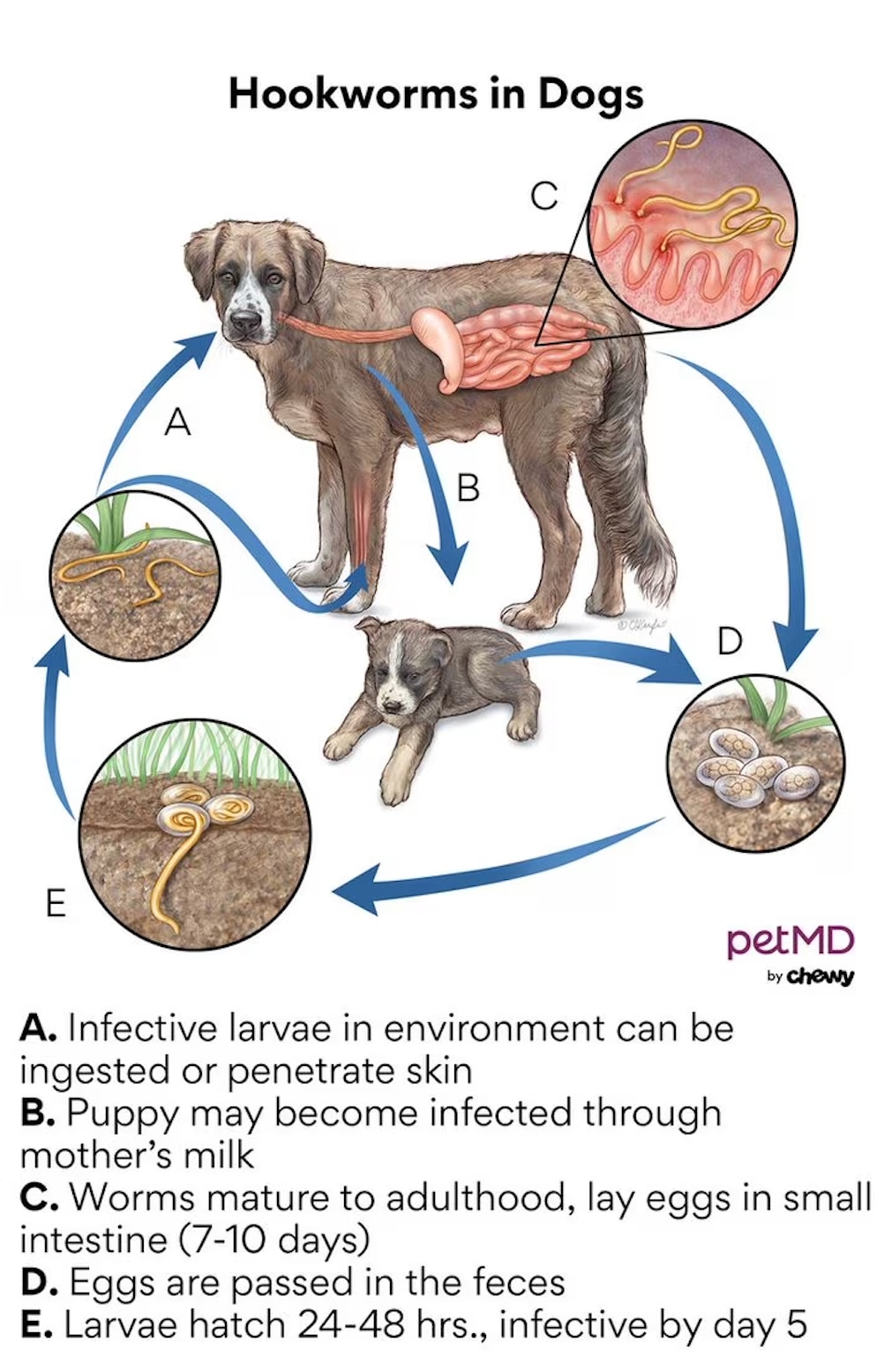
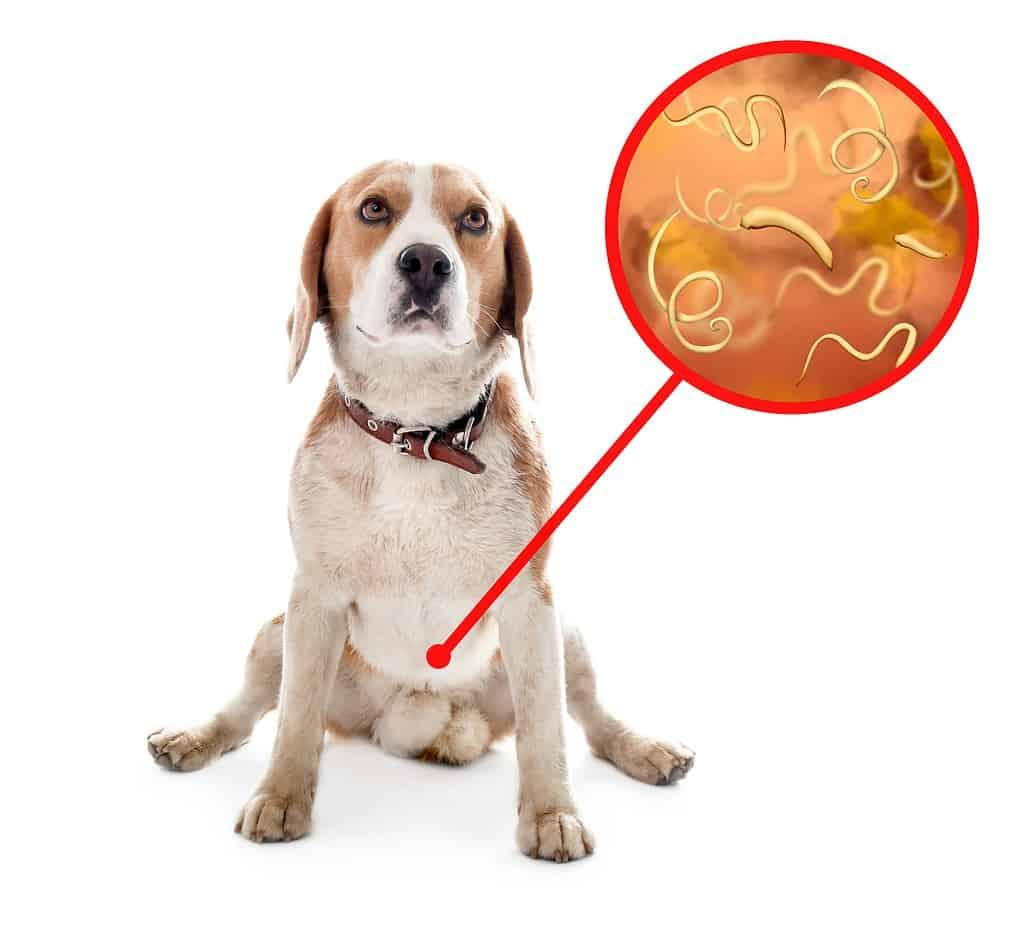
Internal parasites live inside the dog’s body, mainly in the intestines. Worms are the most common internal parasites. These include roundworms, tapeworms, hookworms, and whipworms. They can cause weight loss, diarrhea, and vomiting. Some internal parasites can also affect the lungs or heart. They spread through contaminated food, water, or contact with infected animals.
Types Of External Parasites
External parasites live on your dog’s skin or fur. Fleas, ticks, and mites are the main types. Fleas cause itching and skin irritation. Ticks can carry serious diseases, such as Lyme disease. Mites cause mange, leading to hair loss and skin damage. These parasites spread through contact with other animals or the environment. Regular checks and grooming can help control them.
Behavioral Changes To Watch For
Parasites often cause clear changes in a dog’s behavior. These changes can be signs of discomfort or illness. Watching your dog’s actions closely helps catch problems early. Small shifts in how your dog acts might mean parasites are present. Understanding these signs can protect your dog’s health and happiness.
Increased Scratching And Biting
Dogs with parasites often scratch or bite their skin more than usual. Fleas and mites cause itching that won’t stop. Your dog may bite paws or rub against furniture. This behavior shows irritation and discomfort. Check your dog’s fur and skin carefully for signs of parasites.
Restlessness And Lethargy
Parasites can make a dog restless or very tired. Your dog might pace or have trouble sleeping. Sometimes, the dog may seem weak and less playful. These changes can happen quickly or over time. Notice if your dog loses interest in walks or toys.
Physical Signs Of Parasites
Parasites can cause many problems for dogs. They often show up in physical ways. Watching your dog closely can help spot these signs early. This helps you get treatment fast and protect your dog’s health.
Physical signs of parasites are often clear and easy to see. They affect different parts of your dog’s body. Checking your dog regularly is important for their well-being.
Visible Worms Or Eggs
Seeing worms or eggs is a clear sign of parasites. Worms may appear in your dog’s stool or around the anus. Sometimes you might notice tiny white eggs on their fur. These signs mean your dog needs a vet check quickly.
Changes In Coat And Skin
Parasites can cause your dog’s coat to look dull. Hair may fall out or become patchy. Skin can become red, itchy, or inflamed. Scratching and biting more than usual can show irritation. These changes are a warning to check for parasites.
Weight Loss And Bloating
Parasites often steal nutrients from your dog. This causes sudden weight loss without changes in diet. Your dog’s belly may look swollen or bloated. Bloating can make your dog uncomfortable or restless. These signs suggest internal parasites may be present.
:strip_icc()/canine-parasites-3385013-v1-5bacee6246e0fb00258c08c5.png)
Credit: www.thesprucepets.com
Digestive Symptoms
Digestive symptoms often reveal if a dog has parasites. These symptoms show how parasites affect the stomach and intestines. Watch for changes in your dog’s digestion and behavior. Early signs help catch the problem before it worsens.
Vomiting And Diarrhea
Vomiting and diarrhea are common signs of parasites in dogs. Parasites irritate the stomach lining, causing vomiting. Diarrhea happens when parasites upset the intestines. This can lead to dehydration quickly. Notice if your dog vomits or has loose stools often. These symptoms may come and go but still need attention.
Loss Of Appetite
Parasites can make dogs lose their appetite. The discomfort in the digestive system reduces hunger. A dog may refuse food or eat less than usual. Weight loss can follow if the problem lasts long. Monitor your dog’s eating habits every day. A sudden drop in appetite signals a possible parasite issue.
Diagnostic Methods
Detecting parasites in dogs requires accurate diagnostic methods. These methods help identify the type and severity of the infestation. Early detection allows for timely treatment and better health outcomes for your pet.
Veterinary Stool Tests
Stool tests are a common way to check for parasites. The vet collects a small feces sample from your dog. This sample is examined under a microscope for parasite eggs or larvae. Stool tests can detect worms like roundworms and hookworms. Sometimes, multiple samples are needed to confirm the diagnosis. These tests are painless and quick for your dog.
Blood Tests And Physical Exams
Blood tests can reveal parasites that live in the bloodstream. They help find heartworms and other blood-borne parasites. Vets also perform physical exams to check for signs like weight loss or skin issues. They look for abnormal behavior or discomfort that could indicate parasites. Combining blood tests with exams gives a full picture of your dog’s health.
Credit: www.petmd.com
Preventive Measures
Preventive measures help keep your dog free from parasites. These steps protect your pet’s health and comfort. Regular care and attention stop parasites before they cause harm. Simple routines make a big difference in your dog’s life.
Regular Deworming
Deworming your dog regularly removes internal parasites like worms. Your vet can suggest the right schedule and medicine. Follow this plan to keep your dog healthy. Skipping doses can let parasites grow and spread.
Flea And Tick Control
Fleas and ticks carry many parasites and diseases. Use vet-approved treatments to kill and prevent these pests. Check your dog’s fur often, especially after outdoor play. Early removal stops bites and infections.
Maintaining Clean Living Areas
Parasites thrive in dirty environments. Clean your dog’s bedding and toys regularly. Remove waste and keep the yard tidy. A clean space lowers the risk of parasite exposure. Your dog will feel safer and happier.
When To Seek Veterinary Help
Knowing when to seek veterinary help is crucial if your dog has parasites. Some signs need quick action. Others may require a vet visit during regular check-ups. Early care can stop serious health problems. Watch your dog closely and act fast when needed.
Emergency Symptoms
Take your dog to the vet immediately if you see severe signs. These include sudden weakness, heavy vomiting, or diarrhea with blood. Rapid breathing or trouble breathing also needs urgent care. Swelling of the belly or pale gums are critical symptoms. These may show a serious parasite infection. Quick treatment can save your dog’s life.
Routine Check-ups
Parasites can hide without clear signs for a long time. Schedule regular vet visits to catch parasites early. The vet will check your dog’s stool and overall health. They may give preventive medicine to avoid infections. Routine care keeps your dog healthy and parasite-free. Stay consistent with these visits for peace of mind.
Credit: www.morganpetclinic.com
Frequently Asked Questions
What Are Common Signs My Dog Has Parasites?
Look for itching, diarrhea, weight loss, vomiting, and visible worms in stool.
How Can I Check My Dog For Parasites At Home?
Observe behavior changes, check coat condition, and examine stool for abnormalities.
Which Parasites Affect Dogs Most Often?
Roundworms, tapeworms, hookworms, and fleas are the most common parasites.
Can Parasites In Dogs Cause Serious Health Problems?
Yes, untreated parasites can cause anemia, organ damage, and poor growth.
How Often Should I Test My Dog For Parasites?
Test your dog at least once a year or as recommended by a vet.
What Should I Do If My Dog Has Parasites?
Visit a vet for diagnosis and follow prescribed treatments to remove parasites.
Conclusion
Detecting parasites early helps keep your dog healthy and happy. Watch for signs like itching, weight loss, or tummy troubles. Regular vet visits can catch problems fast. Treating parasites quickly stops them from spreading. Clean your dog’s living area often.
Stay alert, stay safe. Your dog depends on you for care and comfort. Taking simple steps makes a big difference. Keep your furry friend parasite-free and joyful every day.
As an Amazon Associate, I earn from qualifying purchases.