Is your dog showing signs of discomfort when going to the bathroom? You might be wondering if a urinary tract infection (UTI) is the cause.
Knowing how to test your dog for a UTI can save your furry friend from pain and prevent bigger health problems. You’ll discover simple, effective ways to spot the signs and test for a UTI at home or with your vet’s help.
Keep reading to learn exactly what steps you should take to protect your dog’s health and comfort.

Credit: www.amazon.com
Recognizing Uti Symptoms
Recognizing the symptoms of a urinary tract infection (UTI) in dogs is the first step to helping your pet. UTIs can cause discomfort and health problems if left untreated. Observing your dog closely can catch signs early. Early detection leads to quicker treatment and less pain for your dog.
Common Signs In Dogs
Frequent urination is a common sign of a UTI. Your dog might urinate small amounts often. Blood in the urine can also appear. Watch for cloudy or strong-smelling urine. Your dog may lick the genital area more than usual. Some dogs may have accidents inside the house. Pain or difficulty while urinating is another key sign.
Behavioral Changes To Watch
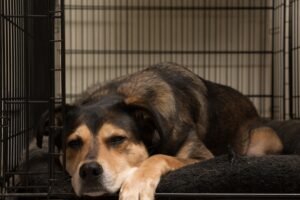
A dog with a UTI may seem tired or less active. They might seem restless or uncomfortable. Your dog could show signs of pain when you touch the belly. Some dogs may become irritable or withdrawn. Loss of appetite can also happen. Pay attention if your dog starts drinking more water than usual.
Credit: www.itlbiomedical.com
Preparing For The Test
Preparing your dog for a UTI test is an important step to get accurate results. Careful preparation makes the process easier for both you and your pet. It also helps the vet diagnose and treat the infection quickly.
Gathering Necessary Supplies
Start by collecting all the tools you need for the urine sample. Use a clean container with a secure lid. Avoid containers that may have chemicals or residues. You may also need gloves to keep things clean. Have paper towels or wipes ready to clean any spills. Prepare everything before you begin to avoid stress during the process.
Timing The Sample Collection
Choose the best time to collect the urine sample. Early morning is often ideal because the urine is more concentrated. Try to catch the urine midstream to avoid contamination. Watch your dog closely during walks or bathroom breaks. Collect the sample quickly and store it in a cool place. Take the sample to the vet within two hours for the best test results.
Collecting A Urine Sample
Collecting a urine sample is the first step to test your dog for a urinary tract infection (UTI). This sample helps the vet see what is causing the problem. It must be done carefully to avoid mistakes. A clean sample gives clear results.
Methods For Sample Collection
There are several ways to collect urine from your dog. The easiest is catching urine midstream during your dog’s walk. Use a clean container to catch the urine directly. Another way is using a special syringe or bag placed near the dog’s urethra. The vet may also use a needle to collect urine directly from the bladder. This method is called cystocentesis and is very clean but needs a professional.
Tips For Stress-free Collection
Keep your dog calm before collecting the sample. Choose a quiet place without distractions. Use a gentle voice and offer treats to relax your dog. Try to collect urine when your dog is naturally ready to pee. Avoid rushing or forcing your dog. Clean your hands and containers well to avoid contamination. Stay patient and calm throughout the process.
Performing Home Urine Tests
Performing home urine tests can help detect a urinary tract infection (UTI) in dogs early. Testing at home saves time and reduces stress for your pet. These tests give quick results and guide you to seek veterinary care if needed.
Using Test Strips
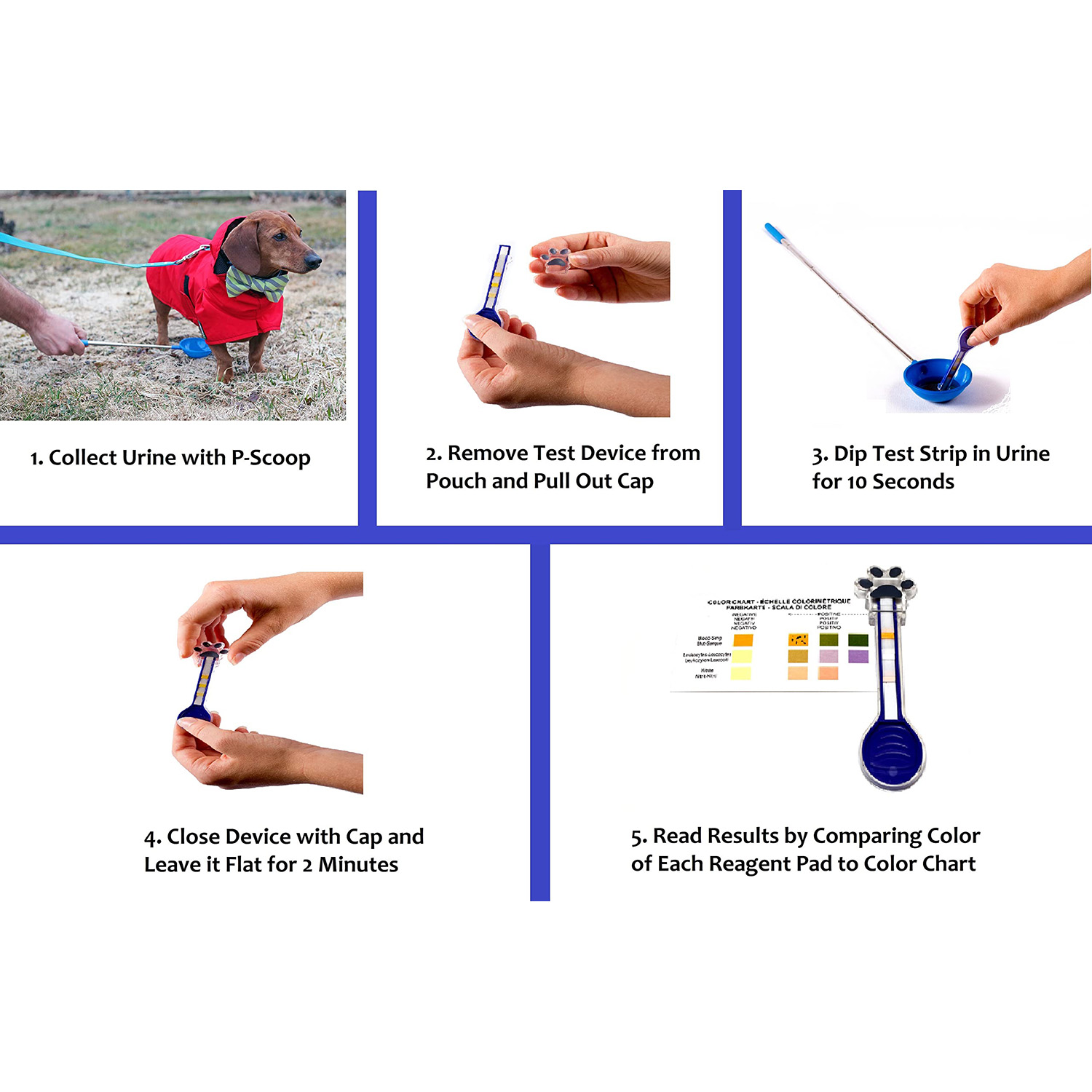
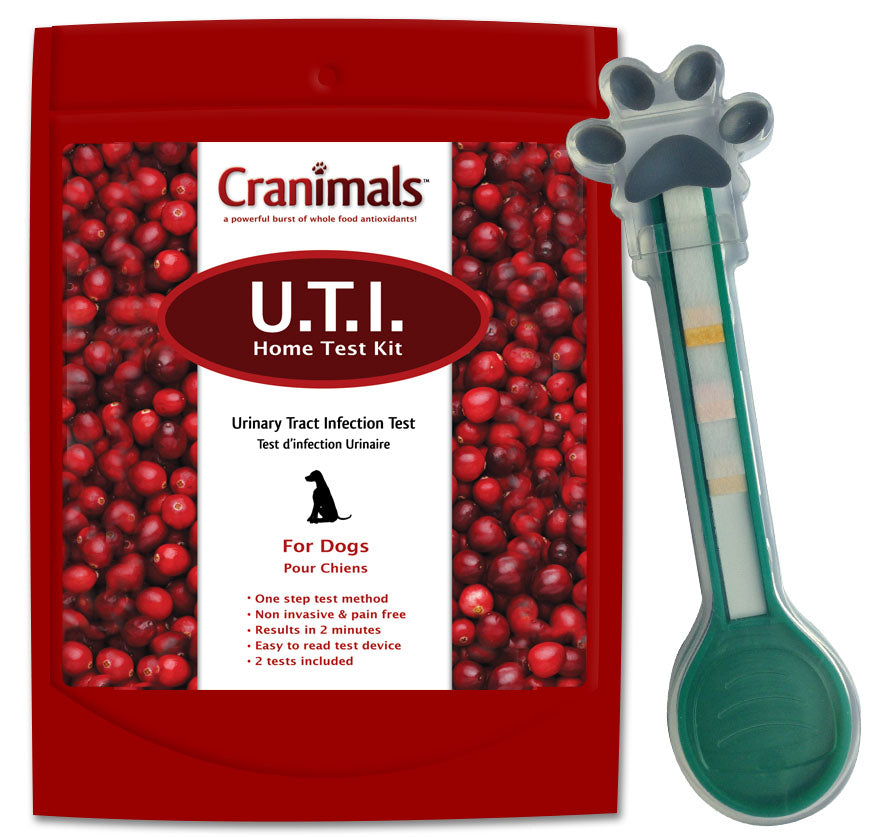
Test strips are easy to use and widely available. Collect a fresh urine sample in a clean container. Dip the test strip briefly into the urine, then remove it. Wait for the strip to change color according to the instructions. Each strip has different pads that check for signs of infection.
Interpreting Results
Match the colors on the test strip to the chart on the package. Look for signs such as blood, protein, or high pH levels. These may indicate a UTI. A normal result shows no abnormal colors on the strip. If you see unusual colors, contact your vet for advice and further testing.
When To Visit The Veterinarian
Knowing when to visit the veterinarian is important for your dog’s health. Urinary tract infections (UTIs) can cause discomfort and lead to serious problems. Early veterinary care can help stop the infection from getting worse. Watch for signs like frequent urination, blood in urine, or pain while peeing. If your dog shows these signs, a vet visit is needed.
Confirming Diagnosis
The vet will perform tests to confirm a UTI. A urine sample is taken and checked for bacteria. Sometimes, blood tests may be done to see overall health. These tests help the vet find the exact cause of the infection. Accurate diagnosis is key to effective treatment.
Treatment Options
Treatment usually involves antibiotics to clear the infection. The vet will prescribe the right medicine and dose. Give all medicines as directed, even if symptoms improve. Your dog may also need pain relief or extra water intake. Follow the vet’s advice carefully for best results.
Preventing Future Infections
Preventing future urinary tract infections (UTIs) in dogs is key to keeping them healthy and happy. Regular care and attention can lower the risk of infections. Small changes in daily habits make a big difference. This section covers practical steps to help protect your dog from UTIs.
Hygiene Practices
Keep your dog’s genital area clean and dry. Wipe gently after bathroom breaks to remove dirt and bacteria. Bathe your dog regularly with mild shampoo. Avoid harsh soaps that irritate the skin. Trim hair around the urinary opening to prevent moisture buildup. Clean your dog’s bedding and living area often. These steps reduce bacteria growth and infection risks.
Diet And Hydration Tips
Encourage your dog to drink plenty of water every day. More water helps flush out the urinary tract. Wet dog food can increase fluid intake. Avoid foods with high salt or sugar content. Balanced nutrition supports your dog’s immune system. Certain supplements may promote urinary health; consult your vet for advice. Proper diet and hydration keep your dog’s urinary system strong.
Credit: cranimals.com
Frequently Asked Questions
How Do I Know If My Dog Has A Uti?
Signs include frequent urination, blood in urine, and licking the genital area.
What Tools Are Needed To Test A Dog For Uti?
A clean container for urine collection and a test strip or vet lab analysis.
Can I Test My Dog’s Urine At Home For Uti?
Yes, with proper urine collection and test strips, but vet confirmation is best.
How To Collect A Urine Sample From A Dog For Uti Test?
Use a clean container during urination, preferably midstream, to avoid contamination.
What Does A Positive Uti Test Look Like In Dogs?
Test strips show color changes indicating bacteria or blood presence in urine.
When Should I Visit The Vet For My Dog’s Uti Symptoms?
If symptoms persist beyond a day or worsen, seek veterinary care promptly.
Conclusion
Testing your dog for a UTI helps catch problems early. Quick testing means faster treatment and less pain. Watch for signs like frequent urination or blood in urine. A simple urine test at the vet gives clear answers. Always keep your dog’s water bowl full and clean.
Regular checks protect your dog’s health and comfort. Stay alert and act fast if you suspect a UTI. Your dog will thank you with a happy, healthy life.
As an Amazon Associate, I earn from qualifying purchases.