Have you ever wondered if your dog might have rabies? It’s a scary thought, but knowing the signs can protect both you and your furry friend.
Rabies is a serious disease that can be deadly if not caught early. You will learn clear and simple ways to spot if your dog could be infected. By understanding these warning signs, you can act quickly and keep your loved ones safe.
Keep reading to discover what to watch for and what steps to take if you suspect rabies. Your dog’s health might depend on it.
Rabies Basics
Understanding rabies is important to keep dogs and people safe. Rabies is a serious disease that affects the brain. Knowing the basics helps you spot signs early. It also helps protect your pet and family.
This section explains what rabies is, how it spreads, and who is at risk. Simple facts to help you stay informed and prepared.
What Is Rabies?
Rabies is a virus that attacks the nervous system. It mainly affects mammals like dogs, bats, and raccoons. The virus causes brain inflammation. Without treatment, rabies is usually fatal. Early symptoms include fever and weakness. Later, animals may become aggressive or confused.
How Rabies Spreads
Rabies spreads through saliva from an infected animal. Most often, it spreads by bites. The virus enters the body through broken skin or mucous membranes. It then travels to the brain. Contact with wild animals or stray dogs increases risk. Rabies cannot spread through touching or blood.
Who Is At Risk?
Dogs that are not vaccinated are at high risk. Pets that roam outside face more danger. People who handle animals, like vets, face higher risk. Children are vulnerable because they play with animals. Wild animals in certain areas carry rabies more often. Awareness can help protect both pets and people.
Early Symptoms In Dogs
Recognizing the early symptoms of rabies in dogs is vital for quick action. Rabies affects the nervous system and shows signs before it gets worse. Early detection can save your dog’s life and protect your family.
Behavioral Changes
Dogs with rabies may act unusually. They can become restless or aggressive without reason. Some dogs might hide or avoid people. Sudden mood swings or confusion are common signs. Watch for any strange behavior that lasts more than a day.
Fever And Weakness
Rabies often starts with a mild fever. The dog may seem weak or tired. They might sleep more and move less than usual. Weakness in the legs or trouble walking can appear early. These signs show the infection is affecting the body.
Loss Of Appetite
A sick dog may refuse to eat or drink. Loss of appetite is a common early symptom of rabies. This leads to weakness and dehydration quickly. Notice if your dog avoids food for more than a day. It is a warning that something is wrong.
Progressive Signs Of Rabies
Rabies is a deadly disease that affects a dog’s nervous system. The signs do not appear all at once. They show up in stages and get worse over time. Knowing these signs can help you act quickly.
The progressive signs of rabies start with changes in behavior. Then, physical symptoms appear. These signs show how the disease moves through the dog’s body. Watching for these symptoms is very important.
Aggression And Irritability
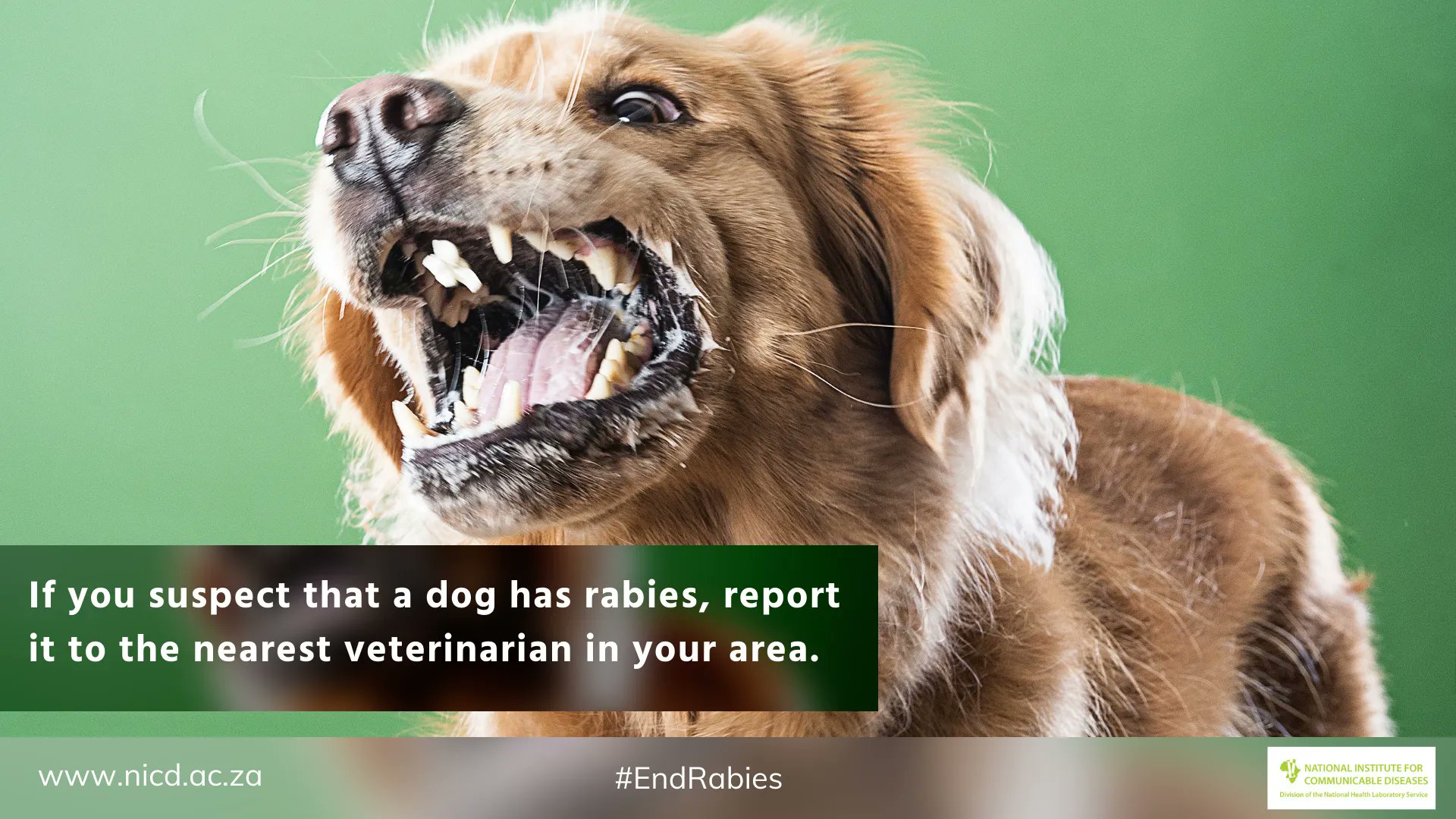
One of the first signs is a change in mood. Dogs may become angry or very nervous. They might growl or snap without reason. This sudden aggression is unusual for most pets. It can be a warning sign of rabies.
Excessive Drooling
Rabies affects the mouth and throat. This causes dogs to drool more than usual. The drool may look thick and sticky. This happens because the dog cannot swallow well. Excessive drooling is a clear sign to watch for.
Difficulty Swallowing
Dogs with rabies struggle to swallow food or water. This makes them look like they are choking. You might see their throat move strangely. This problem happens as the disease paralyzes muscles. Difficulty swallowing is serious and needs immediate attention.

Credit: www.crittercreekvet.com
Late-stage Symptoms
Late-stage symptoms of rabies in dogs show serious changes in their body and behavior. These signs mean the disease is very advanced. Recognizing these symptoms can help you act quickly and seek emergency care for your pet.
Paralysis And Muscle Weakness
Paralysis starts in the legs and moves upward. Your dog may struggle to stand or walk. Muscle weakness causes a lack of coordination. This makes simple movements difficult or impossible.
The paralysis can spread to the throat and face. This affects swallowing and breathing. Dogs may drool more and choke easily.
Seizures And Tremors
Seizures occur as the virus attacks the brain. Your dog may shake uncontrollably. Tremors can be mild or severe. These episodes happen more often as the disease worsens.
Seizures can last seconds or minutes. Afterward, your dog might seem confused or tired. These signs show the nervous system is failing.
Unusual Vocalizations
Dogs with late-stage rabies often make strange sounds. They may growl, bark, or howl in unusual ways. These noises can be loud or weak.
Changes in vocalizations happen because of throat paralysis and pain. Your dog might also refuse to eat or drink. These sounds warn that the virus is near the end stage.
Rabies Diagnosis
Rabies diagnosis in dogs requires careful steps to identify the disease early. Rabies affects the nervous system and can be fatal. Early diagnosis helps protect humans and other animals.
Veterinarians use several methods to confirm if a dog has rabies. Some tests need time and special equipment. This makes quick diagnosis challenging but important.
Veterinary Examination
The first step is a thorough veterinary examination. The vet checks the dog’s behavior and physical signs. Symptoms like aggression, drooling, and paralysis raise suspicion. The vet also asks about the dog’s recent activities and possible exposure to wild animals. This initial check guides further testing.
Laboratory Tests
Lab tests provide more accurate results. Blood tests and saliva samples can detect the rabies virus. These tests look for viral RNA or antibodies. Testing can take a few days to complete. No single test alone confirms rabies; vets use a combination of tests.
Post-mortem Confirmation
Definitive rabies diagnosis happens after death. The vet examines brain tissue for the virus. This test is called a fluorescent antibody test. It is the most reliable method to confirm rabies. Post-mortem diagnosis helps track disease spread and protects others.
Preventing Rabies In Dogs
Rabies is a deadly disease that affects dogs and humans. Preventing rabies in dogs protects your pet and family. Simple steps help keep your dog safe and healthy. Understanding these steps is key to prevention.
Vaccination Importance
Vaccination is the best way to protect dogs from rabies. Dogs must get rabies shots regularly. These shots help the dog’s body fight the virus. Without vaccination, dogs are at high risk. Always follow the vet’s vaccination schedule.
Avoiding Wild Animal Contact
Wild animals often carry rabies. Keep dogs away from bats, raccoons, and foxes. Do not let your dog roam freely in wild areas. Watch your dog during walks and playtime. Avoid places where wild animals are common.
Regular Vet Checkups
Take your dog to the vet often. Regular checkups help spot health problems early. The vet can check your dog’s vaccination status. They also give advice on rabies prevention. Healthy dogs have a better chance to resist diseases.
What To Do If You Suspect Rabies
Suspecting rabies in a dog requires quick and careful action. Rabies is a deadly virus that spreads through bites and saliva. Acting fast can protect you and others from serious harm. Know the steps to take right away.
Immediate Safety Measures
Stay calm and keep distance from the dog. Do not touch or try to hold the animal. Avoid any contact with its saliva or bite wounds. If bitten, wash the area with soap and water for 15 minutes. This helps reduce the risk of infection. Keep children and pets away from the animal.
Contacting Authorities
Call local animal control or health department right away. Report the dog’s behavior and location clearly. Provide details like the time and place of the encounter. Authorities will handle the dog safely and check for rabies. Reporting helps protect your community from the virus.
Handling Potential Exposure
Seek medical help immediately if bitten or scratched. Doctors can give a vaccine to stop rabies before symptoms start. Follow all medical instructions carefully and complete the treatment. Watch for signs of infection or illness in the following weeks. Prompt care is crucial to prevent this fatal disease.

Credit: www.williamscaputo.com
Credit: kdfoundation.org
Frequently Asked Questions
What Are The Early Signs Of Rabies In Dogs?
Early signs include changes in behavior, restlessness, and unusual aggression or fearfulness.
How Does Rabies Affect A Dog’s Behavior?
Rabies can make dogs act confused, aggressive, or overly shy and scared.
Can A Dog With Rabies Show Physical Symptoms?
Yes, symptoms include drooling, difficulty swallowing, and paralysis.
How Quickly Do Rabies Symptoms Appear In Dogs?
Symptoms usually appear within 1 to 3 months after exposure.
Is Rabies In Dogs Always Fatal?
Rabies is almost always fatal once symptoms appear, so prevention is key.
How Can I Protect My Dog From Rabies?
Vaccinate your dog regularly and avoid contact with wild or stray animals.
Conclusion
Recognizing signs of rabies in dogs saves lives. Watch for unusual behavior or aggression. Acting quickly can prevent serious harm. Always seek help from a vet right away. Keep your dog’s vaccinations up to date. Stay alert and protect your furry friend.
Rabies is dangerous but manageable with care. Trust your instincts and stay informed. Safety for your dog and family matters most.
As an Amazon Associate, I earn from qualifying purchases.