If your small pet needs extra care, a small animal oxygen cage could be the lifesaver you’re looking for. Whether your furry friend is recovering from an illness or struggling to breathe, this specialized cage provides a safe, controlled environment with the right amount of oxygen.
Imagine giving your pet the comfort and support they need without the stress of complicated equipment. You’ll discover how a small animal oxygen cage works, why it’s important, and how it can make a real difference in your pet’s recovery.
Keep reading to learn how to bring better care and peace of mind to your home.

Credit: todaysveterinarypractice.com
Benefits Of Oxygen Therapy
Oxygen therapy helps small animals heal faster and feel better. It gives extra oxygen to the body. This supports organs and cells to work well during illness.
Animals with breathing problems get relief with oxygen therapy. It can also reduce stress and pain. The therapy improves blood flow and energy levels.
How Oxygen Aids Recovery
Oxygen supports cell repair and growth. It helps wounds heal faster. It also reduces swelling and inflammation in the body.
Extra oxygen improves heart and lung function. This helps animals breathe easier. It lowers the risk of complications during recovery.
Common Conditions Treated
Oxygen therapy treats many health problems in small animals. It helps with pneumonia and asthma. It is useful in heart disease cases.
Animals with trauma or shock benefit from oxygen therapy. It supports those with infections or poisoning. It also aids recovery after surgery.

Credit: www.snydermfg.com
Design Features Of Oxygen Cages
Oxygen cages for small animals have special design features that help them work well. These cages support animals that need extra oxygen to breathe. The design focuses on comfort, safety, and easy use. Each feature helps keep animals calm and healthy during treatment.
Materials And Construction
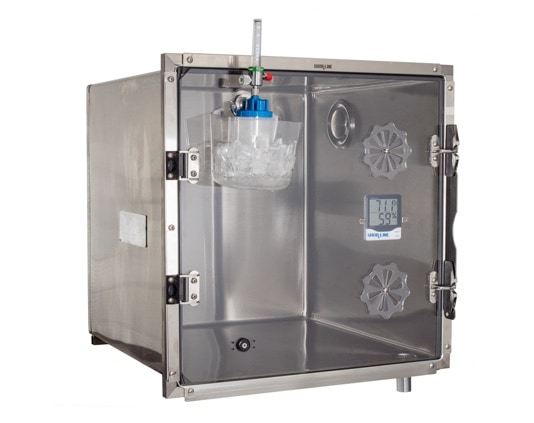
Oxygen cages use clear, strong materials like acrylic or polycarbonate. These materials let you see the animal without opening the cage. They resist scratches and cracks for long use. The construction must be airtight to hold oxygen inside. Joints and seams are sealed tightly to prevent leaks. The cage should be lightweight but sturdy for easy moving.
Size And Ventilation
Size matters for comfort and proper oxygen flow. Cages come in different sizes for small pets like rabbits or guinea pigs. The cage must be big enough for the animal to move a little. Ventilation controls oxygen levels and removes carbon dioxide. Small vents or ports help air flow without lowering oxygen. Good ventilation keeps the air fresh and safe for the animal.
Safety Mechanisms
Safety is key in oxygen cages. Locks and secure doors stop animals from escaping. Pressure relief valves prevent too much oxygen buildup. These valves keep the cage from becoming too tight or dangerous. The design avoids sharp edges that could harm the animal. Electrical parts are protected to prevent sparks or fires. These safety features protect both animals and caregivers.
Types Of Small Animal Oxygen Cages
Small animal oxygen cages come in different types to fit various needs. Each type offers unique features for care and treatment. Choosing the right one depends on the animal’s condition and the environment.
Portable Models
Portable oxygen cages are small and easy to move. They help in emergencies and travel situations. These models are lightweight and can fit in tight spaces. They provide oxygen to animals without much hassle. Ideal for vets who visit homes or clinics without fixed setups.
Stationary Units
Stationary oxygen cages are larger and stay in one place. They offer more space and comfort for animals. These units have better control of oxygen levels and temperature. Common in veterinary clinics and hospitals. Perfect for long-term care and stable environments.
Diy Options
DIY oxygen cages can be made at home with simple materials. They are cost-effective and customizable. Many owners build these cages for pets needing oxygen support. Important to ensure proper ventilation and safety. DIY cages need careful monitoring for best results.
Setting Up The Oxygen Cage
Setting up a small animal oxygen cage requires care and precision. The right setup helps your pet breathe better and recover faster. This section explains key steps to prepare the cage for safe use.
Preparing The Environment
Choose a quiet, well-ventilated room for the cage. Avoid direct sunlight or drafts near the cage. Place the cage on a stable surface at a comfortable height. Remove any sharp objects or clutter around the area. Ensure the room temperature stays steady and comfortable. This helps keep your pet calm during oxygen therapy.
Oxygen Flow And Monitoring
Connect the oxygen source securely to the cage. Set the oxygen flow rate as per your vet’s instructions. Use a flowmeter to control the oxygen amount accurately. Monitor the oxygen level inside the cage regularly. Check your pet’s breathing and behavior often. Adjust the flow if the animal shows distress or discomfort. Keep a pulse oximeter nearby to track oxygen saturation if possible.
Cleaning And Maintenance
Clean the cage daily to prevent infections and odors. Use mild soap and warm water for washing. Avoid harsh chemicals that might harm your pet. Dry the cage thoroughly before reuse. Check for cracks or damage regularly. Replace any broken parts immediately. Keep all equipment clean and well-maintained for safe oxygen delivery.
Using The Cage For Different Pets
Small animal oxygen cages help pets breathe better during illness or surgery. They provide a safe space with extra oxygen. Different pets need different care inside these cages. Understanding how to use the cage for various animals ensures better recovery and comfort.
Cats And Small Dogs
Cats and small dogs often need oxygen after surgery or illness. The cage keeps oxygen levels steady and calm. It reduces stress by limiting noise and movement. These pets rest well inside the cage. The size fits them perfectly without feeling trapped.
Rabbits And Rodents
Rabbits and rodents are sensitive to oxygen levels. The cage helps maintain fresh air and warmth. It stops drafts that can cause illness. These small animals feel secure in the cage. Their breathing improves with the steady oxygen supply.
Exotic Small Animals
Exotic pets like ferrets or hedgehogs need careful oxygen therapy. The cage environment can adjust for their unique needs. It controls humidity and temperature well. This helps prevent stress and breathing problems. Exotic animals recover faster inside the cage.
Monitoring Pet Health Inside The Cage
Monitoring pet health inside the oxygen cage is vital for small animals needing extra care. The cage creates a controlled environment with higher oxygen levels. It helps pets breathe easier and recover faster. Close observation helps detect changes early. This lets you act quickly and keep pets safe.
Watch your pet often. Check breathing rate, behavior, and energy. Small changes can mean big health updates. Understanding signs of improvement or problems helps maintain good care.
Signs Of Improvement
Look for steady breathing without effort. Pets should start moving more and show interest in food. Bright eyes and calm rest are good signs. Less coughing or wheezing means healing is underway. These signs show the oxygen cage is helping your pet.
Potential Complications
Notice if breathing becomes faster or labored. Watch for unusual sounds like wheezing or gasping. If your pet stays weak or refuses food, this may be a problem. Skin color changes, like pale or blue gums, need attention. These signs can mean complications inside the cage.
When To Seek Veterinary Help
Call a vet if breathing worsens or stops. Immediate help is needed if your pet loses consciousness. Persistent coughing or bleeding also requires a vet visit. If your pet shows pain or extreme weakness, get help fast. Early veterinary care improves recovery chances.
Cost And Accessibility
Understanding the cost and accessibility of a small animal oxygen cage helps in planning for proper care. This equipment supports animals with breathing problems and can be vital in emergencies. Knowing the price and where to get it ensures you are ready when needed.
Price Range
Small animal oxygen cages vary in price. Basic models start around $500. More advanced cages can cost over $2,000. Price depends on size, features, and brand. Budget options exist, but quality should not be ignored. Investing in a reliable cage ensures better care for your pet.
Rental Vs Purchase
Renting an oxygen cage can lower initial costs. Short-term use makes renting a good choice. Buying is better for long-term or frequent use. Purchased cages often come with warranties and support. Consider how often you will need the cage before deciding.
Finding Suppliers
Suppliers for small animal oxygen cages include veterinary equipment stores and online shops. Some offer delivery and setup assistance. Check reviews and ask for recommendations from vets. Reliable suppliers provide clear product information and customer support. Local suppliers might help with quick service needs.
Credit: shor-line.com
Frequently Asked Questions
What Is A Small Animal Oxygen Cage Used For?
It helps deliver oxygen to sick or injured small pets safely and comfortably.
How Does A Small Animal Oxygen Cage Work?
Oxygen fills the cage, allowing the animal to breathe in clean, pure air.
Which Animals Benefit From An Oxygen Cage?
Small pets like rabbits, guinea pigs, and birds often use oxygen cages.
How To Set Up A Small Animal Oxygen Cage?
Place the pet inside, connect oxygen supply, and control the airflow gently.
Can Oxygen Cages Prevent Respiratory Problems?
They support breathing but do not replace veterinary care for serious issues.
How To Clean And Maintain An Oxygen Cage Safely?
Use mild soap and water; avoid harsh chemicals to keep the cage safe.
Conclusion
Small animal oxygen cages help pets breathe better and heal faster. They provide a safe, calm space with steady oxygen flow. Using one can reduce stress during treatment. Many vets trust these cages for sick or weak animals. Choosing the right cage supports your pet’s health.
Remember, timely care makes a big difference. Keep your small animal comfortable and breathing easy. It’s a simple step that can save lives. Oxygen cages are valuable tools in pet care.
As an Amazon Associate, I earn from qualifying purchases.