Are you curious about small animal auctions and how they work? Whether you’re a pet lover, a breeder, or just someone interested in unique animals, these auctions can offer exciting opportunities.
Imagine finding that perfect little companion or rare breed at a great price. But there’s more to small animal auctions than just buying and selling. Understanding the process can help you make smart decisions and avoid common pitfalls. Keep reading, and you’ll discover everything you need to know to navigate these auctions with confidence and get the best value for your money.

Credit: idumasale.com
What Are Small Animal Auctions
Small animal auctions are events where people buy and sell pets like rabbits, guinea pigs, hamsters, and other small animals. These auctions bring together breeders, pet owners, and buyers in one place. They offer a chance to find pets that may not be available in stores or shelters.
These auctions usually happen in a large hall or community center. Animals are shown one by one, and people bid money to buy them. The highest bid wins the animal.
Types Of Small Animals Sold
Many types of small animals appear at these auctions. Common pets include rabbits, guinea pigs, hamsters, mice, and rats. Some auctions also have birds like finches or small reptiles. Each animal often comes with basic care information.
How Auctions Work
Auctions follow a simple process. Animals are displayed for buyers to see. The auctioneer calls out a starting price. Bidders raise their hands or call out higher prices. The animal sells to the highest bidder at the end.
Benefits Of Small Animal Auctions
These auctions offer good prices for pets. Buyers can see many animals in one place. Sellers find interested buyers quickly. Auctions also help small breeders reach more people.
Things To Know Before Attending
Visitors should know auction rules before attending. It helps to check the health and condition of animals. Bringing cash or a payment method is important. Knowing how to care for the animal is also wise.

Credit: www.homestead.org
Benefits Of Buying At Auctions
Buying small animals at auctions offers many advantages. Auctions bring together many sellers and buyers in one place. This setup creates a unique chance to find a wide variety of animals.
Prices at auctions can be lower than in regular pet shops or breeders. Auctions also offer transparency in pricing and animal condition. You can see the animals before bidding.
Wide Selection Of Small Animals
Auctions feature many types of small animals. Rabbits, guinea pigs, hamsters, and birds are common. This variety lets buyers choose the best fit for their needs and home.
Competitive Pricing
Prices are set by bids from buyers. This can lead to lower costs than fixed prices in stores. Buyers can save money by watching and bidding carefully.
Opportunity To Inspect Animals
Buyers can see animals before bidding. This helps check health and behavior. It reduces the risk of buying unhealthy animals.
Chance To Meet Sellers And Experts
Auctions bring sellers and animal experts together. Buyers can ask questions about care and origin. This interaction helps in making informed decisions.
Types Of Small Animals Commonly Sold
Small animal auctions offer a variety of pets for sale. These animals are often easy to care for and great for homes with limited space. Many people attend these auctions to find friendly companions or unique pets.
This section highlights the common types of small animals sold at these events. Each animal has its own needs and personality. Knowing about them helps buyers make good choices.
Rabbits
Rabbits are popular at small animal auctions. They come in many breeds and colors. These animals are gentle and social. Many people keep rabbits indoors or in outdoor hutches. They need fresh food, water, and space to hop.
Guinea Pigs
Guinea pigs are small, friendly rodents. They enjoy company and are easy to handle. Guinea pigs need a clean cage and fresh vegetables daily. Their soft sounds make them good pets for children.
Hamsters
Hamsters are tiny and active at night. They like running wheels and tunnels. These animals live in cages with bedding. Hamsters need fresh water and a balanced diet. They are perfect for small homes.
Gerbils
Gerbils are curious and social animals. They enjoy digging and exploring. Gerbils need a cage with bedding and toys. They are less noisy than hamsters. Gerbils make great beginner pets.
Birds
Small birds like finches and budgies appear at auctions. Birds are lively and colorful pets. They need cages with perches and fresh water. Birds enjoy social interaction and toys. They add sound and life to any home.
Fish
Some auctions offer small fish species. Fish need clean tanks with filters. They come in many colors and sizes. Fish are calm pets that require careful care. They are good for people with allergies.
How To Find Local And Online Auctions
Finding small animal auctions is easier than many think. Both local and online options offer great chances to buy pets and supplies. Knowing where and how to search helps save time and find the best deals.
Local auctions let buyers see animals in person. Online auctions offer convenience and variety. This guide covers easy ways to find auctions near you and on the internet.
Search Local Community Boards And Groups
Community boards often list local auctions. Visit town halls, pet stores, or vet clinics for flyers. Join local Facebook groups or online forums focused on animals. These places share auction news regularly.
Use Online Auction Websites
Popular auction sites host small animal sales. Register on platforms like eBay or specialized pet auction sites. Set alerts for new listings in your area or preferred animal type. This keeps you updated without constant checking.
Check With Animal Breeders And Clubs
Breeders and clubs often hold auctions or know about them. Contact local breeders for dates and locations. Join clubs related to specific animals to get insider info. These sources offer trusted auction opportunities.
Visit Agricultural Fairs And Markets
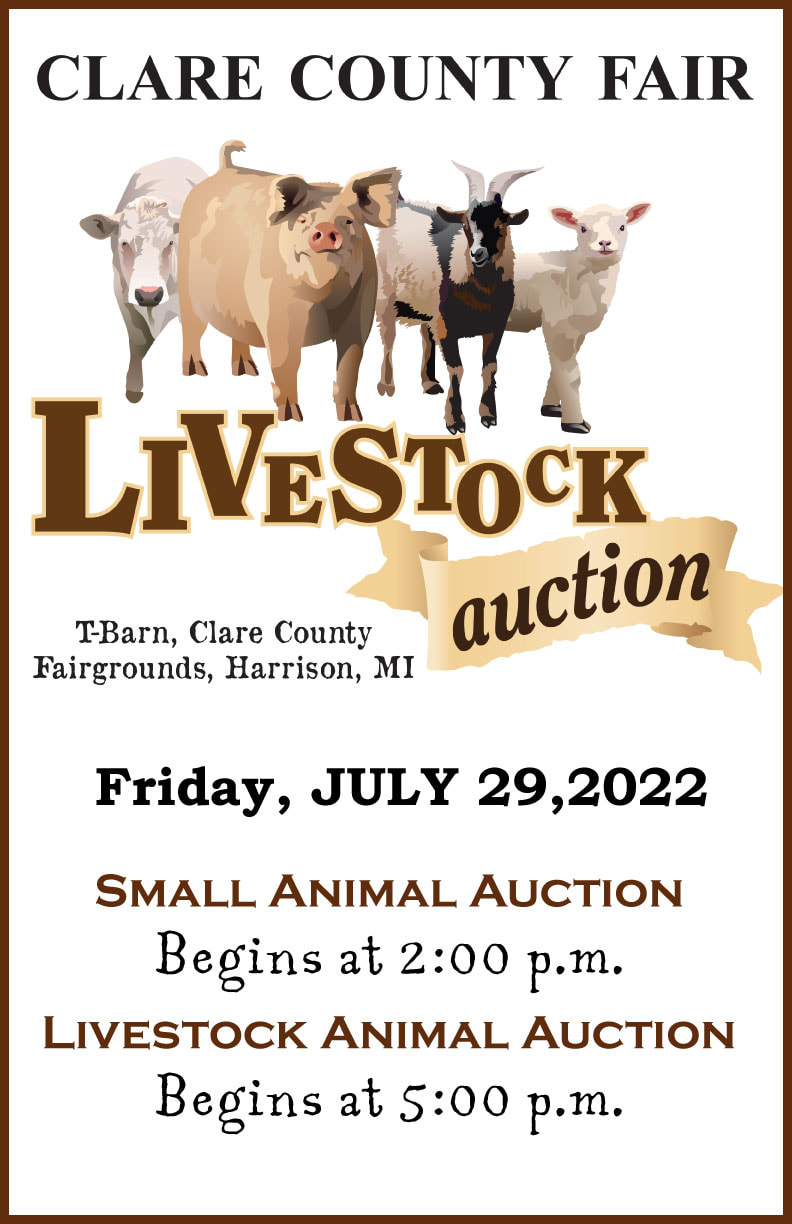
Fairs and markets usually include animal auctions. Attend events in your region during the season. These auctions often have a variety of small animals. It’s a good chance to see animals up close and meet sellers.
Subscribe To Auction Newsletters
Many auction houses send newsletters about upcoming events. Sign up for newsletters from local and national auction companies. Newsletters provide dates, animal types, and auction rules. This helps plan visits ahead.
Preparing For Your First Auction
Preparing for your first small animal auction can feel exciting and a bit overwhelming. Knowing what to expect helps you stay calm and make smart choices. This guide breaks down key steps to get ready for the event.
Setting A Budget
Decide how much money you want to spend before the auction starts. Auctions can be fast, and prices may rise quickly. Having a clear budget stops you from overspending. Remember to include extra costs like transport or care supplies.
Researching Animal Breeds
Learn about the types of small animals available at the auction. Each breed has different needs and traits. Choose breeds that fit your lifestyle and space. Knowing about the animals helps you spot healthy ones and avoid surprises later.
Understanding Auction Terms
Auctions have special words and rules to know. Words like “bid,” “reserve,” and “hammer price” come up often. Understanding these terms helps you follow the process. It also keeps you confident when placing bids and talking to sellers.
Credit: www.clarecountyfair.org
Bidding Strategies For Best Deals
Bidding at small animal auctions can be exciting and tricky. Using smart strategies helps you get the best deals. Know when to bid and watch others closely. Stay calm and think clearly. These tips will improve your chances of winning.
Observing The Competition
Watch other bidders carefully. Notice their style and how much they spend. Some bidders jump in fast, others wait. Learning their habits helps you plan your moves. Avoid bidding wars early. Let others reveal their limits first.
Timing Your Bids
Timing is key in auctions. Start with low bids to test interest. Wait for the right moment to raise your offer. Many bidders act near the end. Bidding too soon can drive prices up. Patience often saves money.
Staying Calm Under Pressure
Auctions can feel stressful. Keep your cool and stick to your budget. Don’t bid just to win. Think about the value of the animal. Calmness helps you make smart choices. Avoid rash decisions that waste money.
Inspecting Animals Before Purchase
Inspecting animals before purchase at small animal auctions is very important. It helps ensure you choose a healthy pet. Careful inspection can prevent future health problems and emotional stress. Taking time to check animals closely saves money and worry.
Health Checks
Start with a basic health check. Look for clear eyes and clean fur. Check for signs of injury or illness. Breathing should be smooth and quiet. Ask the seller about the animal’s medical history. Healthy animals are usually active and alert.
Behavior Assessment
Observe how the animal acts around people. Friendly and curious animals are easier to handle. Watch for signs of fear or aggression. Animals that hide or resist may be stressed. Choose those that respond calmly to touch and sound.
Identifying Common Issues
Look for common problems like mites, fleas, or skin wounds. Check paws and nails for damage or overgrowth. Notice any swelling or lumps on the body. Be aware of unusual smells that may indicate infection. Spotting these issues early helps you avoid sick pets.
Legal And Ethical Considerations
Small animal auctions must follow strict legal and ethical guidelines. These rules protect animals and ensure fair trading practices. Understanding these considerations helps buyers and sellers act responsibly. It also promotes the well-being of the animals involved.
Animal Welfare Laws
Laws protect small animals from harm during auctions. These laws cover their housing, transportation, and care. Sellers must keep animals healthy and safe. Ignoring these laws can lead to fines or legal action. Animal welfare ensures animals are treated with respect and kindness.
Responsible Ownership
Owning small animals means providing proper care and attention. Buyers must be ready for daily needs and long-term care. Responsible owners understand animal behavior and health signs. They provide safe homes and proper food. This reduces stress and promotes animal happiness.
Auction Rules And Regulations
Auctions operate under clear rules to keep trade fair and honest. These rules include how animals are presented and sold. Sellers must disclose important information about each animal. Bidders should understand terms before buying. Following auction rules protects both animals and people involved.
Post-auction Care And Setup
After attending a small animal auction, proper care and setup are vital for your new pet’s health and happiness. The days following the auction are critical. You must handle your animal gently and prepare a safe living space. This helps your pet adjust smoothly to its new home.
Transportation Tips
Use a secure and well-ventilated carrier for transport. Avoid loud noises and sudden movements. Keep the temperature comfortable inside the vehicle. Drive smoothly to prevent stress or injury. Offer water if the trip lasts more than an hour. Check on your pet frequently during travel.
Quarantine Practices
Keep new animals separate from existing pets for at least two weeks. Watch for signs of illness like sneezing or loss of appetite. Clean the quarantine area daily to prevent germs from spreading. This step protects all your animals from disease. Consult a vet if your pet shows any health issues.
Setting Up Proper Habitats
Choose a cage or tank that fits your pet’s size and needs. Use soft bedding and clean water daily. Provide hiding spots and toys for mental stimulation. Maintain the right temperature and humidity levels. Regularly clean the habitat to keep it fresh and safe. A good environment supports your pet’s well-being.
Common Mistakes To Avoid
Participating in small animal auctions can be exciting but tricky. Avoiding common mistakes makes the experience better. These errors can cost time, money, or even the health of the animals. Knowing what to watch out for helps you make smart decisions and enjoy the process more.
Not Researching The Animals
Many buyers skip learning about the animals before the auction. Each species has different needs and care rules. Research helps you understand what you are getting. It also helps avoid surprises after purchase.
Ignoring Auction Rules
Auction houses have specific rules for buyers. These rules include bidding limits, payment methods, and pickup times. Ignoring rules can lead to penalties or losing your purchase. Read and follow all auction guidelines carefully.
Overbidding Due To Excitement
Auctions can be fast and exciting. Bidders often raise prices too high in the heat of the moment. Set a budget before bidding and stick to it. This prevents overspending and buyer’s remorse.
Failing To Inspect Animals Properly
Some buyers do not check animals closely before bidding. Look for signs of illness or stress. Ask the seller about the animal’s health history. Careful inspection protects you from unhealthy animals.
Not Planning For Transport
Transporting small animals needs proper preparation. Many forget to arrange safe, comfortable transport ahead. Plan how to move the animal quickly and gently. This keeps the animal calm and healthy after the auction.
Frequently Asked Questions
What Are Small Animal Auctions?
Small animal auctions sell pets like rabbits, guinea pigs, and hamsters to buyers.
How Do Small Animal Auctions Work?
Buyers bid on animals, and the highest bid wins the animal.
Are Small Animal Auctions Safe For Pets?
Most auctions follow safety rules to protect animals during the sale.
Can I Find Rare Pets At Small Animal Auctions?
Yes, auctions sometimes offer rare or unusual small pets.
What Should I Know Before Attending A Small Animal Auction?
Check animal health, auction rules, and prepare your budget beforehand.
How Do I Care For Animals Bought At Auctions?
Provide proper food, clean living space, and regular vet check-ups.
Conclusion
Small animal auctions offer a unique chance to find pets and supplies. They bring together buyers and sellers in one place. You can discover rare animals or everyday pets with ease. Always check the health and background of animals before buying.
Auctions can be fun and educational for animal lovers. Remember to prepare your budget and know the auction rules. Attending with an open mind helps you make smart choices. Small animal auctions connect communities and support responsible pet ownership. Give it a try and enjoy the experience.
As an Amazon Associate, I earn from qualifying purchases.