When your small pet isn’t feeling well, figuring out what’s wrong can feel overwhelming. You want quick answers and the best care for your furry friend, but many illnesses can look alike.
That’s where understanding small animal differential diagnosis becomes a game-changer. It helps you and your vet narrow down possible causes, so your pet gets the right treatment faster. You’ll discover simple ways to recognize key signs and make sense of symptoms.
Keep reading to gain the confidence you need to help your pet feel better—because your companion deserves nothing less.
Common Small Animal Symptoms
Recognizing common symptoms in small animals helps identify health issues early. Symptoms vary but often signal underlying problems. Paying attention to these signs can guide proper care and treatment.
Behavioral Changes
Sudden shifts in behavior often indicate discomfort or illness. Animals may hide more or act restless. Aggression or lethargy can also be signs of distress. Changes in social interaction or grooming habits deserve attention.
Appetite And Weight Fluctuations
Loss of appetite or sudden hunger changes are red flags. Weight gain or loss without diet change suggests health issues. Watch for difficulty eating or swallowing. These symptoms often signal digestive or systemic problems.
Respiratory Signs
Coughing, sneezing, or unusual breathing sounds need prompt attention. Rapid or labored breathing shows possible respiratory distress. Nasal discharge or wheezing may indicate infections or allergies. Early detection can prevent serious complications.
Gastrointestinal Issues
Vomiting and diarrhea are common but serious signs. Changes in stool color or consistency matter. Constipation or bloating may indicate blockages or illness. Observe for signs of pain during bathroom visits.

Credit: www.sciencedirect.com
Key Diagnostic Approaches
Accurate diagnosis is crucial for treating small animals effectively. Key diagnostic approaches help veterinarians identify the root causes of illness. These methods combine observation, testing, and imaging to gather vital information. Understanding these techniques improves the chances of successful treatment.
History Taking Techniques
Gathering a detailed history is the first step in diagnosis. Ask about the animal’s diet, behavior, and recent changes. Note any signs of illness or injury. Owners’ observations often reveal important clues. Documenting past medical issues helps narrow down possible conditions.
Physical Examination Essentials
Conduct a thorough physical exam to check the animal’s health. Observe body temperature, heart rate, and breathing. Look for swelling, wounds, or abnormal lumps. Examine eyes, ears, and mouth for signs of infection. A careful exam guides further testing and treatment plans.
Laboratory Testing Options
Lab tests provide valuable data on the animal’s internal health. Blood tests reveal infections, anemia, or organ problems. Urine analysis helps detect kidney or bladder issues. Fecal exams identify parasites or digestive problems. These tests support accurate diagnosis and monitoring.
Imaging Modalities
Imaging techniques show internal structures in detail. X-rays help view bones, lungs, and the chest cavity. Ultrasound reveals soft tissues and organs like the liver. Advanced imaging like CT scans gives clear pictures of complex areas. These tools assist in pinpointing the exact problem.
Differential Diagnosis Strategies
Differential diagnosis in small animals requires clear strategies. It helps veterinarians find the correct illness by narrowing many possible causes. Using a step-by-step approach makes diagnosis faster and more accurate. This section explains key strategies to guide the process effectively.
Prioritizing Possible Conditions
Start by listing all possible diseases based on symptoms. Focus on the most common and serious conditions first. Consider the animal’s age, breed, and medical history. This helps prioritize which diseases to test for early. Prioritization saves time and resources during diagnosis.
Rule-out Methods
Rule-out methods remove unlikely causes through testing. Use blood tests, imaging, or physical exams to exclude diseases. Each test narrows down the list of possible conditions. This step reduces errors and guides further investigation. Always choose tests that are quick and reliable.
Common Diagnostic Pitfalls
Avoid common mistakes during diagnosis. Do not rely on one test result alone. Watch out for symptoms that overlap many diseases. Avoid rushing to conclusions without enough evidence. Keep an open mind and reassess if needed. Careful review prevents misdiagnosis and improves treatment success.
Species-specific Considerations
Species-specific considerations are vital in small animal differential diagnosis. Each species shows unique signs and disease patterns. Understanding these differences improves accuracy in diagnosis and treatment. Small animals include dogs, cats, and small mammals like rabbits and guinea pigs. Each requires tailored diagnostic approaches.
Canine Differential Points
Dogs show common illnesses with varied symptoms. Skin issues often indicate allergies or infections. Respiratory problems can point to kennel cough or heart disease. Behavioral changes may suggest neurological issues. Age and breed influence disease risk. Large breeds face joint problems. Small breeds may have dental or heart issues. Lab tests help confirm diagnoses quickly.
Feline Diagnostic Nuances
Cats often hide illness signs. Weight loss or poor grooming can be early clues. Respiratory infections show with sneezing and eye discharge. Chronic kidney disease is common in older cats. Feline leukemia virus affects immunity and blood cells. Stress-related illnesses can mimic other diseases. Careful history and physical exams are crucial for cats. Diagnostic imaging and blood tests aid in evaluation.
Small Mammal Variations
Small mammals have distinct health concerns. Rabbits frequently suffer dental disease and GI stasis. Guinea pigs need vitamin C to prevent scurvy. Respiratory infections are common in hamsters and rats. Their small size requires gentle handling and precise dosing. Symptoms may appear subtle or progress fast. Regular check-ups help catch problems early. Species-specific knowledge guides proper care and diagnosis.
Integrating Client Communication
Integrating client communication is key in small animal differential diagnosis. Clear talks help clients understand their pet’s health. This builds trust and improves care outcomes. Sharing information step-by-step makes the process less stressful. Clients feel involved and prepared for decisions ahead.
Explaining Diagnostic Steps
Describe each test and why it matters. Use simple words to explain what will happen. Show how tests help find the right cause. Avoid medical jargon that may confuse clients. Let them ask questions and answer clearly. This helps clients feel confident in the process.
Managing Client Expectations
Set clear goals for diagnosis and treatment. Be honest about possible results and timeframes. Tell clients about costs and what to expect next. Avoid promising quick fixes or certain outcomes. Prepare them for challenges or changes in plans. This keeps clients calm and ready for the journey.
Follow-up And Monitoring
Explain the importance of regular check-ins after diagnosis. Tell clients how to watch for changes at home. Provide easy ways to contact the clinic with concerns. Remind clients that monitoring helps adjust treatment if needed. This ongoing support improves pet health and client satisfaction.
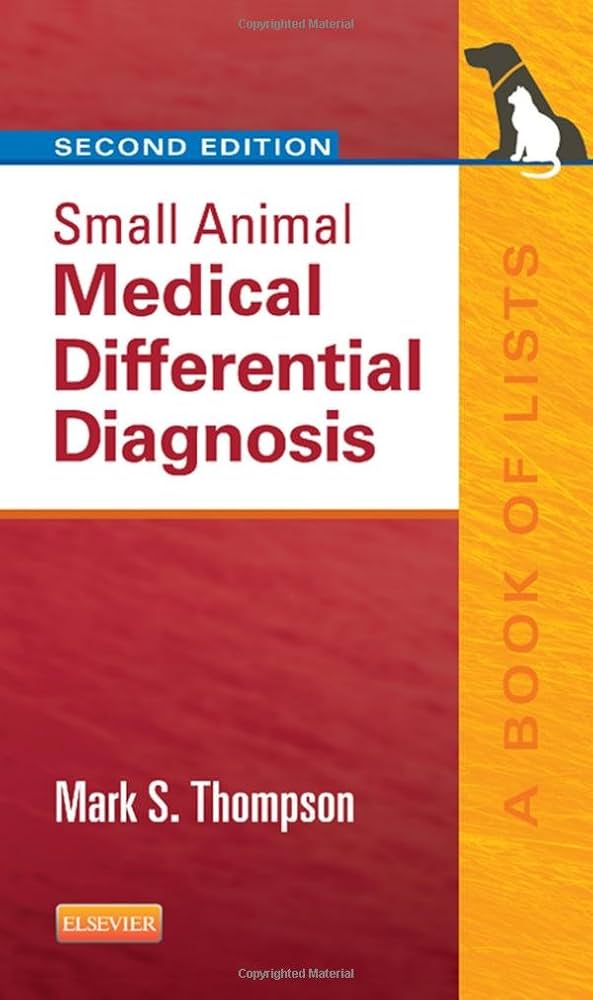
Credit: www.amazon.com

Credit: www.asia.elsevierhealth.com
Frequently Asked Questions
What Is Small Animal Differential Diagnosis?
Small animal differential diagnosis is a process to identify diseases by comparing symptoms.
Why Is Differential Diagnosis Important For Pets?
It helps vets find the right illness and give proper treatment quickly.
How Do Vets Perform Differential Diagnosis In Small Animals?
Vets check symptoms, run tests, and rule out diseases step-by-step.
What Are Common Signs Used In Differential Diagnosis?
Signs include vomiting, diarrhea, coughing, weight loss, and changes in behavior.
Can Owners Help With Differential Diagnosis?
Yes, owners provide vital information about symptoms and pet history to vets.
How Does Differential Diagnosis Improve Pet Health?
It ensures accurate treatment, reduces mistakes, and helps pets recover faster.
Conclusion
Small animal differential diagnosis helps find the root cause of illness. Careful observation and testing guide the right treatment. Each symptom tells a part of the story. Understanding common signs makes diagnosis easier. Always consult a vet for accurate results.
Early diagnosis improves health and recovery chances. Keep learning and stay patient during the process. Diagnosing small animals needs time and attention. This approach ensures the best care for pets.
As an Amazon Associate, I earn from qualifying purchases.