If you have a small pet, like a rabbit, guinea pig, or ferret, you know how important it is to keep them safe and comfortable. A small animal harness can be a game-changer for you and your furry friend.
It lets you take your pet outside without worry, giving them a chance to explore while staying secure. You’ll discover how to choose the perfect harness, why it matters, and tips to make your pet’s outdoor adventures fun and stress-free.
Keep reading to find out how a simple harness can improve your pet’s life—and yours.
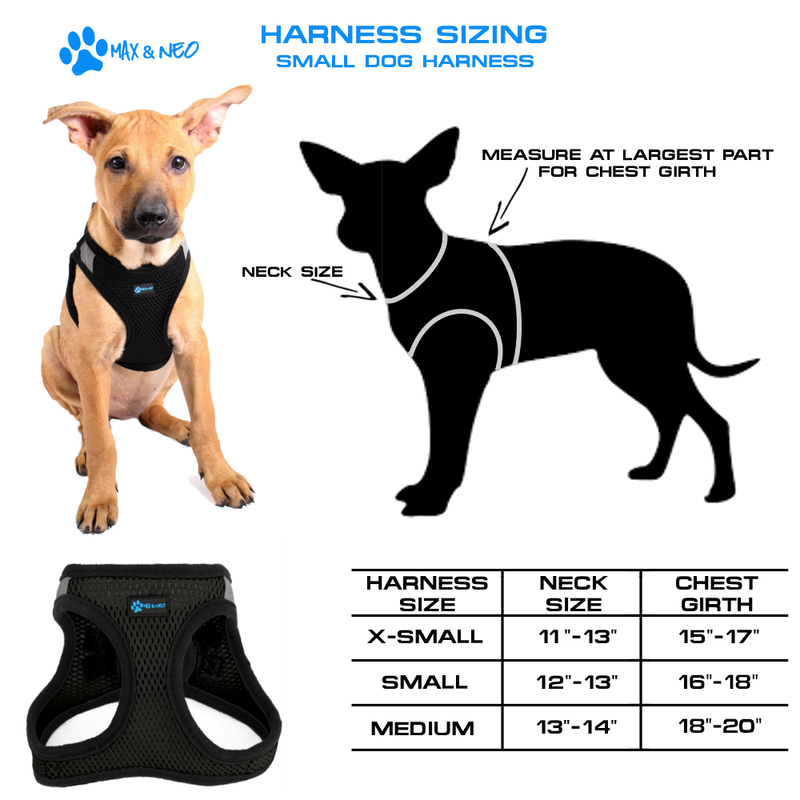
Credit: www.maxandneo.com
Choosing The Right Harness
Choosing the right harness for your small animal is important for comfort and safety. A well-fitted harness helps prevent escapes and injuries. It also makes walks and outdoor time more enjoyable for your pet. Understanding different types, sizes, and materials will guide your choice.
Types Of Harnesses
Small animal harnesses come in various styles. Vest harnesses cover the chest and back, offering good support. Strap harnesses use thin straps and are lightweight. Step-in harnesses are easy to put on and take off. Each type suits different animals and activities.
Sizing And Fit
Correct sizing ensures your pet’s comfort and safety. Measure your animal’s chest and neck carefully. The harness should fit snugly but not too tight. You should fit one or two fingers between the harness and skin. Adjustable straps help achieve the perfect fit.
Material Considerations
Materials affect durability and comfort. Soft fabrics like nylon or cotton reduce skin irritation. Breathable mesh is good for hot weather. Avoid rough or stiff materials that can cause chafing. Check for strong stitching and secure fasteners for safety.

Credit: doggear.onetigris.com
Benefits Of Using A Harness
Using a harness for small animals offers many benefits. It makes walks safer and more enjoyable. Harnesses provide better control and comfort than collars. They reduce the risk of injury. Small pets feel secure and relaxed with a good harness.
Enhanced Control
A harness gives you more control over your pet. It spreads pressure evenly across the body. This prevents choking or neck strain. You can guide your pet gently and safely. It helps keep small animals close during walks.
Improved Safety
Harnesses reduce the chance of escape. They fit snugly but do not restrict breathing. This stops pets from slipping out and running away. A harness also protects the neck and spine from sudden pulls. It keeps pets safe in busy or unfamiliar places.
Comfort Advantages
Harnesses are designed for comfort and fit. Soft materials reduce skin irritation and rubbing. They allow freedom of movement without tightness. Pets feel less stressed wearing a harness. This encourages calm behavior during outdoor time.
Proper Harness Adjustment
Proper harness adjustment is key to keeping your small pet safe and comfortable. A well-fitted harness prevents escapes and avoids choking or skin irritation. It helps your pet enjoy walks without stress.
Adjusting the harness correctly takes a few steps. Each step ensures the harness fits snugly but not too tight. Follow these simple guidelines to get the perfect fit.
Measuring Your Pet
Start by measuring your pet’s chest and neck. Use a soft tape measure for accuracy. Measure around the widest part of the chest, just behind the front legs. For the neck, measure where the collar usually sits. Write down these numbers to choose the right harness size.
Adjusting Straps
Loosen all straps before putting the harness on your pet. Place the harness over the pet’s body carefully. Tighten the straps gradually to fit the pet’s shape. Make sure the harness sits evenly without twisting. Adjust each strap until the harness feels secure but not tight.
Checking For Comfort
Check the fit by sliding two fingers under the straps. The harness should be snug but allow some movement. Watch your pet walk and run to see if the harness stays in place. Look for signs of discomfort, like scratching or biting. Adjust again if needed to keep your pet happy.
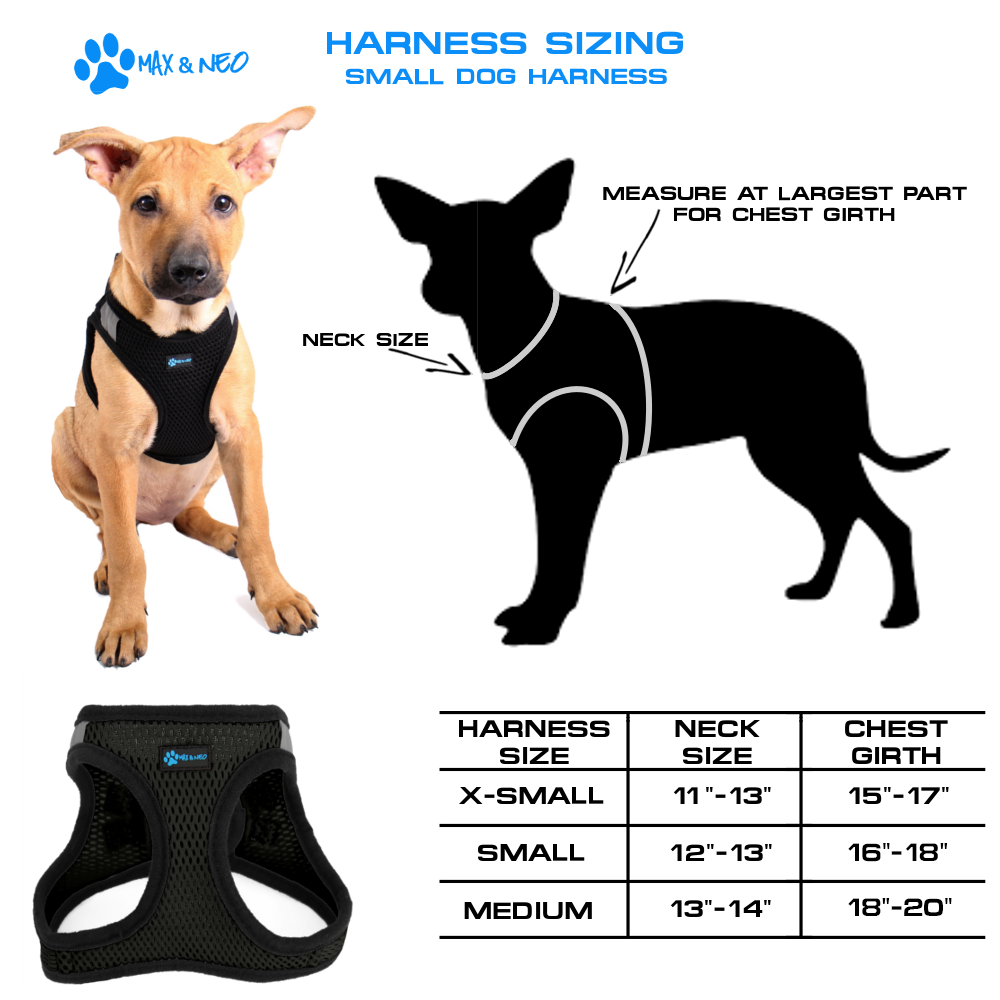
Credit: www.maxandneo.com
Training Your Pet To Wear A Harness
Training your pet to wear a harness is important for safety and comfort. Small animals may feel unsure at first. Patience helps them adjust and enjoy walks or outings. Step-by-step training makes the process easy and stress-free.
Introducing The Harness
Let your pet see and smell the harness first. Place it near their favorite spot or toys. Do not try to put it on right away. Allow your pet to get used to its presence. This reduces fear and builds curiosity.
Positive Reinforcement Techniques
Use treats and gentle praise to encourage your pet. Reward calm behavior around the harness. Give a treat each time your pet interacts with it. This makes the harness a positive thing. Avoid forcing the harness on your pet.
Gradual Wearing Periods
Start by putting the harness on for a few seconds. Then, remove it and offer a treat. Slowly increase the wearing time each day. Watch your pet for signs of discomfort. Stop if your pet feels stressed. This slow approach helps build trust and comfort.
Common Issues And Solutions
Small animal harnesses offer a safe way to explore outside. Yet, common problems can arise during use. Knowing these issues helps keep your pet safe and happy. Here are some typical problems and easy fixes.
Chafing And Irritation
Chafing can happen if the harness rubs the skin. This causes redness and discomfort for your pet. Choose a harness made from soft, breathable material. Check for rough edges or seams that may irritate. Adjust the fit to avoid tight spots. Regularly inspect your pet’s skin for signs of irritation.
Escape Risks
Small animals can slip out of poorly fitted harnesses. This risk increases if the harness is too loose. Use a harness designed specifically for your pet’s size. Double-check buckles and straps before each walk. Consider a harness with extra security features like locking clips. Supervise your pet closely during outdoor time to prevent escapes.
Harness Wear And Tear
Worn harnesses lose strength and safety. Frayed straps and broken buckles need immediate replacement. Inspect the harness often for signs of damage. Clean the harness regularly to keep materials in good shape. Replace the harness if it shows heavy wear or damage. A sturdy harness protects your pet during every adventure.
Safety Tips For Outdoor Use
Taking your small pet outdoors can be fun and healthy. Safety is the top priority. A proper harness helps keep your pet secure. Follow these tips to make outdoor time safe and enjoyable.
Leash Attachment Points
Check the harness for strong leash attachment points. A weak clip can break easily. Choose a harness with metal rings or reinforced loops. Attach the leash securely before stepping outside. This prevents sudden escapes and keeps your pet close.
Visibility Enhancements
Make your pet easy to see, especially in low light. Use harnesses with bright colors or reflective strips. Attach small LED lights for night walks. Visibility helps drivers and cyclists notice your pet. It reduces the risk of accidents outdoors.
Weather Considerations
Dress your pet according to the weather. Light harnesses work best in warm weather. In cold weather, use padded or insulated harnesses. Avoid walking in extreme heat or cold. Check your pet often for signs of discomfort or stress.
Cleaning And Maintenance
Keeping your small animal harness clean and well-maintained is key to its durability and your pet’s safety. Regular care prevents dirt buildup and bad smells. It also helps keep the harness comfortable for your pet. Simple steps can extend the life of your harness and keep it looking new.
Washing Guidelines
Hand wash the harness with mild soap and warm water. Avoid harsh detergents that can damage the fabric. Rinse thoroughly to remove all soap. Let the harness air dry completely before use. Avoid direct sunlight to prevent fading. Machine washing may damage delicate parts.
Storage Tips
Store the harness in a dry, cool place. Avoid damp areas to prevent mold or mildew. Keep it away from direct sunlight to protect the material. Hang the harness or lay it flat to keep its shape. Avoid folding or crumpling the harness.
When To Replace
Replace the harness if you see frayed straps or broken buckles. Check for loose stitching or stretched fabric. If the harness no longer fits your pet well, it is time for a new one. A worn harness can risk your pet’s safety. Regularly inspect to catch damage early.
Frequently Asked Questions
What Is A Small Animal Harness Used For?
A small animal harness keeps pets safe while walking outside or exploring new places.
How To Choose The Right Size Harness For Small Pets?
Measure your pet’s chest and neck to find a snug, comfortable harness fit.
Are Small Animal Harnesses Safe For Rabbits And Guinea Pigs?
Yes, they are designed to prevent escape and avoid injury during outdoor walks.
Can Small Animals Get Used To Wearing A Harness Easily?
Most small pets adapt quickly with short, gentle training sessions and positive rewards.
What Materials Are Best For Small Animal Harnesses?
Soft, breathable fabrics like nylon or mesh offer comfort and durability for small pets.
How To Clean And Maintain A Small Animal Harness?
Hand wash with mild soap, rinse well, and air dry to keep it fresh and safe.
Conclusion
Choosing the right small animal harness keeps your pet safe and happy. It helps control your pet gently during walks or travel. A good harness fits well and feels comfortable. Always check the size before buying to avoid slipping or tightness.
Regular use builds trust between you and your pet. Small animals enjoy exploring with the right gear. Take time to introduce the harness slowly. This makes the experience fun and stress-free for both of you. A proper harness supports healthy activity and bonding.
Keep your pet secure and enjoy every adventure together.
As an Amazon Associate, I earn from qualifying purchases.