Are you curious about the tiny bones that reveal so much about small animals? Whether you’re a student, a hobbyist, or just someone fascinated by nature, understanding small animal skulls can unlock secrets about their habits, diets, and species.
But identifying these skulls can feel tricky without the right guide. That’s where a Small Animal Skull Identification Chart becomes your best friend. This simple tool helps you quickly recognize different skull shapes and features, making your exploration easier and more exciting.
Keep reading to discover how you can master skull identification and impress everyone with your newfound knowledge.
Key Skull Features
Understanding the key features of small animal skulls helps in identifying different species. These features vary widely and give clues about the animal’s diet, habits, and environment. Observing skull shape, teeth, eye sockets, and nasal cavities reveals important details.
Skull Shape Variations
Small animal skulls come in many shapes. Some are long and narrow, while others are short and round. The shape depends on the animal’s lifestyle. Predators often have strong, broad skulls. Herbivores usually have flatter skulls to support chewing. These differences help tell species apart.
Teeth Patterns
Teeth patterns show what an animal eats. Sharp, pointed teeth mean a meat-based diet. Flat, wide teeth suggest plant eating. Some animals have a mix of both types. The number and arrangement of teeth also differ. These patterns are key to identifying skulls.
Eye Socket Differences
Eye sockets vary in size and position. Predators have forward-facing sockets for depth vision. Prey animals have side-placed sockets to see wide areas. Size changes depending on the animal’s need for light. These differences guide identification and understanding behavior.
Nasal Cavity Structures
Nasal cavities differ in shape and size. Animals with a strong sense of smell have larger cavities. The structure supports breathing and scent detection. Some have complex bone patterns inside. Examining nasal cavities gives clues about species and habits.
Credit: www.reddit.com
Common Small Animal Skulls
Small animal skulls vary widely across different species. These differences help identify the animal type quickly. Understanding common skull shapes aids in recognizing species in nature or research. Each group of small animals has distinct skull features to note.
Rodents
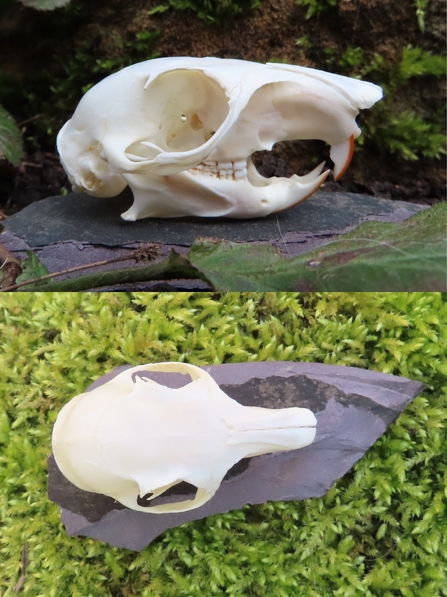
Rodent skulls show large front teeth called incisors. These teeth grow continuously. The skulls are generally small and compact. Rodents have a gap between their front teeth and cheek teeth. This gap is called a diastema. It allows for better chewing and gnawing.
Lagomorphs
Lagomorphs include rabbits and hares. Their skulls resemble rodents but with key differences. They have two pairs of upper incisors, one behind the other. The skull is longer and more delicate. This helps in identifying lagomorph skulls easily.
Small Carnivores
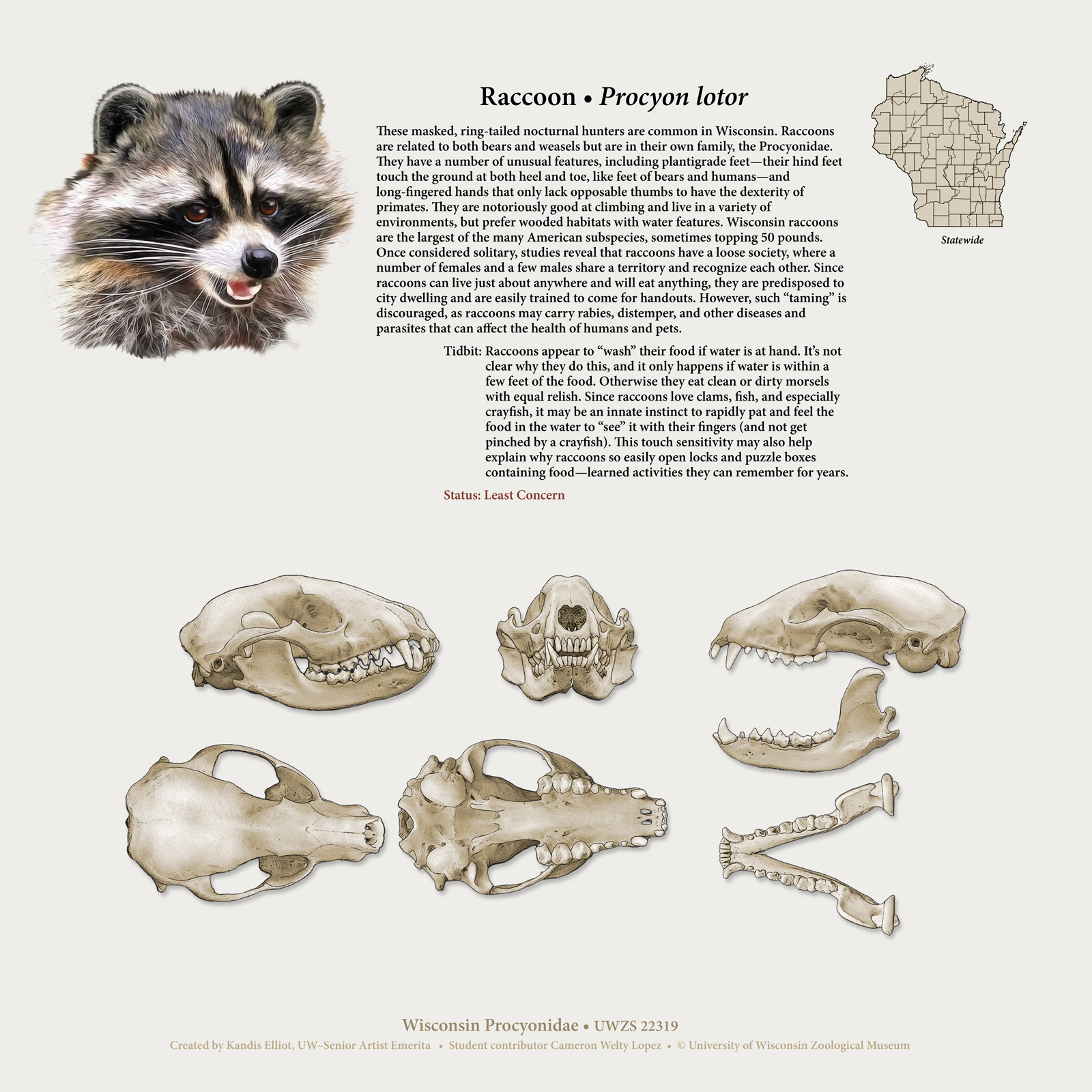
Small carnivore skulls have sharp teeth for tearing meat. Canines are prominent and pointed. Their skulls are stronger and more elongated. These animals rely on their teeth for hunting and eating prey. The skull shape reflects their carnivorous diet.
Insectivores
Insectivore skulls are small and narrow. Teeth are sharp and pointed to crush insects. Their skulls have a short snout. These features help in catching and eating insects quickly. Insectivore skulls differ greatly from rodents and carnivores.
Identification Tips
Identifying small animal skulls can be tricky without the right tips. Each skull tells a story through its shape and features. Paying close attention to details helps you recognize the animal quickly. Use these tips to make the process easier and more accurate.
Focus on size, texture, jaw, and markings. These clues reveal a lot about the skull’s origin. Understanding these points sharpens your observation skills.
Size And Proportion Clues
Skull size varies between species. Small rodents have tiny, delicate skulls. Rabbits show longer skulls with larger eye sockets. Compare skull length to width for clues. Proportion differences often hint at different animals.
Bone Texture And Thickness
Bone texture varies by diet and lifestyle. Carnivores have thicker, rougher bones. Herbivores tend to have thinner, smoother bone surfaces. Check for bone density to narrow down species. Texture reveals how the animal lived.
Jaw Structure Insights
Jaw shape shows feeding habits. Rodents have strong, chisel-shaped incisors. Carnivores show sharp teeth and robust jaws. Herbivores have flat molars for grinding plants. Observe jaw hinges and tooth patterns closely.
Distinctive Markings
Look for unique markings on the skull. Some animals have ridges or crests. Others show specific holes or indentations. These marks help separate similar species. Small details often provide the clearest answers.
Using The Skull Chart
Using the Small Animal Skull Identification Chart helps you find the species by studying skull features. The chart shows key points to compare and identify. It guides you step-by-step to avoid confusion. This tool makes skull identification easier for beginners and experts.
Step-by-step Identification
Start by observing the skull size and shape. Note the teeth type and arrangement carefully. Check the eye sockets and nasal cavity next. Use the chart to match these features with listed species. Take your time with each step to avoid errors.
Comparing Similar Species
Some species have almost alike skulls. Focus on small differences like tooth shape or bone ridges. The chart shows details that separate close species clearly. Compare each feature side by side for accuracy. This helps pick the right animal without guessing.
Avoiding Common Mistakes
Do not rush through the identification process. Skulls may look alike at first glance. Use the chart to double-check unclear features. Avoid mixing up young and adult skulls. Keep the skull clean and well-lit for better viewing.
Practical Applications
Small animal skull identification charts serve many practical uses. They help people understand animal biology and behavior. These charts are tools for scientists, teachers, vets, and pet owners. Using them improves knowledge and care for small animals. Below are some key ways these charts are used.
Wildlife Research
Researchers use skull charts to identify animal species quickly. This helps track animal populations and health. Scientists study skull features to learn about diet and habitat. Accurate identification aids in conserving wildlife and their environments.
Forensic Analysis
Forensic experts use skull charts to identify animals found at crime scenes. This helps solve cases involving wildlife or pets. Skull details provide clues about the animal’s life and cause of death. Such analysis supports law enforcement and justice.
Educational Uses
Teachers use skull charts to explain animal anatomy and evolution. Students learn to recognize different species by skull shape. Visual aids like these charts make learning fun and clear. They build curiosity about nature and science.
Pet Care And Veterinary
Vets use skull charts to diagnose injuries or diseases in small pets. Identifying skull traits helps in treating animals correctly. Pet owners learn about their pets’ biology and health needs. This knowledge leads to better care and well-being.
Credit: charge.wisc.edu
Credit: www.wildlifetrusts.org
Frequently Asked Questions
What Is A Small Animal Skull Identification Chart?
A chart that helps identify small animal skulls by shape, size, and features.
How To Use A Small Animal Skull Identification Chart?
Compare the skull you have with images and details on the chart for ID.
Which Small Animals Are Included In Skull Identification Charts?
Common animals like rabbits, rodents, squirrels, and small carnivores are shown.
Why Is Skull Shape Important In Animal Identification?
Skull shape shows species differences and helps tell one animal from another.
Can A Skull Chart Help Identify Animal Age Or Sex?
Some charts show age or sex clues, but mainly focus on species ID.
Where To Find Reliable Small Animal Skull Identification Charts?
Look for wildlife guides, educational websites, or books on animal biology.
Conclusion
Small animal skulls tell unique stories about each creature. This chart helps you spot key features with ease. Identifying skulls becomes simple and fun. Knowing these differences improves your understanding of animals. Keep this guide handy for quick reference anytime.
Enjoy exploring nature with sharper observation skills. Every skull has a tale waiting to be discovered. Practice often, and you will get better each time. This chart is a helpful tool on your learning journey.
As an Amazon Associate, I earn from qualifying purchases.