Are you struggling with pesky small animals invading your space? Finding a safe and effective way to catch them can be frustrating.
That’s where a small animal snare comes in—a simple tool that could make all the difference. You’ll discover how to use a small animal snare correctly, why it works, and how it can help you solve your problem quickly and humanely.
Keep reading to learn everything you need to know to take control and protect your home or garden with ease.
Credit: www.reddit.com
Choosing The Right Snare
Choosing the right small animal snare is important for safe and effective trapping. The right snare helps catch animals without causing harm. Consider key factors like materials, size, and laws before picking one.
Materials And Design
Snare materials affect strength and durability. Steel cables are strong and resist rust. Coated wires protect animals’ fur. Simple loop designs are common for small animals. Some snares have sliding locks to hold the animal gently. Choose a snare that matches your target animal’s behavior and environment.
Size Considerations
Size matters for both the snare and the animal. Too large a snare may let animals escape. Too small can hurt the animal. Measure the animal’s neck or body before choosing a snare size. Adjustable snares offer flexibility for different animals. Use the right size to trap safely and humanely.
Legal And Ethical Factors
Check local laws about snare use. Many places have rules to protect wildlife. Some snares are illegal or require permits. Use snares only for allowed species. Ethical trapping means causing no unnecessary harm. Always check regulations before setting a snare.
Setting Up The Snare
Setting up a small animal snare takes care and skill. A well-placed snare can catch animals safely and quickly. The setup affects success and safety for both the animal and you.
Selecting The Location
Choose a spot where animals often pass. Look for trails, near water, or by food sources. Avoid busy areas with many people or pets. The right place increases your chances of a catch.
Proper Installation Techniques
Secure the snare firmly to a sturdy object. Use a strong tree or stake. Make sure the snare loop is the correct size for the animal. Check the tension so the snare is not too tight or loose. Test the setup to ensure it works well.
Camouflage And Baiting
Hide the snare by blending it with the surroundings. Use leaves, grass, or dirt to cover the wire without blocking the loop. Place bait near the snare to attract animals. Use food that your target animal likes. This increases the chance they come close to the snare.
Safety Tips For Humane Capture
Using a small animal snare requires care and attention. Safety is key to capturing animals humanely. Following safety tips helps protect both the animal and the handler. It also reduces harm and stress during capture.
Minimizing Stress For The Animal
Keep the capture area quiet and calm. Avoid loud noises or sudden movements. Use gentle handling to reduce fear. Limit the time the animal spends in the snare. This lowers anxiety and helps keep the animal calm.
Avoiding Injury
Choose the right snare size for the animal. Check the snare for sharp edges or damage. Place the snare at a safe height and location. Avoid areas near water or steep drops. This prevents accidental injury during capture.
Regular Monitoring
Check the snare often, at least every hour. Quick checks reduce the time the animal is trapped. Be ready to release the animal immediately if needed. Regular monitoring ensures the animal’s safety and well-being.
Handling Captured Animals
Handling captured animals requires care and patience. Small animals can become scared and stressed quickly. Proper handling reduces harm to the animal and to you. Understanding the right steps helps keep the process safe and smooth.
Approach And Restraint
Move slowly and speak softly to calm the animal. Avoid sudden movements or loud noises. Use gloves to protect your hands from bites or scratches. Hold the animal gently but firmly to prevent escape. Support the animal’s body to reduce stress and injury.
Transporting Safely
Place the animal in a secure, well-ventilated container. Use soft bedding to make the animal comfortable. Keep the container stable to avoid shaking or tipping. Carry the container close to your body for better control. Check the animal regularly during transport for signs of stress.
Release Protocols
Choose a safe location away from roads and predators. Open the container slowly and step back immediately. Let the animal leave on its own without forcing it. Observe from a distance to ensure the animal moves safely. Clean your equipment after each use to prevent disease.
Common Mistakes To Avoid
Using a small animal snare requires care and knowledge. Many people make simple mistakes that reduce success or harm animals. Avoiding these common errors helps catch animals safely and effectively. Focus on proper techniques and respect for wildlife.
Improper Snare Placement
Placing the snare in the wrong spot often leads to failure. Avoid setting snares where animals rarely travel. Choose paths or near burrows where animals move frequently. Avoid placing snares near fragile branches or unstable ground. Wrong placement can also trap unintended animals. Check the site carefully before setting the snare.
Using The Wrong Materials
Not all materials work well for small animal snares. Avoid using thick or rigid wires that animals can feel or break. Thin, flexible cables work best and blend into the environment. Some cheap materials rust quickly or lose strength. This causes snares to fail or injure animals. Use materials designed for snares and check for durability.
Neglecting Animal Welfare
Ignoring animal welfare risks unnecessary suffering. Never leave snares unattended for long periods. Check traps often to release non-target animals quickly. Avoid snares that cause pain or injury beyond capture. Follow local laws and guidelines for humane trapping. Respect for animals leads to safer and better trapping results.
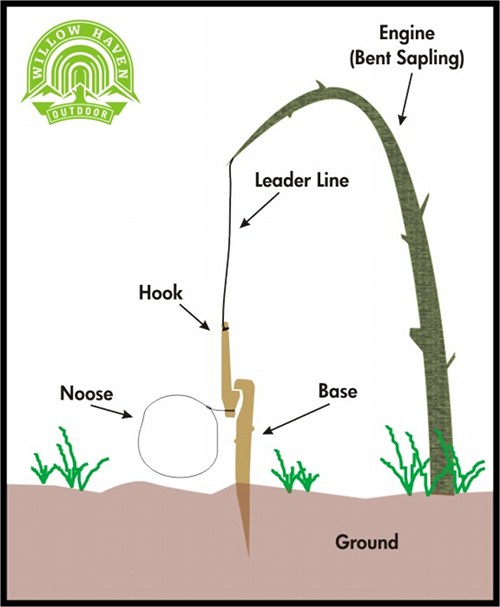
Credit: www.artofmanliness.com
Alternatives To Snaring
Snaring small animals may not always be the best choice. Many safer and kinder methods exist. These alternatives help catch or keep animals away without harm. They also offer more control and reduce risks to pets and people.
Live Traps
Live traps catch animals without hurting them. These traps close gently once an animal enters. You can release the animal far from your home. They are great for small mammals like rabbits or squirrels. Live traps need regular checks to keep animals safe.
Deterrents And Repellents
Deterrents keep animals away before they enter your space. Natural smells like peppermint or garlic often work well. Motion-activated lights or sounds can scare animals off. Repellents come in sprays or granules for gardens and yards. These methods prevent damage without trapping animals.
Professional Assistance
Experts can help with difficult animal problems. They use safe, legal, and humane techniques. Professionals know how to handle wild or aggressive animals. They offer advice on prevention and removal. Hiring help reduces risks and stress for everyone.
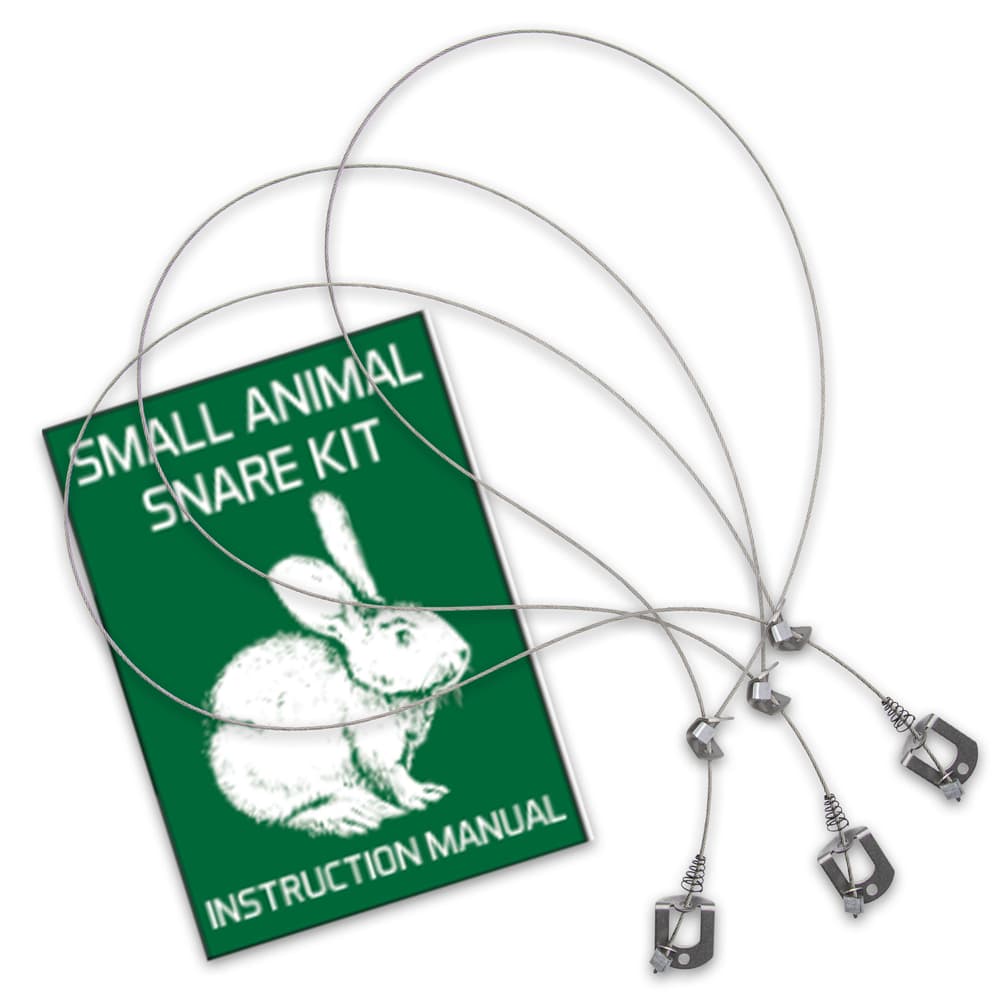
Credit: www.budk.com
Frequently Asked Questions
What Is A Small Animal Snare Used For?
A small animal snare is used to catch animals safely for study or relocation.
How Does A Small Animal Snare Work?
It loops around the animal, tightening gently when the animal moves, holding it securely.
Is A Small Animal Snare Safe For Animals?
Yes, if used correctly, it traps animals without hurting them.
What Animals Can A Small Animal Snare Catch?
It can catch rabbits, squirrels, raccoons, and other small wildlife.
How Do I Set Up A Small Animal Snare?
Place the snare on animal paths, secure the cable, and hide it with leaves.
Can I Reuse A Small Animal Snare?
Yes, small animal snares are durable and can be cleaned and reused many times.
Conclusion
A small animal snare can help catch animals safely and quickly. It works best when set in the right place. Always check local rules before using one. Use the snare carefully to avoid harming animals or people. Regularly inspect your snare to keep it in good shape.
Simple tools and patience make a big difference. This tool is useful for farmers, hunters, and wildlife watchers alike. Remember, respect for animals keeps the process fair and safe.
As an Amazon Associate, I earn from qualifying purchases.