Training a young work horse in Pennsylvania can be rewarding and challenging. Beginners need clear, simple guidance to start well.
Starting a colt during its first two years is key to building trust and good habits. Early training shapes a horse’s future behavior and skills. This period focuses on gentle handling, basic commands, and familiarizing the horse with people and its environment.
Patience and consistency help the colt learn without stress. Understanding this early stage helps beginners prepare for more advanced training later. Choosing the right methods ensures a strong bond between horse and trainer. This guide shares essential tips for starting a colt in Pennsylvania, making the process smoother for new horse owners.
The Colt
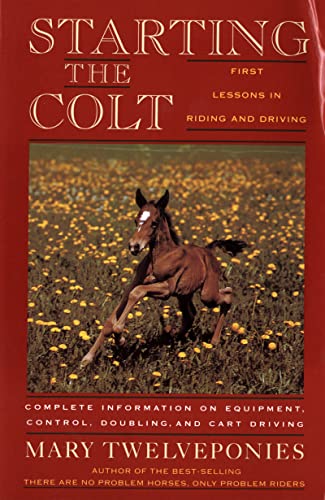
Starting The Colt (First Two Years of Your Horse’s Life) is ideal for new horse owners, trainers, and equine enthusiasts who want to ensure a strong foundation during the critical first two years of a colt’s life. This book is perfect for those seeking expert guidance on early training, care, and development to raise a well-mannered and healthy horse.
Pros:
- Comprehensive coverage of colt training in the first two years
- Written by a reputable brand and manufacturer, Harvest
- Compact and easy-to-handle size with 132 pages of detailed information
- Reprint edition offers timeless advice from 1992
- Lightweight at approximately 0.35 pounds, making it portable
Cons:
- Some training methods may seem dated due to original publication date
- Limited to the first two years, requiring additional resources for later stages
This book offers a detailed exploration of the essential stages in a colt’s early life, providing practical tips on handling, feeding, and gentle training techniques. The dimensions of 8.25 by 5.44 inches make it convenient for readers to carry along during farm visits or training sessions. The emphasis on early development benefits users by promoting better behavior and health in their horses as they mature.
With clear instructions and expert advice, Starting The Colt helps readers build confidence and competence in managing young horses. The focus on foundational skills ensures that users can avoid common pitfalls, leading to a smoother training experience and stronger human-horse relationships. Its status as a reprint edition underscores its continued relevance in equine care literature.
Frequently Asked Questions
What Is The Best Age To Start Training A Colt?
The best age to start training a colt is between 6 months and 2 years. Early gentle handling builds trust and confidence. Avoid overtraining; keep sessions short and positive for effective learning.
How Do Beginners Start Training A Young Work Horse?
Beginners should start with basic groundwork like leading, grooming, and halter training. Consistency and patience are key. Use calm, clear commands to build a strong bond early on.
What Are Common Challenges In Colt Training?
Common challenges include fearfulness, resistance to new tasks, and short attention spans. Address these with gentle reassurance, gradual exposure, and consistent routines. Avoid harsh corrections to maintain trust.
How Long Should Initial Training Sessions Last?
Initial training sessions should last 10 to 15 minutes. Short, frequent sessions prevent stress and keep the colt engaged. Gradually increase duration as the horse matures and learns.
Why Is Early Socialization Important For Colts?
Early socialization helps colts develop good behavior and reduces fear. It teaches them to interact with humans and other horses calmly. This foundation supports easier training and better workhorse skills.
Conclusion
Starting the training of a young work horse is an important step for any beginner in Pennsylvania. It takes patience and care to build trust between you and the colt. Focus on gentle handling during the first two years to create a strong bond.
This early training sets the foundation for future work and learning. Choose trainers or programs that understand the needs of young horses. Small, consistent steps help the colt grow confident and ready for more advanced tasks. Remember, every horse is unique, and progress may vary.
With the right approach, your work horse will develop skills and behavior needed for a lifetime of service. Enjoy the learning process and watch your colt become a reliable partner. Starting early means fewer problems later. Take your time and stay positive throughout the journey.
This way, you ensure the best training experience for both you and your horse.
As an Amazon Associate, I earn from qualifying purchases.