If you own a horse, you know how important it is to keep them safe. But have you thought about how you would quickly identify your horse if it ever got lost or separated from you?
That’s where horse ID tags come in. These small, simple tags can make a huge difference in protecting your horse and giving you peace of mind. You’ll discover why horse ID tags are a must-have, how to choose the best one, and tips to make sure your horse is always easily identifiable.
Keep reading to learn how a small tag can save you big worries.
Credit: equestrisafe.com
Importance Of Horse Id Tags
Horse ID tags play a vital role in caring for horses. They help owners and caretakers keep horses safe and properly identified. These tags are small but important tools that provide clear information about each horse. Understanding their importance can help improve horse care and management.
Enhancing Safety Measures
Horse ID tags help keep horses safe during emergencies. They provide quick access to important information like medical needs. In case a horse gets lost, the tags help find the owner fast. They reduce confusion and ensure the horse gets proper care quickly.
Facilitating Quick Identification
Each horse looks similar to others. ID tags make it easy to tell them apart. They show the horse’s name and ID number clearly. This helps in daily care and avoids mistakes in feeding or treatment. Quick identification saves time and prevents errors.
Legal And Ownership Benefits
ID tags prove who owns the horse. They help solve disputes about ownership. Tags also meet legal requirements in many places. They show the horse is registered and cared for properly. This protection benefits owners and authorities alike.
Types Of Horse Id Tags
Horse ID tags help identify and track horses easily. They come in several types, each with unique features. Choosing the right tag depends on your needs and horse’s environment. Here are the common types of horse ID tags used today.
Metal Tags
Metal tags are strong and last a long time. They resist weather and rough use well. Many owners prefer metal for its durability. These tags often have engraved or stamped details. The numbers and letters stay clear for years. Metal tags come in various shapes and sizes.
Plastic Tags
Plastic tags are lightweight and affordable. They come in many colors for easy identification. These tags are less durable than metal. They can fade or crack over time. Plastic tags work well for short-term use. Many owners use them during events or training.
Qr Code And Digital Tags
QR code and digital tags use technology for quick access to information. Scanning the code shows horse details instantly. These tags can store more data than traditional tags. They help track medical history and ownership. Digital tags are growing in popularity for modern horse care.
Choosing The Right Material
Choosing the right material for horse ID tags is very important. The material affects the tag’s strength, comfort, and how long it lasts. Picking the best material helps keep your horse safe and makes sure the tag stays on. Different materials have different benefits. Knowing these helps you choose the perfect tag for your horse.
Durability Factors
Durability means how long the tag can last without breaking. Strong materials like metal or tough plastic resist damage. They do not crack or bend easily. Tags need to withstand pulling and rubbing. Durable materials protect the tag from daily wear and tear. This keeps the information readable for a long time.
Comfort For The Horse
The tag must not hurt or bother the horse. Soft and smooth materials feel better on the skin. Lightweight tags reduce pulling on the horse’s neck. Rough edges can cause cuts or irritation. Comfortable materials help the horse accept the tag without stress. Comfort is key to keeping the tag in place.
Weather Resistance
Tags face rain, sun, and mud every day. Weather resistance means the tag does not fade or break. Materials like stainless steel or coated plastic handle water well. They do not rust or lose color. Weather-resistant tags stay clear and easy to read. This is important for identifying horses in any weather.

Credit: www.thehaypillow.com
Design And Style Options
Horse ID tags do more than just identify your animal. They offer a chance to express style and personality. Design choices make these tags unique and practical. Owners can select from many options to suit their horse’s needs and character.
Custom Engraving Ideas
Engraving personal details helps in quick identification. You can include the horse’s name, owner’s contact, or medical info. Some choose decorative fonts or symbols. This makes the tag both useful and attractive. Clear, simple text ensures easy reading at a glance.
Color Choices
Colors add visibility and style to ID tags. Bright colors like red, blue, or yellow stand out in fields or stables. Darker tones suit a classic look. Some tags offer two-tone designs for added flair. Color choice helps match the tag to the horse’s personality or gear.
Shape Variations
Shapes vary from classic circles to rectangles and ovals. Some tags feature unique shapes like horseshoes or stars. Shape affects how the tag hangs and looks on the halter. Choosing a shape that fits the horse’s style makes the tag special. Practical shapes also avoid sharp edges for safety.
Proper Placement Of Id Tags
Proper placement of horse ID tags is essential for easy identification. Tags must be visible and secure. They should not cause discomfort or harm to the horse. Correct placement helps in emergencies and daily care. It also ensures the tag lasts longer without damage.
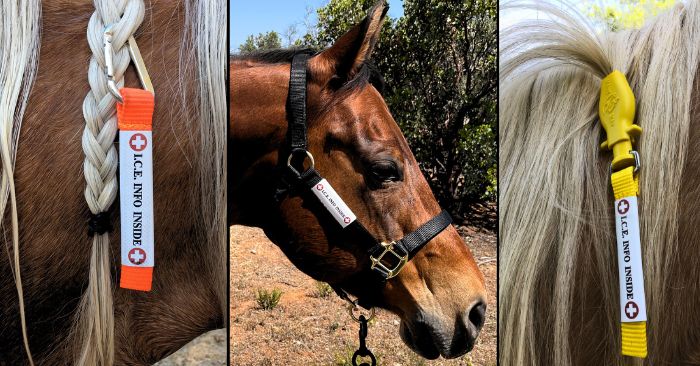
Collar Tags
Collar tags fit on the horse’s neck collar. Place the tag where it is easy to see. Avoid tight spots that may rub the skin. The tag should hang freely without swinging too much. This location keeps the tag safe and visible.
Bridle Tags
Bridle tags attach to the bridle or halter. Place the tag where it does not interfere with the horse’s movement. Usually, the cheek strap or crownpiece works well. Make sure the tag is secure but not tight. This spot is good for quick ID checks.
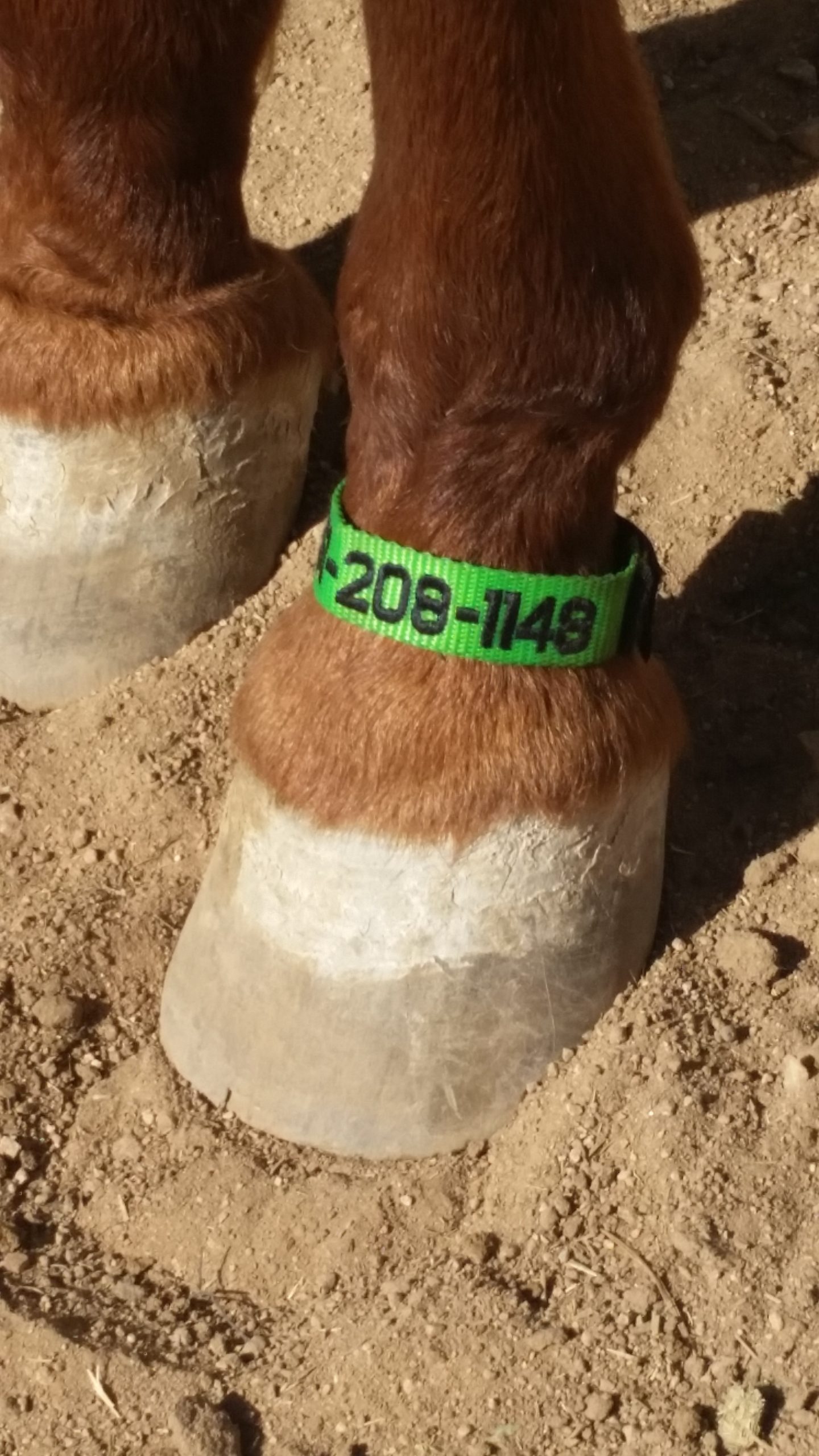
Leg Bands
Leg bands wrap around the horse’s lower leg. Use a soft, flexible band to prevent irritation. Place the band above the fetlock joint for comfort. The band should fit snugly but not restrict blood flow. Leg bands are great for short-term or temporary ID.
Credit: www.thehaypillow.com
Maintenance Tips For Longevity
Horse ID tags help keep your horse safe and easy to identify. Proper care of these tags ensures they last longer and stay readable. Simple maintenance steps can protect your investment and keep your horse’s information clear.
Cleaning Methods
Clean horse ID tags regularly to remove dirt and grime. Use a soft cloth or brush with mild soap and water. Avoid harsh chemicals that can damage the tag’s surface. Rinse the tag well and dry it completely before reattaching.
Regular Inspection
Check your horse’s ID tags often for signs of wear and tear. Look for cracks, fading, or loose attachments. Early detection helps prevent loss or damage. Inspect tags every few weeks, especially after outdoor activities.
Replacing Worn Tags
Replace horse ID tags as soon as they show damage. Worn tags may become unreadable or fall off. Choose durable materials that resist weather and wear. Keep spare tags handy for quick replacement when needed.
Integrating Technology With Id Tags
Technology has improved horse ID tags, making them more useful and smart. It helps track horses easily and keeps their information safe. Technology also helps in health monitoring. This integration makes horse care better.
Rfid Chips
RFID chips are small devices placed inside ID tags. They store important information about horses. When scanned, they quickly show the horse’s ID and details. This helps in fast and easy identification. It also reduces errors compared to traditional tags.
Mobile App Connectivity
Some ID tags connect with mobile apps. Owners can access horse data from their phones. The apps show location, health records, and other details. This makes managing horse care simple and fast. Mobile apps also send alerts for any important updates.
Tracking And Health Monitoring
Advanced ID tags track a horse’s movement in real time. They monitor health signs like heart rate and temperature. This data helps detect problems early. Owners and vets can respond quickly to keep horses healthy. Technology in ID tags supports better care and safety.
Cost Considerations
Choosing horse ID tags requires thought about cost. Prices vary widely based on materials and features. Budget plays a big role in deciding which tag to buy. Finding the right balance between price and quality ensures a good purchase.
Budget-friendly Options
Basic horse ID tags come at low prices. Plastic and simple metal tags often cost less. These tags serve the main purpose of identification well. They work fine for everyday use without extra features. Budget options suit horse owners who need simple tags.
Investment In Quality
Higher quality tags last longer and resist wear. Materials like stainless steel or aluminum offer durability. Clear engraving stays readable even after months. Spending more can reduce the need for replacements. Quality tags provide peace of mind and long-term value.
Where To Buy
Horse ID tags are available online and in stores. Specialty equine shops stock a variety of options. Online retailers often offer competitive prices and reviews. Compare sellers to find the best deal and quality. Buying from a trusted source helps ensure accuracy and durability.
Frequently Asked Questions
What Are Horse Id Tags And Why Use Them?
Horse ID tags are small labels with important info to identify a horse quickly.
How Do Horse Id Tags Help In Emergencies?
They provide vital details to help find owners and give proper care fast.
What Information Should Be On A Horse Id Tag?
Include the horse’s name, owner’s contact, and any medical needs.
Are Horse Id Tags Durable For Outdoor Use?
Most tags are made from strong materials to last in all weather conditions.
Can Horse Id Tags Prevent Horse Theft?
Tags help prove ownership and make stolen horses easier to identify.
Where Is The Best Place To Attach A Horse Id Tag?
Tags are often placed on halters or collars for easy visibility and comfort.
Conclusion
Horse ID tags help keep your animals safe every day. They provide quick information in emergencies. Tags make it easier to find lost horses fast. Owners can update details easily on many tags. Choosing the right tag suits your horse’s needs best.
Simple and clear tags work well for all horses. Investing in ID tags shows care and responsibility. Keep your horses protected with easy-to-read ID tags. Peace of mind comes with proper horse identification. Small steps, big safety benefits for your horses.
As an Amazon Associate, I earn from qualifying purchases.