If you work with horses, you know how important safety and control are. Horse rope hobbles can make a big difference in managing your horse calmly and securely.
But how do you choose the right ones? And what should you look for to keep your horse comfortable and safe? You’ll discover everything you need to know about horse rope hobbles—so you can feel confident every time you use them.
Keep reading to find out how the right hobbles can make your work easier and your horse happier.
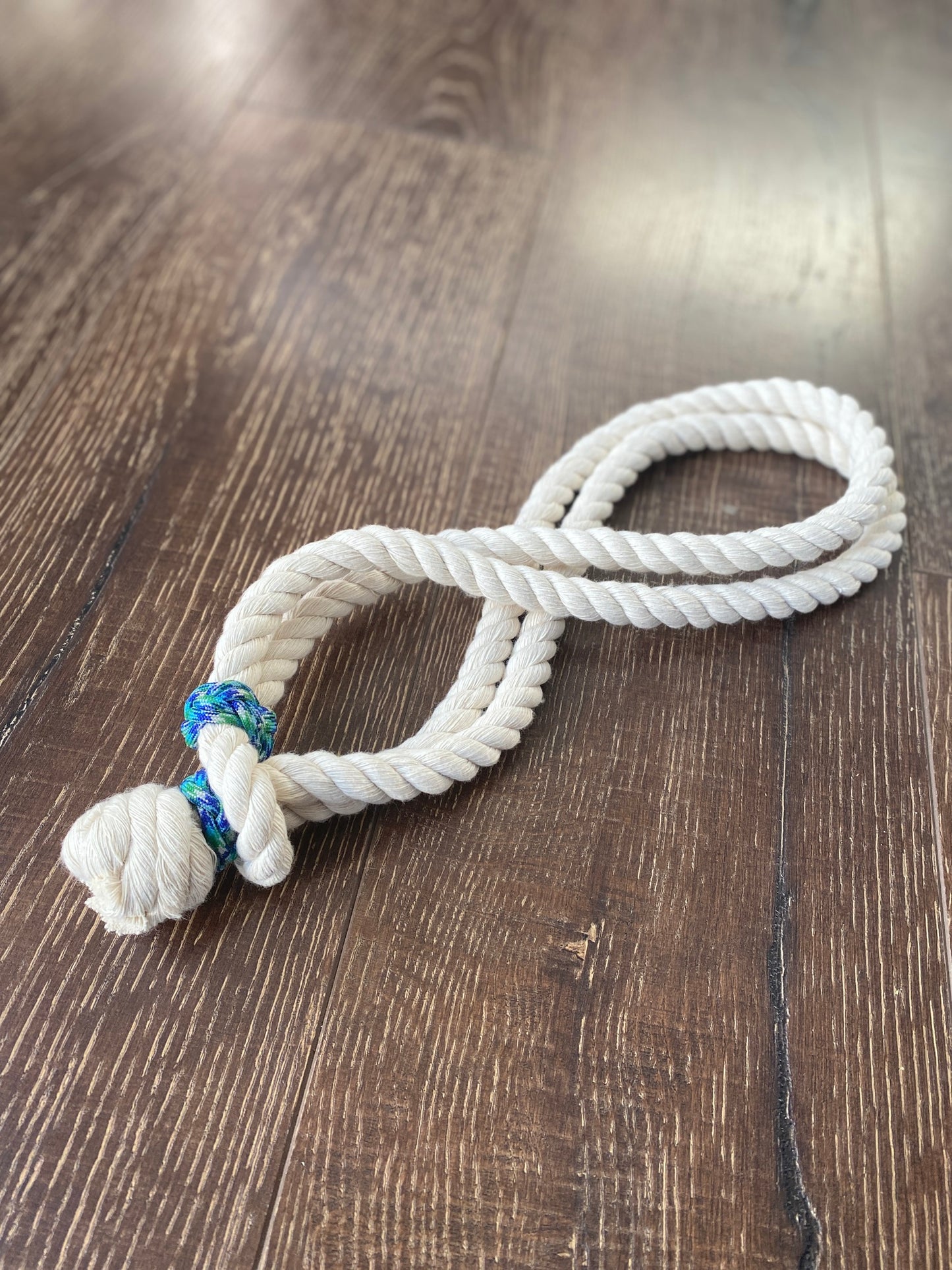
Credit: blondiecinches.com
Choosing The Right Rope Hobbles
Choosing the right rope hobbles is important for your horse’s comfort and safety. The right pair helps control your horse without causing pain or injury. Consider the rope material, size, and strength before buying. Each factor affects how well the hobbles work and last.
Types Of Rope Materials
Rope hobbles come in different materials. Common options include nylon, cotton, and hemp. Nylon ropes are strong and resist water well. Cotton ropes are soft and gentle on the horse’s skin. Hemp ropes offer good grip and durability. Choose a material that fits your horse’s needs and climate.
Size And Fit Considerations
Proper size is key for effective hobbles. They should fit snugly but not too tight. Too small can hurt your horse. Too large may slip off or cause tripping. Measure your horse’s legs carefully. Adjustable hobbles offer more flexibility for different sizes.
Durability And Strength Factors
Strong, durable hobbles last longer and keep your horse safe. Look for ropes with tight weaving and quality fibers. Check for extra reinforcements at stress points. Avoid thin or worn ropes that can break easily. Durable hobbles save money and protect your horse better.
Preparing Your Horse
Preparing your horse for rope hobbles is an important step. It helps your horse get used to the new gear. This preparation ensures safety and comfort for both you and your horse. Taking time to prepare your horse reduces stress and builds trust.
Start slow and watch your horse’s reactions. This way, you can avoid accidents and create a calm experience. Proper preparation makes using horse rope hobbles easier and safer.
Acclimating To Hobbles
Begin by letting your horse see and smell the hobbles. Hold them near your horse without putting them on. This helps reduce fear of new objects. Next, gently place the hobbles on one leg for a short time. Remove them if your horse shows stress. Repeat this step over several days.
Gradually increase the time your horse wears the hobbles. Walk your horse slowly during this process. This builds confidence and helps your horse accept the hobbles.
Checking For Comfort And Safety
Always check the fit of the rope hobbles. They should be snug but not too tight. Look for any rubbing or pinching points. Inspect the rope for frays or damage before use. Replace damaged hobbles immediately.
Observe your horse’s legs after removing the hobbles. Swelling or redness means the fit was not right. Adjust straps or choose a different size if needed. Comfort and safety protect your horse from injury.
Behavioral Training Tips
Use calm and steady commands while training with hobbles. Reward your horse with gentle pats or treats for calm behavior. Avoid sudden movements or loud noises that may scare your horse.
Practice short training sessions daily. Consistency helps your horse learn faster. Be patient and stay positive. Clear communication builds a strong bond during training.
Proper Application Techniques
Proper application techniques for horse rope hobbles ensure safety and comfort. Correct tying keeps the horse calm and prevents injury. Applying hobbles properly helps control the horse without causing pain. This section covers easy steps, common errors, and how to adjust for best fit.
Step-by-step Tying Guide
Start with clean, soft rope to avoid rubbing. Place the hobble around one front leg, just above the fetlock. Tie a secure but loose loop to allow slight movement. Repeat the process on the other leg. Connect both loops with a short rope or chain. Check the fit by sliding a finger between rope and leg. The hobble should be snug but not tight.
Common Mistakes To Avoid
Tying too tight causes pain and restricts blood flow. Too loose lets the horse escape or trip. Avoid knots that slip or come undone easily. Do not tie hobbles too high or too low on the leg. Never leave the horse unattended while hobbled. Check the rope for frays or damage before use.
Adjusting For Movement And Security
Allow enough room for the horse to walk comfortably. Adjust the connecting rope length to control movement without stress. Make small changes and watch the horse’s reaction. Tighten or loosen slowly to find the best balance. Secure knots firmly to avoid slipping during movement. Regularly inspect the fit during use for safety.
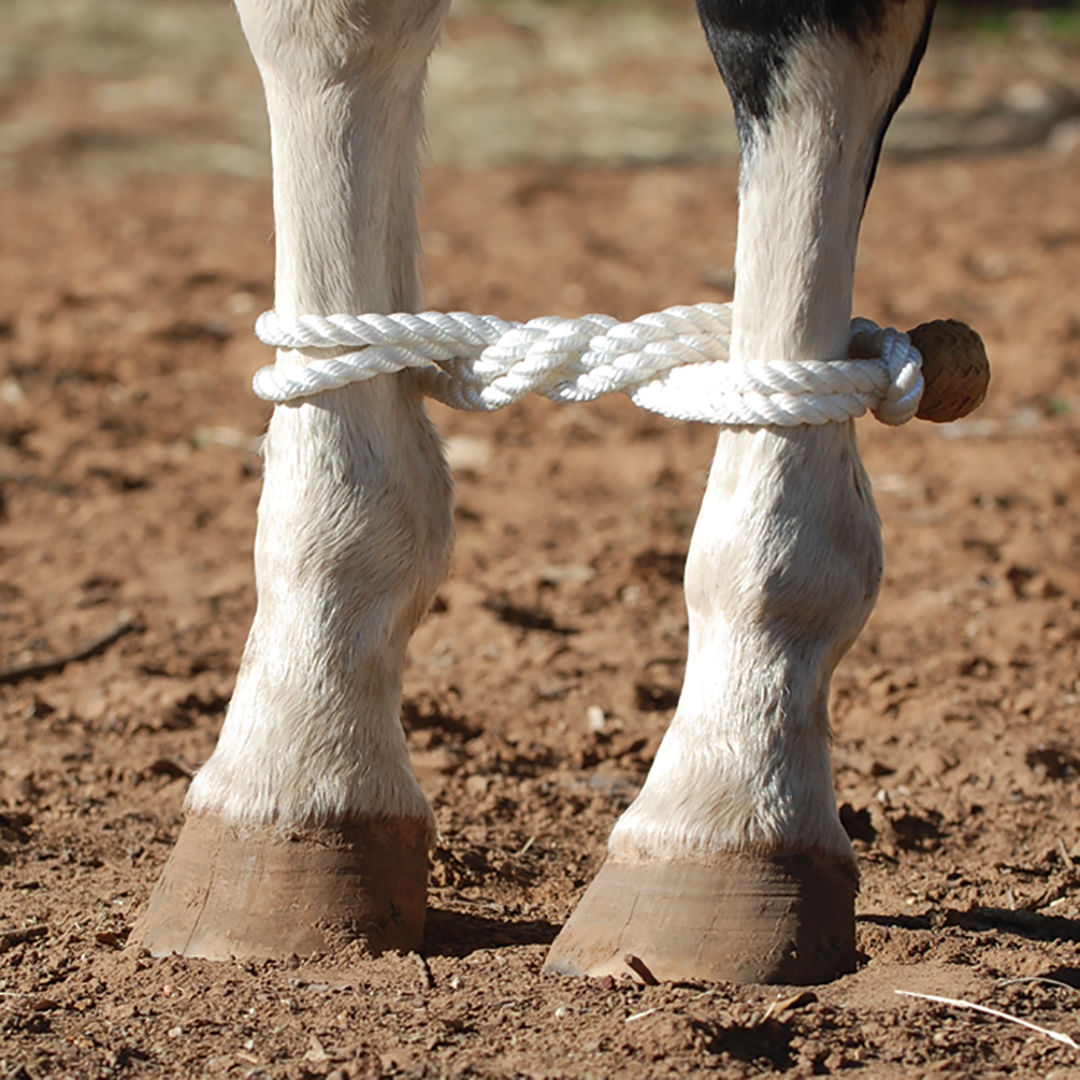
Credit: shop.west20.com
Safety Precautions
Using horse rope hobbles requires careful attention to safety. These tools help train and control horses but can cause harm if used incorrectly. Always take steps to protect your horse’s well-being during use. Watch your horse closely and be ready to act quickly.
Monitoring Your Horse
Keep a close eye on your horse while using rope hobbles. Watch how it moves and behaves. Check the ropes for tightness often. Make sure the hobbles do not cut off circulation or cause pain. Stop if your horse becomes restless or tries to pull away.
Recognizing Signs Of Discomfort
Look for signs that your horse feels uncomfortable. These include pawing, head tossing, or sudden stops. A horse may also sweat more or breathe fast. Listen for whinnies or other sounds of distress. Early signs help prevent injury or stress.
Emergency Release Methods
Have a quick way to release the hobbles in an emergency. Carry a sharp knife or safety scissors nearby. Know how to cut the rope safely without hurting the horse. Practice releasing the hobbles before using them on your horse. Speed saves your horse from harm.
Maintenance And Care
Proper maintenance and care of horse rope hobbles ensure safety and long life. Regular attention keeps the ropes strong and reliable. Neglect can cause damage that may lead to accidents. Simple steps help maintain their condition and performance.
Cleaning Rope Hobbles
Rinse the hobbles with clean water after each use. Dirt and sweat can weaken the rope fibers. Use mild soap for tough stains but avoid harsh chemicals. Let the ropes air dry completely before storing. Avoid direct sunlight during drying to prevent damage.
Inspecting For Wear And Tear
Check the rope daily for frays, cuts, or weak spots. Small damage can grow and cause breakage. Test knots and fastenings for tightness and security. Replace the hobbles if you find any serious damage. Safety depends on strong, undamaged equipment.
Storage Tips
Store rope hobbles in a cool, dry place away from sunlight. Keep them off the ground to avoid moisture and dirt. Coil the ropes loosely to prevent kinks and twists. Avoid storing near chemicals or sharp objects. Proper storage extends the life of your hobbles.

Credit: martinsaddlery.com
When To Use Rope Hobbles
Rope hobbles are tools used to restrict a horse’s movement safely. They keep the horse calm and prevent it from wandering off. Knowing when to use rope hobbles helps ensure the horse’s comfort and safety. This guide explains suitable scenarios, alternatives, and legal aspects.
Suitable Scenarios
Rope hobbles work well during trail rides to rest the horse. They help control movement without tying the horse to a fixed object. Use hobbles in open fields where the horse can graze safely. They are useful during training to teach patience and standing still. Temporary use during grooming or vet checks also suits rope hobbles.
Alternatives To Rope Hobbles
Leather hobbles offer more comfort and durability for long use. Nylon hobbles are easy to clean and lighter to carry. Some riders prefer padded hobbles to avoid chafing. For tight control, hobble straps with buckles provide stronger restraint. Each alternative suits different needs and horse sensitivity.
Legal And Ethical Considerations
Always check local laws about horse restraint tools. Use hobbles in ways that do not harm the horse. Avoid leaving hobbles on for too long to prevent injury. Treat the horse with respect and monitor it closely. Ethical use means stopping at signs of discomfort or stress.
Frequently Asked Questions
What Are Horse Rope Hobbles Used For?
Horse rope hobbles help control and train horses by limiting their leg movement safely.
How Do Rope Hobbles Differ From Leather Hobbles?
Rope hobbles are lighter, adjustable, and dry quickly compared to heavier leather hobbles.
Are Horse Rope Hobbles Safe For Beginners?
Yes, with proper fitting and supervision, they are safe for beginner horse handlers.
Can Horse Rope Hobbles Prevent Horse Running Away?
They restrict leg movement, reducing chances of a horse running away during training.
How Do I Fit Rope Hobbles On A Horse?
Place hobbles gently around the horse’s legs, ensuring they are snug but not tight.
What Materials Are Best For Durable Horse Rope Hobbles?
Strong nylon or polyester ropes are best for durability and comfort in hobbles.
Conclusion
Horse rope hobbles offer a simple way to train and control horses. They help improve a horse’s balance and calmness during work. Choosing the right rope and fit matters a lot for safety. Practice using them gently and patiently for best results.
Remember, good care keeps your horse comfortable and happy. Rope hobbles remain a useful tool for many horse owners. Give them a try with care and respect.
As an Amazon Associate, I earn from qualifying purchases.