Are you looking to improve your horse riding experience? A horse riding strap could be the simple tool you need to boost your comfort and control in the saddle.
Whether you’re a beginner or an experienced rider, the right strap can make a big difference in how you connect with your horse and stay secure. Keep reading to discover why a horse riding strap matters, how to choose the best one for your needs, and tips to get the most out of it every time you ride.
Your next ride could be smoother and safer than ever before.
Choosing The Right Strap
Choosing the right horse riding strap is important for safety and comfort. The right strap helps keep the rider secure and the horse comfortable. Different straps suit different riding styles and horse types. Understanding the options can make the choice easier.
Types Of Horse Riding Straps
There are several types of horse riding straps. Stirrup straps hold the stirrups in place and come in various styles. Girth straps secure the saddle around the horse’s belly. Some straps are designed for training, while others suit casual riding. Choose a type that matches your riding needs.
Materials And Durability
Straps come in materials like leather, nylon, and synthetic blends. Leather offers classic look and strength but needs care. Nylon is lightweight, easy to clean, and durable. Synthetic straps resist water and wear well. Consider the weather and how often you ride when picking material.
Sizing And Fit
Correct sizing ensures the strap works properly. Too tight straps can hurt the horse or rider. Loose straps may cause slipping or accidents. Measure your horse and saddle carefully before buying. Adjustability is key for a good fit and comfort.
Benefits Of Quality Straps
Choosing quality horse riding straps makes a big difference in riding experience. Good straps offer benefits that go beyond looks. They improve comfort, control, and last longer. These factors matter for both the rider and the horse.
Investing in durable straps means safer and smoother rides. Riders enjoy better grip and horses feel less discomfort. Understanding these benefits helps make smarter choices in horse gear.
Enhanced Comfort For Rider And Horse
Quality straps use soft, flexible materials that reduce chafing. They fit well and do not pinch the rider’s hands. For horses, good straps avoid rubbing or pressure points. Comfortable gear helps both rider and horse stay relaxed. This leads to longer, more pleasant rides.
Improved Control And Safety
Strong straps provide a secure hold on the reins. They do not slip or stretch easily during riding. This gives riders better control over the horse’s movements. Better control reduces the risk of accidents. Safe straps support confident handling in all riding conditions.
Longevity And Maintenance
Quality straps last longer and resist wear. They handle sweat, dirt, and weather better than cheap ones. Easy cleaning keeps straps in good shape. Durable straps save money by needing fewer replacements. Well-maintained gear ensures consistent performance over time.
Adjusting Straps For Optimal Performance
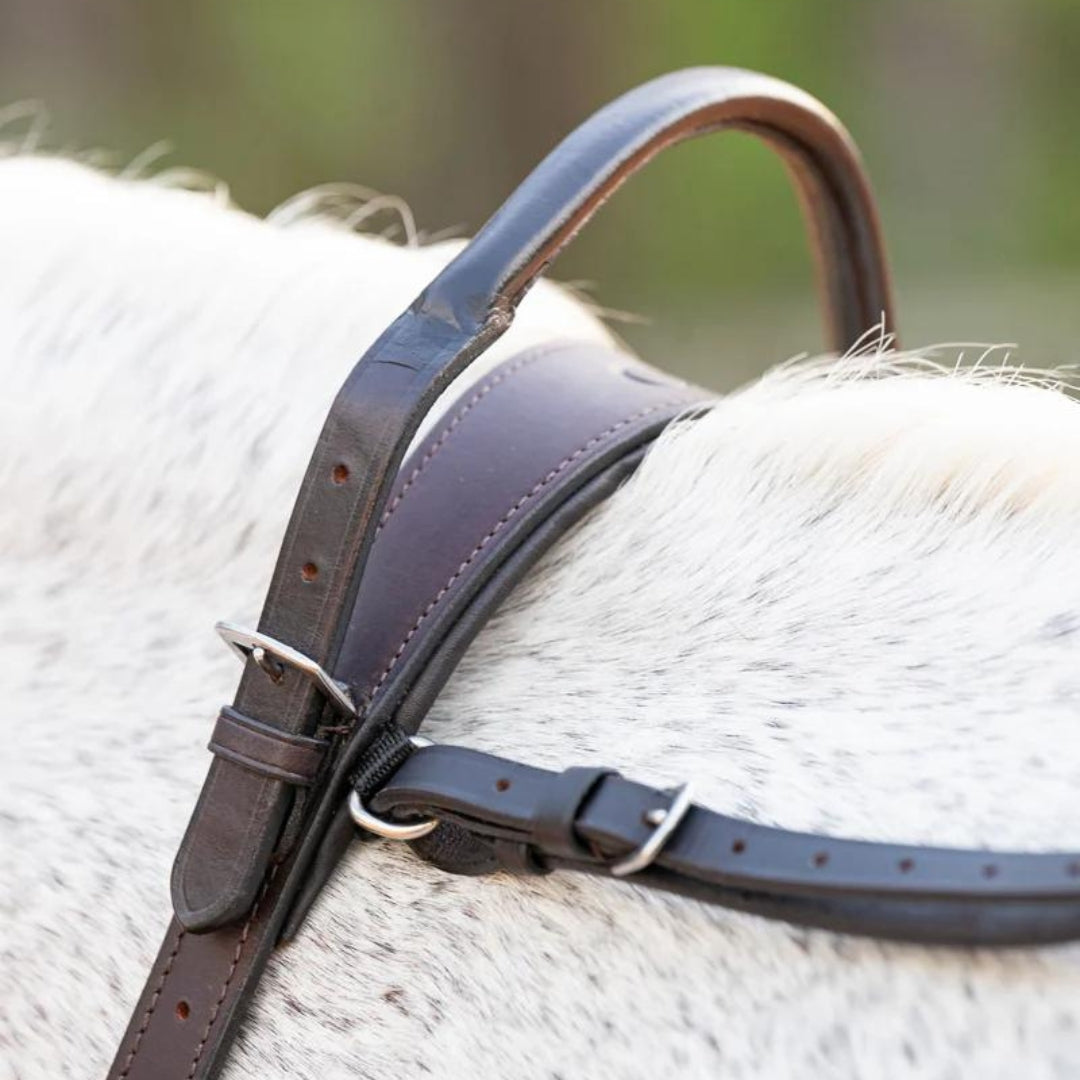
Adjusting horse riding straps correctly improves comfort and control. Straps that fit well help riders perform better and keep horses safe. Proper strap adjustment avoids slipping and pressure points. Learning the right way to adjust straps makes riding smoother and more enjoyable.
Proper Tightening Techniques
Start by loosening the straps before putting them on. Tighten straps gradually to avoid discomfort. Use your fingers to check if straps are snug but not too tight. The straps should hold the saddle firmly without causing pain. Always recheck strap tightness after mounting the horse.
Common Adjustment Mistakes
Over-tightening straps can hurt the horse and reduce movement. Loose straps may cause the saddle to slip during rides. Avoid uneven tightening on one side only. Not adjusting straps for different horse sizes leads to poor fit. Skipping regular checks causes discomfort and safety issues.
Customizing For Different Riding Styles
Dressage requires tighter straps for precise control and balance. Trail riding calls for moderate tightness to allow horse comfort on long rides. Jumping needs secure straps to keep the saddle stable through jumps. Adjust straps based on the horse’s activity and terrain for best results.
Credit: ridecorrectconnect.com
Cleaning And Caring For Straps
Horse riding straps need regular care to last longer and stay safe. Dirt, sweat, and moisture can damage straps over time. Proper cleaning keeps the leather soft and prevents cracks. Caring for straps also keeps horses comfortable during rides.
Daily Care Tips
Wipe straps with a damp cloth after every ride. Remove dirt and sweat to stop damage. Use a soft brush for tough spots. Check for cracks or loose stitches. Let straps dry naturally away from heat.
Deep Cleaning Methods
Clean straps deeply once a month or after heavy use. Use saddle soap or mild leather cleaner. Apply cleaner with a soft cloth in circles. Rinse cloth and wipe off soap residue. Let straps air dry completely before use.
Storage Recommendations
Store straps in a cool, dry place. Avoid direct sunlight or damp areas. Hang straps to keep their shape. Use a breathable bag for extra protection. Regularly inspect stored straps for mold or damage.
Troubleshooting Strap Issues
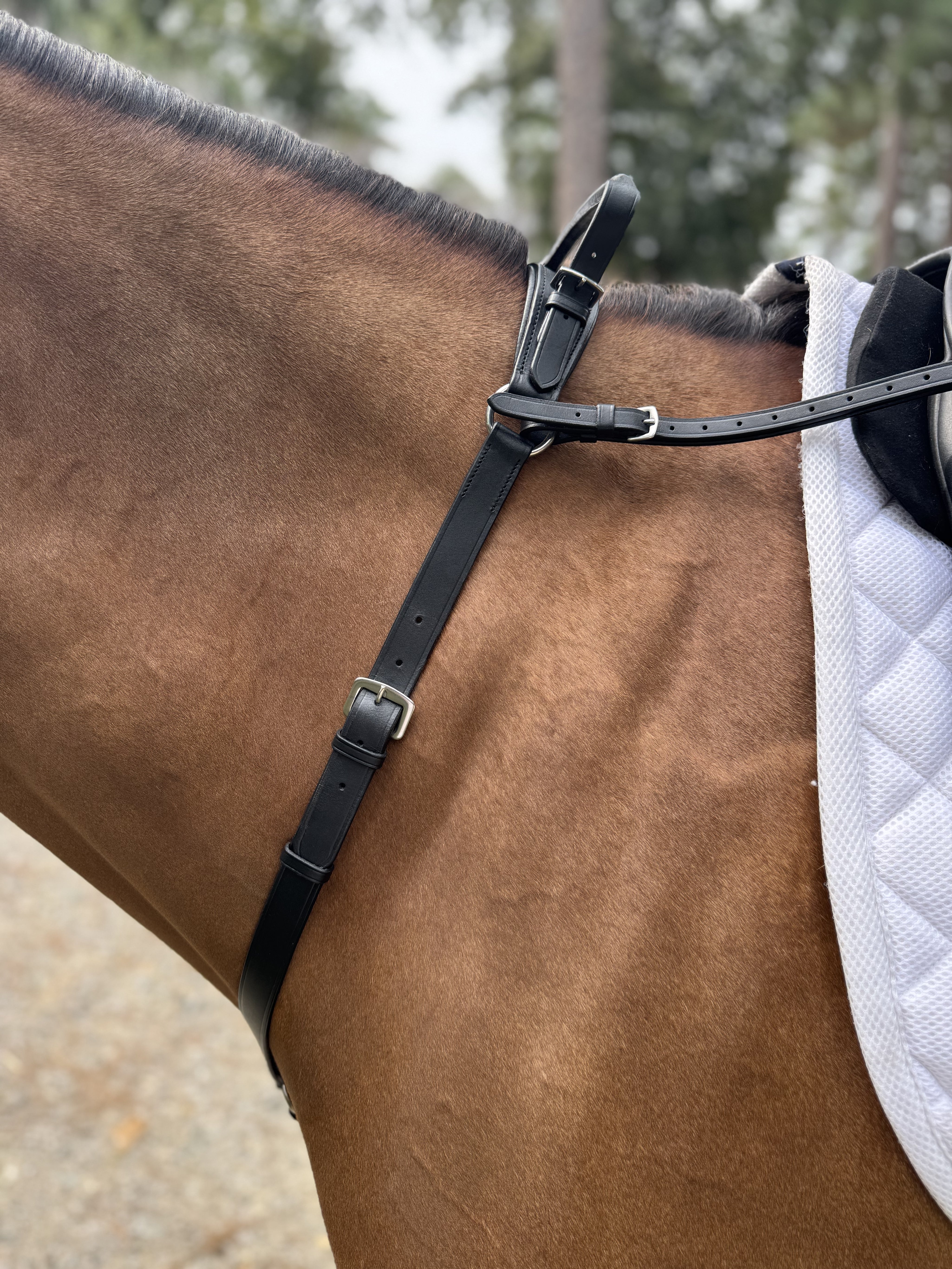
Horse riding straps must be strong and safe. Problems with straps can be dangerous during riding. Knowing how to check and fix strap issues helps keep you safe. This guide helps identify problems and decide what to do.
Signs Of Wear And Tear
Look for cracks, frays, or weak spots on the strap. Check for loose stitching or broken buckles. Straps that feel stiff or brittle may break soon. Uneven color or fading can show material damage. Notice any strange sounds when pulling the strap. These signs mean the strap needs attention.
Repair Vs. Replacement
Small tears or loose stitches can sometimes be fixed. Use strong thread and proper tools for repairs. If the strap has deep cracks or missing parts, replace it. Old straps lose strength and safety. Never use a strap that looks unsafe. Replacement is the best choice for serious damage.
When To Seek Professional Help
Ask an expert if you are unsure about the strap’s condition. Professionals can spot hidden damage and fix it properly. Use a professional for complex repairs or custom straps. If the strap is part of safety gear, get expert advice. Safety is the top priority for horse riding straps.
Credit: ridecorrectconnect.com
Innovations In Horse Riding Straps
Horse riding straps have evolved a lot over the years. New ideas and materials make them safer and more comfortable. Riders now enjoy better grip and durability. These changes help both beginners and experts. The focus is on strength, comfort, and ease of use.
Advances in technology and concern for the environment shape these innovations. Riding straps are no longer just simple leather or nylon bands. They combine smart design and smart materials. Let’s explore the main trends in horse riding straps today.
Modern Materials And Designs
New materials like synthetic leather and reinforced nylon improve strap life. They resist water, dirt, and wear much better. Designs now focus on lightweight and flexible straps. This reduces strain on the rider’s hands and arms. Some straps have padded grips for extra comfort. Shapes and textures also help prevent slipping during rides.
Smart Straps And Technology Integration
Some straps now include sensors that track riding performance. They measure grip strength and hand position. Data helps riders improve their skills safely. Bluetooth and app connections offer real-time feedback. These smart straps can warn about unsafe tension or poor grip. Technology makes training more effective and personalized.
Eco-friendly Options
Many brands focus on sustainability in strap production. Materials like recycled plastics and organic fibers are common. These options reduce waste and pollution. Eco-friendly straps often use natural dyes and less harmful chemicals. Riders can choose products that care for the planet. This helps keep nature safe for horses and riders alike.
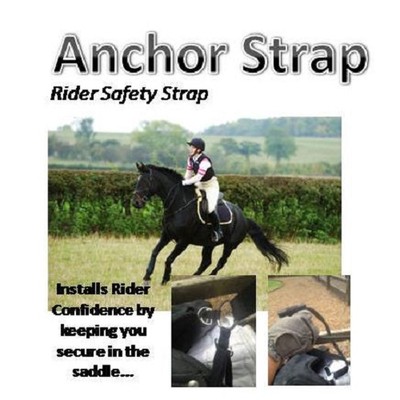
Credit: www.ebay.com
Frequently Asked Questions
What Is A Horse Riding Strap Used For?
A horse riding strap helps riders hold the reins and stay balanced during rides.
How Do I Choose The Right Horse Riding Strap?
Pick a strap that fits comfortably, is strong, and suits your riding style.
Can Horse Riding Straps Improve Riding Safety?
Yes, straps provide better grip and control, reducing the risk of slipping.
What Materials Are Horse Riding Straps Made From?
Common materials include leather, nylon, and synthetic fabrics for strength and durability.
How Do I Clean And Maintain A Horse Riding Strap?
Use mild soap and water, then air dry. Regular checks prevent damage.
Are Horse Riding Straps Suitable For Beginners?
Yes, they offer extra support and help beginners feel more secure while riding.
Conclusion
Choosing the right horse riding strap improves your riding comfort and safety. It keeps you steady and helps control your horse better. Good straps last long and fit well. Riders enjoy a smoother experience with quality gear. Remember, a simple strap makes a big difference.
Stay safe and enjoy every ride with the right equipment. Your horse will thank you too. Keep learning and practicing to grow your skills. Happy riding!
As an Amazon Associate, I earn from qualifying purchases.