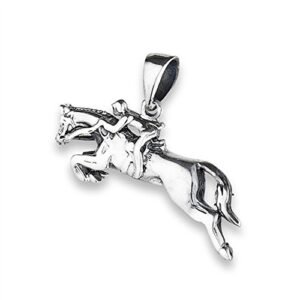
Have you ever felt drawn to something timeless and unique, yet simple enough to fit perfectly into your space? A soapstone horse might be exactly what you need.
This beautiful piece combines natural elegance with a story carved in stone. Imagine owning a sculpture that not only adds charm but also connects you to centuries of craftsmanship. Ready to discover why a soapstone horse can become your new favorite treasure?
Keep reading to find out how this artful creation can bring warmth and character into your life.
Origins Of Soapstone Art
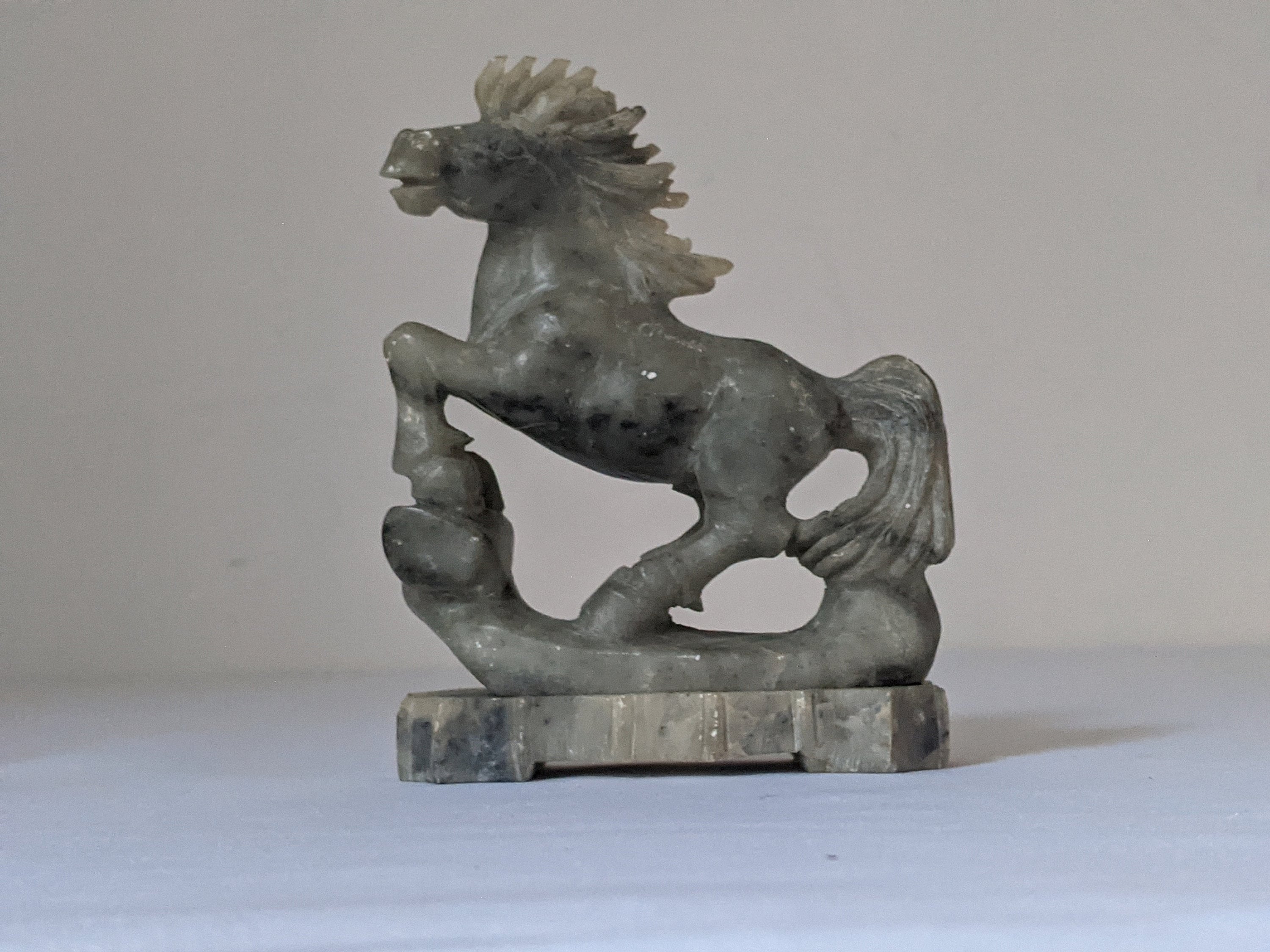
Soapstone art has a long and fascinating history. This soft rock, easy to carve, has been used for centuries. Artists shaped it into tools, figures, and decorations. Soapstone horses are among the most admired creations. They show skill and creativity through simple, smooth forms.
The art of carving soapstone connects us to ancient times. It tells stories about people and their lives. Each piece holds a part of history and culture. This makes soapstone art special and meaningful.
Historical Significance
Soapstone carving dates back thousands of years. Early humans used soapstone for cooking and heating pots. Over time, it became a medium for art and expression. Many ancient cultures prized soapstone for its durability and smooth texture.
Artifacts made from soapstone have been found worldwide. These include tools, statues, and ornaments. Soapstone horses often symbolized strength and freedom in different societies. Their presence in ancient sites shows their importance.
Cultural Roots
Many cultures have rich traditions of soapstone carving. Indigenous communities in North America are famous for their soapstone horses. They used these carvings in rituals and as gifts.
Africa also has a strong soapstone carving heritage. Artists from Zimbabwe create beautiful soapstone animals, including horses. These works reflect their connection to nature and wildlife.
Soapstone art continues to be a cultural symbol. It represents heritage, skill, and respect for natural materials. Each horse carving tells a story of cultural identity and artistic passion.
Credit: www.etsy.com
Crafting The Soapstone Horse
The art of crafting a soapstone horse is a careful and creative process. Each piece starts with raw stone and ends as a smooth, detailed sculpture. The craft combines skill and patience to bring the horse to life. Every step matters, from choosing the stone to the final polish.
Understanding each stage helps appreciate the beauty and effort behind the soapstone horse.
Material Selection
Selecting the right soapstone is the first step. The stone must be soft enough to carve but strong enough to hold details. Carvers look for smooth stones with consistent color. Soapstone often comes in shades of gray, green, or brown. Quality stone ensures the final horse looks elegant and lasts long.
Carving Techniques
Carving starts with shaping the rough outline of the horse. Artists use simple tools like chisels and knives. They remove small pieces to reveal the form inside. Fine details like the mane, eyes, and hooves come last. The carver works slowly to avoid cracks or chips. Each cut adds life to the stone.
Finishing Touches
After carving, the horse gets a smooth finish. Sandpaper or small files remove rough spots. Some artists add polish to enhance the stone’s natural shine. The final polish makes the sculpture soft to the touch. Finishing highlights the horse’s curves and fine details. The result is a beautiful, tactile piece of art.
Design Elements
The design elements of a soapstone horse bring beauty and meaning to each piece. These elements highlight the natural charm and cultural significance of the sculpture. Every detail tells a story, making each horse unique and special.
Understanding these design features helps appreciate the artistry behind soapstone horses. They reflect both nature’s gifts and human creativity.
Natural Texture And Color
Soapstone has a smooth, soft feel that artists love. Its natural texture gives the horse a lifelike touch. The stone’s surface can be polished or left rough for different effects.
The colors range from gray to green, brown, and even black. These tones add depth and richness to the sculpture. The natural color variations make each soapstone horse one of a kind.
Symbolism In Horse Figures
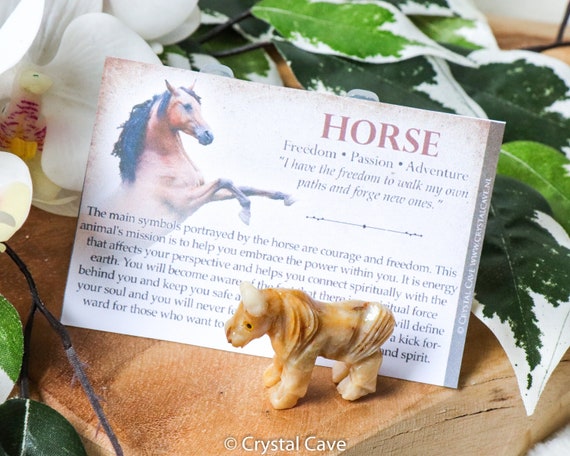
The horse is a symbol of strength, freedom, and endurance. Many cultures see it as a sign of power and grace. Soapstone horses often represent these qualities in their form.
Carvers shape the horse to show movement and spirit. Some designs include details that tell stories of tradition and belief. These figures connect the past with the present through their symbolism.
Artistic Styles And Variations
Soapstone horses show a wide range of artistic styles. Each style tells a story about culture and creativity. These variations reflect both history and modern trends. They offer unique looks for collectors and art lovers alike.
Artists use different techniques and details to create distinct soapstone horse designs. The result is a beautiful mix of traditional and modern art.
Traditional Designs
Traditional soapstone horses often have simple, smooth shapes. These designs focus on natural curves and soft edges. Many come from cultural roots, showing symbols and patterns from old stories.
They use muted colors and natural stone tones. This style keeps the original beauty of soapstone. Traditional designs highlight the craftsmanship passed down through generations.
Modern Interpretations
Modern soapstone horses explore new shapes and bold colors. Artists experiment with sharp lines and abstract forms. This style breaks from old rules to create fresh looks.
Some modern pieces use bright paints or mixed materials. These variations give the soapstone horse a new life. Modern art brings energy and innovation to this classic subject.
Caring For Soapstone Sculptures
Caring for soapstone sculptures helps keep their beauty and charm for years. Soapstone is soft and smooth, so it needs gentle care. Proper cleaning and preservation protect the stone from damage and wear. Follow simple steps to maintain your soapstone horse sculpture’s natural look and feel.
Cleaning Methods
Use a soft cloth to dust your soapstone sculpture regularly. Avoid rough materials that can scratch the surface. For deeper cleaning, dampen the cloth with warm water only. Do not use harsh chemicals or soaps, as they may harm the stone. Gently wipe the sculpture and dry it with a clean cloth. Repeat this process every few weeks to keep it fresh.
Preservation Tips
Keep your soapstone sculpture away from direct sunlight and heat sources. This prevents cracks and color fading. Apply a small amount of mineral oil to the surface now and then. The oil enhances the stone’s natural shine and protects it. Use a soft cloth to spread the oil evenly. Store the sculpture in a stable place, where it won’t fall or get knocked over.
Credit: www.etsy.com
Collecting And Displaying
Collecting and displaying soapstone horses can bring a unique charm to any space. These small sculptures tell stories of culture and nature. They are both art and history in your hands.
Careful selection and thoughtful display make a soapstone horse stand out. Each piece adds warmth and character to your home or office.
Choosing Authentic Pieces
Authentic soapstone horses have smooth textures and natural color. The stone feels cool and solid. Look for subtle imperfections; they show handcrafting.
Ask about the origin of the soapstone. Genuine pieces often come from known regions with rich carving traditions. Avoid overly shiny or plastic-like finishes.
Display Ideas
Place your soapstone horse where light highlights its curves. A wooden shelf or stone mantel works well. Keep the background simple to focus on the sculpture.
Group several horses of different sizes for a natural look. Small plants or soft lighting can enhance the display. Avoid crowded spaces to keep attention on the piece.
The Soapstone Horse In Contemporary Art
The soapstone horse has found a special place in contemporary art. Artists use soapstone to carve horses that show strength and beauty. These sculptures mix traditional craft with modern ideas. They bring life and movement to a hard, smooth stone. The soapstone horse stands as a symbol of culture and creativity today.
Artists explore different styles, from realistic to abstract forms. The soft nature of soapstone allows fine details and smooth curves. This makes each horse unique and full of character. Art lovers appreciate the skill and patience needed to shape these figures. The soapstone horse continues to inspire new works and fresh expressions.
Artists To Watch
Several artists have gained attention for their soapstone horse sculptures. John T. creates lifelike horses with delicate features. Maria L. uses bold shapes and textures to express motion. Both artists blend tradition with personal vision. Their work pushes the boundaries of soapstone art. Emerging artists also experiment with color and form. They bring new energy to this classic subject.
Market Trends
Demand for soapstone horse sculptures grows steadily. Collectors seek original pieces with high craftsmanship. Smaller sculptures are popular for home decoration. Larger works attract galleries and outdoor spaces. Prices vary but tend to rise for unique works. Online platforms help artists reach wider audiences. The market shows a strong interest in cultural and natural themes. Soapstone horses remain a valued choice among collectors.

Credit: www.amazonimportsgems.com
Frequently Asked Questions
What Is A Soapstone Horse Sculpture?
A soapstone horse is a small statue carved from soft, smooth soapstone rock.
How Is Soapstone Carved Into Horse Shapes?
Artists use simple tools to shape and polish soapstone into horse figures.
Why Choose Soapstone For Horse Sculptures?
Soapstone is easy to carve and has a smooth, warm texture.
Where Can I Buy Soapstone Horse Figures?
You can find them in art shops, online stores, and craft fairs.
How Do I Care For A Soapstone Horse Statue?
Clean gently with a soft cloth and avoid harsh chemicals or water.
Are Soapstone Horses Good Gifts Or Collectibles?
Yes, they make unique, beautiful gifts and add charm to any collection.
Conclusion
Soapstone horses carry a rich history and natural beauty. They add charm to any space with their unique look. Carving soapstone is a skill that honors tradition and creativity. These sculptures connect us to culture and nature in a simple way.
Owning a soapstone horse brings a sense of calm and art together. Consider how these pieces tell stories without words. They remain timeless gifts from the earth, shaped by human hands. Soapstone horses keep art alive through their quiet, strong presence.
As an Amazon Associate, I earn from qualifying purchases.