Are you looking for a bit that offers both control and comfort for your horse? Combination bits might be the answer you’ve been searching for.
These bits blend features from different types, giving you better communication with your horse without causing discomfort. If you want to improve your riding experience and build a stronger bond with your horse, understanding how combination bits work is essential.
Keep reading to discover why these bits could make a real difference for you and your horse.

Credit: fagerbitsusa.com
Types Of Combination Bits
Combination bits bring together different features to help riders control horses better. Each type offers unique pressure points and comfort levels. Understanding these types helps you choose the right bit for your horse.
Double Jointed Bits
Double jointed bits have two joints in the middle. This design reduces pressure on the horse’s tongue and bars. It offers more flexibility and comfort than single joint bits. Many horses respond well to this gentler bit.
Mullen Mouth Bits
Mullen mouth bits have a solid, curved mouthpiece. They apply even pressure on the tongue and bars. This bit is good for horses with sensitive tongues. It helps keep the horse steady and relaxed.
Ported Bits
Ported bits have a raised center part called a port. The port gives the tongue room and applies pressure on the roof of the mouth. This bit can help horses with strong tongues or those that resist the bit. It offers clear signals without harshness.
Kimblewick Bits
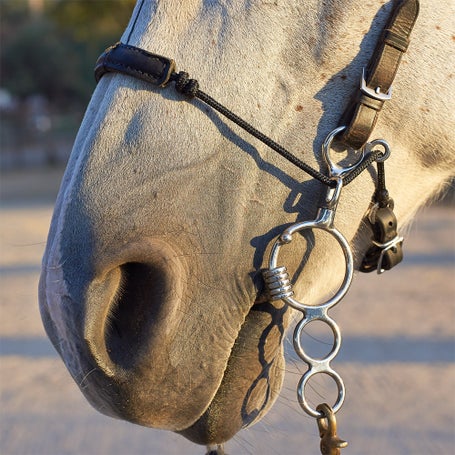
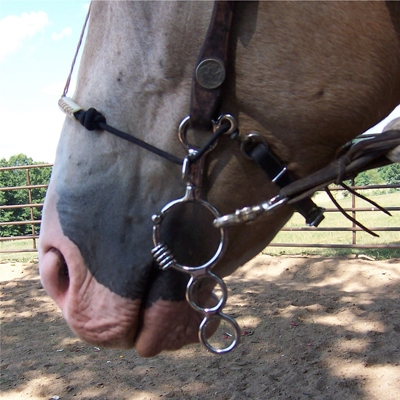
Kimblewick bits combine snaffle and curb bit features. They have a bit of leverage, giving stronger control. This bit is good for horses that need more guidance. It helps balance control with comfort.
Credit: www.ridingwarehouse.com
Materials And Design
Choosing the right materials and design for combination bits is essential. These factors affect comfort and control for your horse. Different materials offer unique benefits. Design shapes influence how the bit fits and works. Understanding these helps in selecting the best bit.
Metal Options
Common metals include stainless steel, copper, and sweet iron. Stainless steel is strong and resists rust. Copper encourages salivation, making the bit softer. Sweet iron darkens with use, which some horses like. Each metal changes the feel and taste for the horse.
Rubber And Plastic Choices
Rubber bits are soft and gentle on the horse’s mouth. They reduce pressure and prevent soreness. Plastic bits are lightweight and easy to clean. Both materials suit sensitive horses well. They offer a softer alternative to metal bits.
Bit Shape And Fit
Bit shape affects how pressure is applied. Mullen mouth bits have a straight bar, which spreads pressure evenly. Jointed bits move more and offer different signals. Proper fit avoids rubbing and discomfort. Measure your horse’s mouth carefully before buying.
Benefits Of Combination Bits
Combination bits offer several advantages for both horses and riders. These bits blend different elements to improve communication and comfort. Riders can guide their horses more clearly without causing discomfort. Horses respond better and feel less stress. This makes riding safer and more enjoyable for everyone.
Enhanced Comfort For Horses
Combination bits use softer materials and smooth shapes. This reduces pressure on the horse’s mouth. They avoid sharp edges that cause pain or sores. The design spreads pressure evenly across sensitive areas. This helps horses stay calm and relaxed during rides.
Improved Rider Control
These bits give riders better control with gentle signals. They combine the benefits of snaffle and curb bits. Riders can adjust pressure easily to guide horses precisely. This leads to clearer communication and fewer misunderstandings. It helps especially during fast or tricky maneuvers.
Versatility Across Disciplines
Combination bits suit many riding styles and disciplines. They work well in dressage, jumping, and trail riding. Riders can use them for training young or sensitive horses. Their adaptable design meets different skill levels and needs. This makes them a popular choice for many riders.
Choosing The Right Bit
Choosing the right bit for your horse is very important. The bit affects how your horse feels and responds. A good fit helps your horse stay calm and listen well. A wrong bit can cause discomfort and poor performance. Consider your horse’s needs and your riding style carefully.
Assessing Horse’s Mouth Sensitivity
Every horse has a different mouth sensitivity. Some horses have soft, tender mouths. Others have tougher mouths that need more pressure. Watch your horse’s reaction to touch in the mouth. Start with a gentle bit and see how your horse reacts. Avoid bits that cause pain or heavy pressure.
Matching Bit To Riding Style
Your riding style affects which bit works best. For light riding, a simple bit may be enough. For more control, a combination bit gives extra options. Dressage riders might need bits that allow subtle commands. Trail riders may prefer softer bits for comfort. Choose a bit that fits your riding goals.
Considering Horse Behavior
Horse behavior gives clues about the right bit. A horse that pulls may need a stronger bit. A nervous horse benefits from a gentler bit. Watch how your horse reacts during rides. Change bits if your horse shows resistance or discomfort. The right bit helps your horse relax and respond better.
Proper Fitting Techniques
Proper fitting techniques are key for using combination bits with horses. A well-fitted bit helps the horse stay comfortable and responsive. Poor fit can cause pain and confusion. Take time to measure and adjust carefully. This improves communication between rider and horse.
Measuring Bit Size
Start by measuring your horse’s mouth width. Use a soft tape or ruler. Measure from one corner of the mouth to the other. The bit should be slightly wider than this. Avoid bits that are too tight or too loose. A correct size prevents pinching or slipping.
Adjusting Cheek Pieces
Cheek pieces control the bit’s height in the horse’s mouth. Adjust them so the bit rests gently on the bars. Avoid letting the bit hang too low. Too high causes pressure on the lips. The bit should create one or two small wrinkles at the corners of the horse’s mouth.
Checking For Pressure Points
Look for areas where the bit presses too hard. Check the tongue, bars, and corners of the mouth. Watch your horse’s reaction during riding. Signs like head tossing or mouth opening can mean discomfort. Adjust the bit or cheek pieces to ease pressure. Comfort leads to better performance and trust.
Training Tips With Combination Bits
Training with combination bits requires care and patience. These bits offer more control but can be strong. Using them right helps your horse learn without stress. Understanding how to introduce and use these bits improves training results.
Focus on gentle guidance and clear signals. Watch your horse closely to see how it reacts. Adjust your approach based on what you observe.
Introducing New Bits Gradually
Start by letting your horse wear the bit without riding. This helps the horse get used to the feel. Use short sessions and watch for signs of discomfort. Avoid forcing the horse to accept the bit all at once.
After the horse accepts the bit, try light work at first. Keep rides short and calm. Gradually increase the time as the horse grows comfortable.
Reading Horse’s Response
Pay close attention to your horse’s reactions during training. Look for signs like head tossing, licking, or biting. These may mean the bit is too harsh or the horse is confused.
Positive signs include calm chewing and soft eyes. These show the horse accepts the bit and understands your aids. Adjust your style if the horse seems tense or resistant.
Using Rein Aids Effectively
Use gentle, clear rein signals with combination bits. Avoid pulling hard or jerking the reins. Light pressure teaches the horse to respond softly.
Practice short, steady rein aids to guide your horse. Release pressure quickly when the horse obeys. This builds trust and better communication.
Common Mistakes To Avoid
Using combination bits for horses can improve control and communication. Still, some common mistakes can cause discomfort or poor performance. Avoiding these errors helps ensure a better experience for both horse and rider.
Overtightening The Bit
Many riders tighten the bit too much. This puts pressure on the horse’s mouth and gums. It can cause pain and make the horse resist. The bit should be snug but not tight. Allow some movement so the horse feels comfortable.
Ignoring Horse Discomfort
Watch the horse’s behavior closely. Signs like head tossing or excessive chewing show discomfort. Ignoring these signs harms trust and performance. Adjust or change the bit if the horse seems unhappy. Comfort leads to better control and cooperation.
Using Inappropriate Bit Types
Not all bits suit every horse. Some horses need gentler bits, while others handle stronger ones. Choose a bit that fits your horse’s mouth size and temperament. Using the wrong type can cause pain or confusion. Proper selection improves communication and riding quality.
Credit: mylerbitsusamarshfieldmo.com
Maintenance And Care
Taking care of combination bits for horses helps keep them safe and comfortable. Good maintenance also makes the bit last longer. Simple daily care can prevent problems and keep your horse happy during rides.
Cleaning After Use
Rinse the bit with warm water after each ride. Use a soft cloth to remove dirt and saliva. Avoid harsh chemicals that may harm your horse’s mouth. For metal bits, a gentle brush can clean hard-to-reach spots. Dry the bit fully before storing it.
Inspecting For Wear And Tear
Check the bit regularly for cracks or sharp edges. Look for loose parts or rust that might hurt your horse. Replace the bit if it shows signs of damage. Keep your horse’s comfort and safety as a priority.
Storage Recommendations
Store bits in a dry, clean place away from moisture. Use a soft bag or box to prevent scratches. Avoid storing bits in direct sunlight or damp areas. Proper storage keeps the bit in good shape for longer use.
Frequently Asked Questions
What Is A Combination Bit For Horses?
A combination bit mixes a snaffle and curb bit for better control and communication.
How Does A Combination Bit Help Horse Riding?
It offers gentler pressure on the horse’s mouth and poll, improving rider control.
Who Should Use A Combination Bit For Horses?
Experienced riders or those training strong horses often use combination bits for more control.
Can Combination Bits Cause Discomfort To Horses?
If used correctly, they are comfortable; wrong use may cause pressure and pain.
What Materials Are Combination Bits Made From?
Common materials include stainless steel, copper, and rubber for durability and comfort.
How To Choose The Right Combination Bit Size?
Measure your horse’s mouth width and consult a professional for the perfect fit.
Conclusion
Choosing the right combination bit helps both horse and rider. It gives better control and comfort. Every horse is different, so try to find what fits best. Pay attention to how your horse reacts. A good bit can make riding safer and more enjoyable.
Take your time to learn and adjust. This helps build trust and clear communication. Keep your horse’s needs first and enjoy the ride.
As an Amazon Associate, I earn from qualifying purchases.