If you care for horses, knowing how to give an intramuscular injection safely and effectively is a skill you need. Whether you’re a horse owner, trainer, or caretaker, understanding the right technique can make a big difference in your horse’s health and comfort.
This guide will walk you through everything you need to know about intramuscular injections for horses—so you can feel confident, avoid common mistakes, and keep your horse feeling their best. Ready to learn how to help your horse the right way?
Keep reading.
Credit: wvs.academy
Choosing Injection Sites
Choosing the right injection site for intramuscular injections in horses is crucial. It helps ensure the medicine works well and keeps the horse safe. Picking the correct muscle can reduce pain and avoid injuries. Proper site selection also prevents complications like swelling or infection.
Common Muscles For Injection
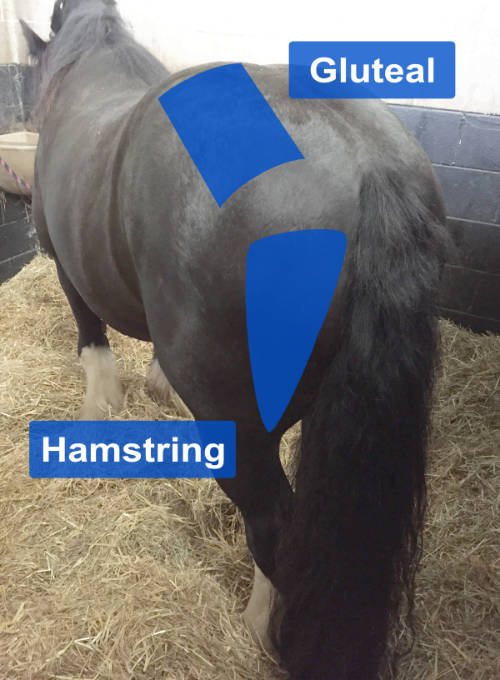
The neck muscle is the most common spot for injections. It is easy to reach and has fewer nerves. The pectoral muscles in the chest are another option. The gluteal muscles in the hindquarters can also be used but need care. These muscles are large and hold more medicine.
Avoiding Nerves And Blood Vessels
Injections must avoid hitting nerves or big blood vessels. This prevents pain and injury. The neck area has fewer nerves in the middle third. Stay away from the spine and large vessels on the side. Use landmarks like the nuchal ligament to guide you. Careful needle placement keeps the horse calm and safe.
Site Rotation Importance
Rotating injection sites is very important. It prevents soreness and tissue damage. Repeated injections in one spot cause lumps or infections. Move injections between the left and right sides. Also, change the muscle used regularly. Site rotation helps keep muscles healthy and pain-free.
Preparing The Injection
Preparing an intramuscular injection for a horse requires careful steps. Proper preparation ensures the medication works well and keeps the horse safe. Each step matters from choosing tools to handling medicine. Follow these guidelines for smooth injection preparation.
Selecting The Right Needle And Syringe
Choose a needle long enough to reach the muscle. Usually, a 1 to 1.5 inch needle works well for horses. The needle gauge should be 18 to 20, thick enough for medication flow. Pick a syringe size that matches the medicine amount. A 10 to 20 ml syringe often suits horse injections.
Proper Medication Handling
Check the medicine label for expiration and dosage. Use medicine only if it looks clear and clean. Avoid touching the needle or syringe tip. Draw the medicine slowly to prevent air bubbles. Double-check the dose before injecting the horse.
Sterilization Techniques
Clean the injection site on the horse’s skin with alcohol. Use a new cotton ball for each wipe. Do not touch the cleaned area again. Keep needles and syringes sterile until use. Dispose of needles safely after injection to avoid injury.
Administering The Injection
Administering an intramuscular injection to a horse requires care and precision. Proper technique ensures the medicine works well and keeps the horse safe. Understanding how to hold the horse, insert the needle, and give the injection helps avoid problems. Follow these steps to give injections correctly and gently.
Correct Restraint Methods
Hold the horse firmly but calmly. Use a halter and lead rope to keep control. Stand beside the horse’s neck or shoulder for safety. Avoid sudden moves to prevent injury. A helper can hold the horse’s head steady. Calm the horse with a soft voice before starting.
Needle Insertion Angle And Depth
Insert the needle at a 90-degree angle to the skin. This angle reaches the muscle directly. Use a needle long enough to pass through the skin and fat. Push the needle in smoothly and steadily. The depth depends on the horse’s size and muscle thickness. Avoid shallow or too deep insertion to reduce pain and injury.
Injecting Medication Safely
Pull back the plunger slightly to check for blood. No blood means it is safe to inject. Inject the medicine slowly to reduce discomfort. Remove the needle quickly and smoothly after injection. Massage the area gently to help spread the medication. Dispose of needles safely to avoid accidents. Always follow the vet’s instructions for dosage and type of medicine.
Post-injection Care
Post-injection care is very important for a horse’s health. It helps prevent problems after the shot. Careful attention makes sure the horse stays comfortable and recovers well.
Watching the horse after the injection helps catch any issues early. Gentle care on the injection site supports healing. Keeping records of each injection helps track the horse’s health over time.
Monitoring For Reactions
Check the horse often after the injection. Look for swelling, heat, or redness at the site. Notice any unusual behavior like limping or restlessness. Early signs of infection or allergic reaction need quick action. Contact a vet if symptoms get worse or last more than a day.
Site Massage And Aftercare
Gently massage the injection site to reduce soreness. Use clean hands and soft pressure. Massage helps spread the medicine and improves blood flow. Avoid hard rubbing or pressing too much. Keep the area clean and dry to stop infection. Watch that the horse does not rub or bite the site.
Recording The Procedure
Write down details of each injection. Include the date, medicine name, and dose. Note the injection site and any reactions. Good records help vets choose the best care. They also prevent giving the same medicine twice by mistake.
Common Mistakes To Avoid
Giving a horse an intramuscular injection requires care and attention. Many common mistakes can cause pain or infection. Avoiding these errors ensures the injection works well and keeps the horse safe.
Incorrect Site Selection
Choosing the wrong injection site can hurt the horse. Some muscles are too close to nerves or large blood vessels. Injecting in these areas can cause injury or swelling. Use the neck muscles, which are safer and easier to reach. Always know the right spot before injecting.
Using Dull Or Wrong Sized Needles
Dull needles cause more pain and damage to the muscle. They also make the injection harder to give. Needles that are too short may not reach the muscle. Too long needles can hit bones or nerves. Use a new, sharp needle of the correct size for the horse’s muscle.
Poor Hygiene Practices
Dirty hands or equipment can cause infections. Always wash your hands before handling needles. Clean the injection site with alcohol to kill germs. Never reuse needles or syringes. Proper hygiene protects the horse from sickness and speeds healing.
Credit: erskinedvm.com
Safety Tips For Handlers
Handling horses during intramuscular injections requires care and attention. Safety is important for both the handler and the horse. Taking steps to protect yourself and manage the horse can prevent accidents and stress. Follow these safety tips to keep the process smooth and safe.
Protective Gear Recommendations
Wear sturdy gloves to protect your hands from needles and sudden movements. Use closed-toe boots to shield your feet from being stepped on. A helmet is useful, especially with nervous horses. Wear long sleeves and pants to avoid scratches. Safety gear reduces injury risk during injections.
Handling Difficult Horses
Stay calm and confident around the horse. Speak softly to keep the horse relaxed. Use a halter and lead rope for control. Ask for help if the horse is strong or nervous. Do not force the horse; move slowly and gently. Watch the horse’s body language for signs of discomfort or fear.
Emergency Response Procedures
Have a first aid kit ready for both humans and horses. Know the nearest vet and emergency contact numbers. If the horse reacts badly, stop and assess the situation. Move away carefully if the horse becomes aggressive. Call for help immediately if injury happens. Being prepared reduces harm and stress.

Credit: benefabproducts.com
Frequently Asked Questions
What Is An Intramuscular Injection For Horses?
It is a shot given deep into horse muscles to deliver medicine quickly.
Where Is The Best Site For Horse Intramuscular Injections?
The neck muscles are safest and most common for intramuscular injections.
How Much Medicine Can A Horse Safely Receive Intramuscularly?
Usually, up to 15 ml per injection site is safe for horses.
What Are Common Risks Of Intramuscular Injections In Horses?
Risks include swelling, soreness, infection, or damage to nerves and tissues.
How Often Can Horses Get Intramuscular Injections?
Frequency depends on the medicine, but usually once daily or as vet directs.
How To Reduce Pain During Horse Intramuscular Injections?
Use clean needles, inject slowly, and pick correct muscle sites to reduce pain.
Conclusion
Injecting a horse safely takes care and knowledge. Choose the right spot and use clean tools. Always watch the horse’s reaction during the injection. Proper technique helps the medicine work well and avoids harm. Practicing often builds confidence and skill.
Caring for your horse includes safe injections every time. This keeps your horse healthy and strong.
As an Amazon Associate, I earn from qualifying purchases.