Have you ever noticed a horse flared and wondered what it means? When a horse flares its nostrils, it’s not just a simple breath—it’s a powerful sign that can tell you a lot about how your horse is feeling.
Understanding this behavior can help you connect better with your horse, keep them comfortable, and respond quickly to their needs. You’ll discover why horses flare their nostrils, what it signals about their mood or health, and how you can use this knowledge to strengthen your bond.
Keep reading, because this small detail could make a big difference in your horse’s well-being.

Credit: www.reddit.com
What Is Horse Flared
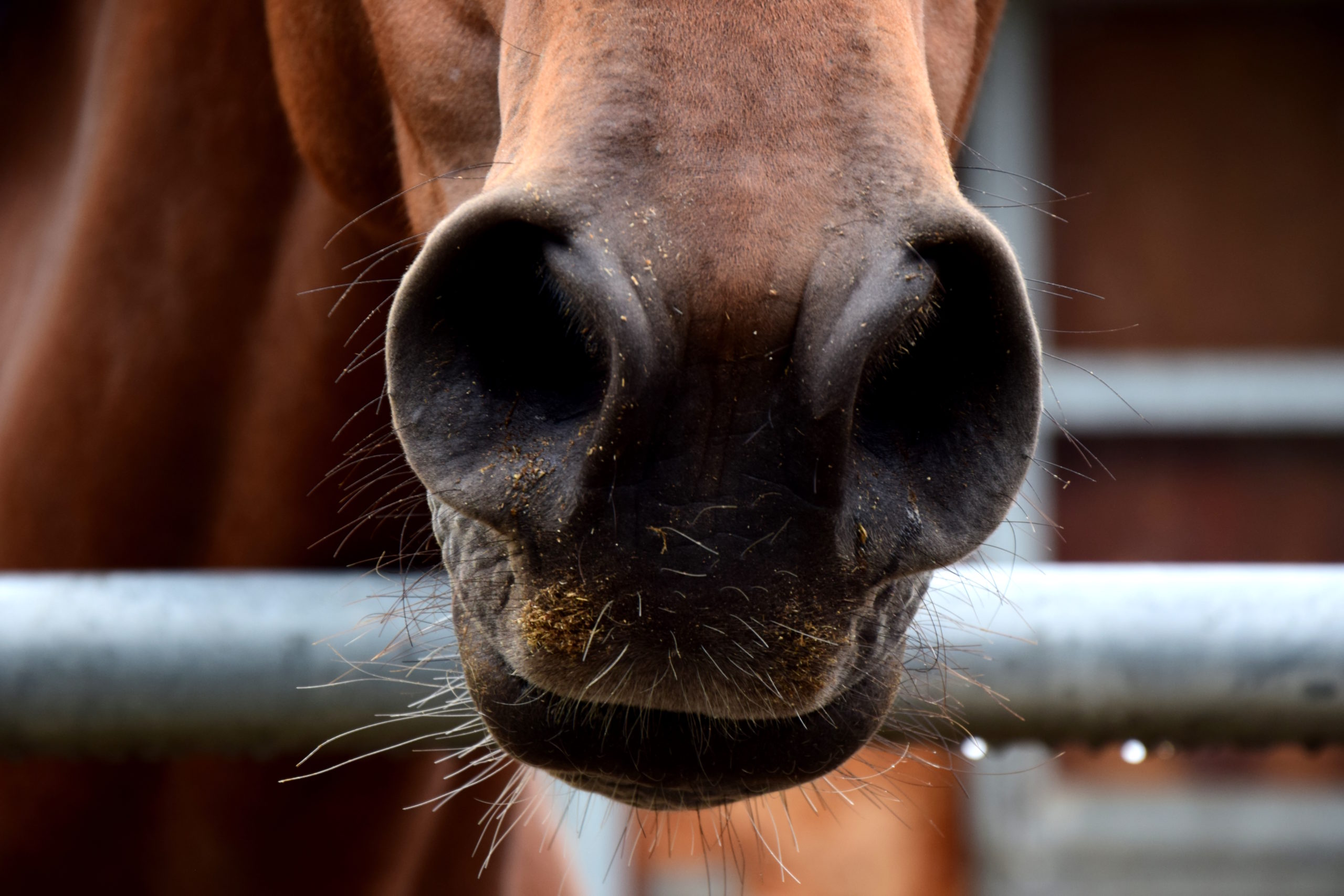
Horse flared is a term used to describe a specific style or feature related to horses. It often refers to the way a horse’s nostrils expand or flare during movement or excitement. This natural action helps horses take in more air quickly.
Flared nostrils can show a horse’s emotion or physical effort. They indicate alertness, stress, or high energy. Horse flared can also describe certain design elements in horse equipment or fashion that mimic this natural flare.
Definition Of Horse Flared
Horse flared means the nostrils of a horse widen or open more than usual. This happens when the horse breathes hard or reacts to something. It is a sign of activity or excitement.
Why Horses Flare Their Nostrils
Horses flare nostrils to breathe better during running or hard work. It helps them get more oxygen quickly. It also shows their mood, like fear or curiosity.
Appearance And Signs Of Horse Flared
Flared nostrils look like wide openings on the horse’s nose. They are easy to see when the horse is moving fast or excited. The skin around the nostrils may stretch.
Common Causes
Horse flare is a condition that can affect horses in many ways. Understanding what causes it helps in preventing and treating the problem. Several common factors lead to horse flare, ranging from allergies to injuries.
Allergic Reactions
Allergic reactions often cause horse flare symptoms. Horses may react to pollen, dust, or insect bites. These allergens irritate the skin and respiratory system. Signs include swelling, redness, and itching. Avoiding allergens helps reduce flare-ups.
Infections
Infections are another cause of horse flare. Bacterial or fungal infections affect the skin and airways. They cause inflammation and discomfort. Early treatment with proper medication is important. Infected areas need cleaning and care to heal well.
Environmental Factors
Environmental factors play a big role in horse flare. Changes in weather, poor stable conditions, or dust can trigger symptoms. Cold or damp weather often worsens flare. Keeping the stable clean and dry helps prevent problems. Good ventilation is also key.
Injury Or Trauma
Injury or trauma can cause horse flare too. Cuts, bruises, or bumps lead to swelling and pain. These wounds may get infected if not treated. Immediate care and proper bandaging help the healing process. Protecting the horse from injury reduces flare risk.
Symptoms To Watch For
Recognizing the symptoms of horse flare early helps keep your horse healthy. Watch closely for changes. These signs often show a problem before it gets worse. Knowing what to look for can save time and stress.
Physical Signs
Look for swelling around the horse’s chest and shoulders. The flare may cause lumps or bumps on the skin. Check for redness or heat in these areas. Your horse might have tightness or stiffness in the muscles. Notice if the horse’s breathing changes or if it coughs more often. These signs can mean irritation or inflammation.
Behavioral Changes
Horses with flare may act different than usual. They might seem restless or agitated. Watch for reluctance to move or sudden stiffness. Some horses may avoid being touched in certain spots. Pay attention if your horse loses interest in food or water. Changes in behavior often show discomfort or pain.
Diagnosis Methods
Diagnosing horse flare requires careful steps to find the exact cause. Early diagnosis helps to treat the condition faster. It also prevents further complications. Different methods work together to give a clear picture of the horse’s health.
Each method looks at the problem from a different angle. This ensures the diagnosis is accurate and reliable. Understanding these methods helps owners and caretakers know what to expect.
Veterinary Examination
The first step is a thorough veterinary examination. The vet checks the horse’s physical condition carefully. They look for signs like swelling, redness, or pain. Observation of movement helps spot any discomfort. The vet also asks about the horse’s behavior and history. This helps to narrow down possible causes.
Laboratory Tests
Lab tests provide detailed information about the horse’s health. Blood samples reveal infections or inflammation. Tests can also check for allergies or parasites. Sometimes, fluid from the affected area is tested. These tests confirm what the vet suspects from the physical exam. Quick results guide the right treatment plan.
Imaging Techniques
Imaging techniques give a closer look inside the horse’s body. X-rays show bone structure and any fractures. Ultrasound helps to view soft tissues and tendons. These images help detect hidden problems. They show damage not visible on the outside. Imaging supports the vet’s diagnosis and helps track healing progress.
Treatment Options
Treating horse flare requires a clear plan. Different methods help reduce symptoms and promote healing. Some treatments aim to ease pain. Others work on the underlying cause. Choosing the right option depends on severity and horse health.
Medication
Medications often reduce inflammation and pain. Non-steroidal anti-inflammatory drugs (NSAIDs) are common choices. These drugs calm swelling and improve movement. Sometimes, veterinarians prescribe antibiotics if infection is present. Always follow the vet’s dosage instructions carefully. Overuse can cause side effects.
Home Remedies
Simple home care can support healing. Cold compresses help lower swelling. Rest is crucial to avoid worsening the flare. Soft bedding reduces pressure on sore areas. Keeping the horse clean prevents infection. Observe the horse daily for any changes.
Therapeutic Procedures
Advanced treatments may involve therapy sessions. Physical therapy improves joint flexibility and muscle strength. Laser therapy can reduce pain and speed recovery. In some cases, joint injections provide relief. These procedures should be done by professionals only. They enhance healing beyond basic care.
Credit: equusmagazine.com
Prevention Strategies
Preventing Horse Flared is key to keeping your horse healthy and comfortable. Simple steps can reduce the chances of this issue. These steps focus on care, environment, and health checks.
Proper Grooming
Regular grooming helps spot problems early. Clean the coat and hooves every day. Remove dirt, mud, and sweat. Check for cuts, swelling, or unusual signs. Grooming also improves blood flow and skin health.
Environmental Management
Keep the stable clean and dry. Wet and dirty conditions cause skin problems. Use good bedding and clean it often. Provide shade and fresh air. Avoid overcrowding to reduce stress and injury risks.
Regular Health Checks
Schedule vet visits regularly to monitor your horse’s health. Early detection of problems can prevent flare-ups. Watch for changes in behavior or appetite. Check the horse’s weight and movement daily. Act quickly if any issue appears.
When To Seek Veterinary Help
Signs like heavy breathing, swelling, or unusual noises from your horse’s nose need a vet’s check. Sudden flare-ups or persistent discomfort also call for expert care. Acting quickly helps keep your horse safe and healthy.
Recognizing Severe Symptoms
Horse flared can cause discomfort and distress. Watch closely for severe signs like constant coughing, difficulty breathing, or nasal discharge. These symptoms suggest the horse needs immediate veterinary care. Quick action can prevent complications and improve recovery chances.
Duration Of Symptoms
If the horse’s symptoms last more than a few days, call a vet. Persistent flared nostrils, swelling, or abnormal breathing indicate an underlying problem. Early veterinary assessment helps find the cause and start proper treatment.
Changes In Behavior And Appetite
Loss of appetite or unusual behavior signals serious issues. A horse that becomes lethargic or refuses food needs prompt veterinary attention. These changes often accompany respiratory or systemic illness related to horse flared.
Response To Home Care
Home remedies may ease mild symptoms. Lack of improvement or worsening condition means it’s time to seek professional help. Vets provide targeted treatments that home care cannot offer.
Care Tips During Recovery
Taking care of a horse after an injury or surgery is very important. Proper care helps the horse heal faster and avoids more problems. During recovery, attention to diet, rest, and regular checks can make a big difference.
Nutrition
Good food helps the horse’s body repair itself. Give fresh hay and clean water every day. Use feeds that support healing, like those rich in vitamins and minerals. Avoid sudden changes in diet to keep the stomach calm. Small, frequent meals work best for healing horses.
Rest And Exercise
Rest is key to recovery. Keep the horse in a quiet, safe place. Limit movement to prevent strain on the injured area. Short walks may help, but only after vet approval. Gradually increase exercise as the horse gets stronger.
Monitoring Progress
Watch the horse closely every day. Check for swelling, heat, or pain near the injury. Note any changes in behavior or appetite. Keep records of progress and share updates with your vet. Early detection of issues helps avoid bigger problems.
Credit: www.alamy.com
Frequently Asked Questions
What Does “horse Flared” Mean In Horse Behavior?
It means a horse is spreading its nostrils wide, often showing excitement or alertness.
Why Do Horses Flare Their Nostrils Sometimes?
Horses flare nostrils to breathe better, especially when they feel strong emotions or work hard.
Can Flared Nostrils Show A Horse’s Mood?
Yes, flared nostrils can show excitement, fear, or anger in horses.
Is Flaring Nostrils Normal During Horse Exercise?
Yes, horses flare nostrils to get more air during running or hard work.
How To Tell If Flared Nostrils Mean Stress In Horses?
Look for other signs like sweating, restlessness, or tense muscles along with flared nostrils.
Can Flared Nostrils Affect A Horse’s Health?
Usually no, but constant flaring with heavy breathing may need a vet’s attention.
Conclusion
Understanding horse flared nostrils helps in reading their feelings. It shows excitement, fear, or alertness. Watching these signs improves your bond with horses. Always observe their body language closely for better care. This knowledge keeps horses safe and happy. Keep learning and enjoy your time with horses more.
Simple cues tell big stories in horse behavior. Stay patient and gentle to build trust. Horses communicate in many ways—nostrils speak loud too.
As an Amazon Associate, I earn from qualifying purchases.