If you own a horse or spend time around them, you know how important it is to have a safe and sturdy place to tie your horse. Horse hitching posts are more than just practical tools—they protect your horse and keep your property organized.
But with so many options out there, how do you choose the right one for your needs? You’ll discover everything you need to know about horse hitching posts, from styles and materials to placement tips. Keep reading to find out how the right hitching post can make your life easier and keep your horse comfortable and secure.
Styles Of Horse Hitching Posts
Horse hitching posts come in many styles. Each style offers a unique look and purpose.
Choosing the right style can enhance your property’s charm. It also suits the way you want to use it.
Traditional Designs
Traditional horse hitching posts often feature classic shapes. These include simple posts with rounded tops.
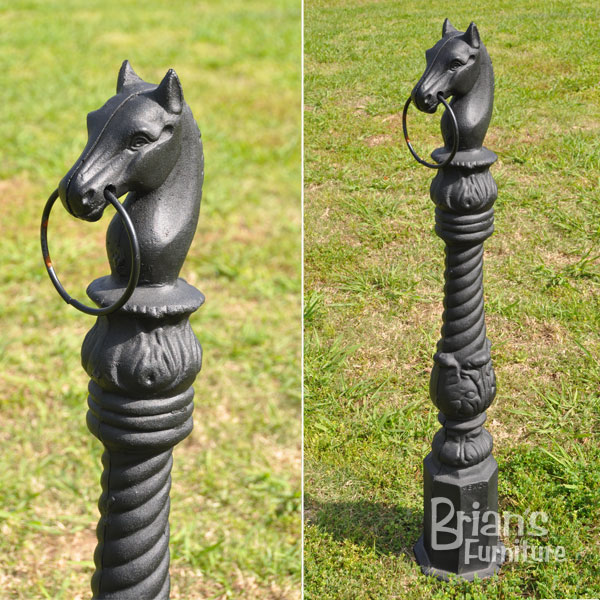
Many have decorative metal rings or hooks for tying horses. They bring a timeless, authentic feel to any space.
Wood and cast iron are common materials. These posts are sturdy and built to last.
Modern And Contemporary Options
Modern hitching posts show clean lines and minimal decoration. They focus on function and sleek design.
Materials like stainless steel and aluminum are popular. These posts resist rust and need little care.
Some designs blend into urban or suburban settings well. They suit newer homes and businesses.
Rustic And Vintage Styles
Rustic posts often use natural wood with rough finishes. They create a warm, countryside atmosphere.
Vintage styles might include old wagon wheels or reclaimed metal parts. These add character and history.
Both styles fit well on farms, ranches, or rustic-themed properties. They provide charm and a sense of tradition.

Credit: greatoakequine.com
Materials Used In Hitching Posts
Horse hitching posts come in different materials. The choice affects durability, style, and maintenance. Some materials suit rural settings. Others fit modern or rustic designs. Understanding common materials helps select the best post for your space.
Wood Varieties
Wood is a classic choice for hitching posts. Cedar resists rot and insects well. Pine is affordable but needs treatment. Oak offers strength and lasts long outside. Wood can be carved or shaped easily. It blends well with natural surroundings.
Metal Choices
Metal posts are sturdy and low maintenance. Wrought iron is popular for its vintage look. Steel provides strong support and resists damage. Aluminum is lightweight and rust-resistant. Metal posts often have decorative designs. They stand up to harsh weather conditions.
Composite And Alternative Materials
Composite materials combine wood fibers and plastic. They resist rot and require little upkeep. Concrete offers a solid, heavy base. Stone posts add a natural, timeless feel. These materials suit both traditional and modern spaces. They often last longer than wood alone.
Durability Factors
Durability is key for horse hitching posts. These posts face tough outdoor conditions daily. Choosing the right materials and care helps them last longer. Understanding durability factors guides better choices and upkeep.
Weather Resistance
Horse hitching posts must stand up to sun, rain, and snow. Metal posts often have coatings to prevent rust. Wooden posts need treatments to avoid rot and insect damage. Weather resistance extends the post’s life and keeps it safe.
Maintenance Tips
Regular checks catch problems early. Clean posts to remove dirt and debris. Reapply protective coatings on metal or wood surfaces. Tighten loose bolts or screws. Simple care prevents costly repairs and keeps posts strong.
Longevity Considerations
Material choice affects how long a post lasts. Steel and wrought iron tend to be very durable. Cedar and treated wood resist decay well. Installation also matters; secure posts last longer. Proper care adds years to any hitching post.
Functional Features
Horse hitching posts serve more than just a decorative purpose. Their design includes important features that help keep horses safe and make tying them easier. Understanding these functional features ensures the posts work well for both horses and their handlers.
Safety For Horses
Safety is the top priority for any hitching post. Posts should have smooth surfaces to avoid cuts or scrapes. Rounded edges prevent injuries during tying or movement. Strong materials help the post stay steady and not tip over. Proper height keeps horses comfortable and reduces strain on their necks.
Ease Of Use
Simple design makes hitching quick and easy. Posts with a wide ring or hook allow fast securing of reins. Clear space around the post stops tangling or pinching. The post should be easy to approach from any side. This helps riders tie and untie horses smoothly.
Accessibility And Placement
Good placement improves convenience and safety. Posts should be near common areas like stables or trails. They need to be visible and easy to reach. Avoid placing posts in crowded or slippery spots. Access to water or shade nearby adds comfort for the horse.
Customizing Your Hitching Post
Customizing your horse hitching post allows you to create a unique and practical piece. It reflects your style and meets your needs. Personal touches make the post stand out and add charm to your stable or yard.
Many options exist to tailor your hitching post. These include personalized details, colors, finishes, and extra features. Each choice enhances functionality and appearance.
Personalized Engravings
Engraving your name or a special message makes the post personal. It can include your ranch name, horse’s name, or a favorite quote. These details give character and help identify your post easily.
Color And Finish Options
Choose colors that match your property or style. Natural wood tones offer a classic look. Painted finishes add brightness and protect the post from weather. Smooth or textured finishes change the feel and appearance.
Additional Accessories
Add hooks for reins or saddles. Decorative metalwork can enhance the design. Lighting fixtures improve visibility at night. Accessories increase usefulness and improve the overall look.
Installation And Placement Tips
Installing a horse hitching post requires careful thought. The right placement keeps horses safe and comfortable. Proper installation ensures the post stays strong and steady. Consider these tips to place your hitching post well.
Choosing The Right Location
Select a spot with firm ground for stability. Avoid soft or muddy areas that can sink. Place the post near entrances or paths for easy access. Make sure it is visible and clear of obstacles. Keep the post away from busy roads or hazards. Good location helps horses stay calm and secure.
Securing The Post
Dig a deep hole to anchor the post firmly. Use concrete or gravel to fill the hole for strength. Check the post is vertical before the material dries. Tight and stable posts resist strong horse movements. Regularly inspect the post for loose or damaged parts. Secure posts protect both horses and handlers.
Compliance With Local Regulations
Research local rules about installing horse hitching posts. Some areas require permits or specific materials. Follow guidelines to avoid fines or removal orders. Check for underground utilities before digging holes. Complying with laws keeps your installation safe and legal. Confirm rules with local authorities or websites.
Popular Brands And Makers
Horse hitching posts come in many styles and qualities. Popular brands and makers offer a wide range of choices. Each brand has its own way of making these posts. Some focus on art and detail. Others focus on mass production and affordability. Understanding these options helps you choose the right post for your needs.
Artisan Craftsmanship
Artisan hitching posts show skill and care. Craftsmen use traditional methods and quality materials. Each post is often unique with hand-carved designs. These posts add charm and character to any property. They last long and look beautiful. Buyers appreciate the attention to detail and artistry.
Mass-produced Options
Mass-produced hitching posts are made in factories. They cost less and are widely available. These posts use standard designs and materials. They are good for practical use and quick installation. Many come in metal or sturdy plastic. They offer a simple solution for everyday needs.
Where To Buy
Horse hitching posts are sold in many places. Farm supply stores often carry popular brands. Some hardware stores stock mass-produced posts. Online shops offer both artisan and factory-made options. Checking product reviews helps in making a good choice. Local craftsmen may accept custom orders too.

Credit: www.reddit.com
Caring For Your Hitching Post
Taking care of your horse hitching post keeps it strong and looking good. Regular care stops damage and extends its life. Simple steps help maintain its beauty and function.
Cleaning Techniques
Start by brushing off loose dirt and debris. Use a mild soap with water to wash the surface. Avoid harsh chemicals that can harm the wood or metal. Rinse with clean water and dry with a cloth. Cleaning often prevents stains and buildup.
Repairing Damage
Check for cracks, rust, or loose parts regularly. Fill small wood cracks with wood filler. Sand the area smooth once dry. For metal posts, remove rust with a wire brush. Apply rust-resistant paint or sealant to protect it. Tighten or replace any loose bolts or screws.
Seasonal Upkeep
Protect the post before winter by applying a sealant or varnish. This stops water from soaking in and freezing. Clear snow and ice around the base to avoid damage. In summer, watch for sun damage and reapply protective coatings. Seasonal checks keep your post safe year-round.
Credit: briansfurniture.com
Frequently Asked Questions
What Is A Horse Hitching Post Used For?
A horse hitching post is a sturdy post to tie and secure horses safely.
How Do You Choose The Right Hitching Post?
Consider size, material, and location for safety and ease of use.
What Materials Are Best For Horse Hitching Posts?
Wood, metal, and stone are common, each offering durability and strength.
How High Should A Horse Hitching Post Be?
Posts are usually 4 to 5 feet tall to match horse height.
Can Hitching Posts Protect Horses From Injury?
Yes, proper design prevents horses from getting tangled or hurt.
Where Should I Place A Horse Hitching Post?
Place posts in visible, flat areas away from hazards for safety.
Conclusion
Horse hitching posts add charm and function to any outdoor space. They keep horses safe and secure while you tend to other tasks. Choosing the right post means thinking about style, material, and location. A sturdy hitching post lasts for many years.
It also helps keep your property organized. Simple, classic designs fit well in many settings. Overall, a good hitching post benefits both horse and owner. It’s a small detail that makes a big difference. Consider adding one to your barn or yard today.
As an Amazon Associate, I earn from qualifying purchases.