If you care about horses, understanding their bodies is key. A good horse anatomy book gives you a clear look inside, helping you know how your horse moves, stays healthy, and heals.
Whether you’re a rider, trainer, or just curious, this knowledge puts you one step ahead. Keep reading to discover why the right anatomy book can change the way you connect with your horse forever.
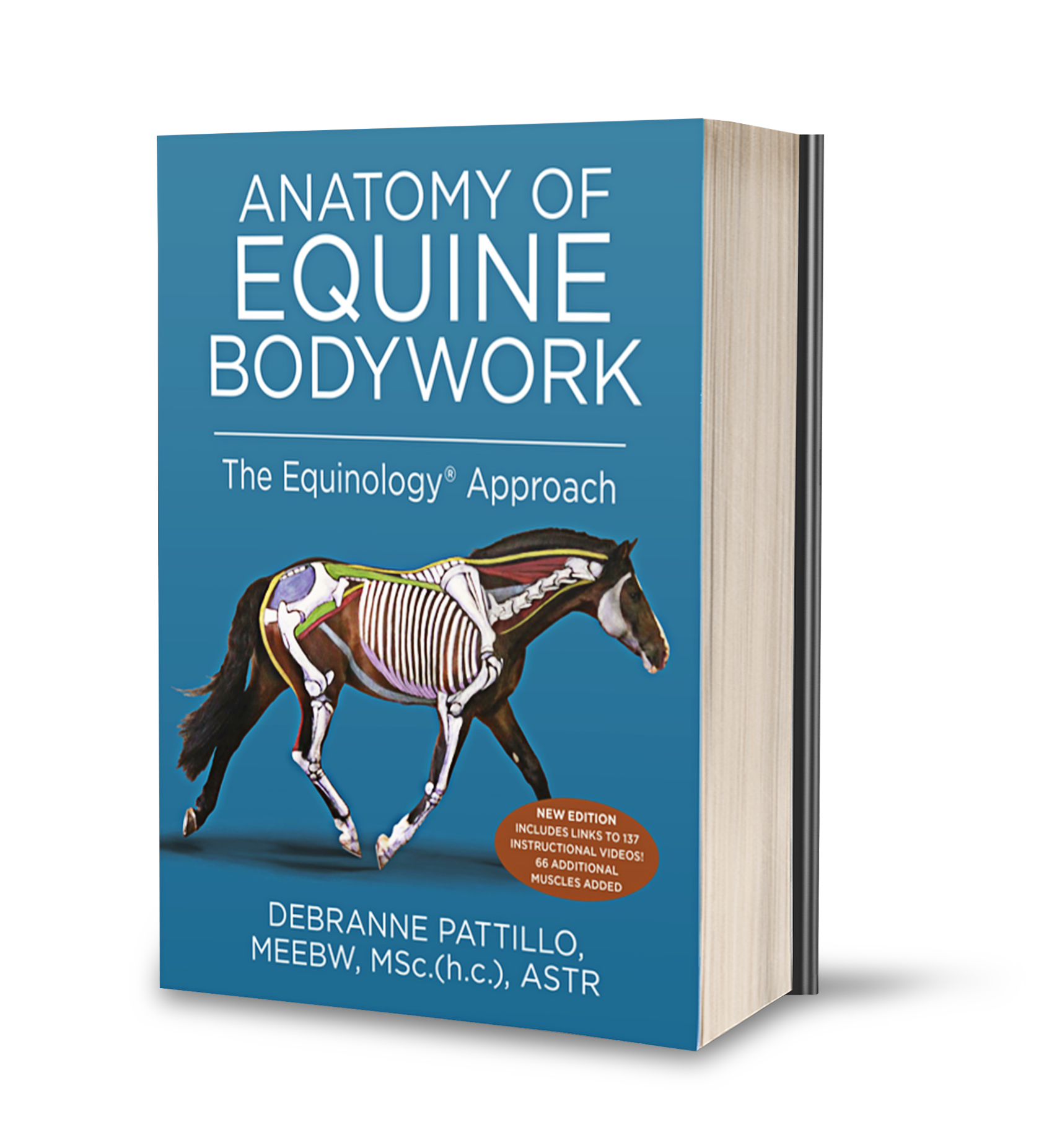
Credit: www.eli-us.com
Skeletal System
The skeletal system forms the strong frame of a horse’s body. It supports muscles and protects vital organs. Understanding this system helps in caring for horses better.
The bones give shape and allow movement. They also store minerals and produce blood cells. A well-maintained skeleton means a healthy, active horse.
Major Bones
The horse’s skeleton has over 200 bones. The skull protects the brain and supports the face. The spine runs from the neck to the tail, supporting the body.
Leg bones include the femur, tibia, and cannon bone. These bones bear weight and enable running and jumping. The ribs protect the heart and lungs inside.
Joints And Movement
Joints connect bones and allow motion. Some joints move freely, like the knee. Others allow only small movements, like those in the spine.
Ligaments and cartilage keep joints stable and smooth. Healthy joints let horses run, jump, and turn easily. Joint problems can limit movement and cause pain.
Bone Health
Strong bones need good nutrition and exercise. Calcium and phosphorus are key minerals for bones. Regular movement helps bones stay dense and tough.
Injuries and diseases can weaken bones. Early care and proper rest help bones heal well. Keeping bones healthy means a longer, happier horse life.
Muscular System
The muscular system in horses is essential for all types of movement. It allows horses to run, jump, and carry weight. Muscles work by contracting and relaxing. This system supports the horse’s skeleton and protects internal organs. Understanding the muscular system helps in caring for horses properly.
Key Muscle Groups
Horses have many muscle groups that work together. The largest muscles are in the hindquarters. These muscles provide power for running and jumping. The shoulder muscles help with lifting and moving the legs. Neck muscles support the head and allow it to move. Core muscles stabilize the body during movement.
Muscle Function
Muscles create movement by pulling on bones. They work in pairs: one muscle pulls while the other relaxes. This action helps the horse walk, trot, and gallop. Muscles also help keep balance and posture. Strong muscles improve endurance and speed.
Common Muscle Injuries
Muscle injuries are common in horses that work hard. Strains happen when muscles stretch too far. Tears can occur from sudden movements or falls. Soreness and stiffness show muscle stress or fatigue. Proper warm-up and cool-down help prevent injuries. Rest and treatment are important for recovery.
Circulatory System
The circulatory system is vital for a horse’s health and performance. It moves blood throughout the body. This system delivers oxygen and nutrients to tissues. It also removes waste products from the cells. Understanding this system helps care for horses better.
Below, we explore the heart anatomy, blood vessels, and the circulation process. These parts work together to keep the horse alive and active.
Heart Anatomy
The horse’s heart is strong and muscular. It has four chambers: two atria and two ventricles. The right side pumps blood to the lungs. The left side sends oxygen-rich blood to the body. The heart beats about 30 to 40 times per minute at rest. It can increase a lot during exercise.
Blood Vessels
Blood vessels carry blood throughout the horse’s body. There are three main types: arteries, veins, and capillaries. Arteries carry blood away from the heart. Veins bring blood back to the heart. Capillaries connect arteries and veins. They allow oxygen and nutrients to pass to cells.
Circulation Process
The heart pumps blood into the arteries. Blood travels to organs and muscles. Oxygen and nutrients leave the blood through capillaries. Waste products enter the blood at the same time. Veins carry blood back to the heart. Then, the blood moves to the lungs to get oxygen again. This cycle repeats continuously.
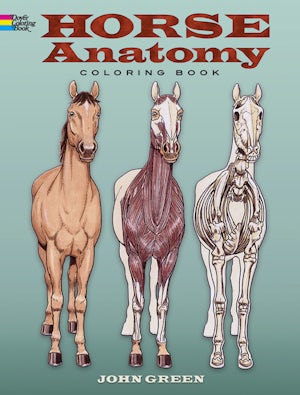
Credit: store.doverpublications.com
Respiratory System
The respiratory system is vital for horses. It helps them breathe and get oxygen to their bodies. Oxygen is needed for energy and good health. Understanding this system is important for horse care and training.
This section explains the main parts of the horse’s respiratory system. It covers the nasal passages, lungs, and breathing mechanics. Each part plays a key role in how horses breathe and stay active.
Nasal Passages
The nasal passages filter and warm the air horses breathe. They remove dust and dirt to protect the lungs. These passages are wide and strong to allow large airflow. This helps horses breathe easily during exercise.
Lungs Structure
The lungs are large and spongy organs inside the chest. They have many tiny air sacs called alveoli. These sacs help oxygen enter the blood and remove carbon dioxide. Healthy lungs keep horses strong and able to perform well.
Breathing Mechanics
Breathing happens when muscles move the chest and diaphragm. Air flows in through the nose and fills the lungs. Then, the muscles relax and push air out. This process repeats fast during hard work or rest.
Digestive System
The digestive system of a horse is complex and vital for its health. It breaks down food into nutrients the body can use. Understanding this system helps horse owners provide better care. Each part plays a special role in digestion and absorption.
Mouth And Teeth
The mouth starts the digestion process. Horses use their teeth to chew food into smaller pieces. Their teeth grow continuously to handle constant grinding. Saliva moistens the food, making it easier to swallow. Chewing well helps prevent digestive problems later.
Stomach And Intestines
The stomach is small but powerful. It mixes food with digestive juices to break it down. Food then moves to the intestines. The small intestine absorbs nutrients like proteins and sugars. The large intestine ferments fiber, turning it into energy. This part is long and important for horse health.
Nutrient Absorption
Nutrients pass from the intestines into the blood. This process feeds the horse’s body and keeps it strong. Vitamins, minerals, and energy all come from this step. Proper digestion ensures the horse gets enough nutrients. Poor digestion can lead to weight loss and illness.
Nervous System
The nervous system in horses controls their movements and senses. It helps horses react quickly to their environment. This system is complex but very important for horse health and behavior.
Understanding the nervous system helps caretakers and riders better care for horses. It also explains how horses think and feel pain or pleasure.
Brain Anatomy
The horse’s brain is the control center for the body. It processes information from the senses. The brain has parts that control movement, balance, and memory. It also manages emotions and instincts. The size and shape of the brain fit the horse’s body well.
Spinal Cord
The spinal cord connects the brain to the rest of the body. It runs inside the backbone. It carries messages from the brain to muscles and organs. It also sends signals back to the brain from the body. The spinal cord is protected by bones and tissues.
Nerve Functions
Nerves carry messages quickly to and from the brain and spinal cord. They control muscle movements and sense touch, temperature, and pain. Sensory nerves bring information from the body to the brain. Motor nerves send instructions from the brain to the muscles.
This system helps horses react fast to danger. It also helps them walk, run, and perform tasks.
Integumentary System
The integumentary system is a key part of a horse’s body. It protects the horse from injury, infection, and weather. This system includes the skin, coat, hair, and hooves. Each part works together to keep the horse healthy and comfortable.
Skin Layers
The skin has three main layers. The outer layer is the epidermis. It acts as a shield against dirt and germs. The middle layer is the dermis. It holds blood vessels, nerves, and hair roots. The inner layer is the hypodermis. It stores fat and cushions the body.
Coat And Hair
The coat covers the skin and changes with the seasons. It helps keep the horse warm in winter. It also protects from sun and insects. Hair grows from follicles in the skin. Hair color and texture vary among horses. Grooming helps keep the coat clean and healthy.
Hoof Structure
The hoof is a tough, hard structure. It supports the horse’s weight. The hoof has several parts: the wall, sole, frog, and heel. The wall is the visible outer part. The sole protects the bottom of the hoof. The frog helps with shock absorption and grip. Hoof care is essential for strong legs and good movement.
Reproductive System
The reproductive system of a horse is essential for breeding and the continuation of the species. It includes organs and structures that work together to produce offspring. Understanding this system helps horse owners and breeders care for horses better.
Male Anatomy
The male horse’s reproductive system includes the testes, which produce sperm. The penis delivers sperm during mating. The epididymis stores sperm until it is mature. The vas deferens carries sperm from the testes to the urethra. Accessory glands produce fluids that protect and nourish sperm.
Female Anatomy
The female horse’s reproductive system includes the ovaries, which release eggs. The oviducts transport eggs to the uterus. The uterus is where the fetus grows during pregnancy. The cervix acts as a barrier to protect the uterus. The vagina serves as the birth canal and mating site.
Reproductive Cycle
The mare’s reproductive cycle is called the estrous cycle. It lasts about 21 days. The mare is fertile for 5 to 7 days during this cycle. Hormones control the release of eggs and prepare the body for pregnancy. Signs of heat include restlessness and frequent urination.
Sensory Organs
Horses rely heavily on their sensory organs to understand their surroundings. These organs help them detect danger, find food, and communicate. Each sense plays a unique role in a horse’s daily life and behavior. Learning about these senses gives insight into how horses perceive the world.
Eyes And Vision
Horses have large eyes on the sides of their heads. This placement gives them a wide field of vision. They can see almost 350 degrees around them. Horses see well in low light but have limited color vision. Their eyes help detect motion quickly, which is key for spotting threats. They also have a strong depth perception in front.
Ears And Hearing
Horse ears are very mobile and can rotate almost 180 degrees. They use their ears to pick up sounds from many directions. Horses hear higher frequencies than humans do. Their hearing helps them sense danger even when they cannot see it. Ear movement also shows their mood and focus.
Smell And Taste
Horses have a strong sense of smell. They use it to recognize other horses and find food. Smell helps them detect predators or changes in the environment. Taste helps horses choose what plants to eat. They avoid bitter or harmful plants naturally. These senses guide their feeding and safety habits.
Common Anatomical Disorders
Understanding common anatomical disorders helps horse owners care for their animals better. These disorders affect different parts of a horse’s body. Recognizing symptoms early can improve treatment success. The following sections explain key issues in horse anatomy.
Skeletal Issues
Horses often face problems with bones and joints. Arthritis is common, causing pain and stiffness. Fractures can occur from accidents or heavy work. Bone infections may develop after wounds. These conditions limit movement and affect performance. Proper rest and veterinary care are essential.
Muscular Problems
Muscle strains and tears happen from overwork or injury. Tying-up syndrome causes muscle stiffness and pain. Nutritional imbalances can lead to muscle weakness. Regular exercise and balanced diet support healthy muscles. Early treatment helps prevent long-term damage.
Respiratory Conditions
Respiratory issues impact a horse’s breathing and endurance. Heaves is a chronic lung disease caused by allergens. Infections like pneumonia can develop quickly. Dusty environments worsen respiratory health. Clean stables and good ventilation reduce risks.

Credit: www.amazon.com
Frequently Asked Questions
What Topics Does A Horse Anatomy Book Cover?
A horse anatomy book shows parts like muscles, bones, organs, and how they work together.
Who Can Benefit From Reading A Horse Anatomy Book?
Riders, vets, trainers, and horse lovers find these books helpful to understand horse care.
How Detailed Are The Illustrations In Horse Anatomy Books?
Most books have clear, detailed pictures to help readers see horse body parts easily.
Why Is Learning Horse Anatomy Important For Riders?
Knowing anatomy helps riders prevent injuries and understand horse behavior better.
Can Beginners Understand Horse Anatomy Books Easily?
Yes, many books use simple words and pictures to explain horse anatomy clearly.
Where Can I Find Good Horse Anatomy Books?
Good books are available online, in bookstores, and at libraries focused on animals.
Conclusion
A good horse anatomy book helps you understand horses better. It shows how their bodies work and why it matters. Knowing this can improve horse care and training. Clear pictures and easy words make learning simple. Anyone who loves horses will find it helpful.
It builds confidence and respect for these animals. A solid guide like this supports your horse journey well. It’s a smart choice for beginners and experts alike.
As an Amazon Associate, I earn from qualifying purchases.