When it comes to your horse arena, the right fencing isn’t just about looks—it’s about safety, control, and peace of mind. You want a fence that keeps your horses secure, stands up to wear and tear, and fits your budget.
But with so many options out there, how do you choose the best one for your needs? You’ll discover everything you need to know about horse arena fencing. By the end, you’ll feel confident making a choice that protects your horses and enhances your arena’s performance.
Keep reading to find out what makes the perfect fence for your equine space.
Types Of Horse Arena Fencing
Choosing the right fencing for a horse arena is important for safety and durability. Different materials offer unique benefits and fit various budgets. Understanding each type helps in making a smart choice for your arena.
Wood Fencing
Wood fences provide a classic look that many horse owners like. They are strong and visible, which helps keep horses safe. Maintenance is needed to avoid rot and damage from weather. Wood fences can be painted or stained for extra protection.
Vinyl Fencing
Vinyl fences look clean and require little upkeep. They do not rot or fade easily. Vinyl is gentle on horses, reducing the risk of injury. This type is often more expensive but lasts longer than wood.
Metal Fencing
Metal fences are very strong and durable. They can withstand heavy use and harsh weather. Some metal fences have smooth surfaces to prevent cuts. They need little maintenance but can get hot in the sun.
Electric Fencing
Electric fences provide a strong psychological barrier for horses. They are easy to install and move if needed. These fences require a power source and regular checks. Electric fencing works best with other fence types for added safety.
Mesh And Wire Fencing
Mesh and wire fences are cost-effective and flexible. They keep horses contained while offering good visibility. Proper tension and height are important for safety. These fences work well for large arenas or pastures.
Key Safety Features
Horse arena fencing plays a crucial role in keeping horses safe. Good fencing protects horses from injury and escape. Safety features reduce risks during training and riding. Choosing the right fence means choosing safety first.
Height And Visibility
The fence must be tall enough to prevent horses from jumping out. A height of at least 4.5 feet works well. Visibility matters too. Horses need to see the fence clearly to avoid accidents. Bright or contrasting colors improve fence visibility.
Material Strength And Flexibility
Strong materials stop horses from breaking the fence. Wood, vinyl, or metal are common choices. Flexibility helps absorb impact, reducing injury risk. Materials that bend slightly protect horses better than rigid ones. Durable fences last longer and need less repair.
Smooth Surfaces And Rounded Edges
Sharp edges can cause cuts or scrapes. Smooth surfaces prevent skin damage and splinters. Rounded edges reduce the chance of getting caught. These features make the fence safer for horses and handlers. Regular checks keep surfaces smooth and safe.
Proper Gate Design
Gates need to open and close securely. They should be wide enough for easy horse entry. Strong latches prevent accidental openings. Gates free of gaps stop horses from getting stuck. A well-designed gate adds safety to the entire arena.
Durability Considerations
Choosing the right fencing for a horse arena means thinking about how long it will last. Durability is key for safety and cost. The fence must stand strong through all weather and daily use. This section breaks down important durability factors.
Weather Resistance
Horse arena fencing faces sun, rain, snow, and wind. Materials should resist rust, rot, and fading. Vinyl and treated wood often handle weather well. Metal fences with protective coatings prevent rust. Good weather resistance keeps fences safe and looking good.
Maintenance Requirements
Strong fences need less fixing and care. Some materials require regular painting or sealing. Others need simple cleaning to stay in shape. Low maintenance fences save time and money. Choose fencing that fits your upkeep ability.
Impact Resistance
Horses can bump or kick fences. The fencing must absorb impact without breaking. Strong, flexible materials help prevent injury. Steel and heavy-duty vinyl often withstand impacts better. Impact resistance keeps horses safe and fences intact.
Longevity Of Materials
Fencing should last many years without losing strength. Durable materials reduce the need for early replacement. Long-lasting fences protect your investment. Consider materials known for their lifespan in horse arenas.

Credit: americanstalls.com
Installation Best Practices
Installing horse arena fencing correctly is key to safety and durability. Good installation protects horses and riders and saves money on repairs. Follow these best practices for a strong and stable fence that lasts.
Site Preparation
Clear the area of rocks, roots, and debris. Level the ground as much as possible. Mark the fence line with stakes and string. Check for underground utilities before digging post holes. A clean, flat site ensures easier installation and better fence alignment.
Post And Rail Placement
Set posts deep into the ground for stability. Space posts evenly, usually 8 to 10 feet apart. Use strong, durable posts made from treated wood or metal. Place rails securely between posts, keeping them straight and at the right height for horses.
Securing Fencing Materials
Use galvanized nails or screws to prevent rust. Tighten rails firmly to avoid movement. Add braces at corners and gates for extra strength. Check connections often to ensure the fence stays sturdy over time.
Ensuring Level And Stable Fencing
Use a level tool to keep rails straight and even. Adjust posts as needed to maintain uniform height. Compact soil around posts to stop shifting. Regularly inspect the fence for any leaning or loose parts.
Cost Factors And Budgeting
Planning the budget for horse arena fencing helps control expenses and avoid surprises. Several factors affect the total cost. Understanding these helps make smart decisions and stay within budget.
Material Costs
Material choice greatly impacts the fencing price. Wood, vinyl, metal, and composite materials vary in cost. Wood is usually cheaper but needs more care. Vinyl and metal last longer but cost more upfront. Quality and durability affect long-term value.
Labor And Installation Expenses
Installing horse arena fencing requires skill and time. Labor costs depend on fence size and complexity. Simple designs cost less to install. Uneven ground or special features raise labor fees. Professional installation ensures safety and durability.
Maintenance And Repair Costs
Regular upkeep keeps fences safe and strong. Wood fences need painting and sealing to prevent damage. Vinyl fences require cleaning but less repair work. Metal fences may need rust treatment. Budgeting for maintenance avoids big repair bills later.

Credit: greatoakequine.com
Common Mistakes To Avoid
Building a safe and strong horse arena fence requires careful planning. Many horse owners make simple mistakes that cause problems later. Avoiding these errors can save time and money. It also keeps horses safer and happier.
Choosing Inappropriate Materials
Not all fence materials suit horse arenas. Some materials can hurt horses or break easily. Avoid sharp edges and rough surfaces. Choose materials that are strong and smooth. This helps prevent injuries and keeps the fence lasting longer.
Ignoring Horse Behavior
Horses have instincts and habits that affect fencing. Some may lean or push on fences. Others might try to jump or chew the wood. Understanding horse behavior helps pick the right fence style and height. This reduces fence damage and keeps horses calm.
Poor Maintenance
Fences need regular checks and repairs. Broken boards or loose nails can cause accidents. Clean the fence area to stop weeds and debris. Fix problems quickly before they get worse. Good maintenance extends the fence life and protects horses.
Neglecting Proper Installation
Even the best materials fail if installed wrong. Posts must be set deep and straight. Rails should be secure and evenly spaced. Poor installation leads to weak points and fence collapse. Use proper tools and follow installation guides carefully.
Enhancing Arena Safety
Keeping a horse arena safe is a top priority for every owner. Proper fencing plays a key role in protecting both horses and riders. Safety features reduce risks and help prevent accidents.
Simple steps make a big difference in creating a secure environment. Clear visibility, regular checks, and smart gate placement all contribute to safer arenas.
Adding Visibility Markers
Visibility markers on fences help horses see boundaries clearly. Bright colors or reflective tape work well for day and night. These markers reduce the chance of horses running into fences by mistake.
Markers also help riders judge distances better. They guide horses during training and events, making the arena safer for everyone.
Regular Safety Inspections
Inspect fences often to find loose boards or sharp edges. Fix problems quickly to avoid injuries. Check posts and rails for stability and damage.
Regular inspections keep the arena in good condition. They catch small issues before they become big risks.
Incorporating Safety Gates
Safety gates control access and prevent horses from escaping. Gates should open smoothly and latch securely. They must be easy to operate in emergencies.
Choose gates that match the fence style and strength. Proper gates add security without causing harm.
Emergency Exit Planning
Plan clear emergency exits for quick horse and rider escape. Exits should be wide and free of obstacles. Mark exits clearly with signs or bright colors.
Practice emergency drills to ensure everyone knows the exit routes. Good planning saves lives during unexpected events.
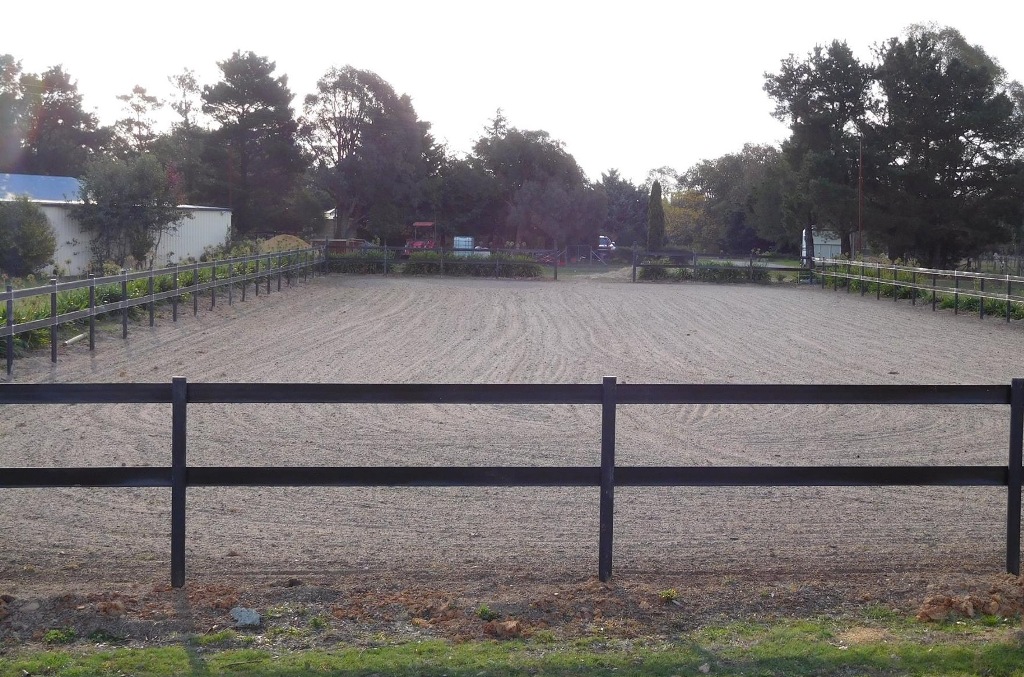
Credit: fencing4horses.com.au
Frequently Asked Questions
What Materials Are Best For Horse Arena Fencing?
Wood, vinyl, and metal are popular for durability and safety in horse arena fencing.
How High Should Horse Arena Fencing Be?
Fence height should be at least 4. 5 to 5 feet to keep horses safely contained.
How To Maintain Horse Arena Fencing Properly?
Regularly check for damage, clean surfaces, and fix loose boards or posts quickly.
What Are Common Fencing Styles For Horse Arenas?
Post and rail, pipe, and electric fences are common and effective styles for arenas.
Can Horse Arena Fencing Improve Horse Safety?
Yes, proper fencing reduces injury risks by keeping horses secure and preventing escapes.
How Much Does Horse Arena Fencing Typically Cost?
Costs vary by material and size but usually range from $10 to $30 per foot.
Conclusion
Choosing the right horse arena fencing keeps your horses safe and happy. Strong, durable fences protect animals from injury and escape. Think about materials, height, and style to fit your needs. Regular checks help spot damage early and fix it fast.
Good fencing makes training and riding easier every day. Invest time and care in your fence for lasting results. Safe horses, better riding, peace of mind—all worth it.
As an Amazon Associate, I earn from qualifying purchases.