If you care about your horse’s comfort and performance, choosing the right gear is crucial. A pulling collar for horses might be just what you need to make a big difference.
It helps your horse pull loads more easily and reduces strain on their neck and shoulders. Imagine your horse working stronger, feeling better, and staying healthier for longer. Keep reading to discover how the right pulling collar can change your horse’s daily routine—and why it’s worth your attention.
Benefits Of A Pulling Collar
A pulling collar offers many benefits for horses and their handlers. It helps horses work more comfortably and safely. Using the right collar can improve the horse’s performance and health. Understanding these benefits helps choose the best collar for your horse.
Improved Horse Comfort
A pulling collar fits around the horse’s neck and chest. It spreads the pulling force evenly over a wide area. This prevents pressure points and skin sores. Horses feel less pain or discomfort during work. Comfort leads to better focus and less stress.
Enhanced Control And Safety
A pulling collar gives the handler better control over the horse. It helps guide the horse smoothly without harsh jerks. This control keeps both the horse and handler safer. Sudden movements or slips become less likely. Safety is important for long work hours.
Reduced Strain On The Horse
The collar reduces strain on the horse’s neck and shoulders. It supports the horse’s muscles during pulling tasks. Less strain means the horse tires slower and recovers faster. This helps maintain the horse’s strength and health over time.
Types Of Pulling Collars
Pulling collars are essential for horses that pull carts or wagons. They help spread the load evenly across the horse’s shoulders and neck. Different types of pulling collars suit different needs and horse sizes. Choosing the right type ensures comfort and better performance.
Leather Collars
Leather collars are traditional and very durable. They mold to the horse’s shape over time. This makes them comfortable and effective. Leather can last for years with proper care. It also looks classic and strong. Many riders prefer leather for its natural feel and strength.
Synthetic Collars
Synthetic collars use modern materials like nylon or neoprene. They are lighter than leather and often easier to clean. These collars resist water and dirt well. Synthetic options can be softer on the horse’s skin. They are a good choice for wet or muddy conditions.
Custom-fit Options
Custom-fit collars are made to match a horse’s exact size and shape. This reduces pressure points and prevents chafing. Tailored collars improve comfort and pulling power. Many harness makers offer custom options. A perfect fit helps the horse work more efficiently and comfortably.
Choosing The Right Collar
Choosing the right pulling collar for your horse is important for comfort and safety. A well-fitted collar helps your horse pull efficiently without strain. This section guides you through key factors to consider for the best fit and material. Proper selection improves your horse’s performance and prevents injury.
Measuring Your Horse
Start by measuring your horse’s neck and shoulders. Use a soft tape measure for accuracy. Measure around the neck where the collar will sit. Also, check the width across the shoulders. These measurements help find a collar that fits snugly but not tight. A poor fit can cause chafing and discomfort.
Material Considerations
Choose materials that are strong and comfortable. Leather is durable and molds to the horse’s shape over time. Synthetic materials can be lighter and easier to clean. Look for collars with padding to reduce pressure points. Avoid rough or stiff materials that may irritate the skin.
Adjustability Features
Adjustable collars offer a better fit as your horse’s body changes. Look for collars with buckles or straps that are easy to adjust. This feature allows a custom fit for different horses or changing conditions. Proper adjustability prevents slipping and keeps the collar stable during use.

Credit: www.quarterhorsenews.com
Proper Fitting Techniques
Proper fitting techniques are essential for a pulling collar on horses. A well-fitted collar ensures comfort and efficiency during work. It protects the horse from injury and helps distribute pressure evenly. Taking time to fit the collar correctly improves the horse’s performance and safety.
Positioning The Collar
Place the collar high on the horse’s neck, near the base of the throat. It should rest comfortably without sliding. The collar must sit evenly on both sides to avoid uneven pressure. Make sure it does not press on the windpipe or shoulders.
Ensuring Even Pressure
Adjust the collar straps so pressure spreads evenly around the neck. Tighten enough to stay secure but not too tight to cause pain. Check for any gaps or tight spots that may cause rubbing. Even pressure helps the horse pull smoothly and avoids sores.
Checking For Discomfort
Observe the horse’s behavior after fitting the collar. Look for signs of irritation or resistance. Feel the collar area for heat or swelling. If the horse shows discomfort, adjust the collar immediately. Comfort is key to good performance and safety.
Maintenance And Care
Proper maintenance and care extend the life of a pulling collar for horses. Regular attention keeps the collar safe and comfortable for your horse. It also ensures the collar works well during training or pulling tasks.
Cleaning Tips
Clean the collar after every use to remove dirt and sweat. Use mild soap and warm water. Avoid harsh chemicals that can damage the material. Use a soft brush or cloth to scrub gently. Rinse well to remove all soap. Let the collar air dry away from direct sunlight.
Inspecting For Wear
Check the collar often for signs of wear or damage. Look for frayed edges, loose stitching, or cracks. Pay close attention to buckles and straps. Replace parts immediately if you see damage. A worn collar can cause discomfort or injury.
Storage Recommendations
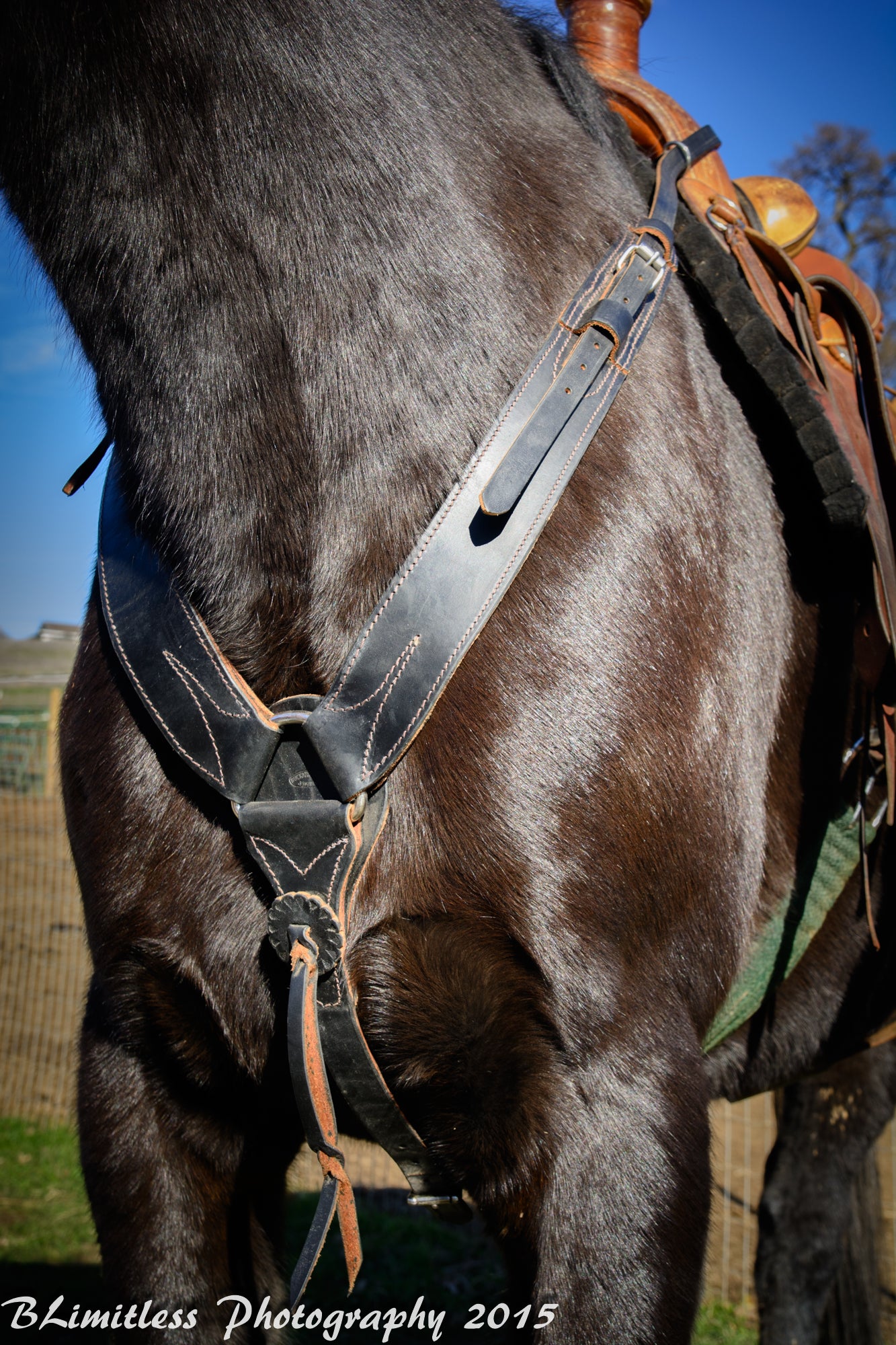
Store the pulling collar in a dry, cool place. Avoid damp or hot areas that can weaken the material. Hang the collar or lay it flat to keep its shape. Keep it away from sharp objects that could cause tears. Proper storage keeps the collar ready for use and extends its life.
Credit: buckarooleather.com
Common Mistakes To Avoid
Using a pulling collar for horses needs care and attention. Many owners make mistakes that can harm the horse or reduce the collar’s effectiveness. Avoiding these common errors keeps your horse safe and comfortable. It also helps the collar work as it should.
Using Incorrect Sizes
A collar that is too big or too small can cause problems. Too tight can pinch or hurt your horse’s neck. Too loose can slip off or not pull properly. Always measure your horse’s neck before buying. Check the size guide from the maker. Adjust the collar to fit snugly but not tight.
Ignoring Signs Of Discomfort
Horses show when they feel pain or discomfort. Watch for rubbing, swelling, or hair loss. Look for changes in behavior, like head shaking or refusing to move. Stop using the collar if your horse seems upset. Give the horse time to rest before trying again.
Neglecting Regular Checks
Pulling collars need regular checks for safety. Look for wear and tear, like cracks or frayed parts. Clean the collar to prevent dirt buildup. Tighten or replace parts as needed. Regular checks stop accidents and keep the collar working well.
Expert Tips For Comfort & Control
Using a pulling collar correctly keeps your horse safe and calm. Comfort and control go hand in hand. A well-fitted collar helps your horse work better and feel good. It also makes training easier and more effective. Here are expert tips to help you use the pulling collar with care and skill.
Training With The Collar
Start slowly when training with a pulling collar. Let your horse get used to the feel. Use short sessions to avoid stress. Reward calm behavior to build trust. Check the collar fit before each session. A loose collar can cause chafing or slipping. A tight collar may hurt your horse.
Monitoring Horse Behavior
Watch your horse closely during work. Signs of discomfort include head tossing or pulling back. Stop work if your horse shows pain. Check the collar and adjust it if needed. Notice how your horse moves. Smooth, steady movements mean the collar fits well. Sudden stops or resistance might mean a problem.
Adjusting For Different Tasks
Change the collar setup depending on the task. For light pulling, a looser fit works well. Heavy work needs a firmer fit to give control. Different horses may need different adjustments. Always check the collar after each task. Make small changes to keep your horse comfortable and safe.

Credit: newyorkpizza.ee
Frequently Asked Questions
What Is A Pulling Collar For Horses?
A pulling collar helps horses pull heavy loads by spreading pressure on their shoulders.
How Does A Pulling Collar Improve Horse Performance?
It allows horses to pull more weight comfortably and reduces strain on their necks.
When Should You Use A Pulling Collar On A Horse?
Use it during heavy pulling tasks like plowing, logging, or pulling carts.
Can All Horses Wear A Pulling Collar Safely?
Most draft and work horses can wear it, but proper fitting is essential.
How Do You Fit A Pulling Collar Correctly?
The collar must sit snugly on the shoulders without rubbing or pinching.
What Materials Are Pulling Collars Made From?
They are usually made from leather, padded with felt or foam for comfort.
Conclusion
A pulling collar helps horses pull heavy loads more comfortably. It spreads pressure evenly across the horse’s chest. This reduces strain and prevents injury. Choosing the right collar matters for your horse’s health. Make sure it fits well and suits the task.
Regular checks keep the collar working properly. Proper use supports your horse’s strength and comfort. A good pulling collar makes work easier and safer. Keep your horse happy and healthy with the right gear. Simple care goes a long way in horse pulling tasks.
As an Amazon Associate, I earn from qualifying purchases.