When you think about horse racing, your mind probably jumps to the powerful horse and the skillful jockey. But have you ever stopped to consider the saddle that connects them?
The horse racing jockey saddle is more than just a piece of equipment—it’s the key to speed, balance, and control. If you want to understand how this small but mighty saddle can change the game for you or the rider you support, keep reading.
You’ll discover what makes the perfect jockey saddle and why it matters more than you might think.
Credit: matadormeggings.com
Choosing The Right Saddle
Choosing the right saddle is key for every jockey. It affects comfort, control, and performance during races. The right saddle helps the jockey stay balanced and secure on the horse. It also supports the horse’s movement and speed. This guide covers saddle types, materials, and fitting tips for jockeys.
Saddle Types For Jockeys
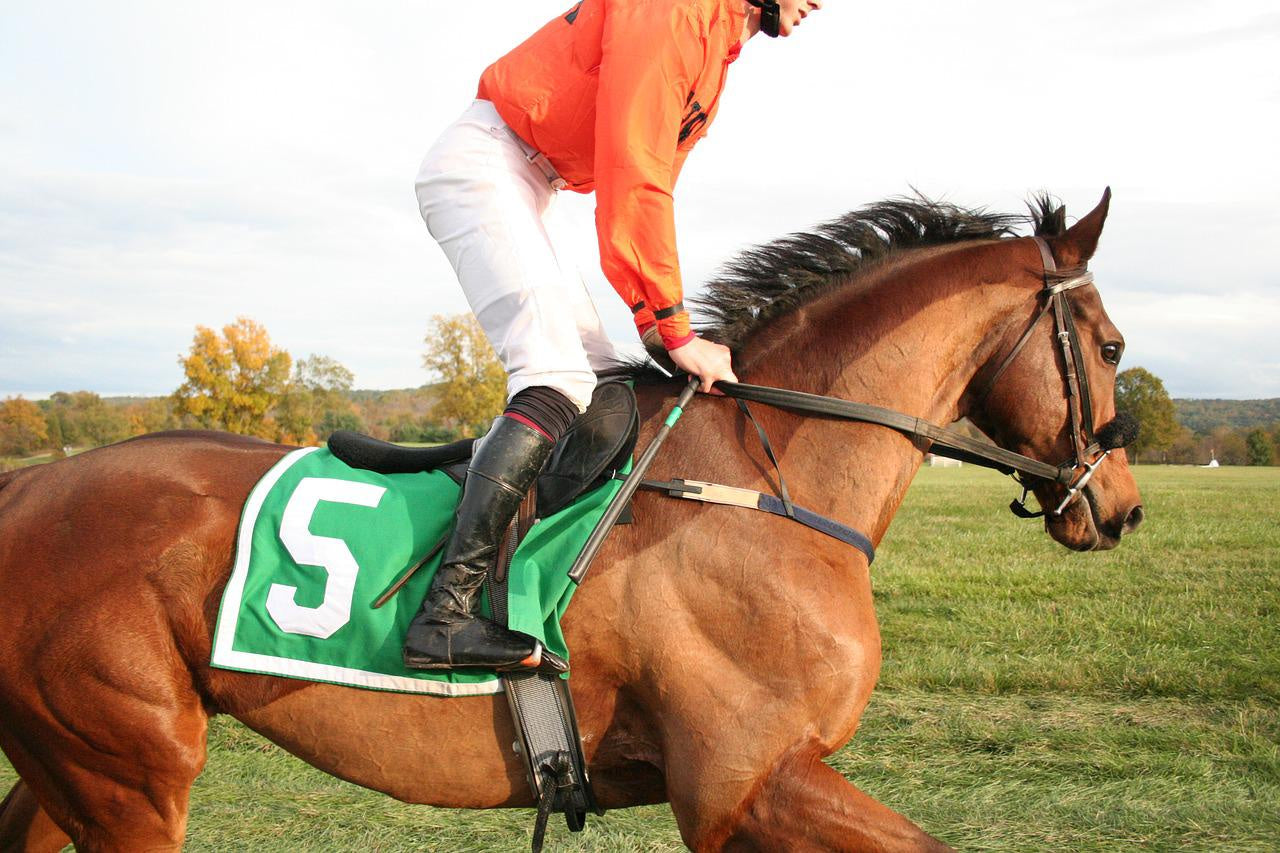
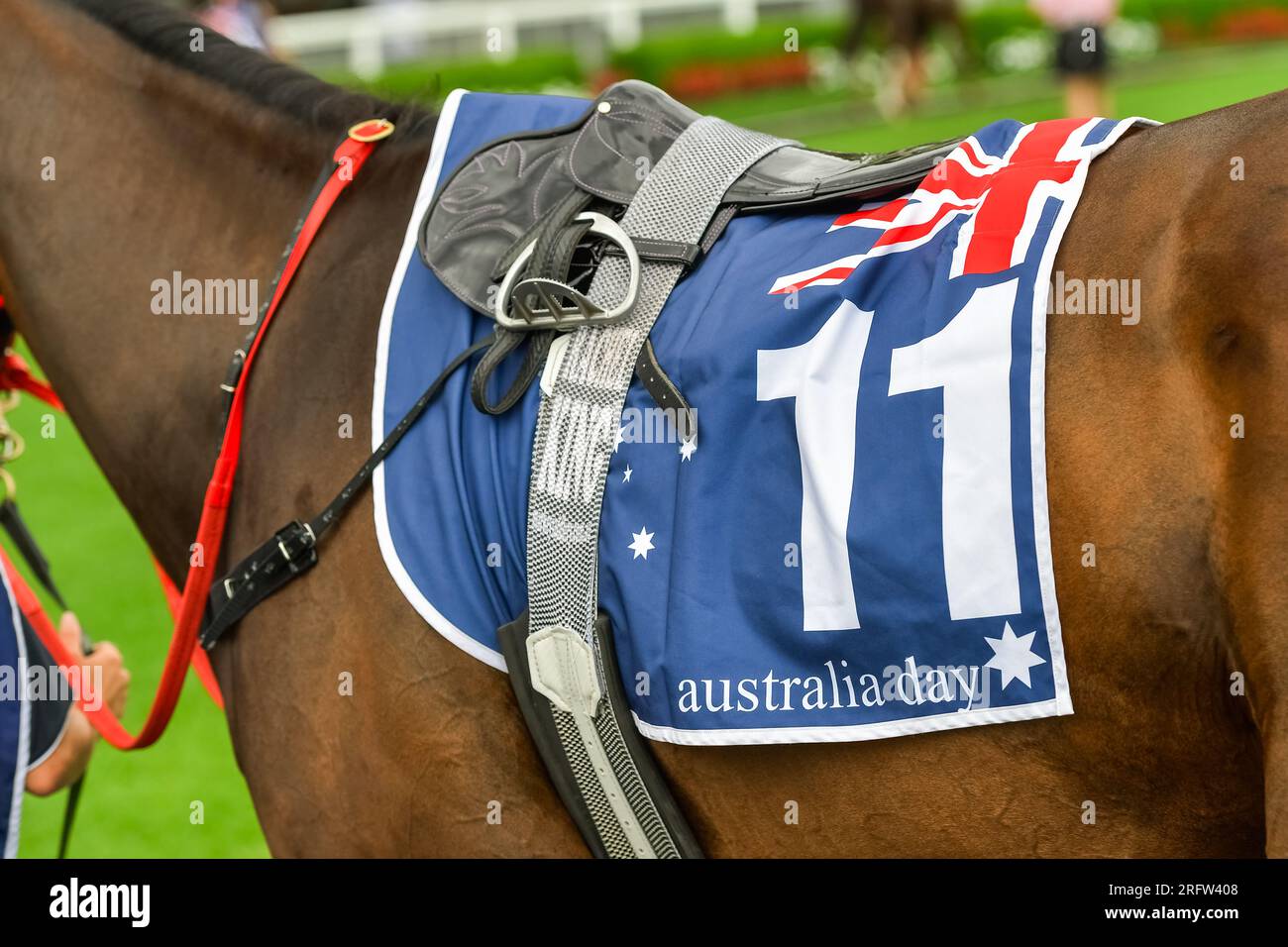
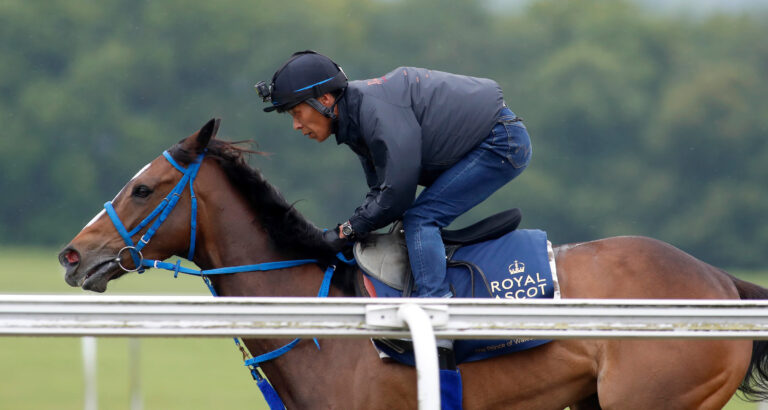
Jockey saddles are smaller and lighter than regular saddles. They come mainly in two styles: racing saddles and exercise saddles. Racing saddles are very light and streamlined. Exercise saddles are slightly bigger and more padded for training sessions. Each type suits a different purpose and rider preference.
Materials And Build Quality
Most jockey saddles use leather or synthetic materials. Leather saddles are durable and offer a traditional feel. Synthetic saddles are lighter and easier to clean. Good stitching and solid tree construction matter for safety and comfort. Quality materials help the saddle last longer and perform better.
Sizing And Fit Considerations
Proper saddle size fits both horse and jockey well. The saddle should not pinch or slip during a race. Seat size depends on the jockey’s weight and riding style. Tree width must match the horse’s back shape. Testing different sizes ensures the best fit and balance for both.
Credit: www.alamy.com
Key Features For Comfort
Comfort is crucial in a jockey saddle. It helps the rider stay steady and ride longer without pain. The right features in a saddle make a big difference during races.
These features focus on how the saddle fits the jockey and supports the horse. Comfort improves control and safety for both.
Weight And Balance
A lightweight saddle reduces fatigue for the jockey. It allows quicker movements and better control. Balanced weight helps keep the jockey stable on the horse.
The saddle must not tip forward or backward. Proper balance spreads the rider’s weight evenly. This protects the horse’s back and improves speed.
Padding And Support
Good padding cushions the jockey’s seat and legs. It prevents soreness during long rides. Support in key areas helps keep the correct posture.
Soft but firm padding absorbs shocks from running horses. It also reduces pressure points. Proper support helps avoid injuries and improves comfort.
Stirrup Placement
Correct stirrup placement helps the jockey maintain a strong grip. It allows easy movement and quick weight shifts. Poor placement causes discomfort and instability.
Stirrups should align with the jockey’s natural leg position. This supports balance and control. Adjustable stirrups help fit different riders perfectly.
Impact On Performance
The jockey saddle plays a key role in horse racing performance. Its design and fit can change how a jockey rides. A good saddle helps the jockey stay balanced and comfortable. This improves control and speed during the race.
The right saddle reduces strain on the jockey’s body. It lets the jockey focus on guiding the horse. Also, the saddle helps create a strong connection between horse and rider. This bond is important for quick reactions and smooth racing.
How Saddle Affects Riding Posture
A well-fitted saddle supports the jockey’s posture. It keeps the rider in a forward, low position. This reduces wind resistance and helps maintain speed. Good posture also prevents back pain and muscle strain. The saddle’s shape allows the jockey to stay steady on the horse.
Reducing Fatigue During Races
Saddles with proper padding absorb shocks from galloping. This lowers the impact on the jockey’s body. Less impact means less tiredness after long races. A lightweight saddle also helps the jockey move freely. Reduced fatigue keeps the jockey sharp and focused.
Enhancing Horse-jockey Connection
The saddle acts as a bridge between the jockey and horse. It allows clear signals to pass from rider to horse. A close fit lets the jockey feel the horse’s movements. This helps adjust speed and direction quickly. Strong connection improves teamwork and race results.
Maintenance And Care
Proper maintenance and care of a horse racing jockey saddle extend its life and ensure safety. Regular attention keeps the saddle comfortable for both jockey and horse. Neglect can cause damage and reduce performance. Follow simple steps to keep your saddle in top shape.
Cleaning Tips
Clean your saddle after every ride. Use a soft brush to remove dirt and dust. Wipe with a damp cloth to clean the surface. Avoid soaking the leather; water can damage it. Use saddle soap for deep cleaning. Apply the soap with a sponge and rinse lightly. Dry the saddle naturally, away from direct sunlight. Finish by applying leather conditioner to keep it soft.
Storage Best Practices
Store your saddle in a cool, dry place. Avoid damp areas that cause mold and mildew. Use a saddle cover to protect it from dust. Place the saddle on a proper rack to keep its shape. Never store the saddle on the ground. Keep it away from heat sources like radiators. Proper storage prevents cracks and warping.
When To Replace Your Saddle
Check your saddle regularly for wear and tear. Look for cracks, loose stitching, and broken tree. Notice if the leather feels too stiff or dry. Replace the saddle if it causes discomfort to you or your horse. Old saddles can affect riding balance and safety. Investing in a new saddle improves performance and comfort.
Top Brands And Models
Choosing the right jockey saddle plays a key role in horse racing. Top brands offer quality, comfort, and durability. Each model suits different rider needs. Understanding popular brands and models helps you pick the best saddle for your race.
Popular Saddles Among Professionals
Professional jockeys often use saddles from brands like Stubben, Wintec, and Albion. These saddles provide excellent balance and support. They are lightweight and built to last. Many riders prefer models with adjustable features for better fit. Trusted brands focus on rider comfort and horse safety.
Budget-friendly Options
Affordable saddles exist for beginners and hobby riders. Brands like Wintec and Bates offer good value. These saddles use synthetic materials for easy care. Budget saddles may not have all advanced features. Still, they provide comfort and stability for casual racing.
Custom Vs. Off-the-shelf Saddles
Custom saddles are made to fit the rider and horse exactly. They offer the best comfort but cost more. Off-the-shelf saddles come in standard sizes and shapes. They are quicker to buy and less expensive. Choosing depends on your budget and specific needs.
Credit: www.greatbritishracing.com
Tips For First-time Buyers
Buying a jockey saddle for the first time can be confusing. The right saddle makes riding safer and more comfortable. It also helps you perform better during races. Taking time to choose the best saddle pays off in the long run. Here are some useful tips for first-time buyers.
Testing Saddles Before Purchase
Always test saddles before buying. Sit on different models to feel the fit. Check how the saddle balances on your horse’s back. Notice if it feels stable and secure. Try to find a saddle that fits both you and your horse well. This prevents discomfort and injury.
Consulting Experienced Jockeys
Talk to experienced jockeys for advice. They know what works best in races. Ask about brands and styles that suit your riding style. Experienced riders can share tips on saddle care too. Learning from them saves time and helps you avoid mistakes.
Trial Rides And Adjustments
Take trial rides with the saddle before finalizing your choice. This helps you understand how it performs during real rides. Make small adjustments to straps and stirrups for comfort. A good saddle should feel natural after adjustments. Don’t rush this process; comfort is key.
Frequently Asked Questions
What Is A Horse Racing Jockey Saddle?
A jockey saddle is a small, lightweight saddle designed for horse racing. It helps the jockey stay balanced and secure.
Why Is A Lightweight Saddle Important In Horse Racing?
Lightweight saddles reduce the horse’s burden, allowing faster speeds and better performance during races.
How Does A Jockey Saddle Differ From Regular Saddles?
Jockey saddles are smaller, lighter, and have less padding than regular saddles to increase speed and agility.
What Materials Are Used To Make Jockey Saddles?
Jockey saddles are usually made from leather and synthetic materials to ensure durability and lightness.
How Is The Jockey Saddle Fitted To The Horse?
The saddle is carefully placed and adjusted to fit the horse’s back comfortably without causing pain.
Can Jockey Saddles Improve A Horse’s Racing Performance?
Yes, a well-fitted, lightweight saddle helps the horse run faster by reducing weight and improving balance.
Conclusion
Choosing the right jockey saddle affects both horse and rider comfort. A good saddle helps the jockey stay balanced and secure. It also allows the horse to move freely without pain. Understanding saddle types and materials makes a big difference.
Quality saddles last longer and perform better during races. Every detail counts in horse racing, including the saddle. Riders and trainers should pay attention to this important gear. A well-fitted saddle supports speed, safety, and success on the track.
As an Amazon Associate, I earn from qualifying purchases.