Have you ever stopped to admire a cowboy on horse statue and felt a spark of adventure? These statues capture more than just a figure; they tell stories of bravery, freedom, and the wild spirit of the West.
If you want to discover why these sculptures hold such power and how they connect with your sense of courage and independence, keep reading. You’re about to uncover the hidden meanings and fascinating details behind the cowboy on horse statue that might just inspire your own journey.
Credit: caswellsculpture.com
Origins Of Cowboy Statues
Cowboy on horse statues are seen across many parts of the United States. These statues capture a unique part of American history. They honor the cowboy, a symbol of freedom and adventure. Understanding the origins of these statues helps us appreciate their meaning. Their roots go deep into history and culture.
Historical Roots
Cowboy statues trace back to the late 19th century. This period marked the rise of the American West. Cowboys were key figures in cattle ranching and frontier life. Artists and sculptors began to celebrate their role. The statues often show cowboys in action, riding horses or roping cattle. They remind us of the tough, hardworking people who shaped the West.
The first cowboy statues were made to honor real individuals. Some depicted famous figures like Buffalo Bill or Wild Bill Hickok. These statues helped keep the stories of the Old West alive. They also showed the cowboy as a heroic figure in American culture.
Cultural Significance
Cowboy statues have deep cultural meaning in the U.S. They represent values like courage, independence, and strength. For many, the cowboy is a symbol of the American spirit. The statues serve as a tribute to these ideals.
These statues also connect people to their regional heritage. States with a strong cowboy history use these monuments to celebrate their past. They attract tourists and educate locals about their roots. The cowboy statue has become an icon, symbolizing more than just a person. It stands for a way of life and the dreams of many Americans.
Famous Cowboy On Horse Statues
Cowboy on horse statues capture the spirit of the American West. These sculptures honor the cowboy’s role in history and culture. They show strength, freedom, and adventure. Many are found across the United States. Each statue tells a unique story.
These statues attract tourists and locals alike. They remind us of the cowboy’s hard work and life on the range. The art of cowboy statues combines history with creativity. The cowboy on horse theme remains popular today.
Notable Sculptures Across The Us
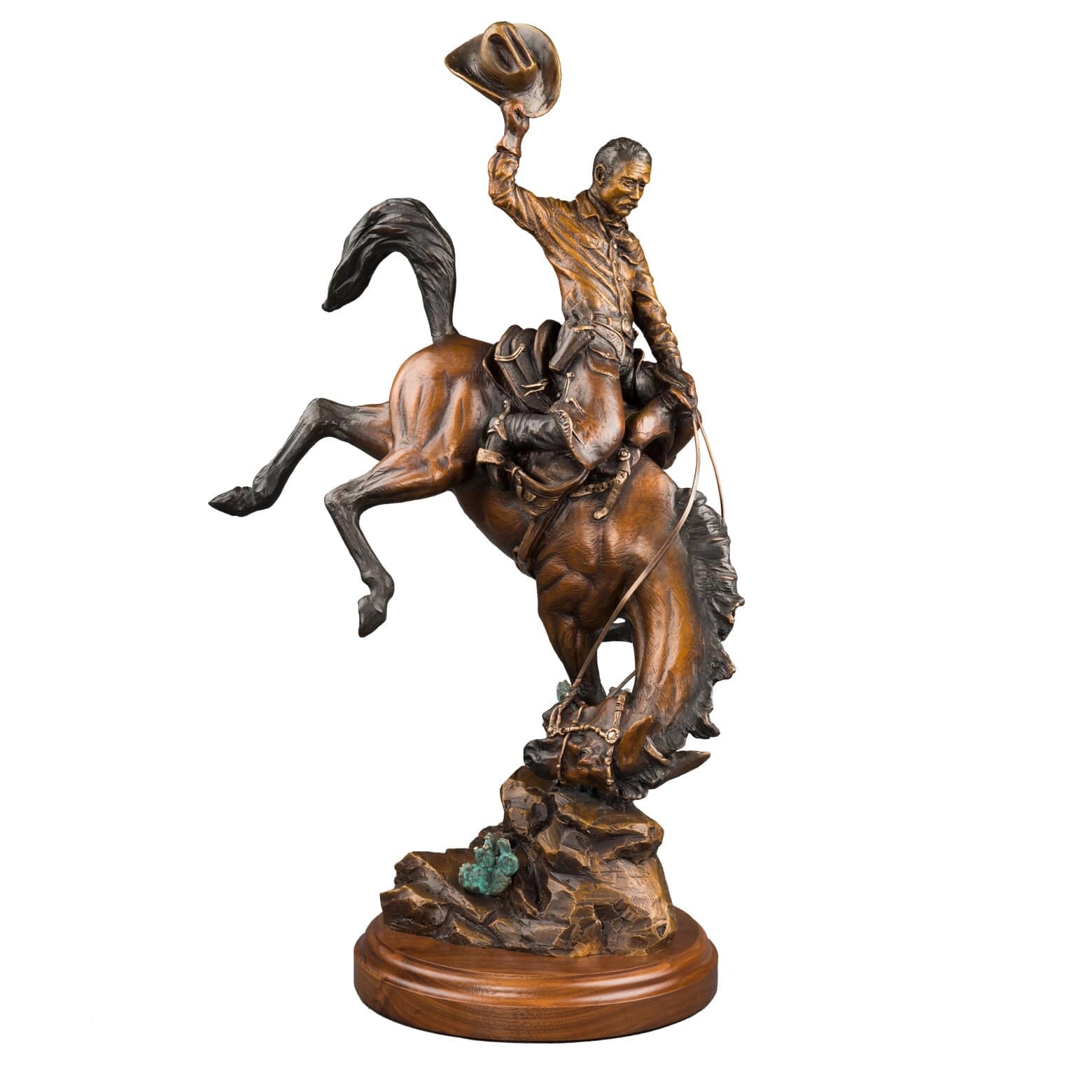
The “Bronco Buster” in Oklahoma City is a famous cowboy statue. It shows a cowboy riding a wild horse with skill and courage. Another well-known sculpture is the “End of the Trail” in California. It reflects the tough life and challenges cowboys faced.
In Texas, the “Pioneer Plaza” features large bronze cowboys herding cattle. This statue celebrates the cattle drives of the 1800s. Wyoming’s “The Cowboy” statue stands tall in Cheyenne. It honors the state’s cowboy heritage and rodeo culture.
Artists Behind The Icons
Frederic Remington created many iconic cowboy statues. His work captures motion and emotion in the cowboy’s life. Charles M. Russell is another famous artist. He painted and sculpted scenes from the Old West with great detail.
These artists used bronze and other materials to bring cowboys to life. Their sculptures blend realism with artistic expression. Their work continues to inspire new artists and fans of cowboy culture.
Symbolism In Western Heritage
The Cowboy on Horse statue holds deep meaning in Western heritage. It shows the spirit of the Old West and the lives of the people who lived there. This statue is more than art; it tells stories of courage and freedom. It reminds us of a time when the frontier was wild and full of challenges. The cowboy figure stands as a symbol of strength and adventure.
Each detail in the statue reflects values that shaped the West. The cowboy represents a unique way of life and the dreams of many people. This statue helps keep the history alive and honors those who worked hard on the land. It connects us to a past filled with hope and bravery.
Representing Freedom And Adventure
The cowboy is a symbol of freedom. Riding a horse across open lands shows life without limits. The statue captures this feeling of endless space and choice. Cowboys faced tough conditions but stayed strong and free. Their journeys were full of adventure and new experiences. This statue celebrates that wild spirit and love for exploration.
Connection To Frontier Life
The statue links us to frontier life. Cowboys worked with animals and nature every day. Their life was tough but full of purpose. The statue shows their hard work and simple lifestyle. It reminds us of the challenges they faced on the frontier. This connection helps us understand the history and culture of the West.
Credit: www.ebay.com
Materials And Craftsmanship
The materials and craftsmanship behind a cowboy on horse statue shape its beauty and strength. Each statue tells a story through the choice of materials and the skill of the artist. These factors create a lasting impression on viewers and honor cowboy heritage.
Crafting these statues takes patience and skill. Artists must balance detail with durability. The materials used affect the final look and how well the statue weathers time and weather. Understanding these elements helps us appreciate the art more deeply.
Common Materials Used
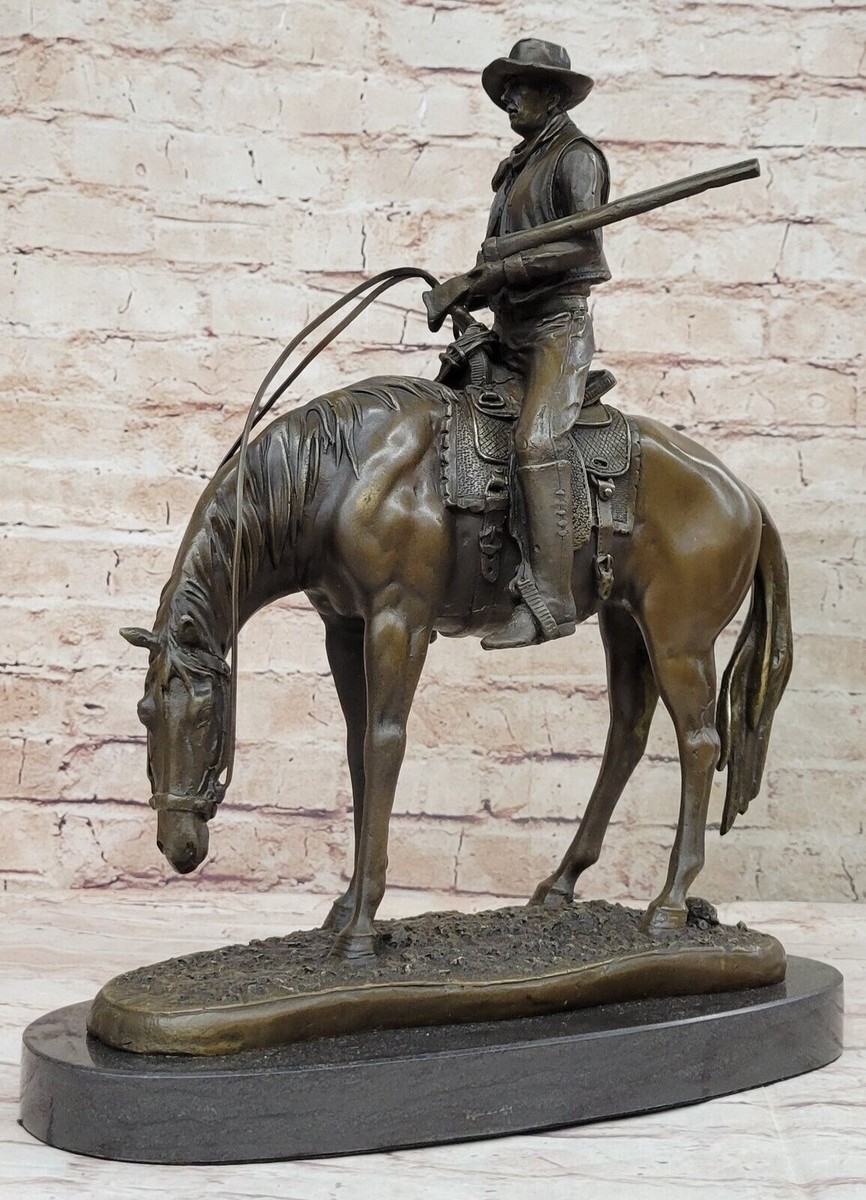
Bronze is a popular choice for cowboy on horse statues. It offers strength and a classic look. Bronze statues often have a rich, warm color that changes with age.
Stone is another material used. Marble and granite give a solid, timeless feel. Stone statues can stand outdoors for many years.
Some statues use metal alloys. These are lighter than bronze but still strong. Metal alloys allow for more affordable options without losing quality.
Wood is less common but can create a rustic style. It requires good treatment to last outside.
Techniques In Sculpture
Lost-wax casting is a traditional method for bronze statues. It captures fine details well. The artist first makes a wax model, then replaces it with bronze.
Carving is the main method for stone statues. Sculptors chip away at the block to reveal the form inside. This takes great precision and patience.
Welding is used for metal alloy sculptures. Pieces are joined together and shaped. This method allows for creative and dynamic poses.
Wood carving requires sharp tools and careful handwork. Artists shape the statue slowly to avoid cracks and breaks.
Impact On Modern Culture
The Cowboy on Horse statue holds a strong place in modern culture. It symbolizes freedom, courage, and the spirit of the American West. This statue goes beyond just art. It connects deeply with communities and influences many aspects of life today.
Its impact spreads through art, media, tourism, and local pride. People see the cowboy as a timeless figure. This statue keeps that image alive and relevant for new generations.
Influence In Art And Media
The Cowboy on Horse statue inspires artists worldwide. Painters, sculptors, and photographers often use it as a subject. It represents strength and adventure in their work.
Movies and TV shows also borrow from this iconic image. Western films highlight cowboy life and values. This statue helps keep those stories alive in popular culture.
It also appears in advertisements and music videos. The statue’s shape and meaning add a rugged, authentic feel. It connects viewers to ideas of bravery and independence.
Tourism And Community Identity
The statue attracts many tourists each year. People travel to see this symbol of the Old West. It becomes a key landmark in towns and cities.
Communities use the statue to build identity. It shows pride in local history and traditions. Festivals and events often feature the statue as a focal point.
Local businesses benefit from visitors drawn by the statue. Souvenirs, tours, and photo spots create jobs and income. The statue helps keep small towns vibrant and alive.
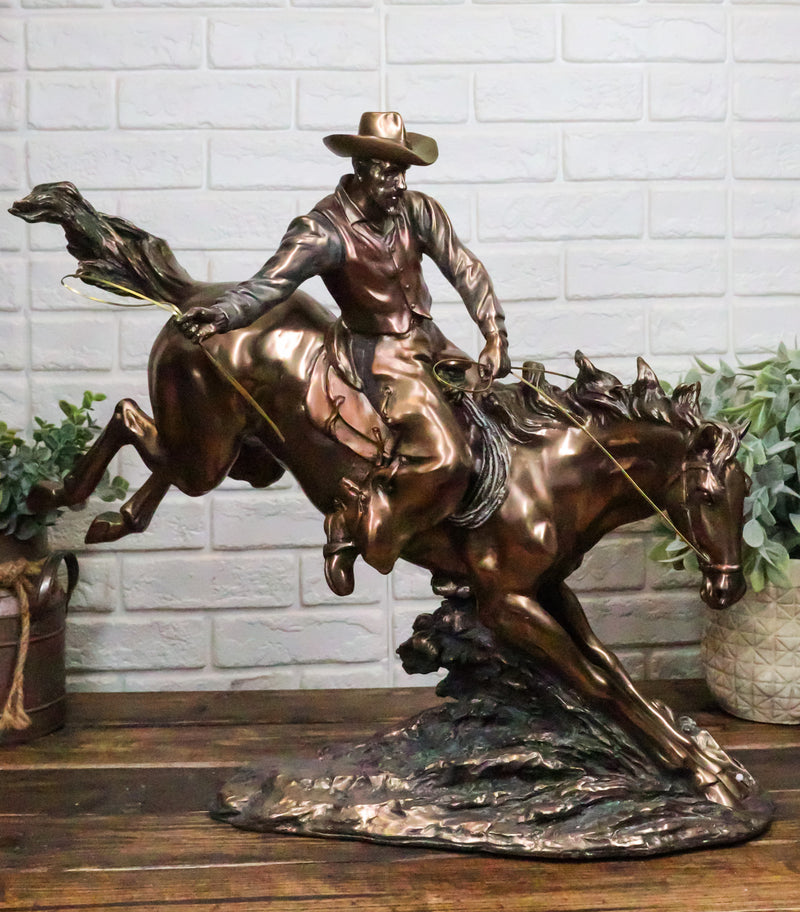
Credit: www.ebrosgift.com
Preserving Cowboy Statues
Cowboy on horse statues tell stories of the Old West. They honor history and culture. Preserving these statues keeps those stories alive for future generations.
Many statues face wear from weather and time. Careful preservation helps protect their beauty and meaning. It takes skill and dedication to maintain these artworks.
Restoration Efforts
Restoration brings old statues back to life. Experts clean surfaces and fix cracks carefully. They use materials that match the original statue. This work keeps the statue strong and true to its history.
Sometimes, paint or metal needs replacing. Restorers choose safe methods to avoid damage. They study old photos and documents for accuracy. The goal is to respect the artist’s original vision.
Challenges In Conservation
Weather is a big threat. Sun, rain, and wind can cause rust and fading. Pollution also harms the materials over time. These effects make conservation tough and ongoing.
Funding can be limited for statue care. Not all communities have enough money for repairs. Finding skilled restorers is another challenge. Each statue needs special attention and knowledge.
Frequently Asked Questions
What Is The Cowboy On Horse Statue?
The Cowboy on Horse statue shows a cowboy riding a horse, symbolizing the Old West spirit.
Where Can I Find Famous Cowboy On Horse Statues?
Many are in western U. S. states like Texas, Wyoming, and Montana.
Who Designed The Cowboy On Horse Statue?
Several artists created versions, but Frederic Remington is a famous sculptor of cowboy statues.
What Materials Are Used For Cowboy On Horse Statues?
Common materials include bronze, metal, and stone for durability and detail.
Why Are Cowboy On Horse Statues Popular?
They honor cowboy culture and represent freedom, adventure, and the American West.
How Tall Are Typical Cowboy On Horse Statues?
Most range from 6 to 20 feet tall, depending on location and artist.
Conclusion
The Cowboy on Horse statue tells a story of the Old West. It shows strength, courage, and freedom. Many people enjoy seeing this art in parks and towns. The statue keeps history alive for everyone to see. It reminds us of a time long ago.
This piece of art stands tall and proud. It connects us to cowboy traditions and values. Visiting the statue offers a chance to learn and reflect. The cowboy’s spirit still rides strong today.
As an Amazon Associate, I earn from qualifying purchases.