If you care about your horse’s health, knowing the right dosage of Bute is crucial. Giving too little might not relieve your horse’s pain, while too much can cause serious side effects.
You want to make sure you’re doing what’s best for your horse, without any guesswork. You’ll discover clear, easy-to-follow guidelines to help you use Bute safely and effectively. Keep reading to protect your horse and ensure they get the relief they need.
What Is Bute?
Bute is a common name for phenylbutazone, a medicine used for horses. It helps reduce pain and swelling. Many horse owners and vets use it to treat injuries and arthritis.
This medicine works by blocking chemicals in the horse’s body that cause pain and inflammation. It is often given when a horse has soreness or stiffness.
What Is Phenylbutazone?
Phenylbutazone is a type of non-steroidal anti-inflammatory drug (NSAID). It is made to ease pain and lower inflammation in horses. It helps horses feel better and move more easily.
How Does Bute Work In Horses?
Bute stops the production of prostaglandins. These chemicals cause pain and swelling. By blocking them, bute helps reduce discomfort and improves mobility.
Forms Of Bute Available For Horses
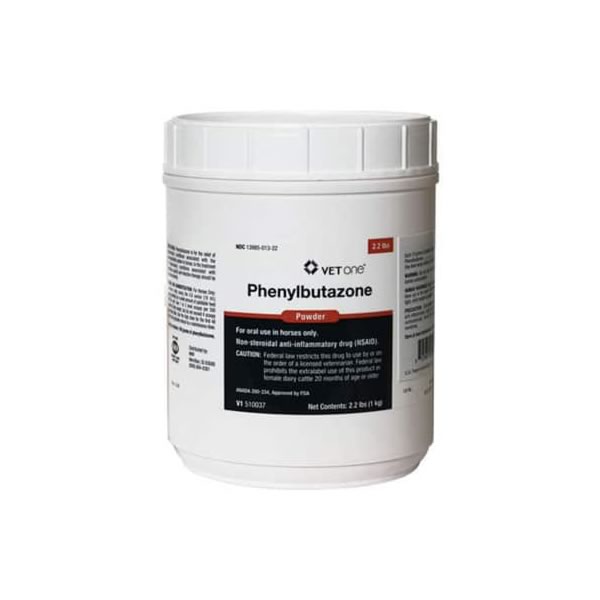
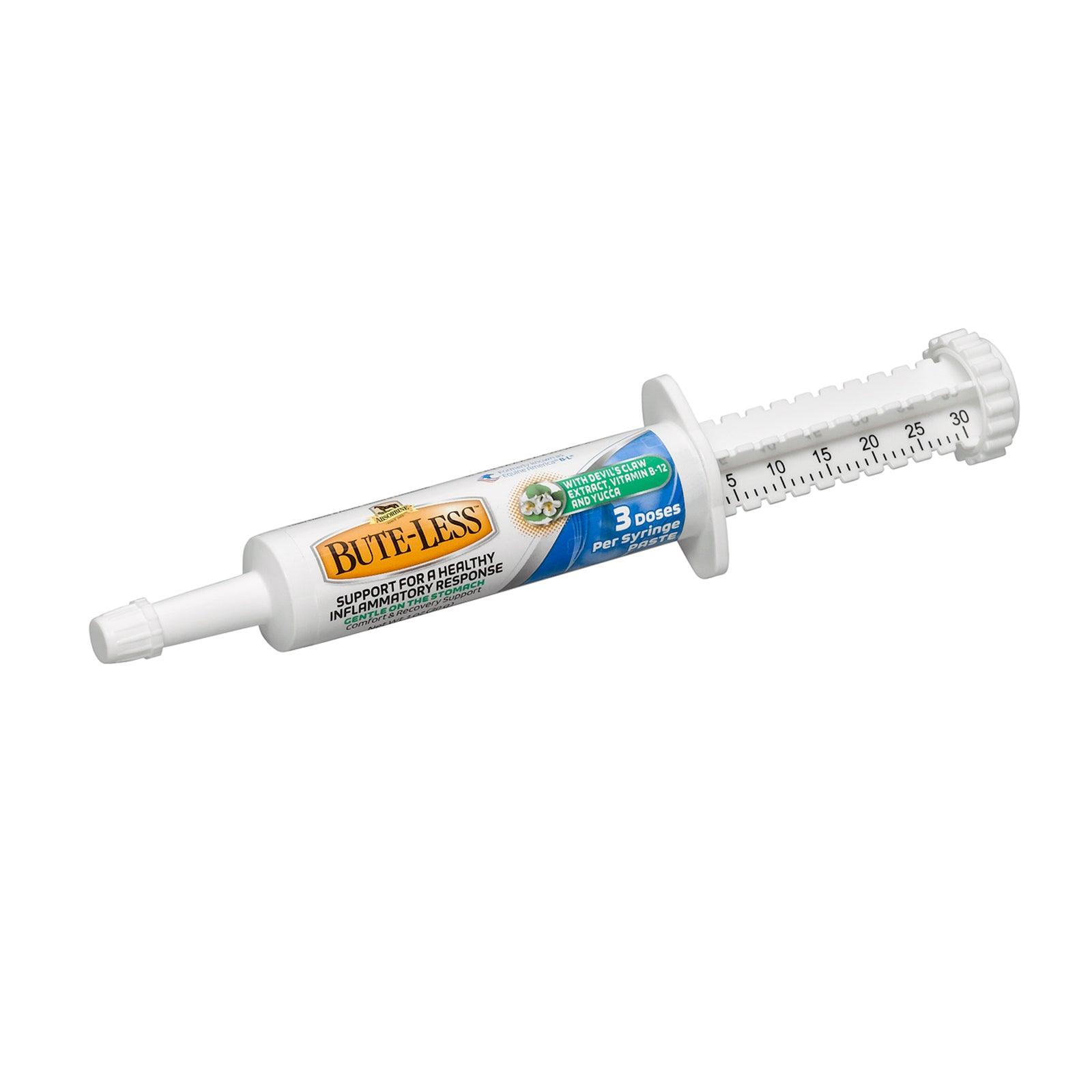
Bute comes in different forms. It can be given as a paste, powder, or tablet. This makes it easier to give the right dose to each horse.
Common Uses In Horses
Phenylbutazone, often called Bute, is a common medicine for horses. It helps reduce pain and swelling. Many horse owners and vets use Bute for different health problems. Knowing how and why it is used helps keep horses safe and comfortable.
Relieving Joint Pain And Arthritis
Bute is often given to horses with joint pain or arthritis. It lowers inflammation in joints. This helps horses move better and feel less pain. Many older horses benefit from this use.
Reducing Muscle Soreness
After hard work or training, horses can have sore muscles. Bute helps ease this soreness. It reduces swelling and helps horses recover faster. This use helps horses stay active and healthy.
Managing Lameness
Lameness is a common problem in horses. Bute can reduce pain and swelling that cause lameness. It allows horses to move more comfortably during healing. Vets often recommend it for mild to moderate cases.
Treating Injuries And Inflammation
Bute helps with injuries like sprains or strains. It reduces inflammation in damaged tissues. This makes horses feel better and heals faster. It is a trusted choice for injury care.
Recommended Dosage Levels
Understanding the right dosage of Bute for horses is very important. Too much can cause health problems. Too little might not help with pain or inflammation. Careful dosing keeps horses safe and comfortable. Below are the recommended dosage levels to guide you.
Standard Dosage For Adults
The usual dose of Bute for adult horses is 2 grams per 100 kilograms of body weight. This dose is given once a day. It can be split into two doses of 1 gram each, given 12 hours apart. Do not exceed 4 grams per day. Use this dose for up to five days unless a vet advises otherwise.
Adjustments For Age And Weight
Young horses and smaller breeds need lower doses. Reduce the dose by half for horses under six months old. Older horses might also need less because their bodies process drugs slower. Always weigh your horse to get the correct dose. Consult a vet before changing doses for special cases.
Credit: www.lodivet.com
Administration Methods
Administering Bute to horses requires careful attention to the method used. Different forms suit different situations and horse needs. The right method ensures the medication works well and is safe.
Oral Paste
Oral paste is a common way to give Bute. It comes in a syringe with a soft tip. You place it inside the horse’s mouth, usually on the tongue. The paste is easy to swallow and absorbs quickly. This method is fast and works well for quick dosing.
Tablets And Powder
Tablets and powder forms offer flexible dosing options. Tablets can be given directly or crushed and mixed with feed. Powder is usually mixed into the horse’s food or water. Both forms take longer to absorb than paste. They are good for regular treatment and easy to measure.
Injectable Forms
Injectable Bute provides fast relief and high absorption. A vet typically gives the injection. It is useful for horses that refuse oral medication. This form delivers the drug directly into the bloodstream. It must be handled carefully to avoid side effects.
Signs Of Overdose
Bute, or phenylbutazone, helps reduce pain and inflammation in horses. Giving the right dose is important. Too much can cause serious problems. Knowing the signs of overdose can save your horse from harm.
Watch your horse closely after giving bute. Early signs may seem mild but need quick attention. Recognizing these signs helps prevent serious health issues.
Gastrointestinal Distress
One common sign is stomach pain. Your horse may show colic symptoms. Look for restlessness, pawing, or rolling. Diarrhea or loss of appetite can also occur. These signs mean the digestive system is upset.
Ulcer Formation
Too much bute can cause ulcers in the stomach or intestines. Your horse may become dull or lose weight. Notice any teeth grinding or poor coat condition. These signs suggest painful ulcers may be forming.
Kidney Problems
Overdose can harm the kidneys. Watch for reduced water intake and less urination. Swelling in legs or belly may appear. These signs mean the kidneys might not work well.
Neurological Symptoms
In rare cases, overdose affects the brain. Your horse may act confused or weak. Tremors and unsteady movements can happen. These signs need immediate veterinary care.
Respiratory Issues
Breathing may become difficult with too much bute. Coughing or nasal discharge can show lung irritation. These symptoms need quick attention to avoid damage.
Credit: absorbine.com
Potential Side Effects
Bute is a common pain reliever for horses. It helps reduce pain and inflammation. However, it can cause side effects if not used carefully. Knowing these effects helps keep horses safe and healthy.
Gastrointestinal Issues
Bute can irritate the stomach lining. This may cause ulcers or colic in horses. Signs include loss of appetite and discomfort. Watch for changes in stool or behavior. Giving the correct dosage reduces these risks.
Kidney And Liver Concerns
Long-term use of Bute may harm the kidneys and liver. These organs help process the drug. Damage can lead to serious health problems. Regular check-ups are important during treatment. Follow dosage instructions closely to avoid harm.
Safe Usage Tips
Using Bute safely is very important for your horse’s health. This medicine helps with pain and inflammation but must be given carefully. Overuse or wrong dosage can cause serious problems. Follow these tips to keep your horse safe while using Bute.
Consulting A Veterinarian
Always ask a vet before giving Bute to your horse. Vets know the right dose based on your horse’s size and condition. They check for other health issues that might cause risks. Never give Bute without professional advice. This helps avoid side effects and ensures proper care.
Monitoring Treatment Duration
Use Bute only for the time your vet recommends. Long use can harm your horse’s stomach, kidneys, and liver. Watch your horse closely during treatment. Stop giving Bute if you see signs of discomfort or illness. Short and controlled use reduces health risks and improves recovery.
Alternatives To Bute
Alternatives to Bute offer other ways to ease horse pain and inflammation. These options can help when Bute is not suitable or for long-term care.
Choosing the right alternative depends on the horse’s health and the type of pain. Always consult a vet before changing medications.
Natural Supplements For Pain Relief
Natural supplements like turmeric and omega-3 fatty acids can reduce inflammation. These supplements support joint health gently.
They may take longer to work than Bute but often have fewer side effects. Many horse owners prefer natural options for ongoing care.
Other Non-steroidal Anti-inflammatory Drugs (nsaids)
Drugs like phenylbutazone and flunixin meglumine also treat pain and inflammation. Each has a specific use and dosage.
These NSAIDs require veterinary guidance to avoid risks. Proper use ensures safety and effectiveness for horses.
Physical Therapies And Rest
Physical therapies such as massage and cold therapy help reduce swelling. Rest is crucial for healing injured tissues.
These methods support medication and can speed up recovery. Combining therapies often improves the horse’s comfort.
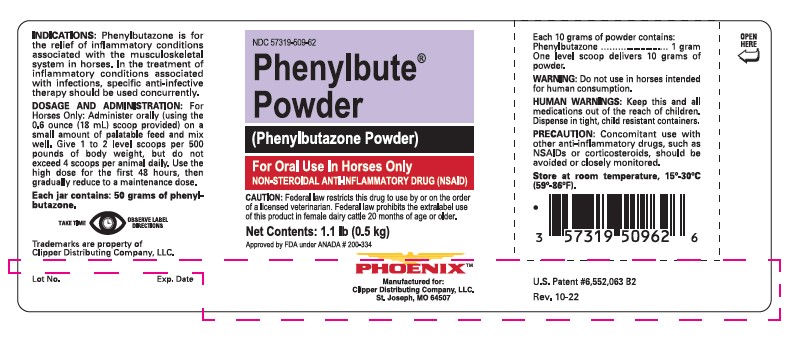
Credit: dailymed.nlm.nih.gov
Frequently Asked Questions
What Is The Recommended Dosage Of Bute For Horses?
The usual dose is 1 gram of Bute per 100 pounds of horse weight daily.
How Often Should Bute Be Given To Horses?
Bute is commonly given once or twice a day depending on the vet’s advice.
Can Overdosing Bute Harm My Horse?
Yes, too much Bute can cause stomach problems and kidney damage in horses.
How Long Can Bute Be Safely Used In Horses?
Bute is typically used for a few days to a week under vet supervision.
Should Bute Be Given With Food To Horses?
Giving Bute with food helps protect a horse’s stomach from irritation.
Can I Mix Bute With Other Horse Medications?
Always check with a vet before mixing Bute with other drugs to avoid risks.
Conclusion
Proper dosage of Bute keeps horses safe and healthy. Always follow your vet’s advice before giving Bute. Never guess the amount or frequency on your own. Watch your horse for side effects or changes in behavior. Correct use helps reduce pain and inflammation effectively.
Keep the medication out of reach from children and other animals. Safe handling and dosage protect your horse’s well-being. Remember, careful dosing leads to better recovery and comfort. Trust professional guidance to avoid risks and ensure best results.
As an Amazon Associate, I earn from qualifying purchases.