Are you looking for the perfect way to transport your horses safely and comfortably? A 2 horse trailer might be exactly what you need.
Whether you’re heading to a competition, moving to a new stable, or just taking a weekend trip, having the right trailer makes all the difference. You’ll discover key features, benefits, and tips to choose the best 2 horse trailer for your needs.
Keep reading to find out how to make your horse’s travel smoother and stress-free.

Credit: www.dhmco.com
Choosing The Right 2 Horse Trailer
Choosing the right 2 horse trailer is key for safe and comfortable travel. It protects your horses and makes transport easier. Many options exist, so knowing what to consider helps pick the best trailer. Focus on size, type, and build to find a good fit for your needs.
Types Of Trailers
Two main types of 2 horse trailers are bumper pull and gooseneck. Bumper pull trailers attach to the car’s rear. Gooseneck trailers connect inside the truck bed. Each type offers different stability and ease of towing. Some trailers have living quarters for longer trips. Choose based on your towing vehicle and travel plans.
Size And Dimensions
Size matters for horse comfort and safety. Ensure the trailer has enough space for both horses. Standard width is about 6 to 7 feet. Height should allow horses to stand naturally. Length varies but should fit your horses plus equipment. Measure your horses before buying a trailer.
Material And Build Quality
Trailers come in steel or aluminum. Steel is strong and durable but heavier. Aluminum is lighter and resists rust. Check welds and joints for solid construction. Good flooring prevents slipping and absorbs shock. Well-built trailers last longer and keep horses safe on the road.
Essential Safety Features
Safety is the top priority when transporting horses. A 2 horse trailer must have key safety features. These features protect both the animals and the driver. Proper safety tools make travel smoother and less stressful for horses. They also reduce risks on the road.
Braking Systems
Strong brakes are vital for a 2 horse trailer. They help stop the trailer quickly and safely. Electric brakes are common and offer good control. Some trailers have surge brakes that activate automatically. Check brakes often to keep them working well. Proper brakes prevent accidents and keep horses calm during stops.
Lighting And Reflectors
Good lighting makes the trailer visible at night and in bad weather. Brake lights, turn signals, and tail lights are essential. Reflectors on the sides and back improve visibility. Bright lights and reflectors help other drivers see the trailer. This reduces the chance of collisions and keeps the road safe.
Ventilation And Airflow
Proper airflow is important inside the trailer. Horses need fresh air to stay cool and comfortable. Vents and windows help air move through the trailer. Good ventilation prevents heat buildup and bad smells. It also lowers stress for horses during travel. Always check vents before a trip to ensure they open easily.
Comfort Considerations For Horses
Ensuring horses travel in comfort is vital when using a 2 horse trailer. Proper comfort helps reduce stress and prevents injuries. Horses feel safer and calmer with good trailer conditions. This section covers key comfort features to consider for your horses.
Flooring And Padding
Strong flooring supports the horse’s weight well. Non-slip surfaces prevent horses from slipping during travel. Soft padding cushions their hooves and joints. Use rubber mats or thick bedding for extra comfort. Clean, dry floors avoid infections and hoof problems.
Temperature Control
Proper airflow keeps the trailer cool in summer. Ventilation prevents heat buildup and stale air. In colder months, insulation helps maintain warmth. Adjustable windows allow fresh air without drafts. Keep your horses comfortable in all weather conditions.
Noise Reduction
Noise can scare horses and make them nervous. Use sound-absorbing materials inside the trailer walls. Rubber or foam padding lowers road noise levels. A quiet ride keeps horses calm and relaxed. Avoid sudden loud sounds during loading and travel.
Loading And Unloading Techniques
Loading and unloading horses can be stressful for both animals and owners. Proper techniques help keep horses calm and safe. Knowing how to use your 2 horse trailer effectively makes the process smoother. This section covers key tips for handling horses during loading and unloading.
Proper Ramp Use
Check the ramp for any damage before use. A clean, non-slip surface prevents slipping. Lower the ramp fully and secure it firmly. Walk your horse up the ramp slowly. Avoid sudden movements that might startle your horse. Keep your body close to the horse’s side for guidance. Use gentle pressure and patience to encourage forward movement.
Handling Nervous Horses
Stay calm and speak softly to your horse. Nervous horses need extra time to adjust. Use a lead rope to maintain control but avoid pulling hard. Offer treats or soft pats as reassurance. Move slowly and allow breaks if needed. Avoid loud noises or sudden actions near the trailer. A calm handler helps create a calm horse.
Securing Horses Inside
Make sure the trailer is well-ventilated before loading. Use appropriate tie rings and secure the horse’s halter. Do not tie too tightly; allow some movement. Check that divider panels are in place and locked. Place padding on sharp edges to prevent injury. Double-check all latches and doors before driving. Secure horses reduce the risk of injury during travel.
Maintenance Tips For Longevity
Proper maintenance is essential to keep your 2 horse trailer in good shape. It helps avoid costly repairs and ensures safety during transport. Regular care extends the trailer’s life and protects your horses.
Simple tasks done often prevent big problems later. Focus on key areas like inspections, cleaning, and tire care. These steps keep your trailer reliable and ready for every trip.
Regular Inspections
Check your trailer before every trip. Look for cracks, rust, or loose parts. Inspect the lights and brakes to make sure they work well. Tighten bolts and fasteners to avoid parts falling off. Early detection saves money and keeps your horses safe.
Cleaning And Sanitizing
Clean the trailer after each use. Remove dirt, manure, and hay to prevent damage. Use mild soap and water to wash surfaces. Sanitize the interior to stop bacteria and mold growth. A clean trailer protects your horses’ health.
Tire And Suspension Care
Check tire pressure regularly. Proper air pressure prevents blowouts and uneven wear. Look for cracks or worn tread on tires. Inspect suspension components like springs and shocks for damage. Good tires and suspension ensure a smooth ride for your horses.
Legal Requirements And Documentation
Owning a 2 horse trailer requires following legal rules. These rules protect you, your horses, and others on the road. Knowing what papers and approvals you need keeps your trips safe and smooth.
Each state or country may have different laws. Still, some key documents and rules apply almost everywhere. Missing these can cause fines or trouble during travel.
Trailer Registration
Register your 2 horse trailer with local authorities. This process gives your trailer a unique ID number. Registration proves you own the trailer legally.
You must display a license plate on the trailer. Keep registration papers in the vehicle for checks. Renew registration before it expires to avoid fines.
Weight And Size Regulations
Check weight limits for your trailer and towing vehicle. Overloading risks accidents and damages roads. Know the gross vehicle weight rating (GVWR) of your trailer.
Size limits include length, width, and height. Exceeding these can cause fines or block roadways. Follow local rules for safe trailer dimensions.
Insurance Considerations
Insure your 2 horse trailer to cover damage or theft. Some policies include liability for accidents involving the trailer. Insurance protects your investment and others on the road.
Compare policies to find coverage that fits your needs. Carry proof of insurance during travel. Insurance may be required by law in many areas.
Travel Tips For Long Journeys
Traveling long distances with your horses requires careful preparation. Proper planning helps keep your horses calm and healthy. It also makes the trip smoother and safer for everyone.
Planning Rest Stops
Schedule regular rest stops every two to three hours. Choose quiet, safe places with enough space to unload your horses. Let them stretch their legs and relax. Avoid busy or noisy areas that can stress your animals.
Hydration And Feeding
Keep fresh water available at all times. Horses need water before, during, and after travel. Bring familiar hay or feed to avoid digestive upset. Feed small amounts often instead of one large meal. Avoid feeding right before travel to prevent discomfort.
Monitoring Horse Health
Check your horses regularly during stops. Look for signs of stress or injury. Watch their breathing and behavior closely. Keep a first aid kit handy for emergencies. Call a vet if you notice unusual symptoms or if your horse seems unwell.

Credit: www.dhmco.com
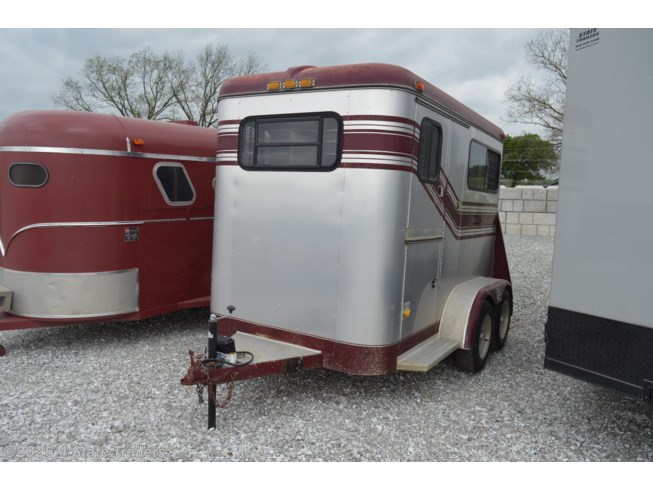
Credit: www.4statetrailers.com
Frequently Asked Questions
What Is A 2 Horse Trailer Used For?
A 2 horse trailer transports two horses safely from one place to another.
How Big Is A Typical 2 Horse Trailer?
Usually, it is about 10 to 12 feet long and 6 to 7 feet wide.
What Types Of 2 Horse Trailers Are Available?
There are bumper pull, gooseneck, and slant load trailers to choose from.
How Much Does A 2 Horse Trailer Weigh?
Most 2 horse trailers weigh between 2,000 and 3,500 pounds.
What Safety Features Does A 2 Horse Trailer Have?
They include brakes, non-slip floors, ventilation, and secure dividers for horses.
How Do I Maintain A 2 Horse Trailer Properly?
Check tires, brakes, lights, and clean regularly to keep it in good shape.
Conclusion
A 2 horse trailer offers great convenience for transporting horses safely. It fits most trucks and provides enough space for two horses. Choosing the right trailer keeps your animals comfortable during travel. Regular maintenance helps the trailer last longer and work better.
Always check the trailer before each trip for safety. This small investment makes horse travel easier and less stressful. A good 2 horse trailer supports your riding adventures and daily needs. Simple, practical, and reliable—just what horse owners want.
As an Amazon Associate, I earn from qualifying purchases.