If you own a miniature horse, you know how important it is to keep your little friend comfortable and safe. Flies buzzing around can be more than just annoying—they can cause your horse stress and even health problems.
That’s where a fly mask miniature horse comes in. This simple yet effective tool protects your horse’s eyes and face from pesky insects, helping them stay calm and happy. You’ll discover why a fly mask is a must-have for your miniature horse and how to choose the right one to suit your horse’s needs perfectly.
Keep reading to learn how to make your horse’s life better with just one smart accessory.
Benefits Of Fly Masks For Miniature Horses
Fly masks offer many benefits for miniature horses. These masks protect their sensitive eyes from many dangers. They help keep horses calm and comfortable during the day. Using a fly mask is a simple way to improve a horse’s well-being.
Small horses face many issues caused by flies and insects. Fly masks act as a strong shield. They stop irritants from bothering the horse’s face and eyes. This protection is crucial for healthy, happy horses.
Shielding Eyes From Irritants
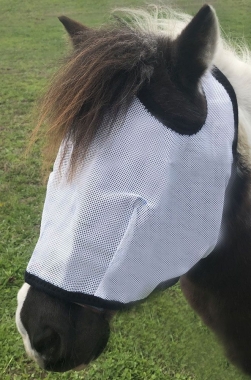
Flies and bugs cause constant irritation to a horse’s eyes. Dust and dirt also get into their eyes outdoors. Fly masks create a barrier that blocks these irritants. This helps keep the eyes clean and safe. The mask’s mesh allows the horse to see clearly.
Reducing Stress And Discomfort
Flies biting or buzzing near the face cause stress. Horses may shake their heads or rub their eyes. This leads to pain and frustration. Fly masks reduce this discomfort by keeping flies away. Horses stay calm and relaxed with a mask on.
Preventing Infections And Injuries
Flies carry germs that cause infections in horse eyes. Constant rubbing or scratching can cause injuries. Fly masks prevent flies from landing on the eyes. They stop horses from rubbing and hurting themselves. This lowers the risk of infections and wounds.
Types Of Fly Masks Available
Fly masks protect miniature horses from flies and other insects. These masks come in various types. Each type offers different levels of comfort and protection. Understanding the options helps choose the best mask for your horse.
Full Coverage Masks
Full coverage masks cover the horse’s entire face. They protect eyes, ears, and muzzle from bugs. These masks help reduce irritation and prevent infections. They are ideal for horses sensitive to flies.
Mesh And Breathable Materials
Mesh fly masks use fine netting for ventilation. They keep flies away while allowing airflow. Breathable materials keep the horse cool on hot days. These masks reduce sweating and discomfort.
Uv Protection Masks
UV protection masks block harmful sunlight. They protect horses with light-colored or thin skin. These masks help prevent sunburn and skin damage. They are useful in sunny climates.
Choosing The Right Size And Fit
Choosing the right size and fit for a fly mask is very important for your miniature horse’s comfort. A mask that fits well protects your horse without causing pain or irritation. A poor fit can lead to rubbing, slipping, or even injury. Taking the time to measure and adjust the mask ensures the best protection.
Measuring Your Miniature Horse
Start by measuring your horse’s face carefully. Use a soft tape measure to get the length from the poll to the muzzle. Measure the width across the cheekbones. Note the distance from the eyes to the ears. These numbers help select a mask that fits snugly but not tight. Always double-check your measurements to avoid mistakes.
Adjustable Straps And Fasteners
Choose a fly mask with adjustable straps and fasteners. This feature allows small changes for a perfect fit. Straps behind the ears or under the jaw should be easy to tighten or loosen. Fasteners made of soft material prevent skin irritation. Adjustable masks grow with your horse and stay secure during activity.
Avoiding Common Fit Issues
Avoid masks that are too loose or too tight. Loose masks can slip over the eyes or get caught. Tight masks may cause rubbing or block breathing. Check for pressure points around the nose and ears. Watch your horse’s behavior for signs of discomfort. Regularly inspect the mask for wear and proper fit.
Materials And Durability
Choosing the right materials ensures a fly mask for miniature horses stays strong and lasts long. Durability matters because these masks face rough use daily. They protect the horse’s eyes and face from insects and sun.
Good materials also keep the horse comfortable. The mask should feel light and soft. It must not hurt or irritate the skin. Strong fabrics help the mask resist tears and wear.
Lightweight And Comfortable Fabrics
Lightweight fabrics make the mask easy to wear all day. Soft materials prevent rubbing on the horse’s face. Breathable fabrics allow air to flow freely. This stops the horse from feeling hot or sweaty. Comfort is key to keeping the mask on without fuss.
Tear-resistant Mesh Options
Tear-resistant mesh adds extra strength to the mask. It withstands bites from flies and scratches from branches. The mesh protects delicate eyes without blocking vision. Strong mesh keeps the mask in good shape for longer use. This saves money on frequent replacements.
Weather Resistance Features
Weather resistance means the mask works in sun, rain, or wind. Some masks use UV protection to block harmful sun rays. Water-resistant fabrics keep the mask dry and light. Windproof designs stop the mask from flying off. These features make the mask reliable in all conditions.
Proper Usage And Care Tips
Proper use and care of a fly mask for your miniature horse keep it safe and comfortable. These masks protect horses from flies and sun. They also prevent eye irritation and infections. Following simple care tips helps the mask last longer.
Daily Inspection And Cleaning
Check the fly mask every day for dirt or damage. Remove any debris or insects caught in the mesh. Clean the mask with mild soap and water to keep it fresh. Rinse well and let it dry before putting it back on.
Safe Wearing Duration
Limit the time your miniature horse wears the fly mask. Avoid leaving it on overnight or during heavy rain. Watch for signs of discomfort or rubbing. Remove the mask if the horse shows any irritation.
Storage And Maintenance
Store the fly mask in a dry, cool place when not in use. Keep it away from direct sunlight to prevent fading. Check straps and fasteners regularly and fix any wear. Proper storage helps maintain the mask’s shape and function.

Credit: bigblackhorse.com
Signs Your Miniature Horse Needs A Fly Mask
Miniature horses are small but sensitive. They feel flies and bugs as much as bigger horses do. A fly mask protects their eyes and face from irritation. Recognizing signs your miniature horse needs a fly mask helps keep it comfortable and healthy. Watch for changes in behavior and physical symptoms. These clues show when it is time to use a fly mask.
Behavioral Indicators
Does your miniature horse shake its head often? This action tries to shake off flies. Excessive rubbing of the face on posts or fences also hints at irritation. Your horse may try to avoid bright sunlight or stay in shade. These behaviors suggest discomfort caused by insects or dust. Notice if your horse seems restless or distracted. These signs mean it needs protection.
Visible Eye Irritations
Look closely at your horse’s eyes daily. Redness or swelling around the eyes indicates irritation. Excessive tearing or discharge also points to a problem. Squinting or keeping the eyes closed for long can signal pain. Flies often cause small cuts or sores near the eyes. These visible symptoms mean a fly mask can help prevent further damage.
Environmental Triggers
Flies thrive in warm, humid weather. Areas near water or manure attract many insects. Your miniature horse is more at risk in these environments. Grazing in tall grass or near trees can increase fly contact. Morning and evening are peak times for fly activity. Being aware of these triggers helps you decide when to put on a fly mask.
Common Mistakes To Avoid
Fly masks protect miniature horses from flies and other insects. Using these masks correctly is key for your horse’s health and comfort. Many owners make simple mistakes that cause problems. Avoid these to keep your horse happy and safe.
Overlooking Fit And Comfort
A fly mask must fit well. Too tight can hurt your horse’s skin. Too loose lets insects in. Check the mask often to ensure it sits properly. Watch for signs of rubbing or irritation. Comfort matters for your horse’s daily wear.
Ignoring Regular Cleaning
Fly masks get dirty fast from dust and sweat. Dirty masks can cause skin infections. Clean the mask regularly using mild soap and water. Let it dry completely before putting it back on. Clean masks keep your horse’s skin healthy.
Leaving Masks On Overnight
Fly masks are not for sleeping time. Leaving them on overnight can cause skin issues. At night, flies are less active, so masks are unnecessary. Remove the mask before dark to let your horse rest without irritation.
Credit: www.chicksaddlery.com
Enhancing Comfort With Additional Features
Fly masks for miniature horses protect them from insects and sun. Comfort matters a lot for these gentle animals. Extra features improve their experience while wearing the mask. Small details make a big difference in comfort and fit. This section explores key features that enhance comfort.
Padded Edges And Nose Covers
Soft padding around edges stops rubbing and chafing. It protects sensitive skin on the face and around ears. Nose covers are padded to avoid irritation on the nose bridge. These small cushions help the mask fit snugly without pain. Horses stay calm and relaxed with padded designs.
Ventilation Improvements
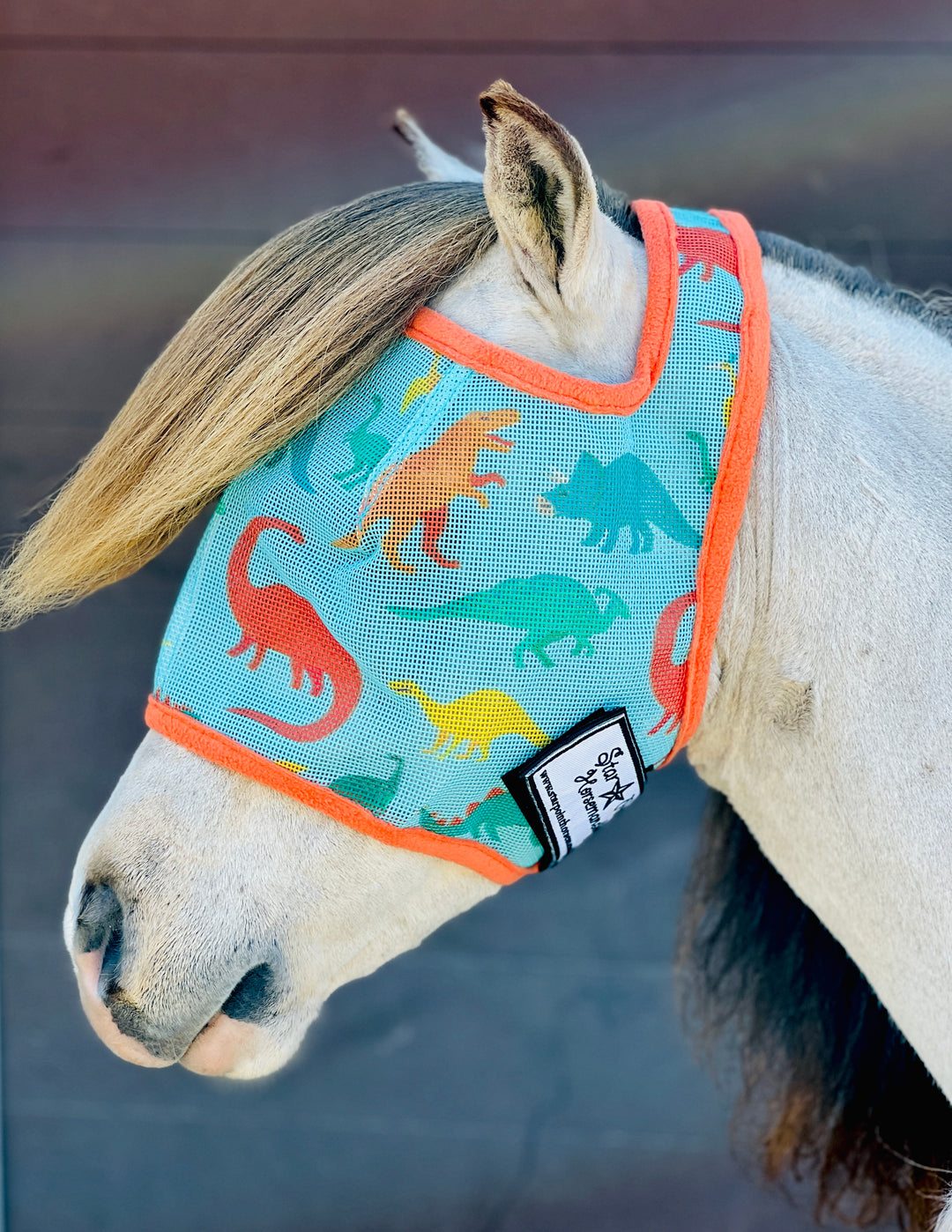
Good airflow is vital to keep horses cool. Masks with mesh panels allow air to flow freely. Ventilation reduces sweat and heat buildup under the mask. This prevents discomfort and skin problems. A breathable fly mask keeps the horse fresh all day long.
Customizable Designs
Custom options let owners choose colors and patterns. This adds personality and makes the mask easier to spot. Adjustable straps help fit the mask perfectly. A well-fitted mask stays in place during play or rest. Custom designs combine comfort with style and practicality.
Where To Buy Quality Fly Masks
Finding the right fly mask for your miniature horse protects it from flies and sun. Quality matters for comfort and durability. Knowing where to buy helps you get the best fit and materials. Below are some great places to find quality fly masks for miniature horses.
Trusted Online Retailers
Online stores offer many fly masks with detailed descriptions and reviews. They provide quick delivery and easy returns. Popular equine websites focus on quality and variety. Shopping online lets you compare prices and styles easily. Choose retailers known for good customer service and reliable products.
Local Tack Shops
Visit local tack shops to see fly masks in person. Staff can help you find the right size and style. Supporting local shops helps your community and ensures you get expert advice. Some shops carry high-quality brands trusted by horse owners. Trying masks before buying reduces the chance of poor fit.
Custom Mask Makers
Custom mask makers create fly masks tailored to your horse’s needs. They offer unique designs and special features. Custom masks ensure a perfect fit and extra comfort. Many makers use durable, breathable materials for long-lasting use. This option suits horses with special requirements or sensitive skin.
Credit: starpointhorsemanship.com
Frequently Asked Questions
What Is A Fly Mask For A Miniature Horse?
A fly mask is a soft mesh cover that protects a miniature horse’s face from flies and insects.
How Does A Fly Mask Protect Miniature Horses?
It keeps flies, dust, and UV rays away from the horse’s eyes and ears, reducing irritation.
When Should I Use A Fly Mask On My Miniature Horse?
Use it during warm months when flies and bugs are most active, especially in spring and summer.
Can A Fly Mask Cause Discomfort To Miniature Horses?
No, if fitted properly, fly masks are comfortable and do not hurt or bother the horse.
How Do I Clean And Maintain A Fly Mask?
Wash it with mild soap and water regularly, and check for tears or damage before use.
Are There Different Types Of Fly Masks For Miniature Horses?
Yes, masks vary in size, material, and features like UV protection or ear coverage for extra comfort.
Conclusion
A fly mask helps protect your miniature horse from flies and sun. It keeps their eyes and face safe and clean. Choosing the right mask means checking size, comfort, and material. Make sure it fits well but is not too tight.
Regular use can reduce irritation and stress for your horse. Remember, a happy horse stays healthy and calm. Fly masks are simple tools that make a big difference. Caring for your miniature horse is easier with the right gear. Keep your horse comfortable all season long.
As an Amazon Associate, I earn from qualifying purchases.