If you own or care for horses, knowing how to give an intramuscular injection can make a big difference in their health and recovery. You might feel unsure or nervous about the process, but it’s easier than you think when you understand the right steps.
This guide will help you learn how to give injections safely and confidently, so your horse gets the care it needs without stress. Keep reading, and you’ll discover simple tips that protect your horse and make you feel more in control.

Credit: benefabproducts.com
Choosing Injection Sites
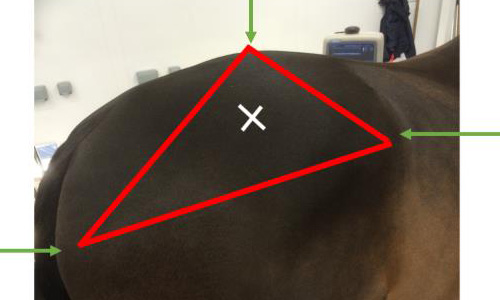
Choosing the right injection site for intramuscular shots in horses is vital. The site affects how well the medicine works and keeps the horse safe. Picking the correct area helps avoid pain, injury, and infections. Understanding common sites, nerves, blood vessels, and rotating spots keeps injections smooth and healthy.
Common Injection Areas
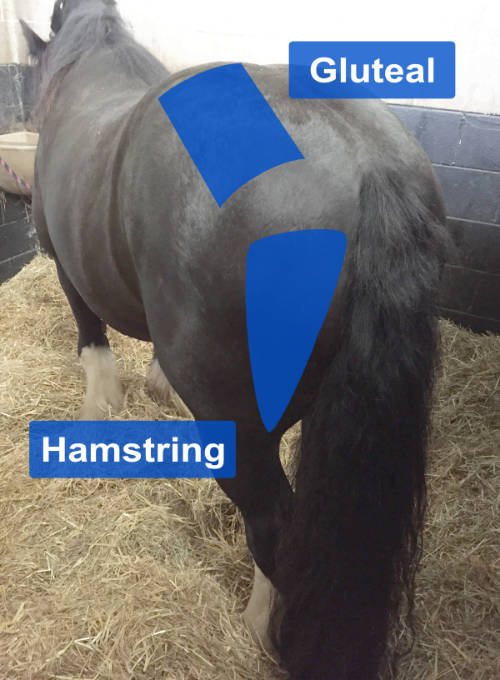
Most intramuscular injections go into large muscles. The neck is a popular choice because it is easy to reach. The muscle in the neck is thick and has fewer nerves. Another common site is the large muscle in the hindquarters. The chest and shoulder muscles can work too but are less common. Choosing a big muscle ensures the medicine spreads well.
Avoiding Nerves And Blood Vessels
Horses have important nerves and blood vessels near muscles. Hitting these can cause pain or serious injury. Always aim for the middle of the muscle, away from bones and vessels. Using landmarks like the spine and shoulder helps find safe spots. Inject slowly and watch the horse for any signs of pain.
Site Rotation Importance
Using the same spot repeatedly can cause lumps or soreness. Rotating injection sites gives muscles time to heal. This practice reduces swelling and discomfort. Keep a record of injection sites to avoid overusing one area. Rotating also helps the horse stay calm and less stressed during treatments.
Credit: www.rvc.ac.uk
Preparing For Injection
Preparing for an intramuscular injection in horses requires careful attention. Proper preparation ensures the injection is safe and effective. It also reduces the risk of infection and discomfort for the horse. Each step in preparation plays a key role in the process.
Gathering Supplies
Start by collecting all necessary supplies. You will need sterile needles, syringes, medication, and antiseptic wipes. Have clean gloves ready to wear. Make sure everything is within reach to avoid interruptions. Check that the medication is the correct type and dose.
Sterilization Techniques
Clean the injection site thoroughly. Use antiseptic wipes or alcohol pads to disinfect the skin. Wipe in a circular motion from the center outward. Allow the area to dry completely before injecting. This helps prevent bacteria from entering the muscle.
Proper Needle Selection
Choose the right needle size for the horse and injection type. A 1 to 1.5 inch needle is common for adult horses. The gauge should be between 18 and 22, depending on the medication thickness. Using the correct needle reduces pain and tissue damage. Replace needles if they become dull or bent.
Administering The Injection
Administering an intramuscular injection to a horse requires care and precision. Proper technique reduces stress for the horse and prevents injury. Understanding the correct steps ensures the injection is effective and safe. Each stage, from holding the horse to inserting the needle, matters greatly.
Restraint Methods
Keep the horse calm and steady. Use a halter and lead rope for control. Stand beside the horse’s neck or shoulder, not directly in front. Ask someone to hold the horse if needed. Avoid sudden movements that may startle the animal. A calm horse allows for smooth injection.
Correct Injection Angle
Insert the needle at a 90-degree angle to the skin. This angle helps reach the muscle properly. Avoid shallow or slanted angles. They can cause the medicine to go under the skin. A straight angle ensures the injection works well and reduces pain.
Needle Insertion Tips
Clean the injection site with an alcohol wipe before inserting the needle. Insert the needle quickly but gently. Avoid wiggling the needle once inside. Pull back slightly on the plunger to check for blood. No blood means the needle is in the muscle, not a blood vessel. Inject the medicine slowly and steadily.
Credit: wvs.academy
Post-injection Care
Proper care after an intramuscular injection is vital for your horse’s health. Post-injection care helps prevent infections and reduces discomfort. It also ensures the medicine works well.
Monitoring For Reactions
Watch your horse carefully after the injection. Look for swelling, heat, or redness at the injection site. Check for signs of pain or sensitivity. Note any unusual behavior like lethargy or loss of appetite. Early detection of reactions allows quick action.
Massage And Comfort Measures
Gently massage the injection area to ease muscle stiffness. Use soft, circular motions to improve blood flow. Avoid harsh rubbing that can irritate the skin. Keep your horse calm and comfortable during this time. Provide fresh water and a quiet space to rest.
Disposal Of Needles And Syringes
Dispose of needles and syringes safely after use. Place them in a puncture-proof container to avoid injury. Do not reuse or leave them where animals can reach. Follow local rules for medical waste disposal. Safe disposal protects both humans and animals.
Common Mistakes To Avoid
Intramuscular injections are common in horse care. Mistakes can cause pain and health problems. Avoiding these errors helps keep horses safe and comfortable. Here are some common mistakes to watch for.
Incorrect Site Selection
Choosing the wrong injection site can harm your horse. Avoid injecting near large blood vessels or nerves. The neck muscles are often best. Stay clear of the spine and shoulder blades. Proper site selection reduces pain and injury risk.
Using Dull Needles
Dull needles cause extra pain and tissue damage. Always use a new, sharp needle for each injection. Change needles if they become bent or dull during use. Sharp needles make injections quicker and less stressful for the horse.
Poor Hygiene Practices
Dirty equipment can cause infections. Clean the injection site with antiseptic before injecting. Use sterile needles and syringes. Wash your hands well before and after the procedure. Good hygiene protects your horse from harmful bacteria.
When To Seek Veterinary Help
Knowing when to seek veterinary help after giving an intramuscular injection to a horse is very important. Some problems need quick attention to keep your horse healthy. Watch your horse closely after the injection for any unusual signs. Early action can prevent serious issues and help your horse recover faster.
Signs Of Infection
Infection at the injection site can cause pain and swelling. Look for redness, heat, or pus around the spot. The horse may show a fever or act tired. If you see these signs, call a vet quickly. Infections can spread and become worse without treatment.
Allergic Reactions
Allergic reactions can be mild or severe. Mild signs include itching, hives, or swelling of the face. Severe reactions may cause breathing problems or collapse. If your horse shows any breathing difficulty or sudden swelling, seek veterinary help immediately. Quick treatment can save your horse’s life.
Injection Site Complications
Sometimes, lumps or hard areas form where the injection was given. These might be abscesses or scar tissue. If the lump grows, becomes painful, or does not go away, contact a vet. Also, watch for limping or sensitivity in the injection area. Proper care can reduce discomfort and prevent further damage.
Frequently Asked Questions
What Is An Intramuscular Injection For Horses?
It is a shot given deep into a horse’s muscle to deliver medicine quickly.
Where Is The Best Site For Horse Intramuscular Injections?
The neck muscle is most common, safe, and easy to access for injections.
How Much Medicine Can A Horse Get In One Injection?
Usually, 10-15 ml is safe, but always follow the vet’s instructions.
How Often Can Horses Receive Intramuscular Injections?
Frequency depends on the medication; vets provide a specific schedule to follow.
What Are The Common Risks Of Intramuscular Injections In Horses?
Risks include swelling, soreness, or infection at the injection site.
How Should I Prepare My Horse For An Injection?
Keep the horse calm, clean the skin, and hold the horse steady.
Conclusion
Administering intramuscular injections for horses requires care and attention. Always clean the injection site before use. Choose the right needle size for the horse’s muscle. Inject slowly to reduce discomfort. Watch for any signs of swelling or pain after. Proper technique helps prevent infections and injuries.
Regular practice improves confidence and skill. Safe injections keep horses healthy and strong. Simple steps make a big difference in treatment success. Taking time ensures the horse feels calm and secure. Trust your knowledge and stay gentle throughout.
As an Amazon Associate, I earn from qualifying purchases.