If you own a horse or run a stable, having a clear and fair horse boarding agreement is essential. You want to protect your horse, your property, and your peace of mind.
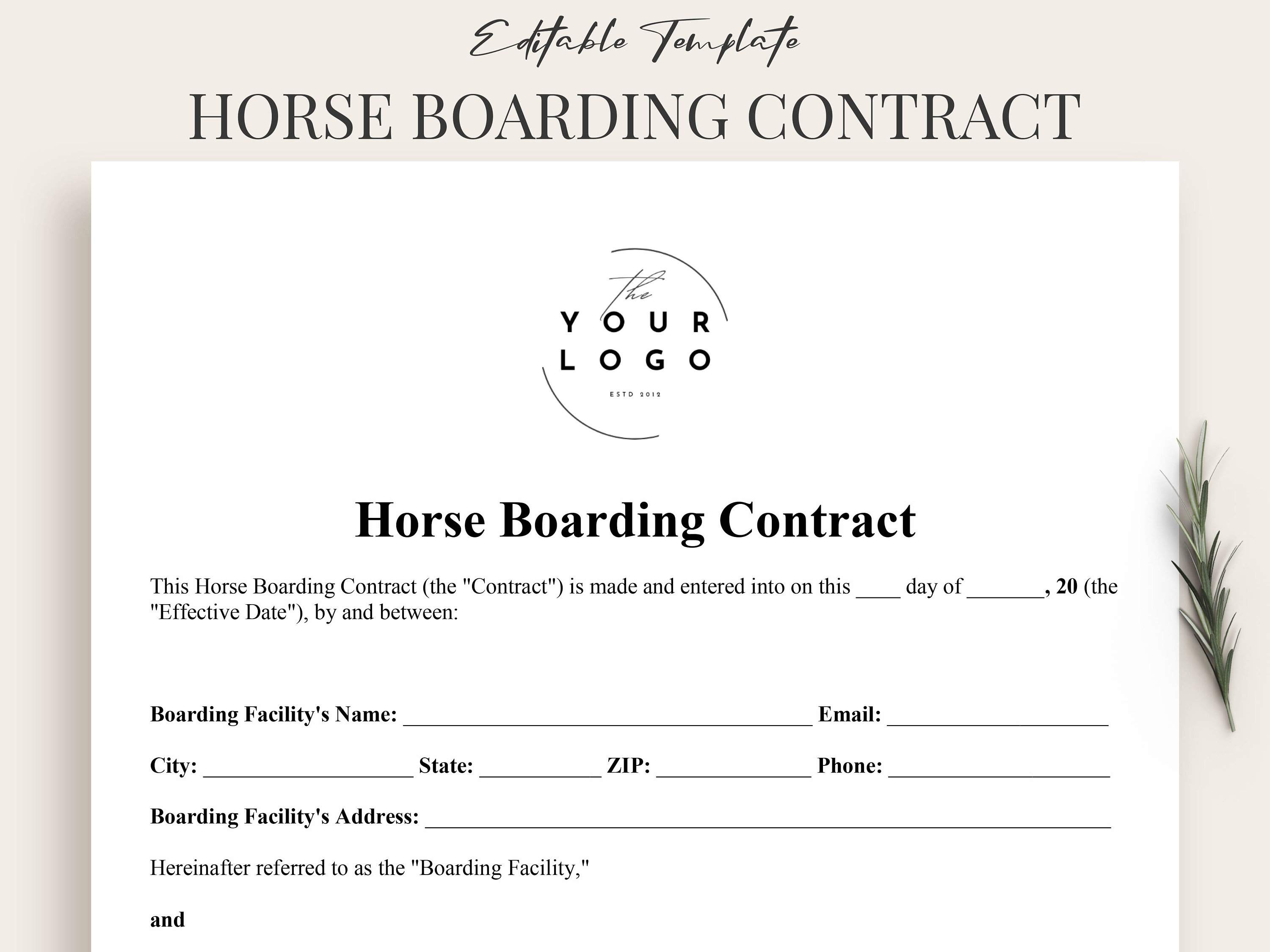
But writing this agreement can feel overwhelming. What should you include? How do you make sure it covers everything important? That’s where a horse boarding agreement template comes in handy. It gives you a simple, ready-made way to create a contract that works for you and your boarders.
Keep reading to discover how the right template can save you time, avoid misunderstandings, and keep your horse’s care on track.
Key Elements Of A Boarding Agreement
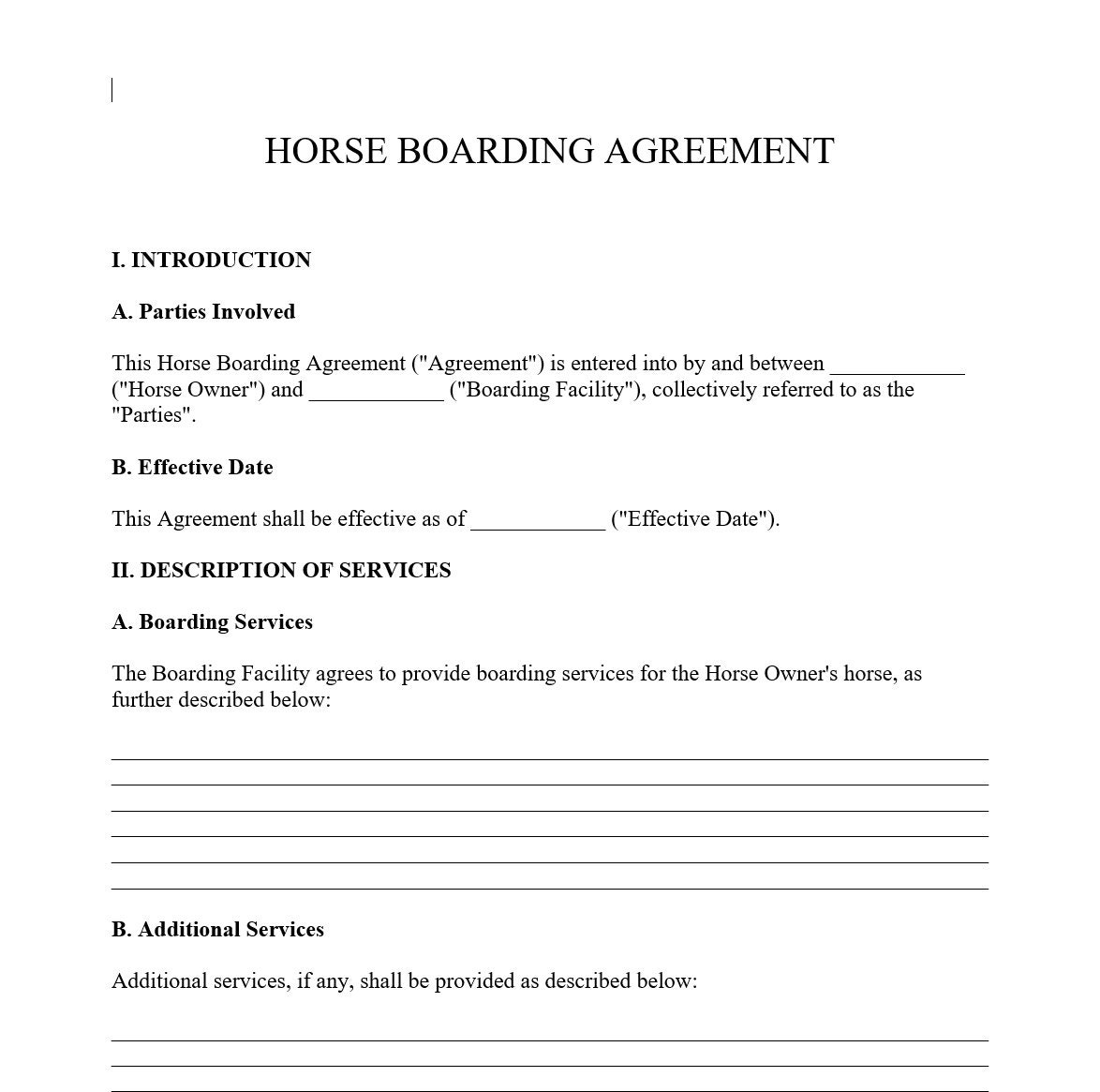
A horse boarding agreement is a vital document for both owners and boarding facilities. It sets clear rules and protects everyone’s interests. Understanding the key elements helps create a fair and smooth arrangement.
This section breaks down the essential parts of a boarding agreement. Each part plays a role in defining responsibilities and expectations.
Parties Involved
This section identifies who is part of the agreement. Usually, it includes the horse owner and the boarding facility owner. Clear names and contact details are necessary. It shows who is responsible for what.
Horse Details
Include specific information about the horse. This covers the horse’s name, age, breed, and any health issues. Accurate details help with proper care and avoid misunderstandings.
Services Offered
List the services the boarding facility will provide. This can include feeding, cleaning stalls, exercising, and vet care. Clear service descriptions help set correct expectations.
Payment Terms
State the cost of boarding and payment methods. Mention when payments are due and any late fees. This keeps finances clear and avoids disputes.
Duration And Termination
Define the start date and length of the agreement. Explain how either party can end the contract. Include notice periods and conditions for termination. This section ensures a smooth end if needed.
Credit: www.etsy.com
Health And Safety Requirements
Health and safety are vital in any horse boarding agreement. Clear rules protect both the horse and the owner. A good agreement covers key points to keep horses healthy and safe. This section explains the main health and safety requirements to include.
Vaccination And Medical Care
Horses must have up-to-date vaccinations. The boarding facility should require proof of these shots. Regular vet checks are important to spot health issues early. Owners should inform the stable about any medical treatments. This keeps all horses safe from disease.
Emergency Procedures
The agreement must list steps for emergencies. Staff need to know how to act fast. Contact details for vets and owners must be clear. Fire drills and evacuation plans help avoid chaos. Quick response saves lives and reduces harm.
Liability And Insurance
Liability rules explain who pays for injuries or damage. Boarding facilities often ask owners to have insurance. This protects both parties from unexpected costs. Clear terms prevent disputes and give peace of mind. Everyone understands their responsibilities.
Stable Safety Standards
Stables should meet safety standards to prevent accidents. Proper fencing and secure gates keep horses safe. Clean, dry stalls reduce illness risks. Regular maintenance of equipment avoids hazards. Safe environments support horse health and happiness.
Responsibilities Of The Owner
The responsibilities of the horse owner form a key part of the horse boarding agreement. Clear duties help avoid misunderstandings. They ensure the horse stays healthy and happy. The owner must commit to daily care and provide needed supplies.
Feeding And Nutrition
Owners must supply the correct food for their horse. The diet should match the horse’s age, health, and activity. Fresh water must be available at all times. Owners should inform the boarding facility about any special dietary needs. Proper feeding keeps horses strong and energetic.
Daily Care And Grooming
Daily care includes brushing and checking the horse for injuries. Grooming helps keep the horse clean and comfortable. Owners should arrange for regular exercise or turnout. Keeping the horse clean prevents skin problems. Owners must report any signs of illness quickly.
Equipment And Supplies
Owners provide their horse’s tack and grooming tools. This includes saddles, bridles, brushes, and hoof picks. All equipment must be clean and in good condition. Proper gear ensures the horse’s safety and comfort. Owners should replace worn-out items promptly.

Credit: standard-boarding-agreement.pdffiller.com
Responsibilities Of The Boarding Facility
The responsibilities of a boarding facility are key to good horse care. Clear duties help keep horses safe and healthy. Owners trust facilities to manage daily care and handle emergencies. A good boarding agreement outlines these responsibilities in detail. This ensures both sides know what to expect and reduces problems.
Horse Supervision
Staff must watch horses closely every day. They check for injuries, sickness, or unusual behavior. Regular observation helps catch problems early. Supervision includes feeding, watering, and cleaning stalls. It also means providing exercise and social time. Proper supervision keeps horses calm and healthy.
Facility Maintenance
The facility must stay clean and safe at all times. Staff clean stalls, aisles, and common areas regularly. Fences and gates need to be strong and secure. Proper lighting and drainage prevent accidents and illness. Good maintenance creates a healthy environment for horses. It also protects the owners’ investment in the property.
Handling Special Needs
Some horses require extra care for health or behavior. Facilities must follow special feeding or medication instructions. Staff should understand each horse’s unique needs. They must communicate changes or concerns with the owner. Handling special needs with care helps horses thrive. It builds trust between the facility and owners.
Rules And Restrictions
Rules and restrictions in a horse boarding agreement keep the stable safe and organized. They help protect horses, owners, and staff. Clear rules reduce confusion and prevent problems. Every owner and boarder must follow these guidelines.
Visiting Hours
Visiting hours set specific times to visit horses. They help maintain order and reduce noise. Owners know when they can see their horses. This also gives staff time to work without interruptions. Visitors must respect these hours for safety.
Use Of Equipment
Equipment rules explain who can use tools and when. Horses need proper care, so only trained people should handle equipment. This avoids accidents and damage. Boarders must clean and return items after use. Sharing equipment is allowed only with permission.
Handling Disputes
Disputes happen but must be solved calmly. The agreement shows steps to handle conflicts. Talk first with the stable manager or owner. If needed, use a mediator to find a fair solution. Clear communication helps keep peace and trust.
Legal Considerations
Legal considerations are key in a horse boarding agreement template. They protect both the horse owner and the facility. Clear terms help avoid disputes and misunderstandings. Every detail matters, from contract enforcement to legal jurisdiction. This section explains important legal points to include.
Contract Enforcement
Contract enforcement ensures all parties follow the agreed rules. The agreement must state what happens if one side breaks the terms. It should include penalties or solutions for issues. Clear enforcement terms make the contract strong and reliable.
Amendments And Updates
The agreement should allow changes if needed. It must explain how to update terms legally. Both parties should agree in writing before changes take effect. This keeps the contract current and fair for everyone.
Jurisdiction And Governing Law
This section defines which state or country’s laws apply. It decides where legal problems get solved. Clear jurisdiction rules avoid confusion in case of disputes. Choosing the right law helps protect both parties’ rights.
Tips For Drafting A Clear Agreement
Creating a clear horse boarding agreement helps avoid confusion and disputes. It sets expectations for both parties. A well-written agreement protects the owner and the boarding facility. Keep the terms easy to understand. Clear rules make the boarding process smooth and safe.
Using Simple Language
Write the agreement in plain words. Avoid legal jargon and complex terms. Short sentences improve understanding. Clear language helps owners and boarders know their duties. Simple words reduce mistakes and disagreements.
Customizing For Specific Needs
Every boarding situation is unique. Tailor the agreement to fit your facility’s rules. Include details about feeding, exercise, and emergency care. Mention any special services or restrictions. Custom terms ensure all important points are covered.
Seeking Legal Advice
Consult a lawyer familiar with animal or boarding laws. Legal advice helps spot missing or unclear terms. It ensures the agreement follows local rules. A lawyer’s review protects you from future problems. Investing in legal help is wise and safe.
Credit: www.etsy.com
Frequently Asked Questions
What Is A Horse Boarding Agreement Template?
A horse boarding agreement template is a simple contract for horse care and boarding rules.
Why Use A Horse Boarding Agreement Template?
It helps protect both owners and barns by clearly stating duties and rules.
What Should A Horse Boarding Agreement Include?
It should cover fees, care instructions, liability, and termination terms.
How Does A Boarding Agreement Protect Horse Owners?
It ensures care standards and liability limits are clearly defined and agreed.
Can I Customize A Horse Boarding Agreement Template?
Yes, you can change terms to fit your needs and specific boarding conditions.
Where Can I Find A Free Horse Boarding Agreement Template?
Many websites offer downloadable templates that you can edit and use easily.
Conclusion
A clear horse boarding agreement helps protect both parties. It sets rules for care, payment, and responsibilities. Using a good template saves time and avoids confusion. Everyone knows what to expect and how to act. This makes the boarding experience safe and smooth.
Take time to review and customize the agreement. A simple, fair contract builds trust between owners and boarders. Keep your horse’s needs and safety in mind always. A well-written agreement supports a happy, healthy partnership.
As an Amazon Associate, I earn from qualifying purchases.