If you want your horse to respond quickly and smoothly, the right bit can make all the difference. Quick horse bits are designed to give you better control without causing discomfort to your horse.
Whether you’re a beginner or an experienced rider, understanding how these bits work can improve your riding experience instantly. Keep reading to discover how choosing the right quick horse bit can help you connect with your horse like never before.
Types Of Quick Horse Bits
Quick horse bits come in different styles. Each type offers unique control and comfort for the horse. Choosing the right bit helps with better communication and riding experience.
Understanding the main types helps riders make smart choices. Here are some common quick horse bits:
Snaffle Bits
Snaffle bits are simple and gentle. They apply direct pressure to the horse’s mouth. Riders often use them for training and everyday riding. They have a jointed mouthpiece that moves independently.
These bits encourage soft contact and quick response from the horse.
Pelham Bits
Pelham bits combine snaffle and curb actions. They have shanks that increase leverage on the horse’s mouth. Riders use two sets of reins to control pressure.
This bit offers more stopping power while remaining smooth for the horse.
Kimberwick Bits
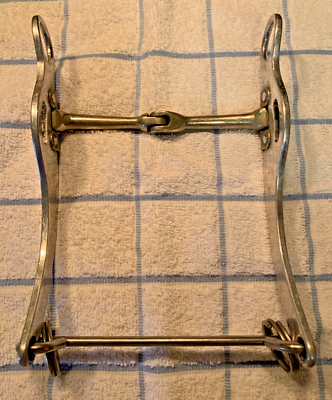
Kimberwick bits are a mix between a snaffle and a curb. They have slots on the cheekpieces to adjust leverage. This bit works well for horses needing moderate control.
Many riders choose Kimberwick bits for comfortable steering and stopping.
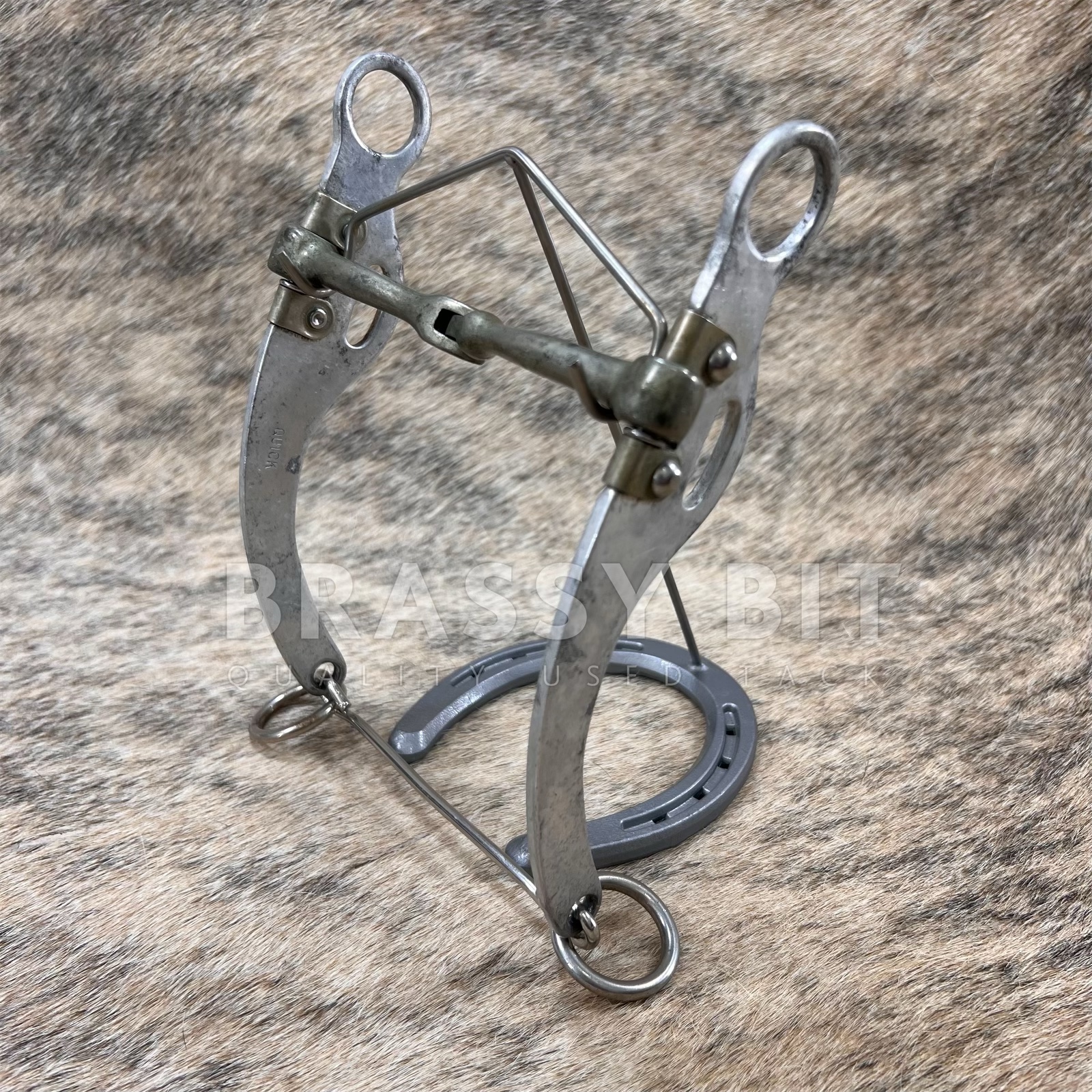
Curb Bits
Curb bits apply pressure on the horse’s chin and poll. They have longer shanks for stronger leverage. This bit helps with precise control in skilled hands.
Curb bits are common in advanced riding and certain disciplines.
Credit: brassybit.com
Materials And Design Features
Quick horse bits come in many styles and materials. Each part affects how the horse feels and responds. Choosing the right materials and designs helps both horse and rider. Comfort, control, and durability depend on these choices.
Metal Choices
Stainless steel is common for quick horse bits. It is strong and resists rust. Copper is often mixed in to encourage salivation. This helps the horse relax its mouth. Some bits use sweet iron. It softens the horse’s mouth over time. Bronze bits offer a smooth feel and last long. Each metal affects the horse’s comfort differently.
Mouthpiece Styles
Single-jointed mouthpieces create a nutcracker effect on the horse’s tongue. Double-jointed pieces reduce pressure on the tongue and bars. Mullen mouthpieces are straight and apply even pressure. Ported mouthpieces give the tongue room and relieve pressure. The style changes how the horse feels the bit. Choosing the right mouthpiece improves communication and comfort.
Cheekpiece Variations
Cheekpieces connect the bit to the bridle and reins. D-ring cheekpieces offer more control and prevent pinching. Eggbutt cheeks are smooth and reduce pinching. Full-cheek bits provide lateral guidance for turning. Baucher cheekpieces lift the bit slightly in the mouth. The cheekpiece design impacts control and stability. Each type fits different riding needs.
Choosing The Right Bit Size
Choosing the right bit size is important for your horse’s comfort and control. A bit that fits well helps your horse respond better. It also prevents mouth sores and discomfort. Knowing how to find the correct size makes a big difference in riding experience.
Measuring Your Horse’s Mouth
Start by measuring the width of your horse’s mouth. Use a soft tape measure or a piece of string. Place it just outside the lips where the bit will sit. Measure from one corner of the mouth to the other. This gives you the exact size needed for the bit’s mouthpiece. Always measure a few times for accuracy.
Common Size Guidelines
Horse bits usually come in sizes from 4.5 to 6.5 inches. Most adult horses need bits between 5 and 5.5 inches. Ponies and smaller horses need smaller sizes around 4.5 to 5 inches. Choose a bit slightly wider than the mouth measurement. This allows space for the bit to move gently.
Credit: www.ebay.com
Benefits Of Quick Horse Bits
Quick horse bits offer many benefits for riders and horses. They help improve riding experience by making control easier and communication clearer. Horses also feel more comfortable with these bits. Riders of all levels can enjoy better performance and a stronger bond with their horse.
These bits are designed to work quickly and respond well. This helps both rider and horse stay safe and happy during rides.
Enhanced Control
Quick horse bits give riders better control over their horses. They respond faster to small movements. This allows riders to guide horses gently and precisely. Riders can correct behavior without harsh actions. This control helps in training and daily riding.
Improved Communication
Clear communication between rider and horse is key. Quick bits send signals quickly and clearly. Horses understand commands better and react faster. This reduces confusion and frustration for both. It builds trust and teamwork during rides.
Comfort For The Horse
Comfort is very important for horses. Quick bits are made to fit well and cause less pressure. They reduce pain and discomfort in the horse’s mouth. Comfortable horses are calmer and more willing to work. This leads to smoother, more enjoyable rides.
How To Fit And Adjust Quick Bits
Fitting and adjusting Quick Horse Bits correctly is key for a happy horse. A proper fit helps the horse respond well and stay comfortable. This guide explains how to place the bit, adjust it, and check for fit problems.
Proper Placement
Place the bit so it rests gently in the horse’s mouth. It should touch the corners of the mouth without pulling tight. The bit should sit just behind the front teeth and above the tongue. Avoid pushing it too deep or letting it hang too low.
Adjusting For Comfort
Use the cheek straps to adjust the bit’s height. The bit should not pinch or rub the lips. Make small changes and watch the horse’s reaction. The horse should chew softly and accept the bit without resistance.
Signs Of Poor Fit
Look for signs like excessive drooling or head tossing. If the horse opens its mouth often, the bit may be too harsh or ill-fitting. Check for sores or cuts in the mouth corners. A well-fitted bit avoids pain and stress.
Training Tips With Quick Horse Bits
Training with quick horse bits requires patience and care. These bits help improve communication between rider and horse. Using them right can make training smoother and more effective. Below are key tips for trainers to get the best from quick horse bits.
Introducing The Bit
Start by letting the horse get used to the bit. Gently place the bit in the horse’s mouth. Allow the horse to relax and accept it. Use calm, soft signals to avoid stress. Spend short periods with the bit on at first. This builds trust and comfort.
Building Responsiveness
Use light pressure to teach the horse to respond. Pull the reins gently and wait for a reaction. Reward the horse quickly when it responds well. Repeat small steps to increase understanding. Consistent, gentle cues improve the horse’s focus. Avoid harsh pulls that can cause fear or confusion.
Avoiding Common Mistakes
Do not rush the training process. Avoid using too much pressure on the bit. Check the bit fits correctly to prevent discomfort. Never leave the bit in too long without breaks. Watch for signs of pain or resistance. Correct mistakes calmly and patiently to keep progress steady.
Maintenance And Care
Proper maintenance and care keep quick horse bits in good shape and safe for your horse. Clean bits work better and last longer. Regular care prevents rust and dirt buildup. It also protects your horse’s mouth from irritation.
Cleaning Techniques
Rinse the bit with warm water after each ride. Use a soft brush to remove dirt and saliva. For thorough cleaning, soak the bit in mild soap and warm water. Avoid harsh chemicals that can damage the metal. Dry the bit completely before storing it.
Storage Advice
Store bits in a dry place to stop rust. Use a clean, soft cloth to wrap the bit. Keep bits away from dust and moisture. Organize bits so they do not touch each other. This prevents scratches and dents.
When To Replace
Check bits often for cracks or sharp edges. Replace bits if metal wears thin or bends. Watch for rust that cannot be cleaned off. Change bits if your horse shows signs of discomfort. A safe bit protects your horse’s health and comfort.
Credit: www.horsebitemporium.com
Popular Brands And Models
Quick horse bits are essential tools for riders who want control and comfort. Various brands and models offer different features for every riding style. Choosing the right bit helps improve communication between rider and horse. Some brands focus on quality, while others offer affordable options. Custom makers create bits tailored to specific needs.
Top-rated Options
Many riders trust brands known for durability and comfort. Brands like Myler and Herm Sprenger are popular for quick horse bits. These bits often have smooth joints and ergonomic shapes. They help reduce pressure on the horse’s mouth. Riders praise these bits for their consistent performance.
Budget-friendly Choices
Affordable bits do not mean low quality. Brands like Weaver and Ovation offer good bits at lower prices. These bits work well for beginner riders and casual use. They provide basic features without extra costs. Many riders find these bits reliable for everyday training.
Custom Bit Makers
Custom bit makers design bits for unique horse needs. They create bits with special materials or shapes. Riders with sensitive horses benefit from these tailored bits. Custom makers include companies like Double J and Custom Bit Works. These bits improve fit and comfort for horses.
Frequently Asked Questions
What Are Quick Horse Bits Used For?
Quick horse bits help riders control horses gently and easily during riding.
How Do Quick Horse Bits Improve Riding Control?
They provide fast response, making steering and stopping the horse simpler.
Are Quick Horse Bits Suitable For Beginner Riders?
Yes, they are often recommended for beginners due to easy handling.
Can Quick Horse Bits Cause Discomfort To Horses?
Proper fitting prevents discomfort; always check the fit before riding.
What Materials Are Quick Horse Bits Usually Made Of?
Common materials include stainless steel, copper, and rubber for comfort and strength.
How To Choose The Right Quick Horse Bit Size?
Measure your horse’s mouth carefully and consult a professional for best fit.
Conclusion
Choosing the right quick horse bit helps both rider and horse. It makes riding safer and more comfortable. Simple bits can improve control without causing pain. Pay attention to your horse’s reactions and needs. A good fit means better communication and less stress.
Keep learning about different bits to find what suits best. Remember, gentle handling leads to a happy horse. Small changes can bring big improvements in riding experience. Take time to select and adjust your quick horse bit carefully. Your horse will thank you with better performance and trust.
As an Amazon Associate, I earn from qualifying purchases.