Have you ever noticed the gentle jingle of bells around a horse’s neck and wondered why they’re there? Horse bells are more than just charming accessories—they serve important purposes that can make your time with horses safer and more enjoyable.
Whether you’re a rider, a caretaker, or simply curious, understanding how horse bells work and why they matter can change the way you connect with these magnificent animals. Keep reading to discover the surprising benefits and practical uses of horse bells you might not have known before.
Credit: www.alamy.com
Types Of Horse Bells
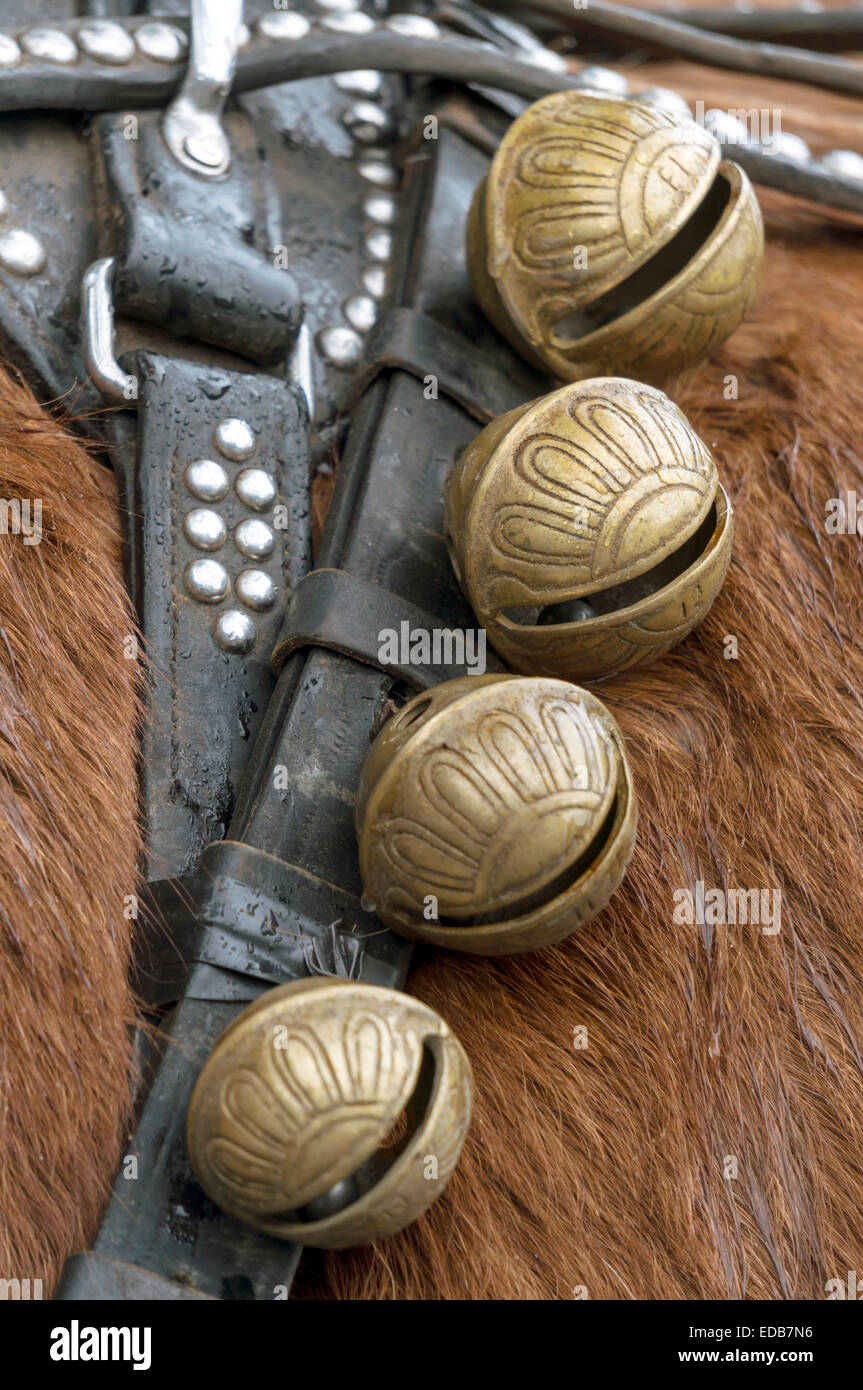
Horse bells have been used for centuries to keep track of horses and add a charming sound to their movements. These bells come in many types, each with unique features and purposes. Understanding the different types can help you choose the right bell for your needs.
Traditional Bells
Traditional horse bells have a classic design. They are often made of metal and have a simple shape. These bells produce a clear, ringing sound that carries well. Many riders use them for trail rides or to warn others of their horse’s presence. Traditional bells connect us to old customs and rural life.
Modern Designs
Modern horse bells come in many shapes and styles. Some have unique patterns or colors. Others include adjustable straps or safety features. These bells fit comfortably on horses and offer different sound tones. Modern designs focus on both function and style, appealing to a wide range of riders.
Material Variations
Horse bells are made from various materials. Common choices include brass, bronze, and steel. Each material affects the bell’s sound and durability. Brass bells tend to have a warm tone. Steel bells are louder and more durable. Some bells use mixed materials to balance sound and strength.

Credit: www.lost-graphic-design.com
Sound Characteristics
Horse bells have a unique sound that many people find charming. Their sound plays an important role in alerting others and adding a gentle rhythm to a horse’s movement. Understanding their sound characteristics helps you choose the right bell for your horse.
The sound of horse bells varies by size, shape, and material. Each bell produces a different pitch and tone, which can affect how far the sound travels and how pleasant it is to hear.
Pitch And Tone
The pitch of horse bells depends on their size. Smaller bells create a higher pitch. Larger bells produce a lower pitch.
The tone is the quality of the sound. Some bells sound bright and clear. Others have a soft, warm tone. The tone affects how the bell blends with other sounds outdoors.
Volume Levels
Horse bells can be loud or quiet. Loud bells help alert people and animals nearby. Quiet bells are less disturbing in calm environments.
The material of the bell affects volume. Metal bells tend to be louder than those made from other materials. The way the bell is attached also changes the sound level.
Durability Of Sound
Durability means how long the sound lasts after ringing. Some bells have a sharp, quick ring. Others keep ringing softly for longer.
Durable sound helps keep track of the horse’s movement even at a distance. It depends on the bell’s shape and the inside clapper’s size.
Choosing Bells For Different Activities
Choosing the right horse bells depends on the activity you plan to do. Different bells suit different needs. The sound, size, and weight of the bell matter. Picking the right bell can keep your horse safe and comfortable.
Trail Riding
Trail riding bells should be loud enough to alert others on the path. They help prevent accidents by signaling your presence. Choose bells that are durable and weather-resistant. Lightweight bells keep your horse comfortable during long rides. Clear, steady sounds work best for outdoor trails.
Competitions
Competition bells need to be subtle and quiet. Loud bells can distract the horse and judges. Small, soft-toned bells suit indoor arenas well. The bell should not interfere with the horse’s movement. Pick bells that match the event’s rules and style.
Daily Use
For daily use, bells must be strong and reliable. They should withstand regular wear and tear. Medium-sized bells balance sound and comfort. Choose bells that fit easily on your horse’s tack. Daily bells help keep track of your horse in fields or barns.
Credit: www.alamy.com
Sizing And Fitting Tips
Choosing the right size and fit for horse bells is important. A proper fit keeps the bells comfortable for your horse. It also helps the bells sound clear and work well. Follow these tips to measure and fit horse bells correctly.
Measuring For Comfort
Measure the horse’s leg where the bell will sit. Use a soft tape measure or a piece of string. Wrap it gently around the leg without squeezing. Note the measurement in inches or centimeters. Add a small amount for comfort, about half an inch. This allows the bell to move slightly without slipping off.
Attachment Methods
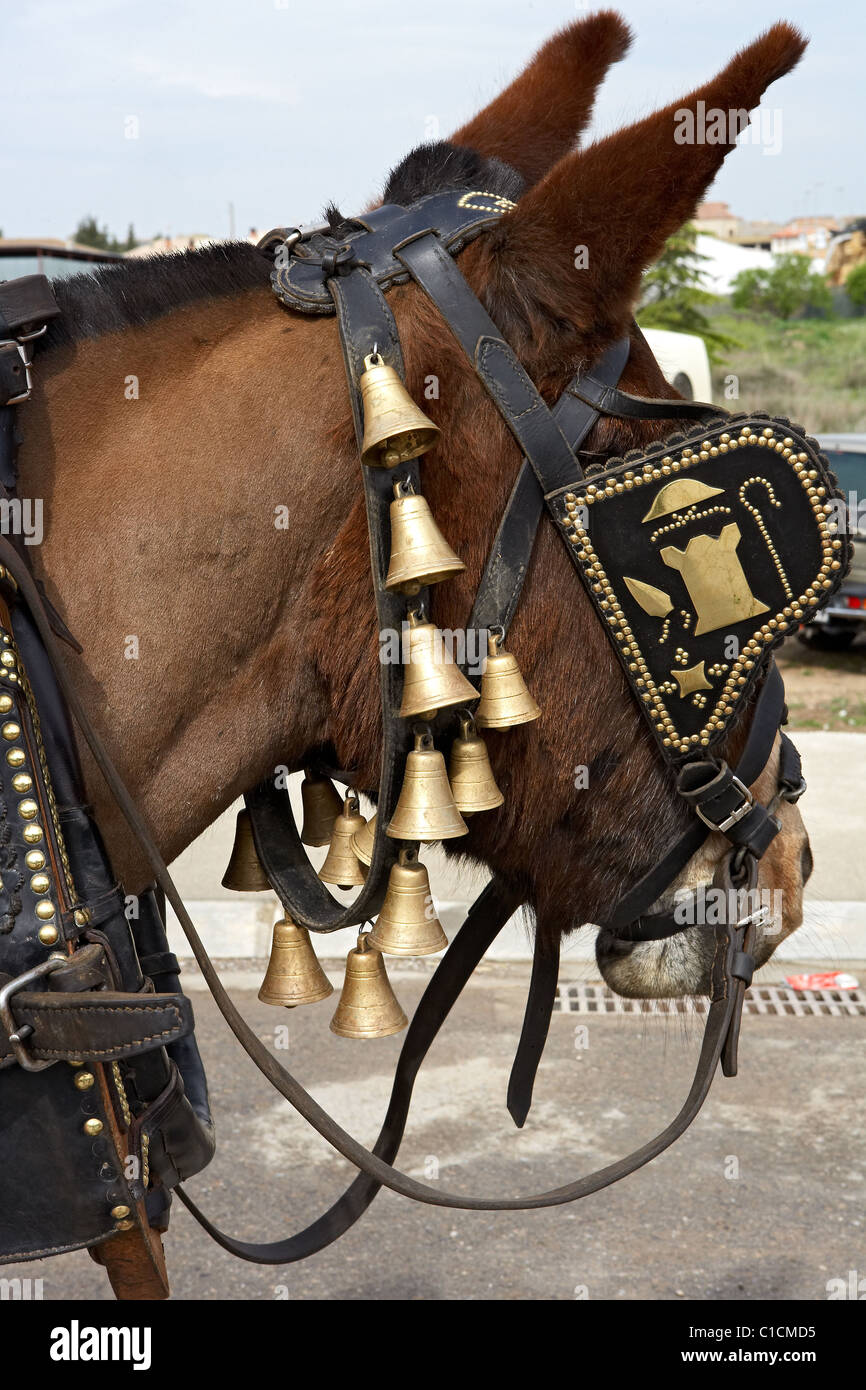
Horse bells attach in different ways. Some use straps with buckles, others have Velcro closures. Some bells come with elastic bands or leather ties. Choose an attachment that stays secure but is easy to remove. Make sure it does not rub or pinch the horse’s skin. Check the bell regularly to keep it in place during rides.
Adjustability Options
Adjustable bells offer a better fit for different horses. Look for bells with multiple holes or adjustable straps. This helps tighten or loosen the bell as needed. Adjustable bells fit better and prevent chafing. They also work well as your horse grows or changes size. Adjust the bells before every use for comfort and safety.
Maintenance And Care
Proper maintenance and care keep horse bells in good shape. They stay clear and sound well over time. Taking care of these bells helps avoid damage and rust. Follow simple steps to keep your horse bells shining and ringing.
Cleaning Techniques
Use a soft cloth to wipe dirt and dust. Warm water with mild soap works best. Gently scrub with a soft brush for tough spots. Avoid harsh chemicals that can harm the metal. Dry the bells completely after cleaning to stop rust.
Storage Recommendations
Store horse bells in a dry place. Keep them away from moisture and direct sunlight. Use a soft pouch or box to avoid scratches. Separate each bell to prevent them from banging together. Check stored bells regularly for dust or damage.
Longevity Tips
Check bells often for cracks or loose parts. Tighten any loose fittings carefully to avoid damage. Avoid dropping or hitting bells on hard surfaces. Regular cleaning and proper storage extend bell life. Use bells only as intended to keep them strong.
Popular Brands And Models
Horse bells come in many styles and brands. Choosing the right bell depends on sound, size, and quality. Some brands focus on durability, while others offer unique designs. Here, we explore popular brands and models that riders trust.
Top-rated Bells
Top-rated horse bells often feature clear, pleasant sounds. Brands like Shires and Weaver Leather stand out. Their bells are known for long-lasting materials and good craftsmanship. Riders appreciate their consistent tones and reliable build. These bells suit both casual riders and professionals.
Budget-friendly Options
Affordable horse bells do not mean low quality. Brands such as Pro Choice and TuffRider offer good bells at low prices. These bells give decent sound and durability. They are perfect for beginners or riders on a budget. You can find bells that work well without spending much.
Customizable Choices
Customizable horse bells let you add personal touches. Some brands allow engraving or color options. Brands like EquiFit and Riders International provide these features. Custom bells can match your horse’s personality or riding gear. They make your horse stand out during rides and events.
Frequently Asked Questions
What Are Horse Bells Used For?
Horse bells help riders track their horses by sound and keep animals safe.
How Do Horse Bells Improve Horse Safety?
The bells alert others to the horse’s presence, reducing accidents and collisions.
What Materials Are Horse Bells Made From?
Horse bells are usually made from metal like brass, bronze, or steel.
Can Horse Bells Affect A Horse’s Behavior?
Some horses may be curious or cautious, but most get used to the bells.
How Do You Attach Horse Bells Properly?
Bells are attached to the bridle, saddle, or harness with leather straps.
Are Horse Bells Noisy Or Quiet?
Horse bells produce a soft jingling sound that is noticeable but not loud.
Conclusion
Horse bells add charm and safety to any ride. They help people hear horses nearby. Riders enjoy the gentle sound during walks or events. Bells also keep horses calm and alert. Choosing the right bell fits your horse’s needs. Simple, useful, and full of tradition.
A small detail that makes a big difference. Try horse bells for a peaceful and joyful experience.
As an Amazon Associate, I earn from qualifying purchases.