If you care for horses, you know how important their health is to their performance and happiness. Giving an IM injection to your horse might sound tricky, but with the right knowledge, you can do it safely and confidently.
This guide will help you understand what an IM injection is, why it’s needed, and exactly how to give one without stress—for you or your horse. Keep reading to learn simple steps that make a big difference in your horse’s care.
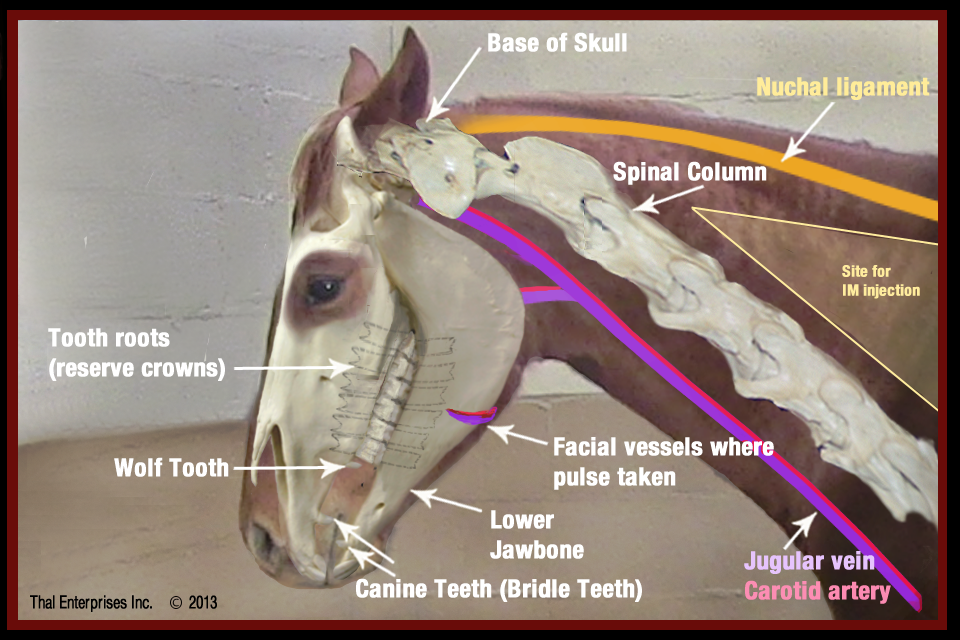
Credit: horsesidevetguide.com
Choosing Injection Sites
Choosing the right injection site is very important for horse health. The site affects how the medicine works and how the horse feels after. Picking the correct spot helps prevent pain and injury. It also makes the injection easier and safer for both the horse and handler.
Common Injection Locations
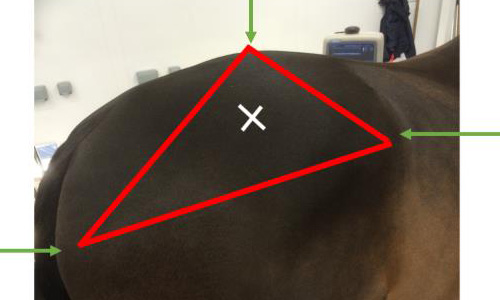
The neck is the most common place for IM injections in horses. It has large muscles and fewer nerves. This area makes the injection less painful. The pectoral muscles on the chest are another option. These muscles are strong and easy to reach. The rump, especially the gluteal muscles, is also used. It is good for larger volumes of medicine. Each site has pros and cons. The choice depends on the horse and the type of injection.
Avoiding Sensitive Areas
Stay clear of areas with large nerves or blood vessels. Injecting near these can cause serious problems. Avoid the spine and joints to prevent damage. Do not inject into areas with wounds or swelling. These spots can increase pain and infection risk. Always check the horse’s skin for lumps or hard spots. Using clean, dry skin helps keep injections safe.

Credit: benefabproducts.com
Preparing The Injection
Preparing the injection for a horse requires careful attention to detail. Proper preparation ensures the injection is safe and effective. This step reduces the risk of infection and discomfort for the horse. Follow these important points before giving an intramuscular (IM) injection.
Selecting The Right Needle And Syringe
Choose a needle that fits the horse’s size and muscle type. A 1 to 1.5-inch needle is common for IM injections. Use a gauge between 18 and 20 for most medications. Pick a syringe size that matches the dose needed. Smaller syringes give better control over the amount injected.
Proper Medication Handling
Check the medication label carefully. Confirm the drug, dose, and expiration date. Use medications at room temperature for comfort. Avoid shaking the vial too hard to keep the medicine stable. Draw the medication slowly into the syringe to avoid bubbles.
Sterilization Techniques
Clean the injection site with alcohol before giving the shot. Wipe in a circular motion from the center outward. Use a new, sterile needle and syringe for each injection. Dispose of used needles safely in a sharps container. Always wash your hands before and after the process.
Injection Techniques
Injection techniques are important for giving horses intramuscular (IM) shots safely and effectively. Proper methods reduce pain and risk of injury. They also help the medicine work better. Understanding the right steps makes the process smoother for both you and the horse.
Step-by-step Im Injection Process
First, gather all supplies: needle, syringe, medication, and disinfectant. Wash your hands before starting. Choose the injection site on the horse’s neck or hindquarters. Clean the area with alcohol to prevent infection. Hold the needle firmly and insert it into the muscle quickly. Pull back slightly on the plunger to check for blood. If no blood appears, slowly push the medication into the muscle. Remove the needle gently and apply slight pressure with a cotton ball.
Ensuring Proper Needle Angle
Insert the needle at a 90-degree angle to the skin. This angle ensures the medicine goes deep into the muscle. Avoid shallow or slanted angles as they can cause tissue damage. Holding the syringe steady helps keep the angle consistent. A good angle reduces pain and improves medication absorption.
Minimizing Discomfort
Choose the correct needle size for the horse’s muscle and medication. Use a clean needle each time to avoid irritation. Calm the horse before and during the injection. Speak softly and move slowly to reduce stress. Inject the medicine slowly to prevent pressure buildup. After the injection, massage the area gently to ease soreness.
Safety Precautions
Safety is the top priority when giving an IM injection to a horse. Taking the right steps helps avoid infections and other problems. Careful handling protects both the animal and the handler. Follow these safety tips closely to ensure a smooth process.
Preventing Infection
Clean the injection site with an antiseptic. Use a new, sterile needle and syringe for each injection. Wash your hands before and after the procedure. Avoid touching the needle or the cleaned area. Keep all equipment in a clean place to prevent germs.
Recognizing And Managing Reactions
Watch the horse for swelling, redness, or heat at the injection site. Sudden changes in behavior or appetite may signal a problem. If the horse shows signs of pain or lumps, contact a vet. Early action can stop minor issues from becoming serious.
Disposal Of Medical Waste
Dispose of needles and syringes in a proper sharps container. Do not throw used materials in regular trash. Follow local rules for medical waste disposal. Safe disposal prevents injury and reduces the risk of infection. Always keep waste containers out of reach of animals and children.
Aftercare And Monitoring
After giving an intramuscular (IM) injection to a horse, proper aftercare and monitoring are essential. These steps help ensure the horse recovers well without any issues. Careful observation can catch problems early, making treatment easier.
Keep the injection site clean and dry. Avoid touching or rubbing the area to prevent irritation. Watch the horse closely for any changes in behavior or signs of discomfort.
Signs Of Complications
Look for swelling or heat around the injection site. Redness or hard lumps may also appear. The horse might show pain when the area is touched. Sometimes, the horse may limp or move stiffly.
Other signs include fever, loss of appetite, or unusual tiredness. These can point to infection or an allergic reaction. Early detection is key to managing these problems well.
When To Contact A Veterinarian
Contact a vet if swelling grows or does not go away in two days. Call for help if the horse shows severe pain or cannot walk properly. Any fever or loss of appetite lasting more than a day needs vet attention.
Also, reach out if you see pus or bleeding at the injection site. Quick vet care can prevent minor issues from becoming serious. Always trust your instincts about your horse’s health.
Common Mistakes To Avoid
Giving an intramuscular (IM) injection to a horse requires care and attention. Mistakes can cause pain or injury to the horse and reduce the medicine’s effect. Avoiding common errors helps keep the process smooth and safe.
Incorrect Site Selection
Choosing the wrong injection site can harm the horse. Avoid injecting near bones, nerves, or large blood vessels. The neck muscle is the safest and most common site. Always check for swelling or soreness before injecting. This prevents infection and injury.
Improper Needle Use
Using the wrong needle size causes pain or damage. A needle too long or thick can hurt the muscle. Change the needle if it becomes dull or bent. Always use a clean needle to stop infections. Hold the syringe steady to avoid sudden movements.
Dosage Errors
Giving too much or too little medicine reduces its effect. Follow the vet’s instructions exactly for the right dose. Overdosing can cause side effects or harm. Underdosing may not treat the problem. Measure the medicine carefully before injecting.
Credit: www.rvc.ac.uk
Frequently Asked Questions
What Is An Im Injection For Horses?
IM injection means giving medicine into a horse’s muscle using a needle.
Why Use Im Injections Instead Of Other Types?
IM injections work faster than pills and are easier than IV shots.
How Do You Choose The Injection Site On A Horse?
Common sites include the neck muscles, hip, or shoulder for safe injection.
What Are Common Medicines Given By Im Injection In Horses?
Vaccines, antibiotics, and pain relievers are often given by IM injection.
How To Reduce Pain During Horse Im Injections?
Use a clean needle, inject slowly, and choose the right muscle site.
What Risks Come With Im Injections In Horses?
Possible risks include soreness, swelling, or rare infection at the injection site.
Conclusion
IM injection in horses is a common and effective way to deliver medicine. It helps treat many health problems quickly. Always use the right technique to avoid pain or injury. Clean the injection area well before giving the shot. Watch your horse for any bad reactions after the injection.
Ask your vet for advice if you are unsure. Proper care keeps your horse healthy and happy. Simple steps make a big difference in horse care.
As an Amazon Associate, I earn from qualifying purchases.