Have you ever wondered what happens when two very different animals come together? The term “Horse Boar” might sound unusual, but it sparks curiosity and invites you to explore something fascinating.
Whether you’re an animal lover, a curious mind, or just looking for a surprising story, this article will reveal intriguing facts that you won’t want to miss. Keep reading, and discover how the worlds of horses and boars connect in ways you never expected.
Your next great discovery is just a few paragraphs away.
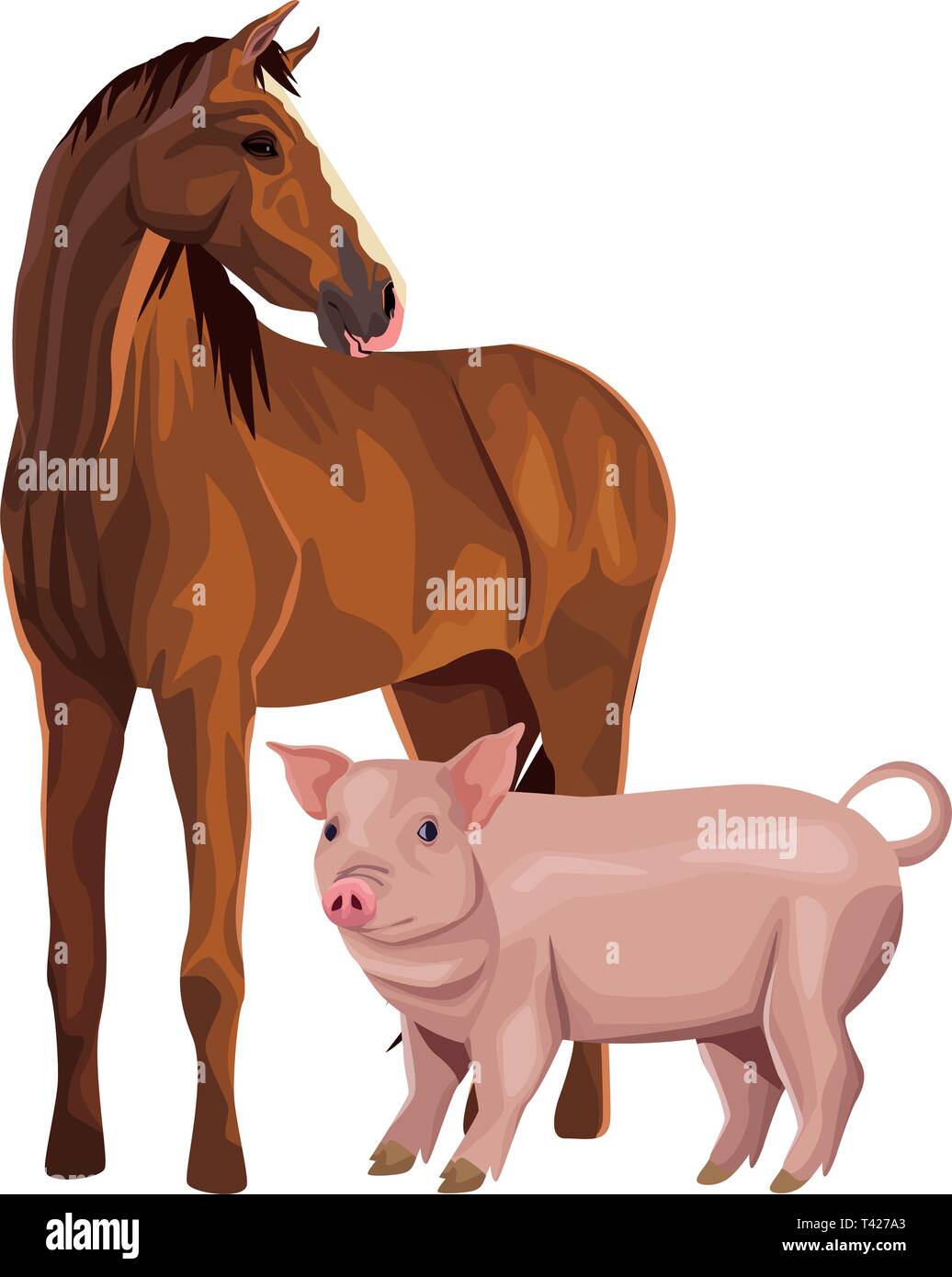
Credit: www.alamy.com
Origins Of The Horse Boar
The Horse Boar is a fascinating creature that sparks curiosity. Its origins are a mix of nature’s surprises and human history. Understanding how it came to be helps us appreciate its unique traits. This section explores how the Horse Boar started through natural events and scientific findings.
Natural Hybridization
The Horse Boar likely began from natural hybridization. This means two different species bred in the wild. Horses and wild boars share some habitats. Sometimes, they crossed paths and mated. This rare event created offspring with traits of both animals. Nature sometimes blends species in unexpected ways.
Historical Sightings
People have reported strange animals resembling the Horse Boar for centuries. Ancient texts describe creatures with features of horses and boars. Some old paintings show similar beings. These sightings suggest the Horse Boar or its ancestors existed long ago. Folk tales from rural areas often mention such hybrids.
Genetic Background
Genetic studies reveal clues about the Horse Boar’s lineage. DNA tests show a mix of equine and suid genes. Scientists compare its genome with horses and boars. The results confirm a hybrid origin. This genetic blend explains its distinct appearance and behavior.
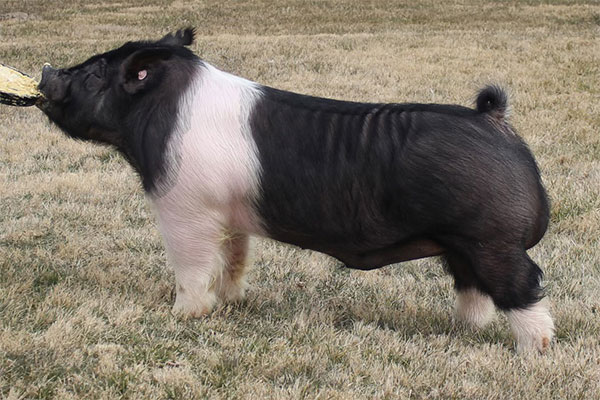
Credit: www.topcutgeneticsllc.com
Physical Characteristics
The Horse Boar is a fascinating creature with unique physical traits. Its body shows a mix of strength and agility. These traits help it survive in different environments. Understanding its physical characteristics gives insight into its behavior and lifestyle.
Size And Build
The Horse Boar has a medium to large size. It stands about 4 to 5 feet tall at the shoulder. Its body is muscular and sturdy. The legs are strong, built for running and digging. Its weight ranges from 400 to 700 pounds. This build helps it move quickly and defend itself.
Fur And Color Patterns
The fur of the Horse Boar is thick and coarse. It provides protection against cold and rough terrain. Colors vary from dark brown to black. Some have patches of lighter shades. These patterns help with camouflage in forests and grasslands. The fur changes slightly with seasons, becoming denser in winter.
Distinctive Features
One key feature is its head, resembling both horse and boar. The snout is longer than a typical boar’s but shorter than a horse’s. It has sharp tusks that curve outward. The ears are pointed and alert. Its eyes are large, aiding in night vision. The tail is short and tufted, adding balance while running.
Behavior And Habitat
The behavior and habitat of the horse boar reveal much about its survival and daily life. This creature adapts well to various environments. It shows interesting habits that help it find food and stay safe. Understanding these traits helps us appreciate the horse boar’s role in nature.
Its behavior centers on feeding, social interaction, and choosing safe places to live. The horse boar’s habitat varies but always meets its basic needs. Let’s explore these topics in detail.
Diet And Foraging Habits
The horse boar eats plants, roots, and small animals. It searches for food mostly at dawn and dusk. This helps avoid predators and heat. It uses its strong snout to dig for roots and insects. Eating a varied diet keeps it healthy and active.
Social Structure
Horse boars live in small groups or alone. Groups usually include a few females and young ones. Males often stay separate except during mating. These groups protect each other from danger. Communication happens through sounds and body movements.
Preferred Environments
Horse boars prefer forests, grasslands, and wetlands. They need places with water and plenty of cover. Dense bushes and tall grasses offer shelter from predators. These environments also provide food and space to roam. The horse boar adapts well to changing conditions within these areas.

Credit: starryai.com
Ecological Impact
The Horse Boar affects the environment in many ways. Its presence changes how plants grow and how animals live. Understanding this impact helps us see its true role in nature.
This animal can help or harm the balance of life around it. Its habits shape the land and affect other creatures. Watching these effects gives us a clearer view of nature’s complex web.
Role In The Ecosystem
The Horse Boar acts as both a feeder and a spreader. It eats plants and small animals, controlling their numbers. It also spreads seeds through its droppings, helping plants grow in new places.
This animal’s digging behavior turns soil, which helps air and water reach roots. These actions support healthy forests and grasslands. Its presence keeps many parts of the ecosystem working well.
Interactions With Other Species
The Horse Boar shares its habitat with many animals. It competes with others for food and space. Sometimes, it chases smaller animals away from their homes.
Birds often follow the Horse Boar to catch insects it disturbs. Predators watch for it as a food source. This creates a chain of interactions that connect many species.
Challenges To Local Wildlife
The Horse Boar can cause problems for some wildlife. It may destroy nests or burrows while searching for food. This makes it harder for some animals to survive.
Its strong digging can harm plants and soil. This leads to erosion and loss of habitat. Some native animals may struggle to find food or shelter because of these changes.
Conservation Status
The conservation status of the Horse Boar is a crucial topic for wildlife lovers. This unique animal faces many challenges in the wild. Understanding its current situation helps us protect it better.
Efforts to monitor the Horse Boar population show mixed results. Some areas see stable numbers, while others report declines. Knowing these trends helps guide conservation actions.
Population Trends
Recent studies show the Horse Boar population varies by region. In some forests, numbers remain steady. In others, they drop due to hunting and habitat loss. Tracking these changes is vital for survival plans.
Threats And Risks
The Horse Boar faces many dangers. Habitat destruction reduces its living space. Poaching adds pressure on its numbers. Diseases can spread quickly in small groups. These risks threaten the species’ future.
Protection Efforts
Several programs aim to save the Horse Boar. Protected areas give it safe homes. Anti-poaching laws help reduce illegal hunting. Community education raises awareness about its needs. These actions support population recovery.
Myths And Cultural Significance
The Horse Boar is a creature wrapped in mystery and rich stories. It has captured imaginations across cultures for centuries. People have passed down tales that mix fact with fantasy. These stories shape how the Horse Boar is seen in myths and culture. Its presence goes beyond just being an animal. It holds deep meanings and symbols in many traditions.
Folklore And Legends
Folklore often describes the Horse Boar as a fierce and magical beast. Some legends say it guards sacred places or treasures. Others tell of warriors who rode Horse Boars into battle. These stories show the creature as a symbol of strength and courage. Many cultures believed the Horse Boar had powers to protect or bring luck. Tales passed through generations helped keep its legend alive.
Symbolism In Art And Literature
Artists and writers have long used the Horse Boar as a symbol. It appears in paintings as a sign of wild nature and freedom. In stories, it often represents a mix of two worlds—wild and tame. The creature’s image can show power, danger, or mystery. Writers use it to add depth and excitement to their tales. Its unique look makes it a favorite subject in creative works.
Modern Perceptions
Today, the Horse Boar still fascinates many people. It appears in movies, books, and games as a mythical creature. Some see it as a symbol of adventure and the unknown. Others appreciate it for its role in old traditions and stories. The Horse Boar continues to inspire curiosity and imagination. Its blend of myth and culture keeps it relevant in modern times.
Frequently Asked Questions
What Is A Horse Boar And Where Does It Live?
A horse boar is a wild animal found mainly in forests and grasslands. It has features of both horses and boars.
How Does A Horse Boar Look Compared To Other Animals?
It has a horse-like body with the head and tusks of a boar, making it unique and easy to spot.
What Does A Horse Boar Eat In The Wild?
This animal eats plants, roots, and small animals, showing it is an omnivore.
Is The Horse Boar Dangerous To Humans Or Other Animals?
Horse boars can be aggressive if threatened but usually avoid humans and other large animals.
How Does The Horse Boar Behave In Its Natural Habitat?
It is mostly active during the night and prefers to live alone or in small groups.
Can Horse Boars Be Kept As Pets Or Farm Animals?
Horse boars are wild and not suitable as pets or for farming due to their nature.
Conclusion
Horse Boar offers unique challenges and fun for players. It blends strategy with fast action. Players must think quickly and act smartly. The game’s simple rules make it easy to start. It keeps you engaged with every move. Perfect for casual play or friendly competition.
Try Horse Boar to enjoy a fresh gaming twist. It’s a great way to relax and have fun. Give it a chance and see how it feels!
As an Amazon Associate, I earn from qualifying purchases.