Your horse’s eyes are more delicate than you might think. Protecting them isn’t just about comfort—it’s about keeping your horse healthy and happy.
If you’ve ever worried about dust, flies, or bright sunlight bothering your horse, you’re not alone. Understanding how to shield those sensitive eyes can save you from costly vet visits and heartache. You’ll discover simple, effective ways to keep your horse’s eyes safe every day.
Ready to learn how to give your horse the care they deserve? Let’s dive in.
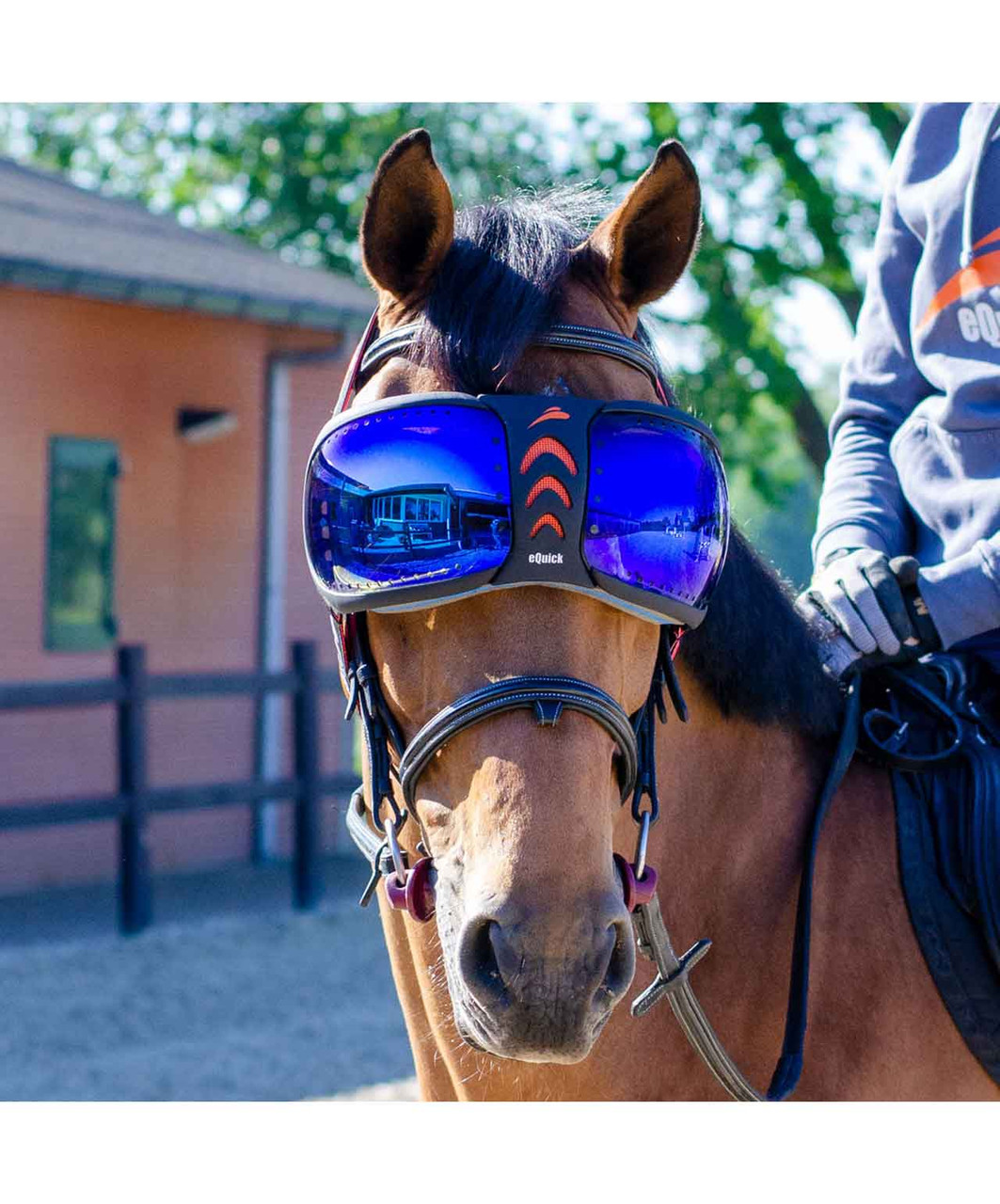
Credit: sprucewoodtack.com
Common Eye Hazards For Horses
Horse eyes are sensitive and need care to stay healthy. Many hazards can harm their eyes. Knowing these risks helps protect horses better. Eye problems can cause pain and affect a horse’s vision. Early care is key to avoid serious issues.
Environmental Risks
Dust and dirt often irritate horse eyes. Strong winds can blow debris into their eyes. Bright sunlight may cause discomfort or damage. Trees and branches pose a threat during rides. Allergens like pollen can trigger redness and swelling.
Infections And Diseases
Bacterial and viral infections are common eye problems. Conjunctivitis causes redness and discharge. Pink eye spreads quickly among horses. Corneal ulcers develop from scratches or infections. Regular checks help spot signs early for treatment.
Injury Causes
Sharp objects can scratch or cut horse eyes. Rough play or fighting may lead to injuries. Tack and equipment sometimes cause accidental harm. Poorly fitted gear increases the risk of eye damage. Quick care reduces the chance of lasting harm.

Credit: jupitervetproducts.com
Signs Of Eye Problems
Horse eyes are sensitive and can get hurt or sick easily. Detecting eye problems early helps protect your horse’s vision. Watch for changes in how your horse acts or looks. These signs can show an eye issue is present. Knowing what to check makes a big difference in care.
Behavioral Changes
Your horse may act differently if its eyes hurt. It might blink more than usual or keep the eye closed. Head shaking or rubbing the eye against objects also means pain. Avoiding bright light or being less active can point to eye trouble.
Physical Symptoms
Look for redness or swelling around the eye area. Clear or cloudy discharge can signal infection or injury. The pupil may look uneven or the eye surface may seem cloudy. Squinting or excessive tearing are common signs too. Check for visible wounds or foreign objects.
When To Seek Vet Help
Call a vet quickly if your horse shows eye pain signs. Sudden blindness or severe swelling needs urgent care. Persistent discharge or a visible wound requires professional treatment. Early vet visits prevent worse damage and speed recovery. Don’t wait if the eye condition worsens or lasts more than a day.
Protective Gear For Horses
Protective gear for horses is important to keep their eyes safe. Horses face many risks like dust, insects, and bright sunlight. Protecting their eyes helps prevent injuries and infections. Good eye protection improves a horse’s comfort and performance.
Types Of Eye Protection
There are different types of eye protection for horses. Fly masks cover the eyes and keep insects away. They are made of mesh and allow horses to see through. Goggles provide strong protection from dust and debris. Some masks have UV protection to shield from the sun’s rays. Choose the type based on your horse’s needs and environment.
Choosing The Right Equipment
Select eye protection that fits your horse’s activity. For riding, lightweight and snug gear works best. For turnout, durable and breathable masks are ideal. Look for equipment made of soft, comfortable materials. Avoid items that block vision or cause irritation. Always consider your horse’s comfort and safety first.
Proper Fit And Maintenance
A proper fit is key to effective eye protection. The gear should sit firmly but not too tight. Check straps and fasteners to prevent slipping. Clean the gear regularly to avoid dirt buildup. Replace worn or damaged parts quickly. Good care keeps the equipment working well and your horse safe.
Daily Eye Care Practices
Daily eye care is key to keeping a horse’s eyes healthy. Clean eyes help stop infections and other problems. Simple daily habits make a big difference. These habits keep eyes clear and free of dirt or debris. Caring for horse eyes every day supports their overall health and comfort.
Cleaning Techniques
Use a soft, clean cloth to gently wipe around the eyes. Avoid touching the eyeball directly. Use plain water or a vet-approved eye wash. Clean from the inside corner outward to remove dirt and discharge. Change cloths between eyes to stop spreading germs.
Regular Inspections
Check your horse’s eyes daily for redness or swelling. Look for cloudiness or unusual discharge. Notice any blinking or squinting. Early signs can show eye problems. Report concerns to a vet quickly to prevent worsening issues.
Safe Handling Tips
Approach your horse calmly to avoid sudden movements. Keep the horse’s head steady during eye care. Use gentle hands and soft materials. Avoid using harsh chemicals or rough cloths. Always wash your hands before and after touching your horse’s eyes.
Treating Minor Eye Issues
Minor eye problems in horses need quick care to avoid bigger troubles. Early treatment helps keep the eye healthy. Watch for signs like redness, swelling, or discharge. These signs show the eye needs attention. Act fast to protect your horse’s vision and comfort.
Home Remedies
Clean the eye gently with a damp cloth. Use clean water or saline solution only. Avoid using soap or chemicals near the eye. Apply a cold compress to reduce swelling. Keep the horse in a clean, dust-free area. Prevent rubbing by using a fly mask or soft wrap.
When To Use Medications
Use medications only if advised by a vet. Antibiotic eye drops help with infections. Avoid steroids unless prescribed, as they can worsen some conditions. Follow the vet’s instructions carefully. Do not use human eye medicines on horses. Correct use speeds healing and protects the eye.
Monitoring Progress
Check the eye daily for changes. Note any increase in redness, swelling, or discharge. Watch for signs of pain like blinking or rubbing. If symptoms worsen, contact a vet immediately. Keep records of treatments and observations. Monitoring helps catch problems early and ensures recovery.
Preventing Long-term Eye Damage
Protecting a horse’s eyes is important to avoid long-term problems. Eyes are delicate and can get hurt by many things. Small issues can turn into serious damage if not cared for. Taking steps early helps keep horses healthy and comfortable.
Simple actions can stop eye damage from getting worse. Regular care and smart choices make a big difference. Understanding how to protect horse eyes helps owners act in time.
Vaccinations And Health Checks
Regular vaccinations prevent diseases that harm horse eyes. Some illnesses cause swelling or blindness if untreated. Routine health checks catch problems early. A vet can spot eye issues before they grow. Keep vaccination schedules on time. Early treatment avoids lasting damage.
Environmental Modifications
Changing the horse’s environment reduces eye risks. Remove sharp objects from stalls and fields. Dust and strong sunlight irritate eyes and cause harm. Provide shade and clean bedding areas. Avoid areas with tall grass or plants that scratch eyes. Safe surroundings lower chances of injury.
Nutrition For Eye Health
Good food supports strong and healthy eyes. Vitamins A and E protect eye tissues. Omega-3 fatty acids reduce inflammation. Feed balanced meals with fresh hay and grains. Supplements can help if diet lacks nutrients. Healthy eyes need proper nutrition every day.

Credit: www.amazon.com
Frequently Asked Questions
What Causes Eye Injuries In Horses?
Horses can hurt their eyes from dust, branches, flies, and other sharp objects.
How Can I Protect My Horse’s Eyes Outdoors?
Use fly masks or protective goggles to shield your horse’s eyes from dirt and bugs.
When Should I See A Vet For My Horse’s Eye Problem?
Visit a vet if your horse’s eye is red, swollen, or if it keeps watering.
Can Horses Wear Protective Eye Gear Comfortably?
Yes, many horses get used to eye gear if introduced slowly and fitted well.
What Materials Are Best For Horse Eye Protection Gear?
Soft, breathable fabrics and clear, strong lenses work best for comfort and safety.
How Often Should I Clean My Horse’s Eye Protection Gear?
Clean the gear daily to keep it free from dirt, sweat, and bacteria.
Conclusion
Protecting a horse’s eyes keeps them healthy and happy. Dirt, wind, and sunlight can cause damage. Using proper eye protection helps prevent pain and infections. Regular checks catch problems early before they get worse. Simple care routines make a big difference every day.
Safe and clear vision helps horses perform their best. Always choose gear that fits well and feels comfortable. Caring for horse eyes shows you value their well-being. Small steps today lead to strong, bright eyes tomorrow.
As an Amazon Associate, I earn from qualifying purchases.