If you ride horses or are just starting out, understanding the right equipment is key to a better experience. The horse cavesson is one of those simple yet powerful tools that can make a big difference in how you control and communicate with your horse.
You might have seen it but not really known why it’s important or how to use it properly. This article will break down everything you need to know about the horse cavesson, helping you improve your riding and build a stronger bond with your horse.
Keep reading to discover why this piece of gear could change the way you ride forever.
What Is A Horse Cavesson
A horse cavesson is a piece of tack used on a horse’s head. It fits around the nose and the back of the head. This tool helps riders control the horse gently and clearly. Cavessons are often used in training and groundwork. They provide a way to communicate with the horse without causing pain.
Basic Design And Features
A horse cavesson has a simple design. It is made of leather or nylon straps. The main strap goes around the horse’s nose. Another strap fastens behind the ears. A metal ring sits under the nose. This ring holds the lead rope or reins. The cavesson is padded to protect the horse’s skin. It should fit snugly but not tight.
Purpose And Uses
The cavesson helps control the horse’s head and movement. Trainers use it for groundwork and lunging exercises. It teaches horses to respond to signals. It also helps in riding, especially in dressage. Cavessons guide the horse without pulling hard. They allow clear, gentle communication between horse and rider.
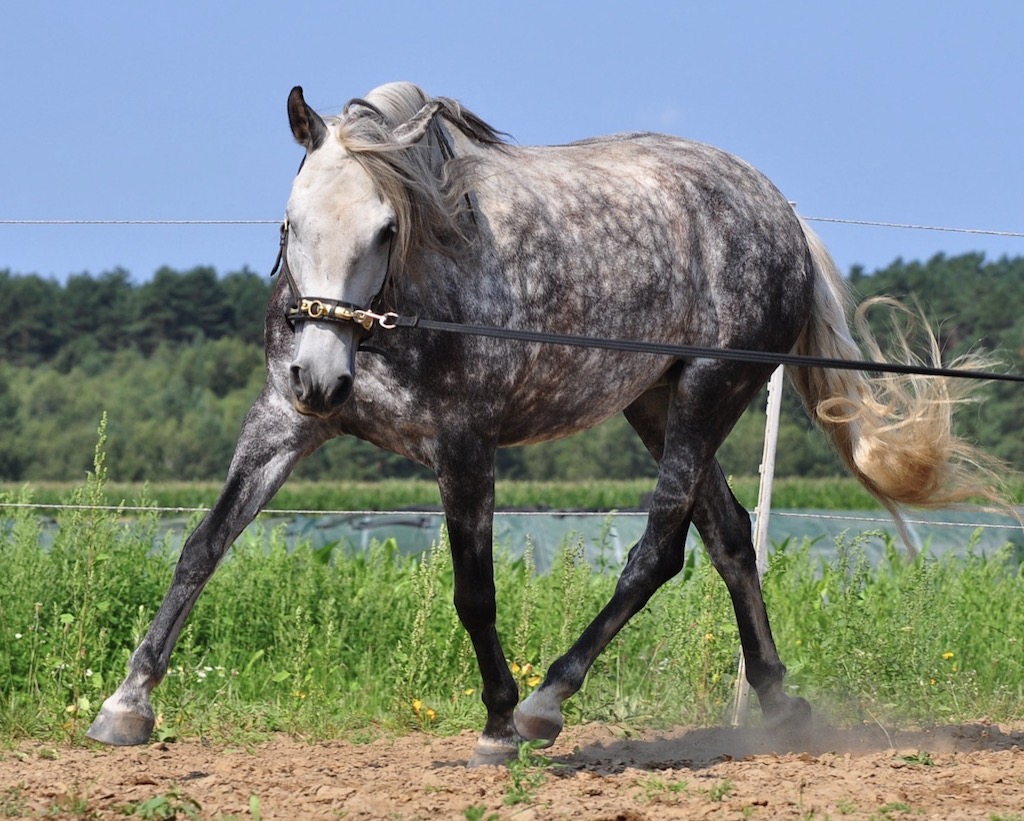
Credit: lungeing.com
Types Of Cavessons
Cavessons come in different types. Each type suits different training needs and horse comfort. Understanding these types helps in choosing the right one.
Leather Cavessons
Leather cavessons are classic and durable. They offer a firm but gentle fit on the horse’s nose. Many riders prefer leather for its strong hold and traditional look. Over time, leather softens, increasing comfort for the horse.
Rope Cavessons
Rope cavessons are light and flexible. They are easy to adjust and clean. These cavessons allow more feel and communication between horse and rider. Rope is often used for groundwork and lunging sessions.
Synthetic Cavessons
Synthetic cavessons are made from materials like nylon or neoprene. They are water-resistant and easy to maintain. These cavessons are usually lighter and less expensive. They provide good comfort and last well in wet conditions.
Choosing The Right Cavesson
Choosing the right horse cavesson is key for effective training and comfort. This piece of tack controls the horse’s head gently but firmly. Picking the best fit and style helps both the horse and rider work well together. Consider several factors before making your choice.
Sizing And Fit
The cavesson must fit snugly but not tight. Measure your horse’s nose and poll area carefully. A loose cavesson can slip and cause confusion. Too tight may hurt the horse or restrict breathing. Check for even pressure all around the noseband. Adjust straps for a secure yet comfortable fit.
Material Considerations
Cavessons come in leather, synthetic, and nylon. Leather is durable and molds to the horse’s shape. Synthetic materials are lighter and easier to clean. Nylon is strong but less flexible. Choose based on weather, budget, and care preferences. Soft padding on the noseband adds comfort.
Matching Cavesson To Training Needs
Different training goals need different cavessons. A simple plain cavesson suits groundwork and basic control. A figure-eight cavesson offers more control for strong or active horses. Some cavessons have adjustable nosebands for fine-tuning pressure. Pick one that supports your training style and your horse’s behavior.
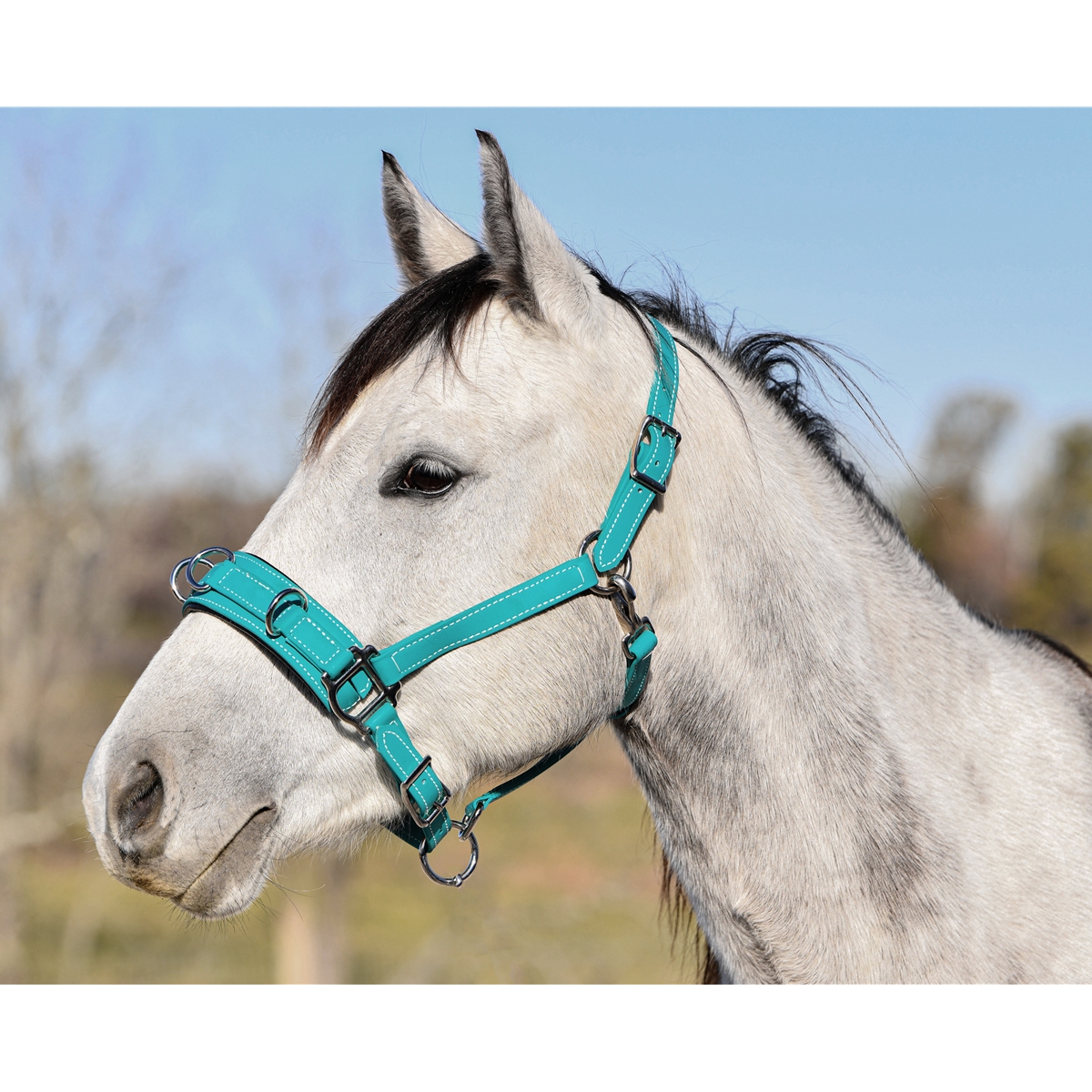
Credit: www.twohorsetack.com
Fitting A Cavesson Properly
Fitting a cavesson properly is key to your horse’s comfort and control. A well-fitted cavesson helps you guide your horse gently and clearly. It also prevents rubbing and soreness on your horse’s head. Taking time to adjust it right will improve your riding experience.
Adjusting Straps
Start by loosening all straps before placing the cavesson. Tighten them slowly, so the cavesson fits snugly but not tight. You should fit two fingers between the strap and the horse’s skin. Check every strap carefully to avoid pressure points.
Positioning On The Horse’s Head
Place the cavesson just below the horse’s cheekbones. It should sit high enough to avoid slipping but low enough to stay comfortable. The noseband must rest about two fingers below the horse’s cheekbone. Make sure it does not block the horse’s breathing.
Common Fitting Mistakes
Many riders make the noseband too tight, causing discomfort. Avoid placing the cavesson too low or too high on the head. Not adjusting the straps evenly leads to uneven pressure. Check the fit every time before riding to prevent these errors.
Benefits Of Using A Cavesson
Using a cavesson offers many benefits for both riders and horses. It helps improve communication and safety. This tool is simple but effective in training and handling horses. It fits comfortably and allows better control during rides or groundwork.
Improved Control
A cavesson gives riders better control over their horses. It helps guide the horse’s head without causing pain. The noseband applies gentle pressure, making it easier to steer. This control helps in teaching new commands and improving behavior.
Enhanced Comfort For The Horse
The design of a cavesson focuses on the horse’s comfort. It avoids sensitive areas like the mouth and jaw. Soft padding reduces pressure and prevents chafing. Comfortable horses stay calm and respond better during training.
Versatility In Training
A cavesson works well for many training styles. It suits groundwork, lunging, and riding exercises. Trainers can attach long lines or reins easily. This flexibility helps trainers teach various skills effectively.
Caring For Your Cavesson
Caring for your horse cavesson is important. It keeps the equipment safe and your horse comfortable. A well-kept cavesson lasts longer and works better. Simple daily care can prevent damage and wear.
Clean and store the cavesson properly. Follow easy steps to maintain its quality. Small actions make a big difference.
Cleaning Tips
Use a soft brush to remove dirt and dust. Clean the leather with a damp cloth. Avoid soaking the leather. Use saddle soap for deeper cleaning. Wipe off soap with a clean, damp cloth. Let it dry naturally, away from heat.
Storage Recommendations
Store the cavesson in a dry place. Avoid damp or very hot areas. Hang it on a padded hook or lay it flat. Keep it away from direct sunlight. Good storage keeps the leather soft and strong.
Maintenance For Longevity
Apply leather conditioner regularly to keep the leather supple. Check metal parts for rust or damage. Tighten loose fittings carefully. Replace worn parts quickly to avoid bigger problems. Regular care extends the life of your cavesson.
Troubleshooting Cavesson Issues
Troubleshooting cavesson issues helps keep your horse comfortable and responsive. A properly fitted cavesson improves control and safety. Problems with fit or wear can cause discomfort and poor performance. Watch your horse closely for signs of trouble. Simple adjustments often solve common problems. Knowing when to replace the cavesson protects your horse’s health.
Signs Of Discomfort
Look for head shaking or rubbing against objects. Your horse might resist the bridle or pull away. Check for redness or swelling around the nose and chin. Uneven pressure marks can mean the cavesson is too tight. Listen for unusual noises while riding. These signs signal the cavesson may cause pain.
Adjustments For Better Performance
Loosen or tighten straps to fit snugly but not tight. Move the cavesson slightly higher or lower on the nose. Use padding under the cavesson to reduce pressure points. Clean the leather to keep it soft and flexible. Adjust the buckles evenly on both sides. These small changes improve comfort and control.
When To Replace Your Cavesson
Replace your cavesson if leather cracks or tears appear. Avoid using worn-out metal parts that can break. If stitching comes undone, the cavesson loses strength. A misshaped cavesson won’t fit well anymore. Consider replacement after years of regular use. A fresh cavesson ensures safety and comfort for your horse.

Credit: www.quarterhorsenews.com
Frequently Asked Questions
What Is A Horse Cavesson Used For?
A horse cavesson helps control the horse’s head during training or riding.
How Do You Fit A Horse Cavesson Properly?
Place it snugly on the horse’s nose, not too tight or loose.
What Materials Are Horse Cavessons Made From?
They are usually made from leather or nylon for durability and comfort.
Can A Horse Cavesson Be Used For Lunging?
Yes, it is commonly used to guide horses during lunging sessions.
How Does A Cavesson Differ From A Bridle?
A cavesson has no bit and focuses on nose control only.
When Should You Use A Horse Cavesson?
Use it during groundwork or training to teach the horse better control.
Conclusion
A horse cavesson helps control and guide your horse safely. It fits around the horse’s nose and head with soft straps. Using the right cavesson improves communication between rider and horse. It keeps the horse comfortable while providing steady control.
Choosing quality materials makes it last longer and stay strong. Remember to check the fit often for your horse’s comfort. A well-fitted cavesson supports training and riding with ease. It’s a simple tool that makes a big difference. Try one and see how it helps your riding experience.
As an Amazon Associate, I earn from qualifying purchases.