If you own horses or are thinking about getting them, having the right barn is crucial. A three stall horse barn offers the perfect balance of space, comfort, and convenience for you and your horses.
Imagine having a place where each horse has its own cozy stall, making care and management easier every day. You’ll discover why a three stall barn might be the ideal choice for your needs, how it can improve your daily routine, and what to consider before building or buying one.
Keep reading to find out how this simple setup can make a big difference for you and your horses.

Credit: icreatables.com
Benefits Of A Three Stall Barn
A three stall horse barn offers many benefits for horse owners. It provides enough space for a small group of horses. The design helps keep horses safe and comfortable. It also fits well on various farm sizes. Choosing this barn type brings practical advantages for daily horse care.
Let’s explore the main benefits of a three stall barn and why it is a popular choice.
Efficient Space Use
A three stall barn uses land wisely. It fits three horses in a compact area. This setup saves space compared to larger barns. The design allows easy movement around horses. It also reduces wasted space, making care easier. This efficient layout suits many farm sizes.
Cost-effectiveness
Building a three stall barn costs less than bigger barns. It requires fewer materials and less labor. Lower costs make it easier to maintain. It also reduces heating and lighting expenses. This barn size balances comfort and budget well. A smart choice for many horse owners.
Flexibility For Different Horses
Three stalls provide room for different horse needs. You can separate horses by age, size, or behavior. This helps keep horses calm and healthy. The barn can also hold a foal or a new horse. Flexibility makes daily care simpler and safer. It supports the well-being of all horses.
Choosing The Right Location
Choosing the right location for your three stall horse barn is very important. It affects the health and safety of your horses. It also makes daily care easier. Several factors matter when picking the spot for your barn. Soil, access, sunlight, and air flow all play key roles.
Soil And Drainage Considerations
Good soil keeps the barn stable and dry. Avoid places with soft or sandy soil. Such soil can cause sinking and damage. Check if water drains well from the area. Poor drainage leads to mud and puddles. Wet ground can harm horse hooves and create slippery surfaces. Choose a spot with firm soil and natural slopes. This helps rainwater run away from the barn.
Accessibility And Convenience
Easy access makes barn use smooth. Place the barn near main paths or roads. This helps when bringing feed, bedding, or vet visits. Avoid spots that are hard to reach during bad weather. Think about parking space for trailers and trucks. Also, locate the barn close to pastures or paddocks. This saves time when moving horses in and out.
Sunlight And Ventilation
Sunlight keeps the barn warm and dry. Choose a location where the barn gets morning sun. This helps dry dew and moisture. Good air flow removes odors and moisture inside the barn. Avoid areas blocked by tall trees or buildings. Proper ventilation reduces the risk of mold and respiratory problems. Open spaces around the barn help fresh air circulate well.
Key Design Elements
Designing a three stall horse barn involves careful planning. Key elements affect the barn’s safety, comfort, and function. These details help create a space that works well for horses and handlers. Understanding these factors guides a smart and practical design.
Stall Dimensions And Layout
Each stall should be spacious enough for the horse to move freely. Typical stall size ranges from 12 by 12 feet to 14 by 14 feet. The layout must allow easy access to each stall. Stalls arranged side by side with a shared wall save space. Good ventilation and natural light improve horse health. Proper layout reduces stress and injury risk.
Aisle Width And Flooring
Aisle width must provide safe movement for horses and people. A minimum of 10 feet is recommended to allow comfortable passage. Flooring should be non-slip and easy to clean. Materials like rubber mats or compacted gravel work well. Proper drainage prevents water buildup and keeps floors dry. A safe aisle supports daily barn tasks and horse care.
Door Types And Placement
Doors impact ventilation and horse safety. Sliding doors save space and prevent injury. Dutch doors allow fresh air while keeping horses inside. Position doors to avoid drafts directly on horses. Place doors for quick and easy stall access. Thoughtful door design improves barn comfort and functionality.
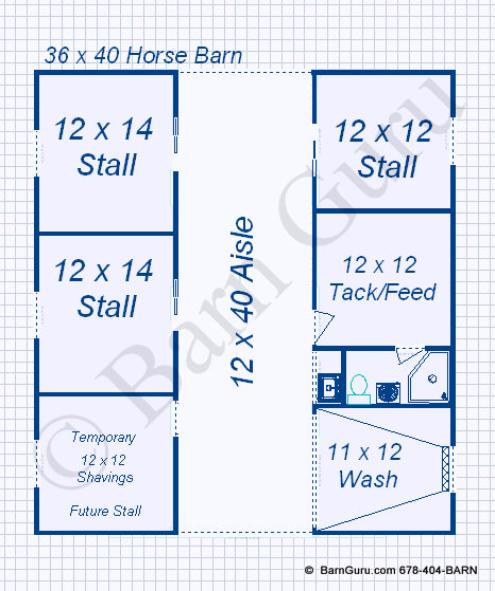
Credit: www.barnguru.com
Materials And Construction
The materials and construction of a three stall horse barn affect its strength and comfort. Choosing the right materials helps protect horses from weather and keeps the barn lasting long. Proper construction ensures safety and easy care.
Wood Vs. Metal Frames
Wood frames offer a natural look and good insulation. They are easy to customize and repair. Wood can be strong but needs protection from moisture and pests.
Metal frames resist fire, insects, and rot. They require less maintenance and last longer. Metal barns can be cooler in summer but may need extra insulation for winter.
Roofing Options
Metal roofs are common for horse barns. They shed rain and snow well and last many years. Metal roofs need proper ventilation to avoid heat buildup.
Shingle roofs provide better insulation and a classic appearance. They may cost more and need regular checks for damage. Both types protect horses from rain and sun.
Durability And Maintenance
Durability depends on materials and construction quality. Wood barns need sealing and pest control often. Regular checks help catch problems early.
Metal barns require less upkeep but can rust if damaged. Painting and cleaning keep metal barns in good shape. Proper maintenance extends the barn’s life and keeps horses safe.
Ventilation And Lighting
Good ventilation and lighting are very important in a three stall horse barn. They help keep horses healthy and comfortable. Proper air flow removes moisture and harmful gases. Good lighting helps horses see well and keeps the barn safe. Both natural and mechanical options can be used for ventilation and lighting.
Natural Vs. Mechanical Ventilation
Natural ventilation uses windows, vents, and open doors to move air. It is simple and saves energy. Fresh air flows in and stale air goes out naturally. Mechanical ventilation uses fans and vents to control air flow. It works well when natural airflow is not enough. Many barns combine both for the best air quality.
Window And Skylight Placement
Windows and skylights bring in daylight and fresh air. Place windows on opposite walls to create cross ventilation. Skylights add light from above and reduce dark spots. They also help warm the barn on cold days. Proper placement of windows and skylights improves comfort and health for horses.
Lighting For Safety And Comfort
Good lighting prevents accidents and helps horses feel calm. Use soft, even lighting to avoid harsh shadows. Bright lights make cleaning and feeding easier. Night lights can keep horses relaxed during dark hours. Safe and comfortable lighting is key for a happy barn environment.
Storage And Tack Room Setup
Setting up the storage and tack room in a three stall horse barn is essential. It keeps everything neat and easy to find. A well-organized space saves time and effort. It also helps maintain the health and safety of your horses.
Organizing Equipment
Arrange saddles, bridles, and grooming tools on hooks or shelves. Use labeled bins for smaller items like brushes and hoof picks. Keep frequently used equipment within easy reach. This setup reduces clutter and keeps gear in good shape.
Feed And Bedding Storage
Store feed in sealed containers to keep it fresh and dry. Place bedding materials in a separate, clean area to avoid contamination. Use pallets or shelves to keep bags off the ground. Proper storage prevents pests and spoilage.
Secure Locking Systems
Install strong locks on all doors and cabinets. Secure storage protects valuable equipment and feed from theft. Choose locks that are easy to operate but hard to break. Safety is key for any barn setup.
Safety Features
Safety is a top priority in any three stall horse barn. Proper safety features protect horses and people. They reduce risks and create a secure environment. Careful planning helps prevent accidents and injuries. The barn design includes several key safety elements.
Fire Prevention Measures
Fires can cause serious harm to horses and property. Fire prevention starts with clean, dry bedding and proper storage. Flammable materials stay far from heat sources. Smoke detectors and fire extinguishers are installed in key spots. Regular checks ensure all fire safety tools work well.
Emergency Exits
Quick escape routes are crucial during emergencies. Each stall has a door that opens outward easily. Wide aisles allow fast movement of horses and people. Emergency exits are clearly marked and free from clutter. This design helps everyone exit safely and quickly.
Safe Electrical Wiring
Electrical systems must be safe and reliable. Wiring is installed away from horses to prevent chewing. All cables are covered and secured tightly. Circuit breakers protect against electrical faults and overloads. Regular inspections help catch any wiring issues early.
Cost Estimates And Budgeting
Building a three stall horse barn requires careful budgeting. Knowing the costs helps you avoid surprises. You can plan your spending better and make smart choices. This section breaks down the main costs involved in building and maintaining your barn.
Material And Labor Costs
The biggest expenses come from materials and labor. Wood, metal, and concrete prices vary by region. Choose quality materials for durability and safety. Labor costs depend on your location and builder’s experience. Skilled workers cost more but ensure a good build. Getting multiple quotes helps find fair prices.
Permits And Regulations
Permits protect your property and community. Local laws require specific permits for barn building. Fees vary by city or county. You might need inspections during construction. Following rules avoids fines and delays. Check zoning laws before starting your project.
Long-term Maintenance Expenses
Maintaining your barn keeps horses safe and healthy. Regular tasks include cleaning, painting, and roof checks. Wood barns need protection from weather damage. Repairs can add up over time. Budget for yearly upkeep to avoid large costs later.
Customization Options
Customization options make a three stall horse barn perfect for any horse owner. These options let you design a barn that fits your horses’ needs and your daily routine. Small changes can improve comfort and efficiency.
Choosing the right features helps create a safe and organized space. Customize your barn to match your style and practical needs. Below are some popular options to consider.
Adding Wash Stalls
Wash stalls provide a dedicated area for cleaning horses. They keep water and soap contained, making cleanup easier. Adding a wash stall helps maintain hygiene and health. It also protects other barn areas from mud and water mess.
Incorporating Tack Rooms
Tack rooms offer a secure space to store saddles, bridles, and other gear. Keeping equipment organized saves time before and after rides. A tack room also protects items from damage and theft. Customizing it with shelves and hooks increases storage options.
Outdoor Run Attachments
Outdoor run attachments give horses extra space to move and play. These runs connect directly to stalls for easy access. They help horses stay active and reduce boredom. Adding runs improves overall horse well-being and barn functionality.
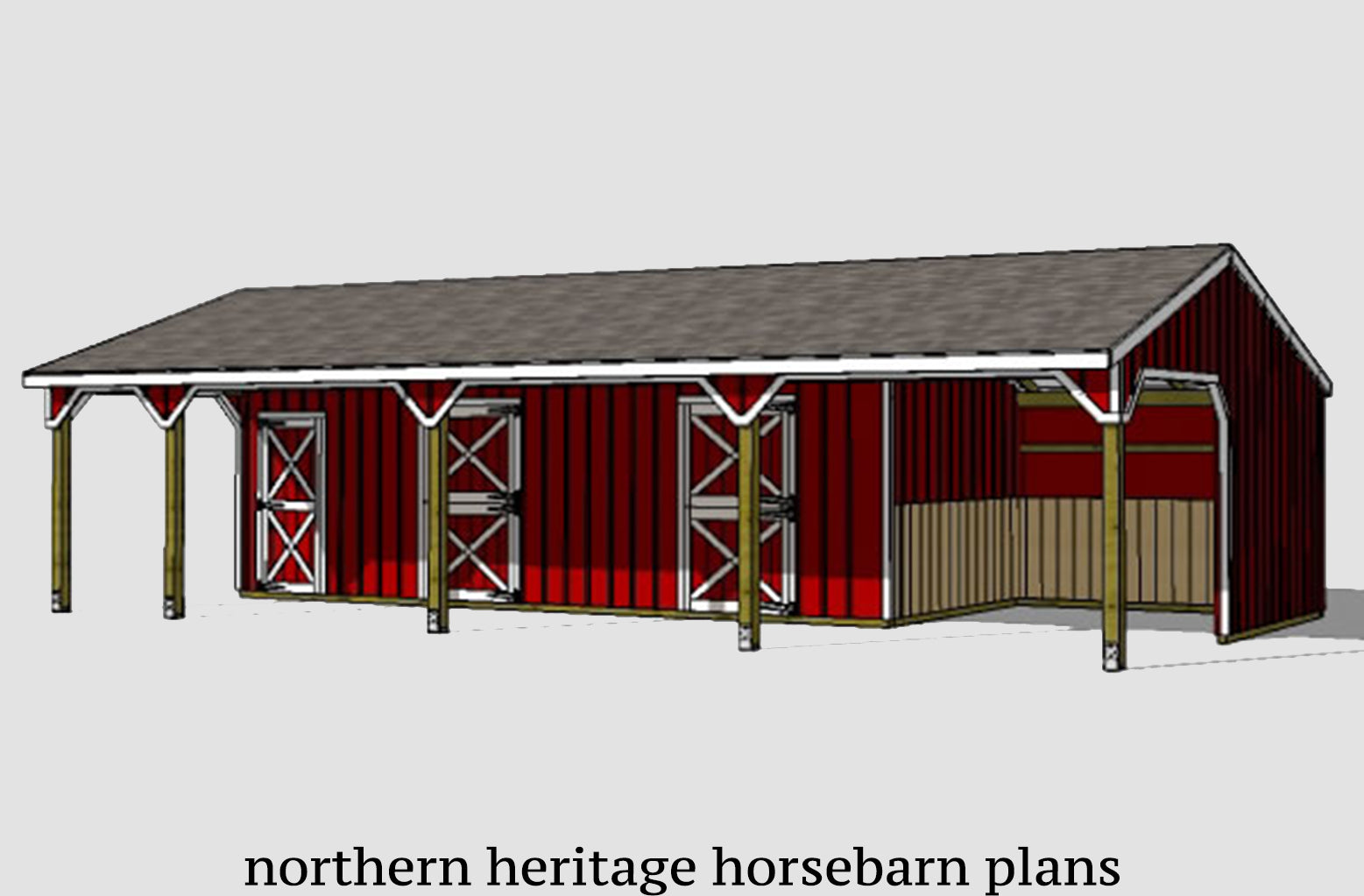
Credit: www.nhhorsebarnplans.com
Common Mistakes To Avoid
Building a three stall horse barn can be exciting. Many people make simple mistakes that cause problems later. Avoiding these errors saves time, money, and stress. Here are common mistakes to watch out for.
Ignoring Ventilation Needs
Good airflow keeps horses healthy and comfortable. Poor ventilation leads to dampness and bad odors. It can cause respiratory problems for horses. Design the barn with enough windows and vents. Position them to allow fresh air to flow freely.
Poor Drainage Planning
Water that pools near the barn causes mud and slippery floors. It also damages the barn’s foundation. Plan the site to direct water away from the barn. Use gravel or concrete in high-traffic areas to improve drainage.
Overlooking Safety Codes
Building codes protect both horses and people. Ignoring them can lead to fines or unsafe conditions. Check local rules before starting construction. Follow guidelines for stall size, fire safety, and electrical work.
Frequently Asked Questions
What Is A Three Stall Horse Barn?
A three stall horse barn is a small stable designed to house three horses comfortably.
How Big Should Each Stall Be In The Barn?
Each stall should be at least 12 feet by 12 feet for enough space.
What Materials Are Best For Building A Horse Barn?
Wood and metal are popular for durability, safety, and easy maintenance.
How Do You Keep A Horse Barn Clean And Safe?
Regularly remove manure, provide fresh bedding, and ensure good ventilation.
Can A Three Stall Barn Include Storage Space?
Yes, many designs add tack rooms or feed storage next to stalls.
What Is The Average Cost Of Building This Barn?
Costs vary but usually range from $10,000 to $30,000 depending on materials.
Conclusion
A three stall horse barn offers space, comfort, and safety for horses. It fits small to medium-sized farms well. This barn helps keep horses healthy and happy. Easy access and good ventilation matter a lot. Building one can save time and effort daily.
Choose materials and design that last long. A well-planned barn makes caring for horses simple. A small barn can make a big difference. Think about your horses’ needs first and plan carefully. A three stall barn is a smart choice for many horse owners.
As an Amazon Associate, I earn from qualifying purchases.